Skin Analysis Software Data Privacy: Clinic Guide
Skin analysis software data privacy starts with knowing where images go, why they are used, who can access them, and how each copy is removed....

RF microneedling vs fractional CO2 laser has no single winner for every patient or clinic. Direct acne-scar studies report gains with both. Review pain, recovery, and pigment changes on their own.
A short recovery claim does not settle RF microneedling vs fractional CO2 laser. Nor does a claim that one system is “stronger.” The useful comparison starts with the skin problem, the exact technology, and what the evidence actually measured.
This guide helps clinic buyers and clinical leads separate those questions. It explains the key evidence, shows where simple comparisons mislead, and gives your team clear questions to resolve before asking for quotes.
Key Takeaways
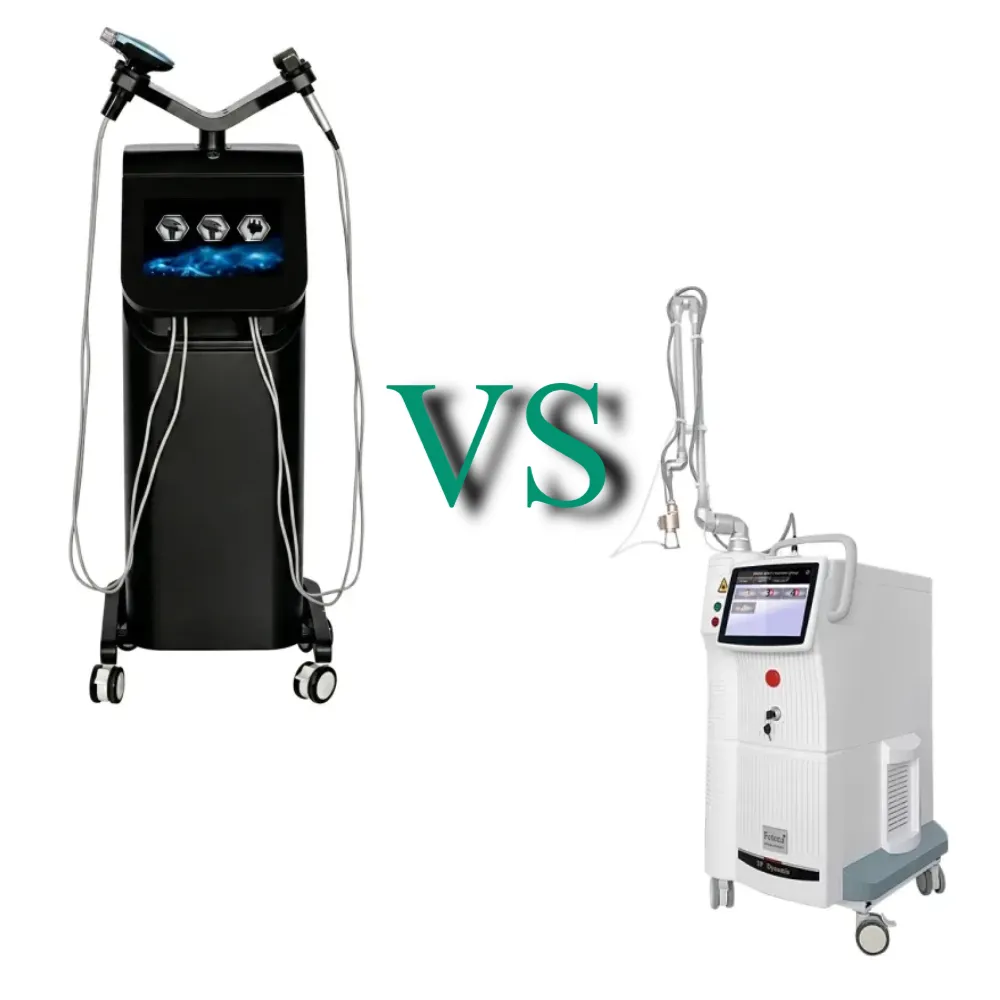
RF microneedling uses an array of small needle electrodes to deliver radiofrequency energy into and under the skin. RF is electrical energy, not laser light. The needles enter the skin. A claim of no surface injury is too broad.
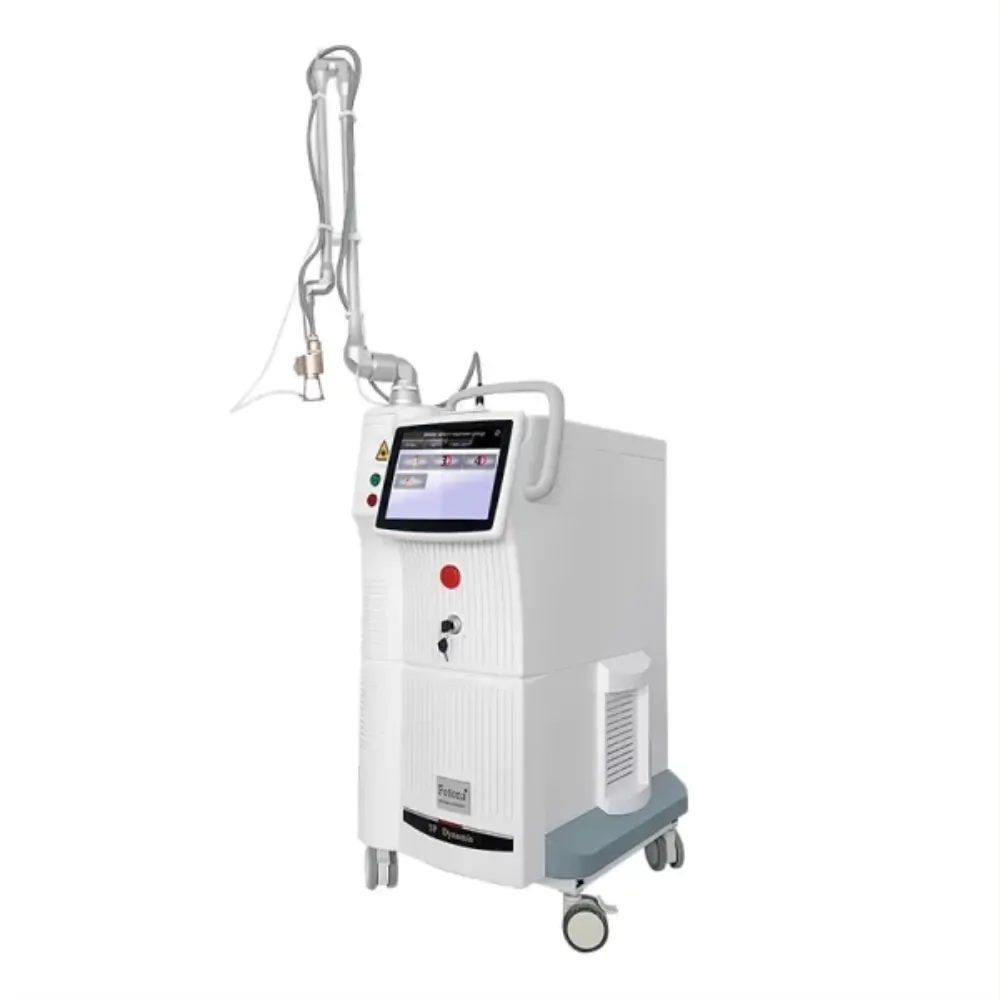
Fractional CO2 is an ablative laser approach: it treats selected small areas rather than the whole surface uniformly. Ablation involves tissue removal, while heat effects also form part of the treatment. The exact device and its documented use still matter.
Keep the RF microneedling vs fractional CO2 laser comparison specific. Ask which RF handpiece and needle design are being discussed and which fractional CO2 platform is the alternative. A broad name leaves gaps. Ask what the system does and how it may be used.
| Question | RF microneedling | Fractional CO2 laser |
|---|---|---|
| What delivers energy? | Needle electrodes and RF energy | Fractional ablative laser delivery |
| What should be named? | Exact device, handpiece, and matching tips | Exact platform, delivery parts, and stated uses |
| What should not be assumed? | No surface injury or no risk | Every fractional laser works like this one |
In RF microneedling vs fractional CO2 laser, fractional describes a pattern. It does not promise mild recovery. Nonablative fractional laser treatment is a different question from ablative fractional CO2. Fraxel is a brand name, so ask which platform is meant rather than using it as a synonym for CO2.
Comparing LufenBeauty equipment? Request exact-model RF and CO2 documents. Share the intended clinic use with your clinical lead, then ask for the records useful to the proposed systems.
Illustrative scenario: A buyer brings a Fraxel comparison to an equipment meeting. The clinical lead notices that it discusses a nonablative laser, while the quote concerns fractional CO2. The team corrects the comparison before discussing recovery or staff needs.
A 2023 randomized split-face trial by Hendel and colleagues compared ablative fractional CO2 with microneedle RF in 15 patients with acne scars. After one treatment, both produced a median one-point improvement in scar texture at three months on a 0–10 scale. Early redness and loss of skin integrity were more marked with the laser.
Pain told a different story: reported visual analogue scale scores were 7.0 for RF and 5.5 for the laser. These findings describe that small trial and its procedures. They do not establish that every RF treatment is more painful or that the two approaches are equivalent over a full course.
A 2026 exploratory split-face trial by Li and colleagues, published online on June 18, enrolled 33 patients; 30 completed it. The study used three sessions at eight-week intervals. Those intervals describe its design, not a treatment schedule recommended here.
Mean ECCA acne-scar scores changed from 54.73 to 30.53 with RF and from 53.67 to 31.03 with fractional CO2, without a significant between-treatment difference. The abstract reports shorter recovery-related durations and fewer post-inflammatory hyperpigmentation events with RF. It does not give exact recovery days or pigment-event counts, so those numbers should not be invented.
Label the evidence behind RF microneedling vs fractional CO2 laser. Which patients, concern, device, outcome, and follow-up does it cover? Improvement in a scar score is not the same as complete scar removal.
These results concern depressed acne scars on the face. They do not settle care for every wrinkle, dark mark, or area of loose skin.
A finding of “no significant difference” does not prove the treatments are the same. Sample size, study design, and the chosen outcome affect what can be concluded. These summaries use the published abstracts, not a full review of every protocol detail or adverse-event table.
For an RF microneedling vs fractional CO2 laser review, use a short evidence sheet:
That last column is useful when a sales presentation offers a simple ranking. Ask which RF microneedling vs fractional CO2 laser result supports the claim. Does it apply to your planned service? Leave the clinical review with the clinician in charge.
In an RF microneedling vs fractional CO2 laser discussion, “downtime” can refer to several things. In RF microneedling vs fractional CO2 laser research, a study may measure redness. A patient may mean feeling ready for work or a social event. Those are not the same measure.
Ask the clinical team how it explains recovery for the proposed treatment. Separate early care needs, visible skin changes, follow-up, and the timing of outcome review. Avoid turning a simple chart into a fixed promise about when every patient will look or feel recovered.
For clinic planning, ask who provides aftercare information and who receives concerns after the visit. Include that staff time in the plan. A brief appointment slot does not describe the whole service.
The RF microneedling vs fractional CO2 laser choice cannot be reduced to one comfort score. Procedural pain and the duration of symptoms afterward are different questions. Keep them separate when discussing what patients expect and staff preparation.
If someone describes RF as the less painful option, ask for the study or device-specific basis. The direct trial summarized above is a reason to question a blanket claim. It is not a basis for promising that a particular laser procedure will be comfortable.
Post-inflammatory hyperpigmentation, or PIH, is darkening after inflammation. A finding about PIH in a study is one part of a risk discussion, not proof of safety for every skin tone. Have the clinician assess skin history, the concern being treated, and the proposed device and procedure.
The FDA’s October 2025 RF microneedling safety communication describes reports of serious complications, including burns, scarring, fat loss, disfigurement, and nerve damage. It advises seeking a licensed healthcare provider with useful training and experience and states that these devices should not be used at home. The notice does not supply a complication rate for this comparison.
Your RF microneedling vs fractional CO2 laser review should therefore cover more than pigment alone. Ask the clinical lead which risks need discussion, what patient factors need review, and how concerns will be handled. Do not let a shorter recovery claim replace that conversation.
Illustrative scenario: A clinic team initially compares the options using a single “downtime” row. It then separates visible recovery, procedure discomfort, follow-up needs, and what patients expect. The resulting discussion asks more precise questions without declaring one technology best for everyone.
Before treating RF microneedling vs fractional CO2 laser as a purchase contest, clarify the clinical problem. A rough surface, a depression, a change in color, and loose skin describe different concerns. Have a qualified clinician assess the concern. Don’t rely on a reader’s self-test or a device sales label.
Bring useful treatment history and prior responses into that review. If earlier treatment produced limited change, the next question is why, not simply whether to buy a stronger system. This article does not prescribe another procedure or a sequence of treatments.
For the buyer, the buyer’s task is to translate the clinical team’s needs into document requests. Name the intended service, the proposed equipment, and the open questions. That makes the RF microneedling vs fractional CO2 laser comparison useful without turning it into advice for a patient.
Ask who will operate, oversee, and support the service. Review the device’s instructions for use, stated intended use, and the training needs named by the clinical lead. Check supplier guidance and clinical skills on their own.
For RF microneedling vs fractional CO2 laser, use the RF equipment buying guide for the wider procurement process. In this comparison, focus on the staff, documents, tips and other supplies, and follow-up arrangements required for each proposed system. Record which questions must be resolved before a service launch is considered.
Two treatments showing benefit separately does not establish that using them together is suitable. Timing, patient selection, and the exact procedure need their own clinical evidence and judgment. Do not infer a same-day protocol from a comparison of individual treatments.
If combined treatment comes up during an RF microneedling vs fractional CO2 laser discussion, put it on a separate review list. Ask what evidence concerns that combined use and those devices. Do not use a general “synergy” claim to fill the gap.
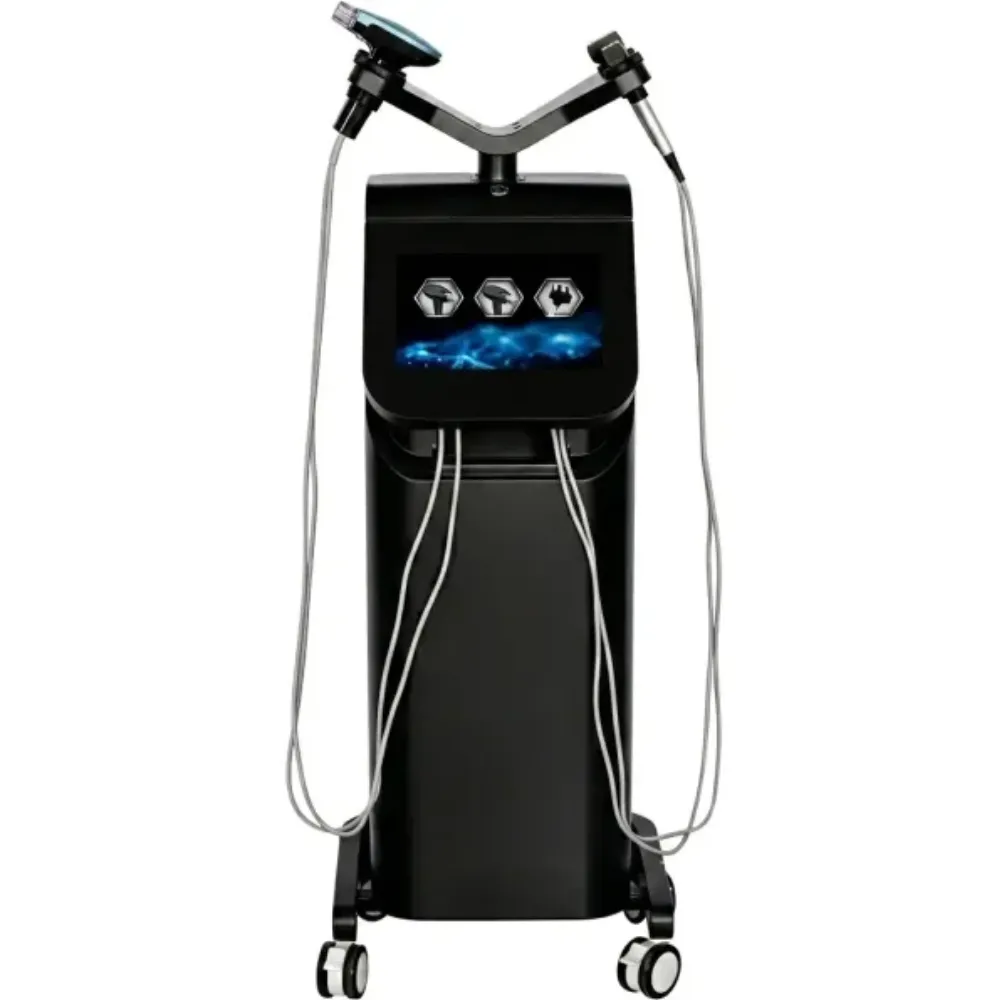
A useful RF microneedling vs fractional CO2 laser quote comparison starts with the same level of detail. Record the console, handpieces, delivery parts, tips and other supplies, installation needs, and guidance included in each offer. Ask separately about maintenance, service, and items that will need repeat orders.
LufenBeauty lists RF microneedling machines and CO2 fractional laser machines. Use those pages to choose the products you want to discuss. Their presence in a catalog does not establish that a model reproduces a trial’s results or has approval for every intended market and use.
Do not judge RF microneedling vs fractional CO2 laser costs by the console price alone. Compare recurring costs and the actual service package, using written quotes. There is no price or profit forecast in this guide because the supplied setup and clinic workflow have not been established.
Keep an RF microneedling vs fractional CO2 laser record file for the proposed models. Request the instructions, market records, matching tips and other supplies, and written support scope. Ask the clinical team in charge to review how those records fit the planned service.
LufenBeauty’s service page describes manuals, video tutorials, and one-to-one online guidance. Ask what applies to the offered equipment. Those statements alone do not establish clinical skills, results in a direct trial, or an approved combined-treatment plan.
Both have shown improvement in the direct studies summarized here. The evidence does not name one universal winner for every scar pattern, device, or patient. Ask a qualified clinician to assess the concern and explain which evidence applies to the proposed treatment.
No. Findings about pigment events in a study do not establish safety across all skin tones and procedures. An RF microneedling vs fractional CO2 laser review needs to consider the patient’s history, the exact device, the clinical plan, and risks beyond PIH.
Do not assume so. Pain during treatment and recovery afterward need separate discussion. Ask the provider what supports the comfort claims for the proposed procedure, and avoid treating a general technology label as a sound prediction of a person’s experience.
No. Fractional CO2 names a fractional ablative laser approach; Fraxel is a brand name requiring model clarification. An RF microneedling vs fractional CO2 laser article should not borrow recovery claims from a nonablative laser comparison without checking what was actually studied.
That is a separate clinical decision. Evidence comparing individual treatments does not itself support combined use, its timing, or its fit for a patient. Ask the clinician in charge about the evidence and risks for the actual plan; this guide gives no combined-treatment plan.
Use itemized quotes for the actual systems and list recurring tips and other supplies, guidance, maintenance, and service costs. Include staffing and follow-up needs in the clinic’s own review. A generic RF microneedling vs fractional CO2 laser price comparison cannot establish total cost or return.
Start with the clinical problem, name the exact technologies, and separate the outcomes that matter. Then ask which evidence supports the proposed use and what staff and follow-up arrangements are needed. Keep open questions visible in the buying file.
Preparing a clinic equipment comparison? Ask LufenBeauty for model-specific documents and quote details. Bring your clinical team’s needs and questions about the supplied packages. Use the response to support a documented RF microneedling vs fractional CO2 laser review rather than a blanket winner claim.