Skin Analysis Software Data Privacy: Clinic Guide
Skin analysis software data privacy starts with knowing where images go, why they are used, who can access them, and how each copy is removed....

Skin analysis machines can give useful, repeatable readings for chosen skin features, but accuracy depends on the model, score, and scan setup. A cosmetic skin scan cannot replace a diagnosis from a qualified clinician.
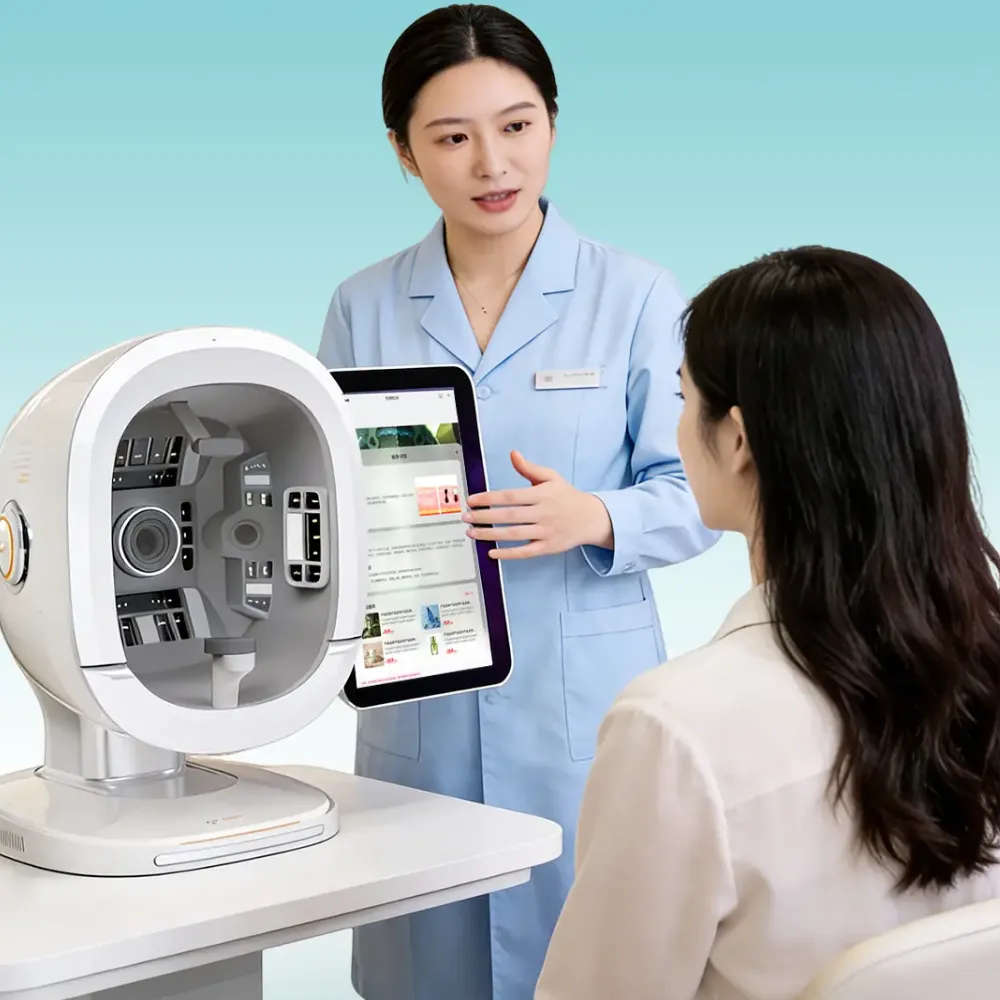
Are skin analysis machines accurate enough to guide your next equipment choice? A report may show red areas, pore counts, and a skin-age score. A clear image helps you explain what you see. The score beside it still needs proof.
For a clinic or med spa, you need more than a screen that looks convincing. You need to know what each score means, how much it varies, and whether the evidence fits the people you serve.
This guide explains what published VISIA studies establish, where their findings stop, and how to test a supplier’s demo. You’ll learn how to read skin analysis results, check repeatability, and separate image findings from product advice. The goal is a choice you can explain to your team and clients. State the limits as clearly as the gains.
Key Takeaways
- Accuracy asks whether a result matches a suitable reference; repeatability asks whether the same setup gives similar results.
- The VISIA studies discussed here involved eight and 19 people; their findings do not validate every analyzer or LufenBeauty model.
- A percentile compares a trait against a reference group. It is not a percentage of damaged skin.
- Consistent skin prep, head position, and score selection matter when comparing visits.
- A local demo can reveal scores that vary, but it cannot replace model-specific validation.
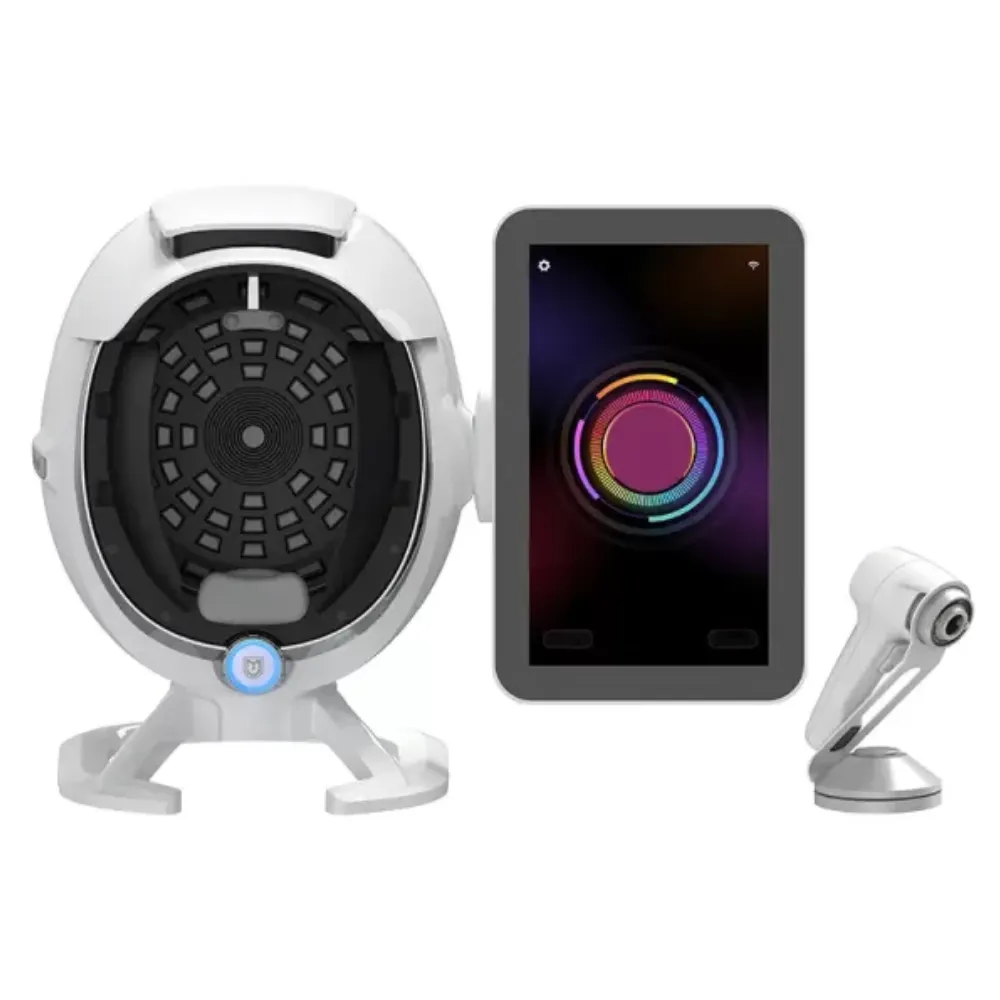
No. A system may measure one trait more reliably than another, and different scores can answer different questions. Skin analysis is most useful when you define the trait, method, and purpose before judging the result. A claim about pore counts does not establish how well the same system measures hydration or wrinkles.
Accuracy concerns closeness to an accepted reference. If a supplier claims to measure a physical property, ask which reference method established that claim. Agreement with a trained observer can be useful, but it isn’t the same test as agreement with a direct physical reading.
Repeatability concerns consistency under the same conditions. A machine could give similar scores each time while still measuring the wrong thing. You need both a stable method and evidence that the output fits its stated purpose.
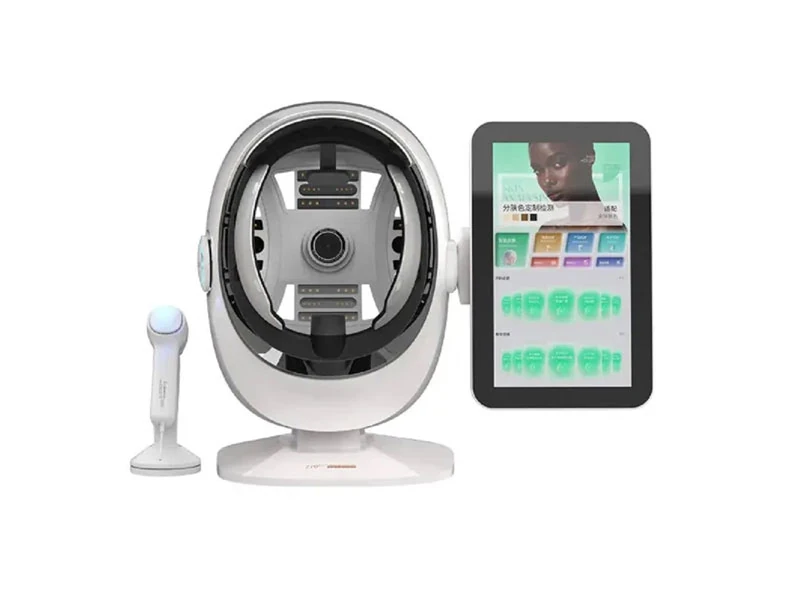
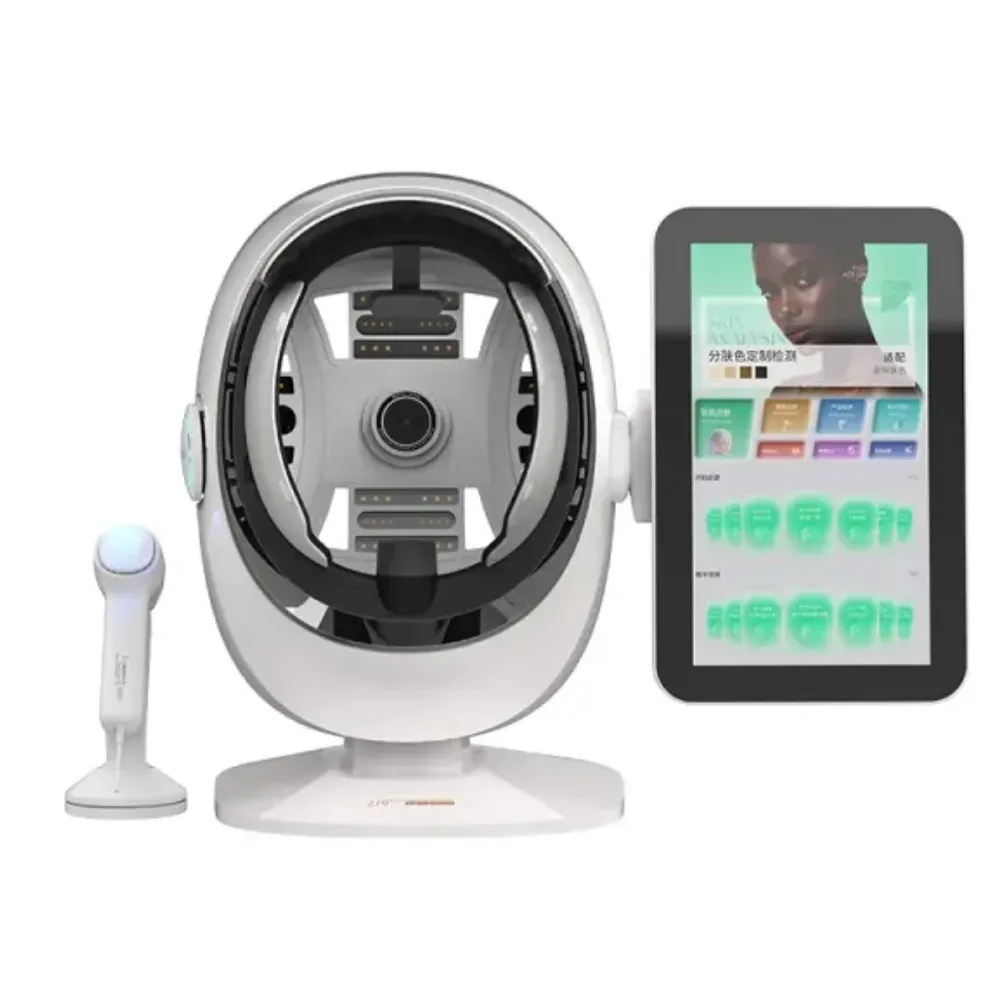
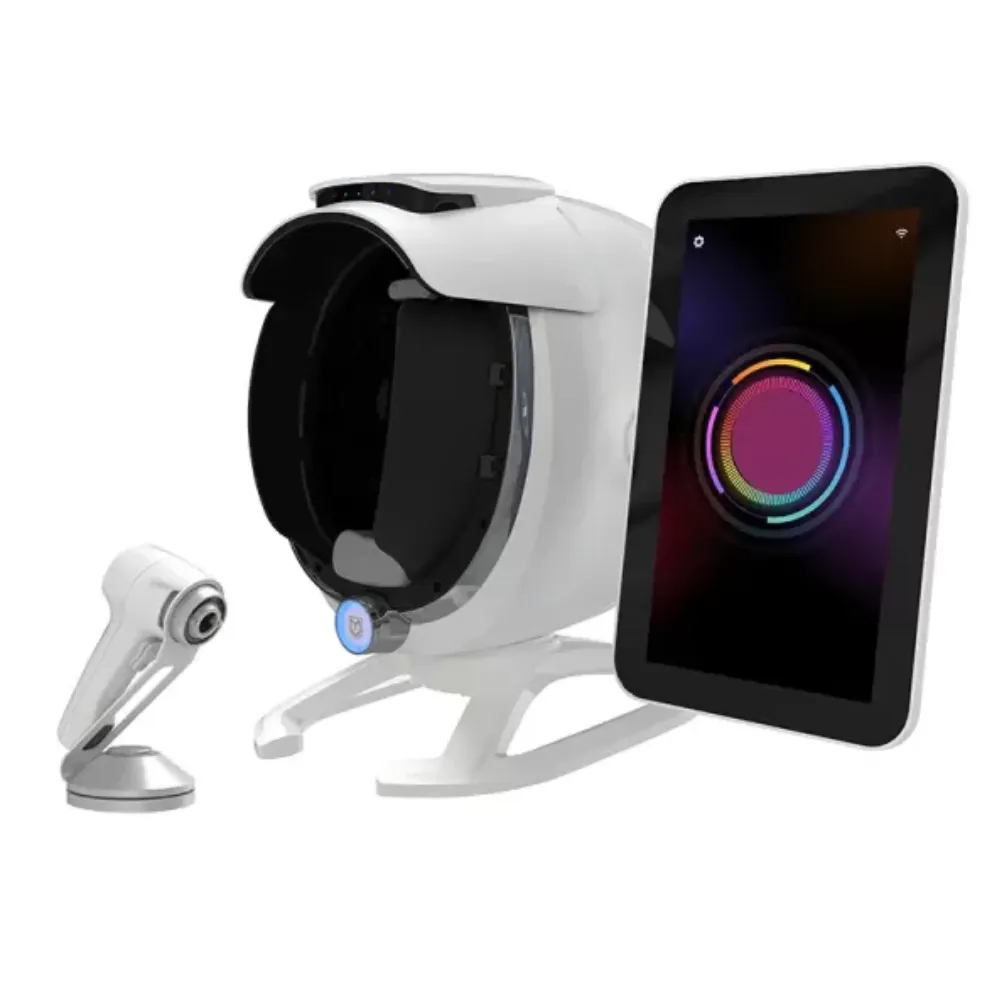
Start with the actual model rather than the label “AI.” Explore the skin-analysis range, then note which readings need supporting documents before you shortlist equipment.
A facial camera records light reflected from, absorbed by, or emitted from skin under its imaging conditions. Software then identifies traits or calculates scores. That process is different from placing a dedicated probe on the skin to measure a given property.
| Report Output | What to Check Before Trusting It |
|---|---|
| Wrinkle or pore score | Trait definition, selected facial area, and reference comparison |
| Pigment or red-area map | Imaging mode, segmentation limits, and review of the original image |
| Hydration or oil label | Direct sensor reading versus an image-based estimate |
| Skin age | Reference group, calculation method, and intended meaning |
| Treatment advice | Clinical assessment and reasoning beyond the software’s suggestion |
These checks keep the accuracy question tied to a measurable claim. More image modes or a higher camera resolution do not, by themselves, establish better skin analyzer accuracy.
Two studies of the VISIA camera system show why a buyer should read the method as closely as the conclusion. They support defined uses of the studied system; they don’t provide one accuracy percentage for all skin analysis machines.
In a 2022 VISIA precision study, Henseler recruited eight volunteers from a plastic surgery clinic’s staff. Each had three facial captures during a session, followed by another session one week later. The method used clean skin, a relaxed face, and a positioning rig.
The study found repeatability that the author judged satisfactory, with variation differing between skin features. Its focus was precision, meaning how closely repeated readings agreed. It did not establish the accuracy of every trait against an independent reference.
That distinction matters when reading supplier literature. A small repeatability study answers a narrow question. Broader claims need tests with more people, staff, skin tones, and work settings. Ask to see those details before applying a finding to your own work.
A 2023 study of VISIA wrinkles and skin age included 19 people, with another capture session four weeks later. Reported variation was about 3% for absolute wrinkle scores and about 9% for percentile scores. These figures describe the studied score formats and method.
They do not mean the system was “97% accurate.” The author could not test wrinkle accuracy against a suitable gold standard, which the study lacked. Better repeatability for one score format doesn’t establish truth about every wrinkle on a face.
The skin-age analysis used actual age in years as its reference. That test does not prove a true biological skin age or tell you how one person will age. A strong relationship across a group can still leave meaningful differences for an individual.
| Study | Main Question | Practical Limit |
|---|---|---|
| Henseler, 2022; eight volunteers | How stable are repeated trait scores? | Small repeatability study, not universal accuracy validation |
| Henseler, 2023; 19 people | How reproducible are wrinkle scores, and how does calculated age compare with actual age in years? | No gold-standard wrinkle test; age comparison has a limited meaning |
Fictional Clinic Example: During a Tuesday equipment demo, Aisha asks for three scans of the same volunteer before discussing product advice. The salesperson shows that the wrinkle percentile changes between captures. Aisha asks to compare the original images and the absolute score instead of choosing the most flattering report. The outcome is a request for a written repeatability method and model-specific evidence, rather than an order based on a single screen.
These published findings concern the systems studied at the time. They cannot prove the same level of performance for a newer version, another brand, or a LufenBeauty model.

Before comparing visits, confirm whether you’re looking at a count, an absolute score, or a percentile. Those outputs are related, but they are not interchangeable. A change in one can have a different meaning from a change in another.
A feature count records how many traits the software identifies in the chosen area. An absolute score can combine traits such as number, size, area, or intensity, depending on the system. A percentile ranks the result within a reference group.
The technical review by Zhang and colleagues, published in a 2024 issue, explains these distinctions and their limits. A percentile depends on the database used for comparison. Check which age, sex, and skin-type groups form that reference, and confirm the direction of the scale.
A low percentile is not a diagnosis. Nor does it mean that the same percentage of a person’s skin is damaged. For follow-up, use the same score type, part of the face, and software method. That keeps the test fair.
The same review describes hair being identified as wrinkles and incomplete identification of diffuse redness. It also notes that cosmetics and sunscreen residues can affect fluorescence images. An overlay needs checking against the original image before you explain it to a client.
Fictional Clinic Example: Mateo prepares two reports for a client’s monthly review. The two reports show a wrinkle score and a percentile for different facial areas. Mateo spots the mismatch and opens the records to compare the same area and score type. They explain why the first pair cannot prove progress, so the client hears no false claim of improvement.
If the software recommends a treatment or cream, ask how that advice follows from the findings. A reading, its meaning, and sales advice are three separate steps. A useful skin analysis report shows how staff reached each decision. The client should be able to ask why.
A changed result can reflect a real skin change, capture variation, or both. Repeatability depends on controlling the parts of the process you can control. When comparing visits, record what changed before deciding that a treatment caused the difference.
Use the exact model’s instructions for skin prep, head position, and operation. Check how long to wait after cleansing. Don’t assume another maker’s method applies to your machine. The goal is to make routine captures as consistent as the method allows.
For each visit, record the lighting setup, facial position, expression, analyzed region, and relevant products on the skin. Note the device and software version as well. If one of these differs, flag the comparison rather than hiding the change behind a neat graph.
The 2024 technical review describes environmental and postural factors that can affect imaging results. This is why a darkened capture booth alone cannot guarantee accuracy. The operator still needs to check the face position, selected region, and original images.
The following is a buyer’s process check, not a clinical validation method. Agree on the exact method and acceptable variation with the supplier before judging results.
This check can show how much the score changes when a person moves or staff use the tool in different ways. It cannot tell you whether a reported score is true without a suitable reference. Repeatability is one part of the purchase evidence, not a substitute for the accuracy evidence.
For ongoing use, agree how failed captures are identified and when they should be repeated. Set follow-up dates to suit the purpose and treatment plan. One schedule will not fit every use. Keep the original data so your team can review a disputed comparison later.
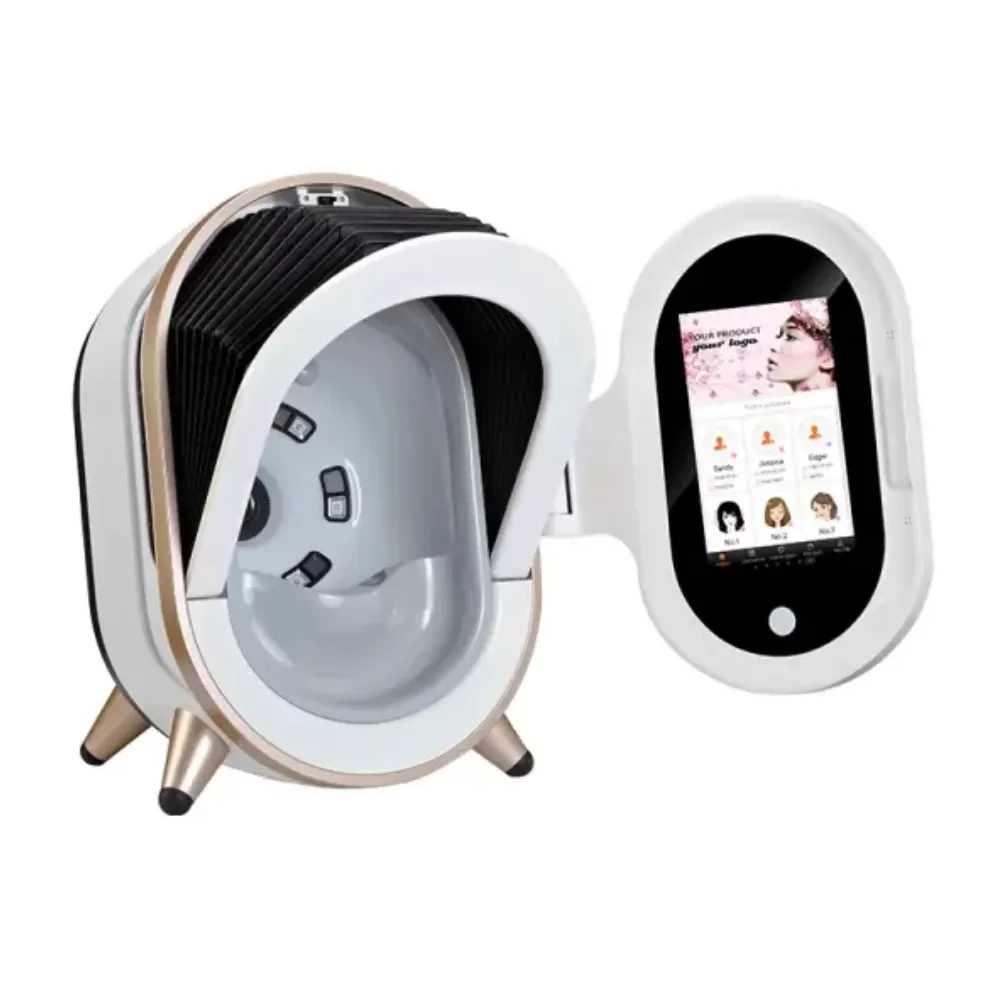
A machine may help you take matched photos, explain skin features, or track a score that has been tested. Whether it fits your clinic depends on the exact claim and the decisions you plan to make with it. Start by writing down that intended use in one sentence.
Request the documents for the model and software version being quoted. A paper about another device can explain a method, but it doesn’t validate the machine on the desk. The evidence should let your team answer these questions:
Ask for the full study rather than a slide with a percentage. If the supplier cannot explain the test method or study group, treat that claim as unproven. An attractive report does not fill an evidence gap.
Ask to export a sample report and its original images. Check who can see client records, where the files are stored, and how to export or delete them. Request written details of training, updates, support, and ongoing software costs for the quoted model.
Plan the handover before buying: Discuss training and support with LufenBeauty, including who will teach capture technique and how your team should report scores that vary.
A useful handover helps each team member scan, read, and explain a report in the same way. If the report will guide medical care, define the qualified clinician’s role. Check the device’s intended use and local rules as well.
Yes. AI can help identify image traits and calculate skin analysis scores within a defined system. How well it works depends on its task, training data, and tests. The AI label alone does not establish accuracy, and software-based advice still needs review in their proper context.
First ask what the report means by “dry” and whether it measured hydration directly or estimated it from images. An oil-related label and a hydration label concern different traits. Review the facial region, skin prep, and method before treating the report as proof that the client’s experience is wrong.
No. It is a calculated output whose meaning depends on the system and its reference data. The 2023 VISIA study compared its age output with actual age in years; that does not make the score a precise measure of biological skin age. Avoid presenting it as a forecast.
You need evidence for the exact system and relevant groups to answer that. Ask how skin tones were represented, how performance was assessed, and whether subgroup results are available. A varied photo gallery or one accuracy figure cannot show that it works equally well for each group.
It can be useful when the report answers a clear question and someone explains its limits. Matched images may support a discussion, while a validated score may support a defined comparison. A report used mainly to sell products deserves questions about the link between findings and advice.
Medical concerns need a different route. The American Academy of Dermatology advises assessment for spots that are new, different, changing, itching, or bleeding. A reassuring cosmetic score should not delay that assessment or be used to rule out cancer.
A good purchase starts with a clear intended use and a claim your team can check. Choose the trait you want to assess, ask for its reference method, and review the evidence for the exact model. Then test whether the capture process works consistently in the way your clinic plans to use it.
Keep repeatability separate from accuracy when discussing results. Compare the same score and facial region over time, inspect original images, and record changes in the capture setup. Explain a percentile as a comparison with a reference group, and keep skin-age labels within their stated limits.
Before ordering, collect the study, sample reports, software details, and written service terms in one file. Give your team a shared procedure for uncertain or failed scans so a confident-looking report never replaces a careful review.
Are skin analysis machines accurate? The useful answer is specific to a model, reading, group, and purpose. Request model documents and pricing from LufenBeauty so you can assess those details before choosing equipment.