Skin Analysis Software Data Privacy: Clinic Guide
Skin analysis software data privacy starts with knowing where images go, why they are used, who can access them, and how each copy is removed....

A skin analysis report shows what an imaging system found in a set of skin photos. To read it, check the photos first, learn what each score means, and ask how results from later visits can be compared.
Could a score that looks bad mean something good? A skin analysis report can cause that confusion when its scale is unclear. A percentile score, a feature count, and a skin assessment note each tell you something different about the record.
For clinic owners and staff, the task is to explain those details in words a client can use. You need to show what the scan found and where its limitations lie. A page filled with colored marks cannot do that on its own.
This guide gives you a clear reading order for a skin analysis report, using published VISIA studies as named examples. You’ll learn how to read the main score types, check photos from repeat visits, and test a sample report before you buy a system. The aim is a better discussion, with each interpretation tied to what the record can show.
Key Takeaways
- A percentile score shows standing within a system’s reference group, not the percentage of damaged skin.
- A feature count tallies detected items; the studied VISIA absolute score also takes account of size, area, and intensity.
- Repeat photos need matching views and settings before you draw conclusions from a score change.
- A cosmetic skin analysis report cannot rule out a skin disease or replace a medical diagnosis.
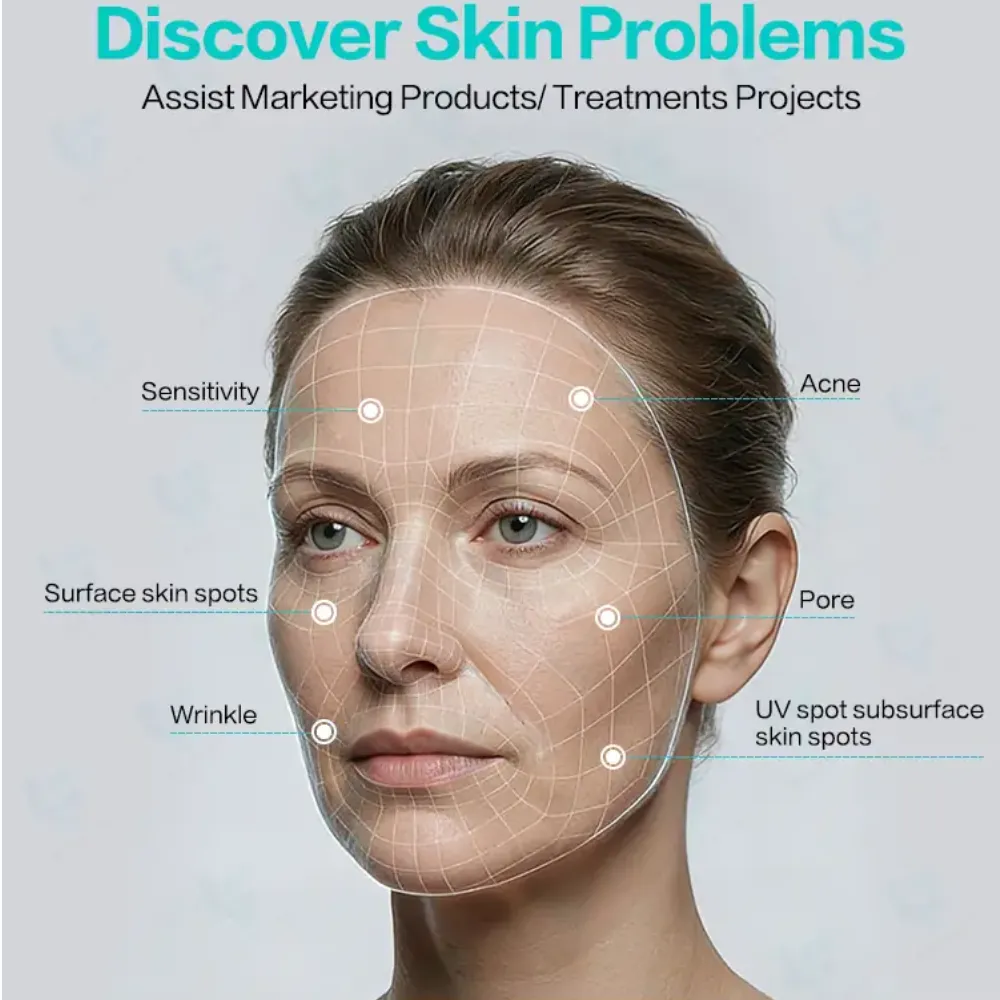
A useful skin analysis report links each score to a photo and gives the score a clear name. Treat it as part of a skin assessment that also takes account of the client’s concerns. Start with the record before you discuss care or cost.
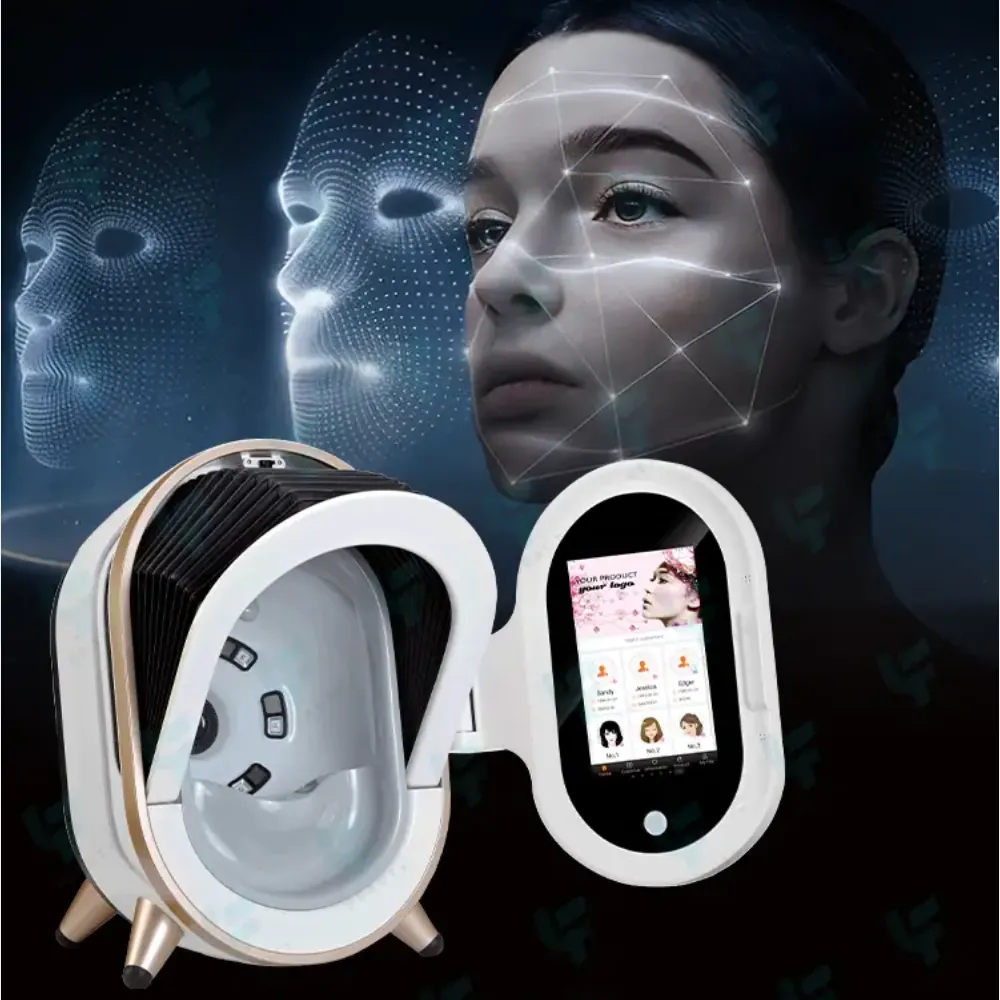
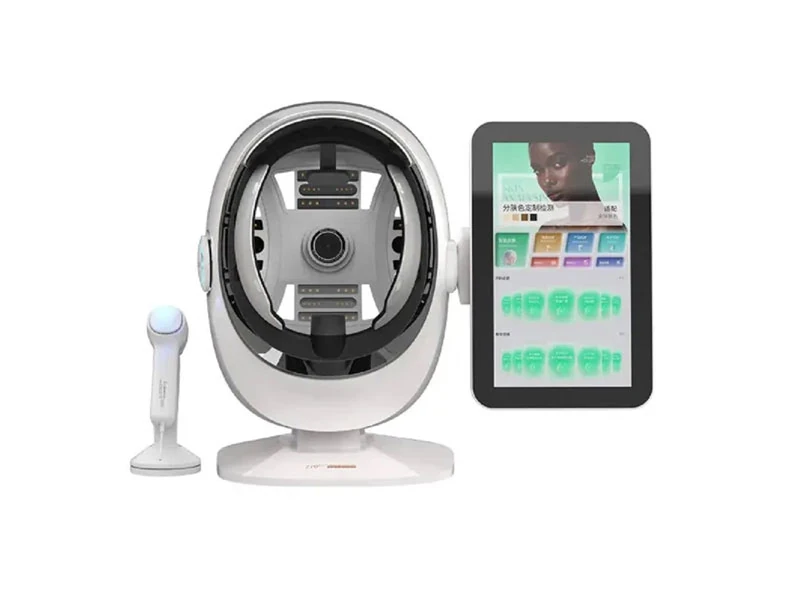
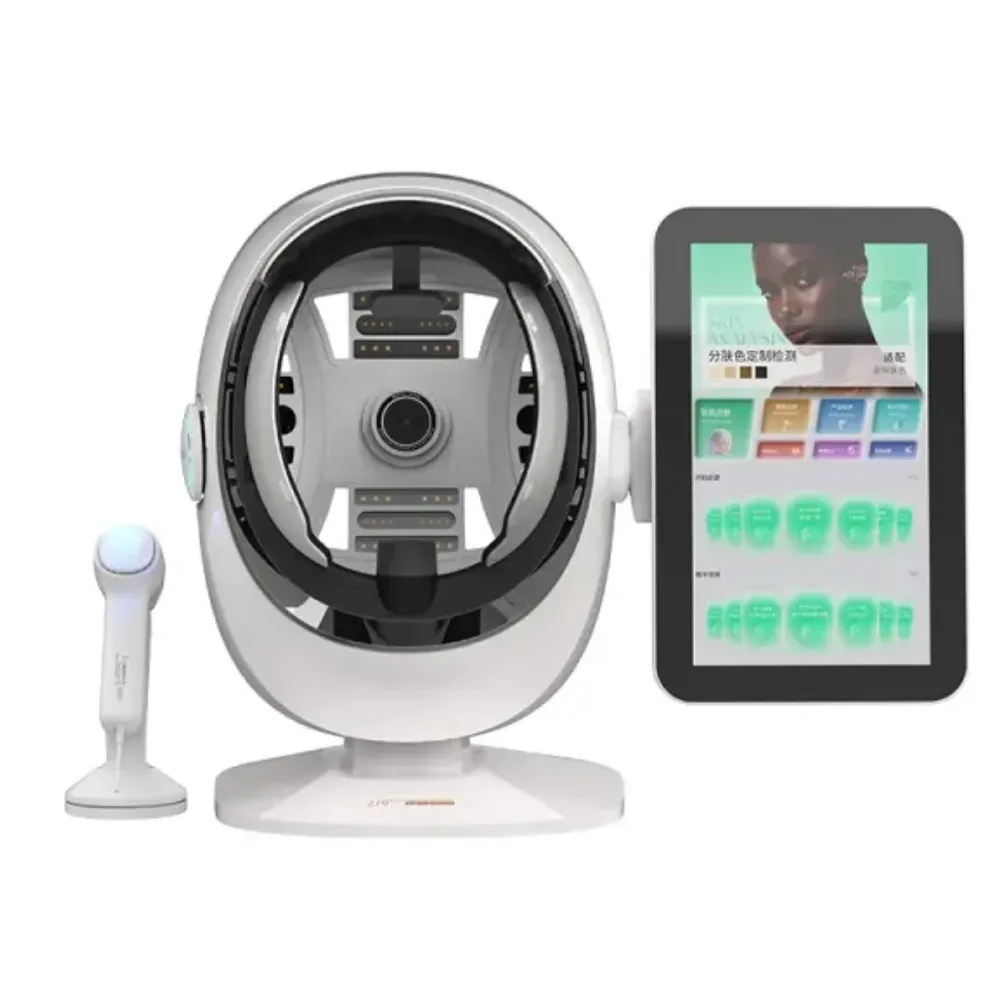
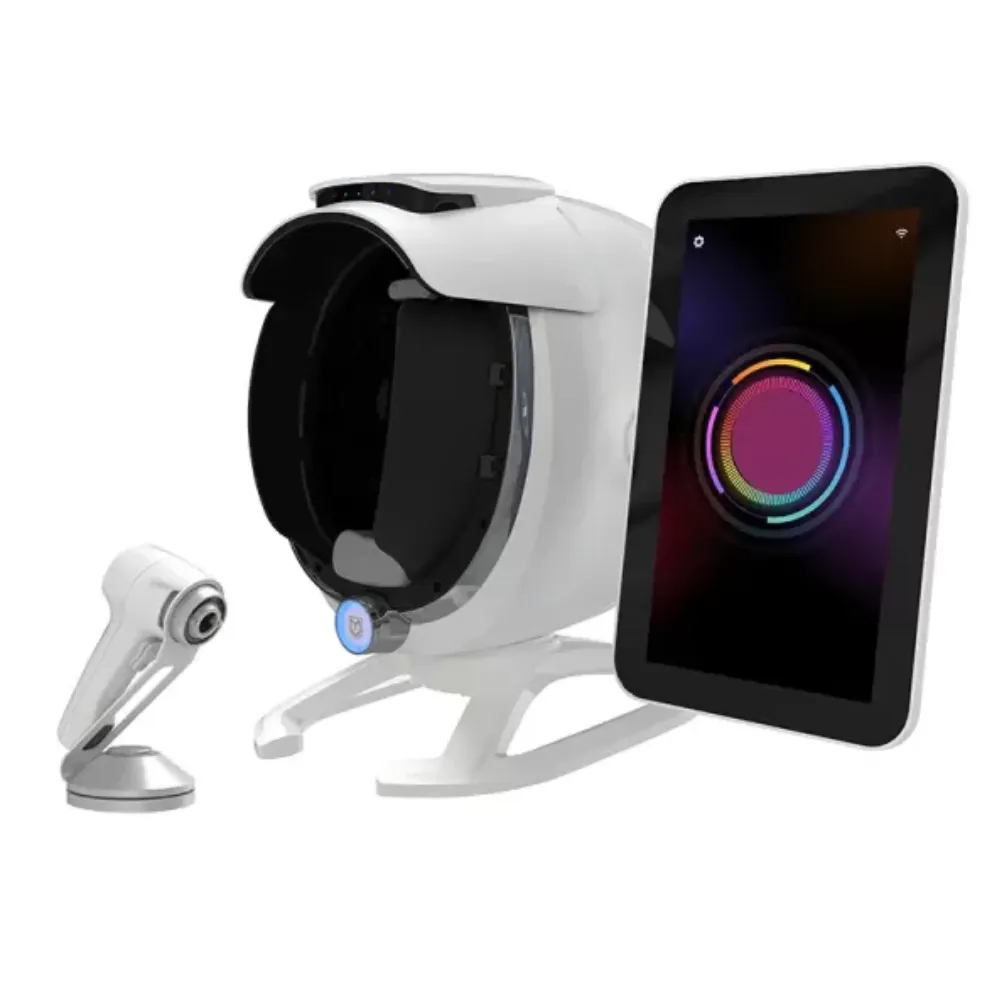
To see the category offered by LufenBeauty, Explore the skin-analysis equipment range. Use this guide to ask about the output from the exact model you may buy.
Confirm the client identifier, capture date, device model, and software version where these are shown. Next, look at which part of the face the software analyzed. A left-cheek score and a whole-face score describe different regions and should not be treated as equivalent measurements.
Ask the operator to show the original image beside the marked version. Can they point to the part that was scored and any part left out? Find out whether those details stay in the saved record if they are missing from the printout.
During a skin assessment, keep what you can see distinct from what you may suspect. Follow the model’s guide for skin preparation and note recent product use when relevant. An ordinary photo does not, by itself, prove a measured water level in the skin.
Canfield’s VISIA description names eight groups: spots, wrinkles, texture, pores, UV spots, brown spots, red areas, and porphyrins. These are features of a named system. Other brands and models may use other groups or define the same label in their own way.
Ask what each colored mark means. Red might be a display color, so check the key before you explain it to a client. A colored patch alone does not prove why the skin looks red or name a disease.
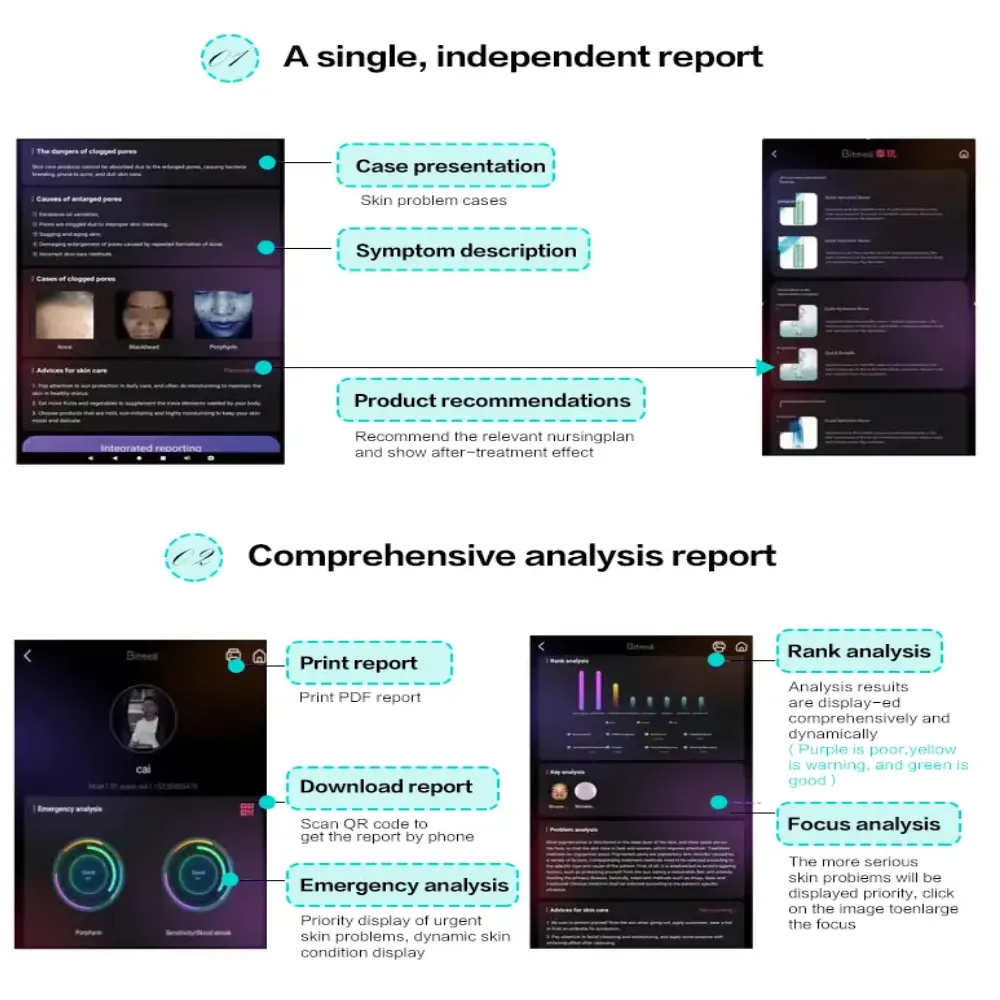
For each line in a skin analysis report, ask what was found, where it was found, and how it was scored. A feature count and a percentile score can help with the last question. Keep both tied to the photo and the wider skin assessment.
The label beside a measurement tells you how to read it, since a skin analysis report may show several values for one feature. Before you call a result better or worse, find out what that value measures and which way its scale runs.
Helga Henseler’s 2022 measurement study describes three VISIA score types. One compares a person with a reference group, one counts detected items, and one takes size, area, and intensity into account. Use these definitions for that system; ask for the measurement definitions when reading another brand’s output.
| Measure in the Studied VISIA System | What It Means | How to Read It |
|---|---|---|
| Percentile score | Standing against people with similar skin traits | Higher meant improvement in this study; it is not the percentage of damaged skin. |
| Feature count | Number of items detected for a given feature | Lower meant improvement; it does not describe each item’s size or intensity. |
| Absolute score | A value based on size, area, and intensity | Lower meant improvement; use the system’s own scale and matching views. |
A percentile score gives a place within a reference group. A result at the 70th percentile does not mean that 70% of the face is healthy. Ask which population forms the reference group and how the system selects the people used for that comparison.
A feature count answers a simple question: how many items did the software detect? It need not count every pore or mark on the face. Check the selected region and the detection rules before you use a feature count to explain what has changed.
An absolute score can describe aspects that a simple count misses. Two scans could share a feature count yet show marks that differ in size or intensity. Keep the score name beside the value in the skin analysis report so the reader knows which measure they are seeing.
Fictional buyer example: Priya runs a clinic and sees a sample skin analysis report with a percentile score of 70. A colleague reads this as “70% damage” and suggests a treatment package. Priya asks what the score means before discussing care.
The demonstrator explains the reference group and the direction of the scale. Priya notes the definition, checks the source photo, and leaves the care decision for a proper consultation. The result is a corrected interpretation; this is a fictional example, with no claim about a real client’s treatment outcome.
The same rule applies at a later visit. A percentile score that moves from 40 to 60 has risen by 20 percentile points. It does not prove a 20% gain in skin health, and the skin assessment still needs matching photos and the same measure.
Do not add a percentile score for texture to a feature count for spots to make a health grade. Ask whether the maker defines such a combined score. If not, the sum gives the skin analysis report an interpretation its values did not support.
A follow-up skin analysis report needs a fair starting point. Check that staff used the same view and followed the same capture steps. If the setup changed, note that before you interpret a difference in the results.
For each skin assessment, keep the details that let another trained staff member repeat the scan. Use the guide for the model you have, since this checklist is not an operating manual. Review these points before you save the record:
Do not invent a fixed wait after cleansing or choose your own exposure settings to make two scans look alike. Ask the manufacturer which steps to follow and when staff should retake a photo. Record a poor capture as a capture problem rather than a change in skin.
Review LufenBeauty’s service information and ask which training and manuals apply to your chosen model. Include how to repeat a scan and explain the skin analysis report. Confirm the scope and terms in writing before you rely on that support.
A lower feature count does not establish that a treatment caused an improvement. Ask how much results can change when the same person is scanned under similar conditions. Then review the photos, the client’s experience, and other changes between the visits.
Henseler’s measurement study involved 19 women, before and three months after a skincare routine. It looked at links between score types and views of the face. Links between those measures do not prove the routine caused a benefit or validate a different brand of machine.
A second 2022 VISIA precision study involved eight volunteers. Staff took three captures per session and repeated the session one week later. Results varied by feature, so this small study does not set one threshold for a meaningful change in every skin assessment.
Ask for repeatability evidence for the model, software, and clients you plan to serve. Check how the reference group affects a percentile score and which detection rules affect a feature count. A small numerical change needs context before you call it a care result.
If the two visits cannot be fairly compared, state that limit in the skin analysis report. Agree on a next review with the responsible practitioner. The time between visits in a study is not a fixed schedule for your clients.
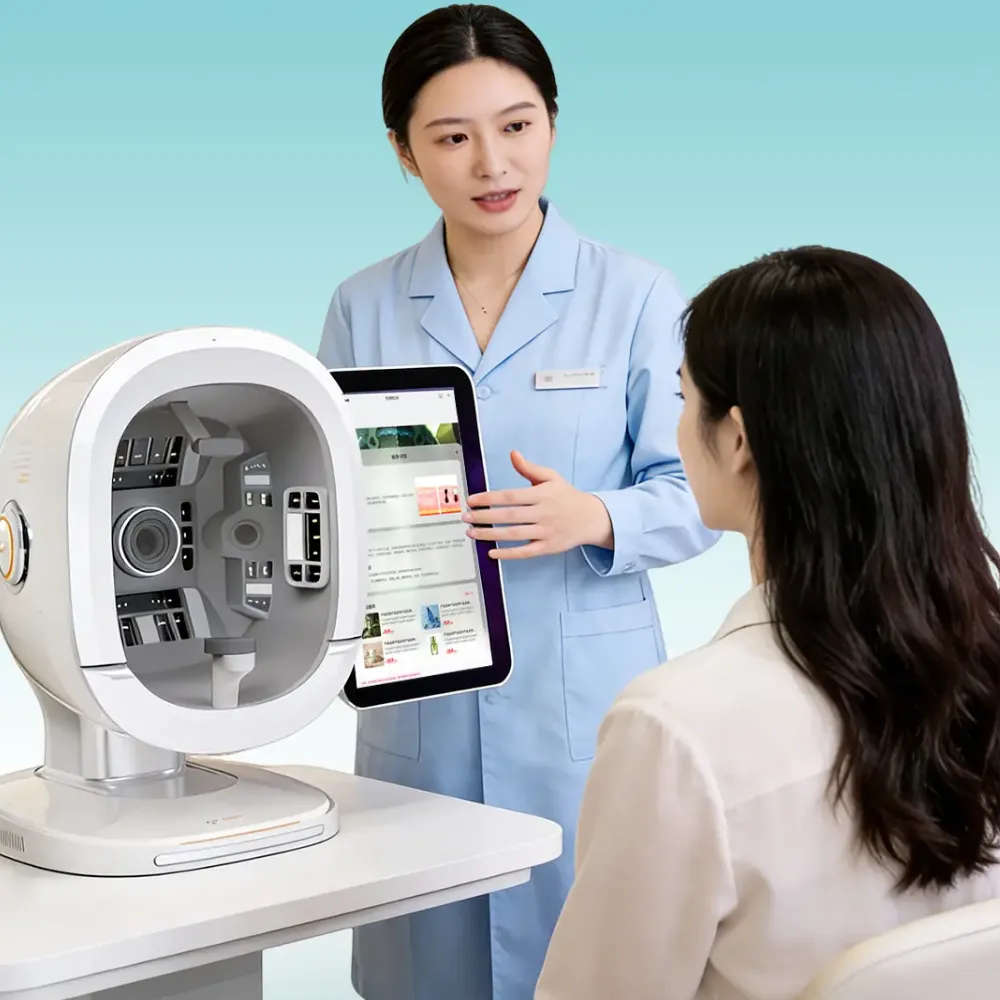
A skin analysis report should help staff explain what they found and which questions remain. Start with the client’s goals, then use the record to support the discussion. Keep clear notes when a score does not answer the question being asked.
Ask what the client wants to learn from the skin assessment. Choose the photo that relates to that concern and explain its score in plain words. Use a percentile score when the group comparison adds something useful to the discussion.
For a feature being tracked, explain why a feature count or another named measure fits the task. Keep the observation, the client’s concern, and the reason for a proposed next step distinct. A software product suggestion alone does not prove the client needs that product.
A cosmetic skin analysis report must not delay medical care. The American Academy of Dermatology’s self-exam guidance advises seeing a board-certified dermatologist for a spot that differs from others, changes, itches, or bleeds. Good scores on other parts of the face cannot clear that concern.
Fictional buyer example: Daniel is choosing a system for a new med spa and reviews two sample files. One skin analysis report has striking graphics but leaves the measurement labels out of the export. The other lets the demonstrator trace a feature count to the chosen part of a photo.
Daniel asks both suppliers to repeat a scan and show which details the export retains. He lists the gaps and holds the purchase decision until he has the written documentation. This fictional story shows a way to check a report; it does not prove that either machine is more accurate.
Ask the supplier to show a full skin assessment from start to finish. Have staff save a record, find it again, and explain it as they would to a client. Use these questions to check the process:
For LufenBeauty options, request a model-specific report demonstration and ask which samples are available. Bring the checklist to focus the discussion on your clinic’s needs. Confirm the features and terms before you build them into your purchase plan.
A skin analysis report may include skin photos, marked features, scores, and consultation notes. What you receive depends on the system and package. Check that each measurement has a label and a link to its source photo, so another staff member can understand the basis of the skin assessment.
A higher percentile score meant improvement in the VISIA study discussed here. Check the scale for the system and feature you are reading. A percentile score is a place within a reference group, not a measure of how much skin is damaged or how much a treatment helped.
A cosmetic skin analysis report does not establish a medical diagnosis. Photo labels and a feature count can help explain findings, but they do not prove a disease or its cause. A worrying spot or symptom needs the right clinical assessment, even if other scores look good.
Repeat a skin assessment when the responsible practitioner considers it useful for the client’s needs and goals. The studies cited here do not set one interval for all clients. Agree on what you want to track and how staff will compare the follow-up measurements with the baseline.
Do not assume that two machines use the same scales. They may use different capture methods, detection rules, and reference populations. Even a feature count with the same name needs a documented method of comparison before you can treat it as one record across systems.
A useful skin analysis report gives staff a record they can explain with the client. Check the photos and capture details first, then read the labels beside the scores. Keep a percentile score distinct from a count or absolute value, and ask for the scale when a number is unclear.
At repeat visits, review how the scan was taken before you discuss what changed. Match the views, retain the source photos, and ask how much the results may vary. The skin assessment still needs the client’s concerns and the practitioner’s judgment, with medical referral when the concern calls for it.
Before you choose equipment, list the questions your staff must answer in a real consultation. Ask the supplier to work through them using a sample, and document each limitation that needs written clarification. Use that checklist in your next supplier discussion to assess what the system can do. Make your next decision from the skin analysis report and the wider consultation, with any limits clearly recorded.