Skin Analysis Software Data Privacy: Clinic Guide
Skin analysis software data privacy starts with knowing where images go, why they are used, who can access them, and how each copy is removed....

Calculate RF microneedling machine ROI from net session income after session costs, monthly expenses, and the upfront outlay. Then test whether plausible paid-session volumes can support the return you need.
A busy booking list can still leave an equipment purchase short of its target. Discounts, staff time, consumables, and a slow launch can change the result. A useful model makes those inputs visible before a sales forecast becomes a buying decision.
This guide separates revenue, contribution, break-even volume, payback, and period return. You can use its worked example to structure your own cost sheet, then replace every assumption with a quote or evidence from your clinic.
Key Takeaways
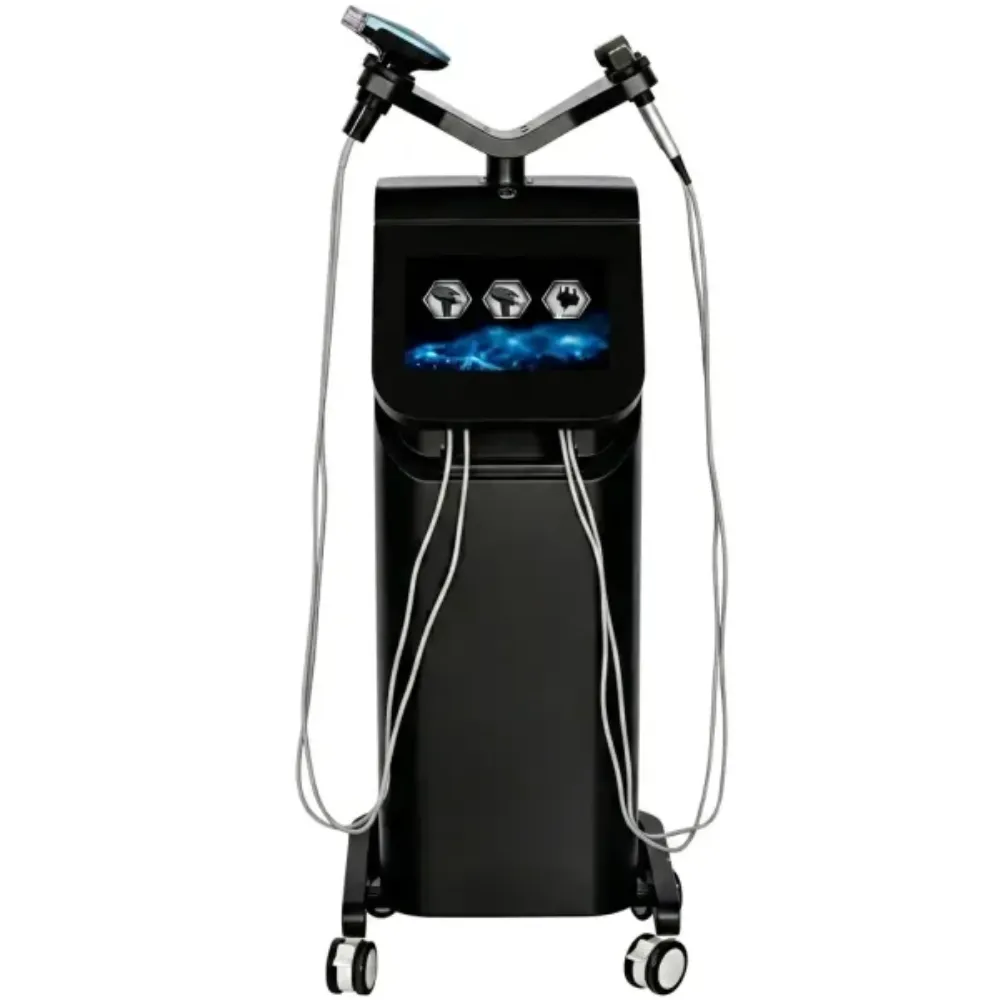
Start your RF microneedling machine ROI model with net collected revenue. Allocate package discounts to the sessions they cover, and account for refunds without subtracting the same refund twice. State whether taxes collected for authorities are excluded from revenue.
Next, deduct variable session costs. These are costs linked to each completed session, such as the cartridge, other consumables, and staff time. The amount remaining is contribution toward monthly costs and the investment.
Contribution is not automatically net profit. A figure labeled “profit per treatment” may still exclude rent, marketing, equipment service, financing, or tax. Ask what has been deducted before comparing it with another figure.
Use three separate measures in an RF microneedling machine ROI review:
| Measure | Question answered |
|---|---|
| Operating break-even volume | How many paid sessions cover the monthly costs included in this model? |
| Simple payback | How long does positive operating cash contribution take to recover the upfront outlay? |
| Period cash return | After recovering the upfront outlay, what cash gain or loss remains over the chosen period? |
The SBA’s break-even guidance calculates unit break-even as fixed costs divided by price minus variable cost per unit. It treats the analysis as an estimate. Applied here, the unit is a completed paid session, and the costs must use the same period.
Considering a LufenBeauty model? Request an itemized equipment quote, including the proposed setup, compatible consumables, and support scope. Those details give your RF microneedling machine ROI sheet a clearer cost basis.
Illustrative scenario: A clinic buyer receives a revenue projection based on the menu price. The manager adds staff time and the package discount, then asks which monthly costs remain outside the table. The team reviews the revised model before discussing a return target.
Use the RF equipment buying guide to identify the offered package. Record the console, handpieces, included items, shipping, import costs that apply, installation, and any training charges. Ask which amounts are included and which require another quote.
Your RF microneedling machine ROI model should separate launch spending from ongoing expenses. Initial stock may need cash before the first booking, while later purchases follow usage. Record stock purchases in the cash-flow schedule and avoid deducting the same inventory twice.
Put a source and date beside each RF microneedling machine ROI input. Use a current written quote. Don’t rely on a verbal estimate or an old spreadsheet. Mark missing amounts as open questions rather than entering zero to make the model balance.
Include the compatible cartridge, other required consumables, payment fees, and staff time. Define whether staff cost includes preparation, records, and room turnover as well as the appointment itself. Use the clinic’s actual workflow and pay basis.
The FDA’s microneedling device information tells providers not to reuse microneedling cartridges. Your budget should follow the device instructions and single-use rules. Do not improve RF microneedling machine ROI on paper by assuming used cartridges can be cleaned for another session.
When comparing professional RF microneedling machines, request consumable details for the exact model. Check compatibility, pack quantity, shipping, and ordering terms. A low console price alone cannot answer the recurring-cost question.
List new monthly costs caused by adding the service. These might include new marketing or a service agreement. Then create a separate view that allocates a share of existing clinic overhead. Label which view you use when discussing profitability.
Existing rent may not increase when you add a device, but the room and staff may have other uses. Consider what the clinic gives up by assigning that capacity to the new service. Do not count that opportunity cost again as a cash expense unless cash actually changes hands.
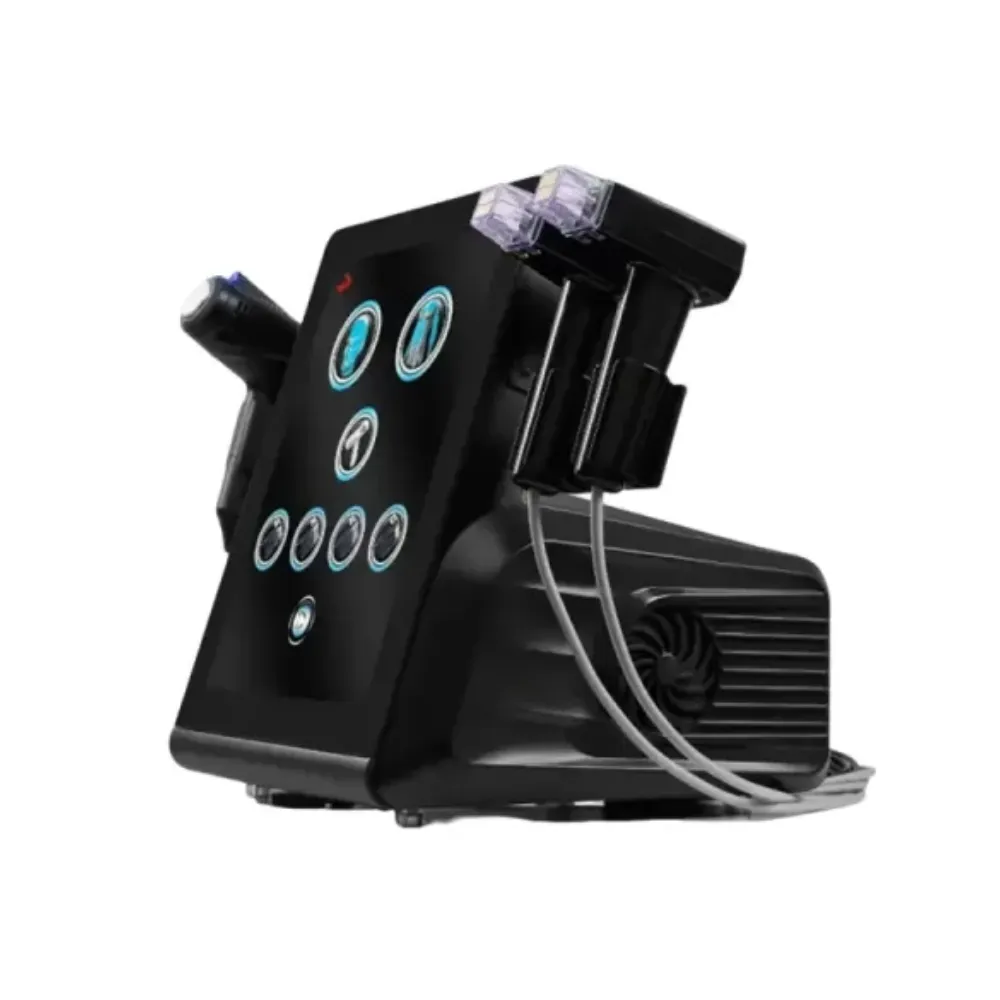
The following numbers are example inputs in USD, not LufenBeauty prices, market averages, or a clinic case study. They show how the model works. Replace every amount before using the sheet for a purchase decision.
| Input | Symbol | Example value |
|---|---|---|
| Equipment and launch outlay | I | $20,000 |
| Net collected revenue per session | P | $400 |
| Variable cost per session | V | $150 |
| Monthly added fixed operating costs | F | $1,000 |
| Completed paid sessions per month | Q | Varies below |
Contribution per session is P minus V: 400 minus 150 equals 250. Monthly operating cash contribution in this simplified model is Q multiplied by 250, minus $1,000. This is before financing and tax and excludes depreciation and residual value.
Keep those exclusions beside the RF microneedling machine ROI model. They explain what the output means and what it does not include. Do not call the result audited net profit.
Monthly operating break-even is 1,000 divided by250, or four sessions. At that volume, the model covers the stated monthly operating costs but generates nothing toward the $20,000 upfront outlay.
| Completed paid sessions/month | Monthly revenue | Monthly operating cash contribution | Simple payback at constant volume |
|---|---|---|---|
| 4 | $1,600 | $0 | No finite payback |
| 12 | $4,800 | $2,000 | 10 months |
| 20 | $8,000 | $4,000 | 5 months |
These are scenario results, not promised outcomes. Simple payback divides the upfront outlay by a positive monthly contribution that stays the same. When monthly contribution is zero or negative, that formula does not produce a finite payback period.
An RF microneedling machine ROI sheet should round required whole-session volume upward when the break-even result is a fraction. If contribution per session is zero or negative and fixed costs are positive, extra volume cannot cover them within this model. Recheck pricing and costs instead of presenting an impossible target.
For this example, define 12-month simple project cash return as total operating cash contribution over 12 months, less upfront outlay, divided by upfront outlay. At 12 sessions monthly, it is (24,000 minus 24,000 minus 20,000)divided by 20,000, or 2048,000 minus 20,000 divided by 20,000, or 140%.
Both results assume the stated volume from the first month. They exclude financing, tax, residual value, and the time value of money. They are not an internal rate of return or an accounting return on depreciated assets.
Build RF microneedling machine ROI around completed paid activity, not the number of inquiries or available appointment slots. Separate bookings, cancellations, attendance, and paid sessions. A treatment series can contain several sessions for the same patient.
Use local evidence to support the volume assumption. Existing service records, actual inquiries, and the clinic’s staffing plan are more useful inputs than a national market-growth headline. Record what supports the assumption and what still needs testing.
Capacity is a ceiling, not proof of demand. Ask whether the room, trained staff, and admin time are available without displacing another service. Keep clinical suitability and treatment decisions with the responsible clinical team.
Start by reducing volume while holding other assumptions constant. Then test a lower net collected fee or a higher variable cost. This makes it easier to see which change is driving the RF microneedling machine ROI result.
For example, keep the illustrative variable cost at 150 and 1,000 fixed cost but reduce net revenue to 350. Contribution becomes 200 per session. At 12 sessions, monthly contribution falls to $1,400, and simple payback becomes about 14.3 months at constant volume.
Next, combine less favorable inputs rather than testing each only in isolation. Label the resulting case as a stress test. Do not call a scenario “conservative” unless its inputs have a sound basis for your clinic.
Use a monthly cash table for RF microneedling machine ROI when demand builds slowly. Carry forward the unrecovered upfront outlay, add the month’s cash contribution, and record any further spending. The month when cumulative cash first reaches zero is the modeled cash payback point.
Add a service-gap case to the RF microneedling machine ROI plan. Reduce the sessions actually delivered and retain costs that still fall due. Add a quoted repair or freight cost only when it applies, rather than inventing a standard downtime charge.
Illustrative scenario: A buyer’s first spreadsheet assumes stable bookings immediately. The manager replaces it with a launch schedule that builds over time and adds a service-gap case. The team then checks the cash needed before the model reaches payback.
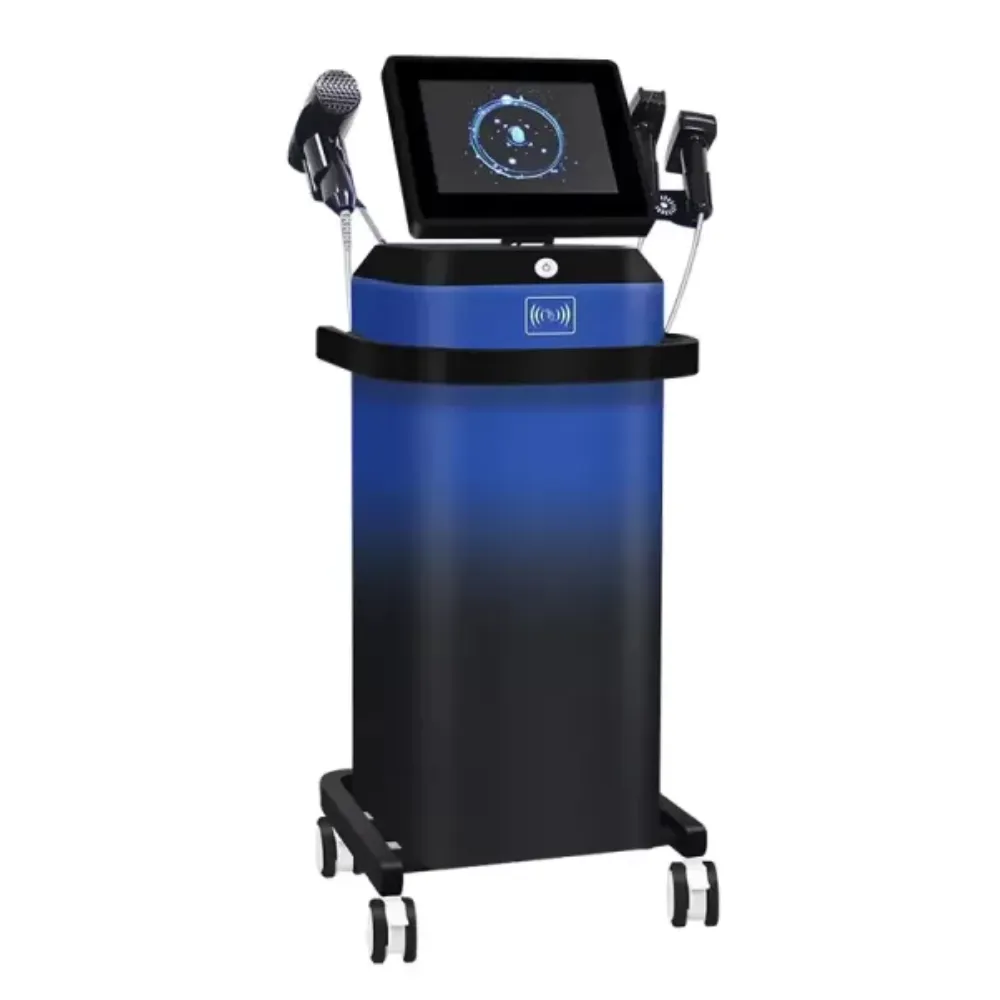
First compare RF microneedling machine ROI on the same project basis. Then model the funding plan. Financing changes payment timing and introduces its own costs; it does not create bookings or remove the need for positive contribution.
In the borrowing cash-flow view, enter the down payment, actual repayments, fees, and any final payment. Track outstanding debt at the comparison date. Do not deduct the full financed purchase cost upfront and then deduct the same loan principal again through repayments.
Ask your accountant to review the RF microneedling machine ROI basis before comparing a cash purchase with a loan or lease. Ask about tax, interest, depreciation, and who owns the device. Include any value left at the end of the period. A smaller monthly payment alone is not a complete investment result.
For the fractional RF microneedling model under discussion, request the exact package and recurring-cost details. Ask about the supplied handpieces, compatible consumables, training scope, and service arrangements. Keep unknown costs open in the RF microneedling machine ROI worksheet.
LufenBeauty’s service page describes manuals, video tutorials, one-to-one online guidance, a three-year device warranty, and a six-month accessory warranty. Confirm the terms for the offered system. Those public statements do not establish zero maintenance cost or a guaranteed repair time.
Illustrative scenario: Two quotes include different starter stocks and support scopes. The buyer creates a common list and asks each supplier to price the same needs. Only then does the clinic compare RF microneedling machine ROI using consistent inputs.
There is no single target that fits every clinic and funding plan. Define the return period, costs, cash needs, and risk you can accept. Compare the purchase with other uses of the same funds and staff capacity, using the same basis.
Divide the monthly fixed costs included in your model by contribution per session, then round upward to a whole session. That answers operating break-even. Recovering the equipment and launch outlay requires more positive contribution over time.
No. Revenue must still cover session costs and the other expenses included in the business. An RF microneedling machine ROI model that uses menu-price revenue without costs does not show profit or capital recovery.
It can change cash timing and the amount paid upfront, while adding costs and duties. Compare the full payment schedule and debt remaining at your chosen date. Do not compare a project return with an equity return as though they were the same measure.
Use a separate case with fewer completed sessions, the fixed costs still payable, and any relevant quoted service costs. Review the timing of payments and refunds separately. A support-availability statement is not evidence that downtime will last a specific number of days.
No. Treat a supplier projection as a set of inputs to inspect, not proof of your clinic’s outcome. Replace pricing, demand, staffing, and cost assumptions with your own evidence before using RF microneedling machine ROI to support a purchase.
Gather the written equipment quote, recurring-cost details, local pricing evidence, and a realistic staffing plan. Compare a base case with lower-volume and slower-launch cases. Keep the return definition and all excluded costs visible beside the result.
Ready to clarify the equipment inputs? Ask LufenBeauty for an itemized model-specific quote. Bring your proposed setup and questions about consumables, guidance, and service terms. Use the answers to improve your own RF microneedling machine ROI model, with financial review suited to your clinic.