RF Microneedling Machine Maintenance: Service and Downtime Planning
Start RF microneedling machine maintenance with the instructions for your exact model. Separate care that trained operators may perform from technical work assigned to the...

Bipolar vs monopolar RF microneedling describes different electrode layouts and current-return paths. The labels alone do not show which machine is safer, more effective, or right for a specific patient.
Two quotes may use the same mode names while leaving out the details that matter. Which tip supports each mode? What do the output figures measure? Does a feedback feature only report a value, or does it change energy delivery?
If you are reviewing bipolar vs monopolar RF microneedling for a clinic or supply business, start with the complete system. This guide explains the terms, separates design claims from clinical evidence, and gives you a supplier checklist. You’ll be able to compare supported features and name the documents still needed.
Key Takeaways
RF means radiofrequency. Surface RF and RF microneedling differ in how the device delivers that energy. Monopolar and bipolar refer to the electrode arrangement and current path, so these terms answer a separate question.
A useful bipolar vs monopolar RF microneedling review starts by checking that both products are needle-based systems. A surface-RF review cannot by itself show what happens with a needle array in tissue. Keep that distinction on your review sheet.
The FDA-hosted Potenza K201685 document describes a monopolar circuit formed by an active tip and a separate neutral electrode pad. It describes bipolar delivery between adjacent needles within the tip, without that neutral pad. This is a concrete example from the submitted Potenza setup, not a statement of LufenBeauty features.
| Circuit in that device description | Active and return arrangement | Buyer question |
|---|---|---|
| Monopolar | Active tip paired with neutral pad | Which approved accessories belong to this setup? |
| Bipolar | Current delivered between adjacent needles | Which exact tip and handpiece support this mode? |
The file lists 1 MHz and 2 MHz frequencies alongside the two modes. It is a historical device submission, not a current operating manual or a trial ranking the modes. Request current documents for the equipment you are actually buying.
Checking a proposed package? Request model-specific RF mode documents from LufenBeauty, including the machine, handpiece, cartridge code, and supported settings listed in its instructions.
In bipolar vs monopolar RF microneedling, “monopolar” does not mean the device has only one needle. The active electrode can be an array. Nor should the return electrode be treated as interchangeable with protective earth or an improvised grounding connection.
Illustrative scenario: A buyer sees “dual handle” in a quote and assumes it means two RF circuit modes. The supplier explains what each handle does and provides a separate mode list. The buyer updates the sheet before comparing another package.
Keep the exact source wording with your plain-language notes. Bipolar vs monopolar RF microneedling is a circuit review, not a shortcut for counting handles or pins. If the circuit is not documented, mark it pending.
Frequency is the rate of the RF signal. It is often stated in megahertz, or MHz. It is not the same quantity as power or pulse energy. A frequency value also does not, by itself, define a monopolar or bipolar circuit.
For bipolar vs monopolar RF microneedling, write mode and frequency in separate columns. A supplier may describe several pairings as multiple modes. Ask for the actual supported pairings rather than assuming the marketing count represents separate circuit types.
Do not turn a frequency label into a fixed tissue-depth promise. A claim about a thermal effect needs evidence for the complete setup and test conditions. The frequency number is one field in that review.
Record the machine model, handpiece, cartridge code, and relevant version. Then ask which mode and frequency pairings that tip supports. Platform-level capability does not prove that every cartridge supports every option.
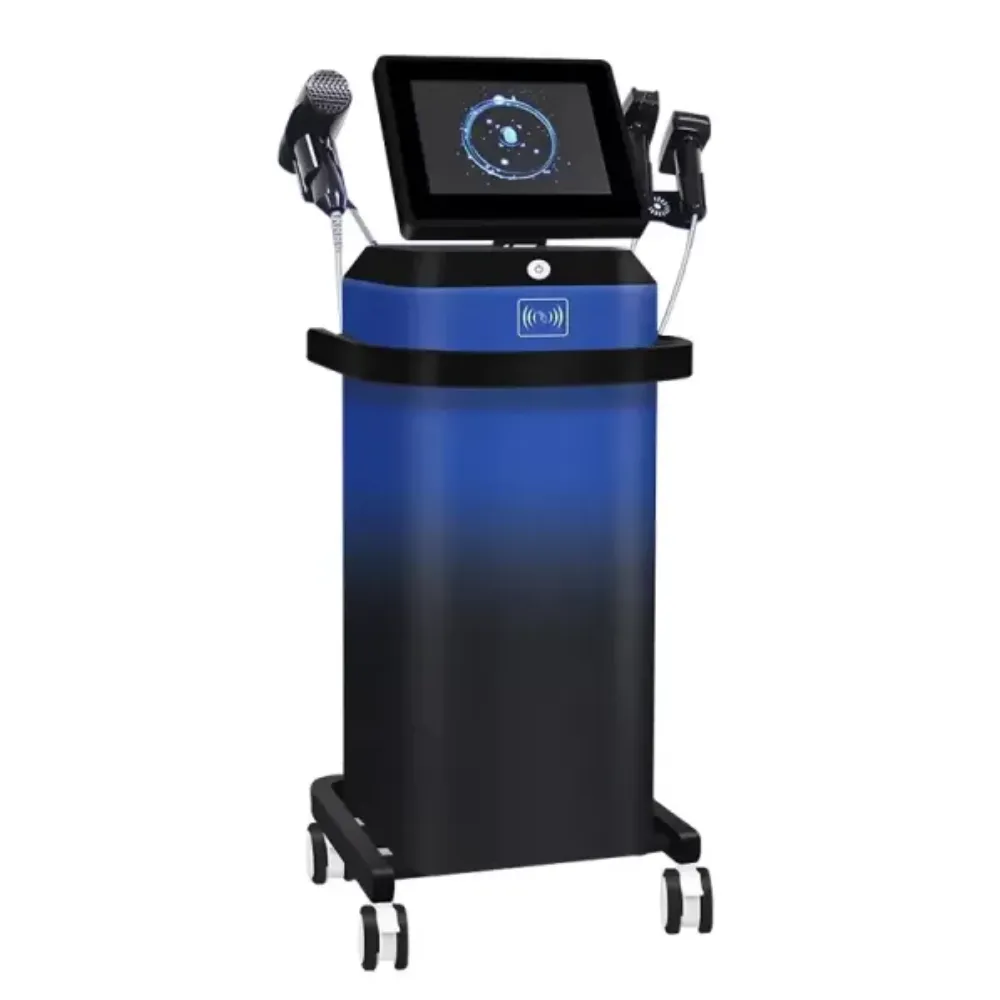
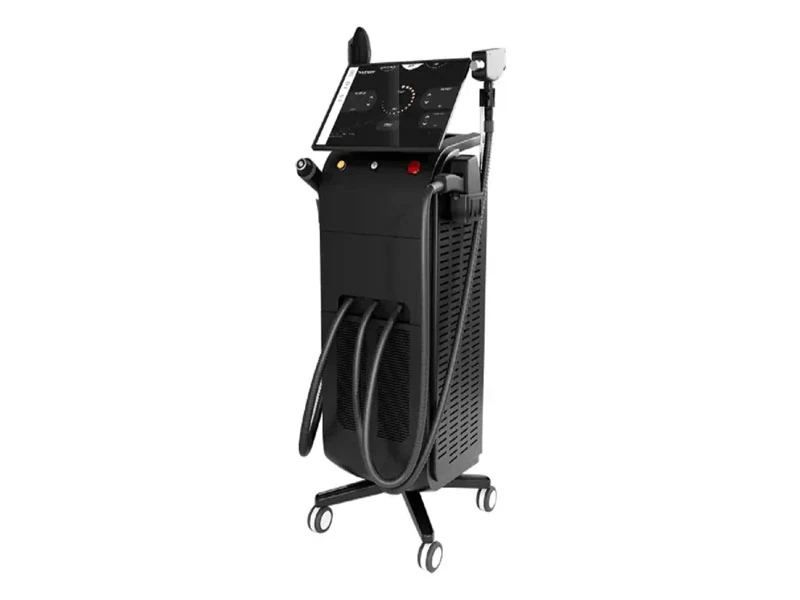
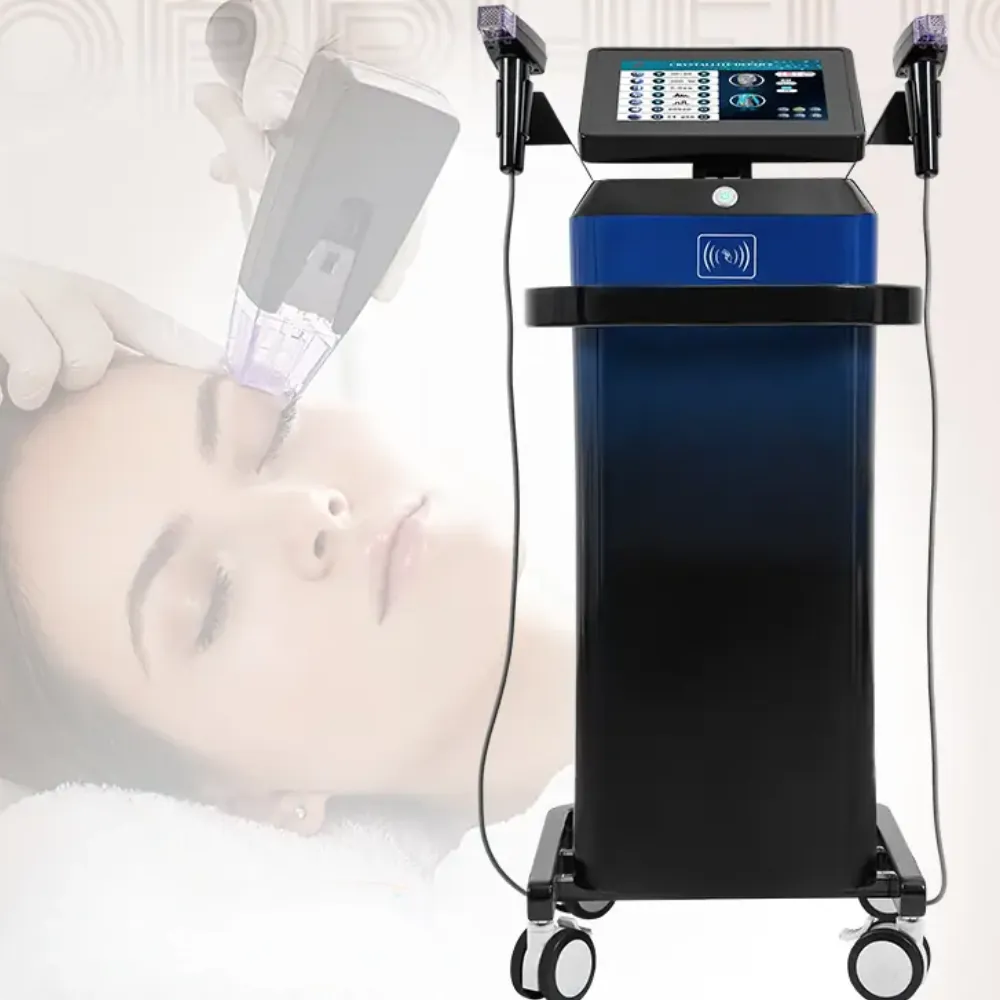
Use the professional RF microneedling machine category to name a candidate, then request its specific documents. In a bipolar vs monopolar RF microneedling review, the quoted package should name the setup being offered. A broad category label cannot verify it.
Insulation is another design field, rather than a synonym for circuit type. See the guide to insulated and non-insulated RF needle designs for that distinction. Likewise, review RF microneedling needle depth specs separately from RF mode.
Watts, written W, measure power. Joules or millijoules, written J or mJ, measure energy. A number stated per pin, per tip, or per pulse also needs that basis kept beside it.
For bipolar vs monopolar RF microneedling, ask what the output figure refers to and under what load it was tested. Include the pulse meaning and waveform conditions in the document request. Do not convert an unexplained screen level into a tissue dose.
A larger maximum value is not proof of better control or clinical results. Two figures can both be correct. They may still measure different things. If their units or test basis do not match, keep them out of a simple higher-versus-lower ranking.
| Spec Sheet field | Record separately | Do not assume |
|---|---|---|
| Circuit | Monopolar or bipolar as documented | Same meaning as needle count |
| Frequency | Supported MHz for each pairing | Same meaning as mode or power |
| Output | Unit, pulse basis, load, test method | Same scale across different devices |
| Cartridge | Code, handpiece, version | All platform options apply to every tip |
A 2025 split-face pilot study by Xu and colleagues compared monopolar and bipolar fractional microneedling RF using INTRAcel. Twenty women enrolled and nineteen completed the single-center trial. Each received one session, with the mode assigned randomly to each side; the main review was at 40 ± 7 days.
Some measured pore outcomes favored bipolar treatment, but that side also had more pain and scabbing. Overall satisfaction did not differ significantly between sides. These findings describe the tested system and protocol, not Potenza, LufenBeauty, or every device with the same mode label.
This small, short pilot cannot show universal superiority or rule out rare or later harms. Its results are useful for understanding why endpoints and trade-offs matter. They are not a purchasing guarantee.
In a bipolar vs monopolar RF microneedling evidence review, read the methods before the headline. Did it use RF needles or surface RF? Did it test two modes within one system, or two different complete devices?
Those questions change what a result can support. A study of another delivery method is not direct proof for RF needles. A study of another machine also cannot verify your candidate’s electric output or control features.
Illustrative scenario: A purchasing team receives a paper offered as proof that one mode is best. On checking the methods, the team finds that the treatment used surface applicators rather than RF needles. It asks for evidence that matches the proposed system instead.
For bipolar vs monopolar RF microneedling, keep each claimed outcome beside its actual endpoint and follow-up. A pore measurement, satisfaction score, and adverse-event record answer different questions. Don’t combine them into an unsupported overall winner.
The official Cutera overview below introduces its Secret RF platform. It can help orient a discussion about a complete RF system, but it is not a monopolar-versus-bipolar trial. It does not verify LufenBeauty compatibility, output, or clinical performance.
Use the video as background, then return to written documents. A bipolar vs monopolar RF microneedling decision needs named equipment and source-bounded claims. An overview cannot replace either.
“Feedback” can be a useful starting point for questions, but the word does not give the full details. Ask which variable the system measures, how the data are used, and what the control actually changes. Request the limits and supporting test method. Ask whether the claimed control action applies to each quoted mode and tip, rather than assuming a platform-wide feature works in every case.
For bipolar vs monopolar RF microneedling, distinguish monitoring from automatic adjustment. A displayed value does not prove that the device uses it to change output. Ask the supplier to name the actual response described in the current documents.
Impedance is an electric measurement, not a direct tissue-temperature reading. An impedance feature should not be described as a temperature sensor without supporting evidence. The document review should make that distinction explicit.
Use the worksheet below as a purchasing aid. It is an editorial framework, not a regulatory standard or a promise that every supplier has every listed test. Enter “not supplied” or “pending” where the evidence is missing.
| Review item | What to request | What to retain |
|---|---|---|
| Circuit | Active and return arrangement | Model-specific description |
| Supported pairings | Tip, handpiece, mode, frequency | Current compatibility matrix |
| Output | Units, pulse basis, load, method | Test details and results |
| Feedback | Measured variable and control action | Limits and validation evidence |
| Clinical claims | Actual device, endpoint, follow-up | Original source and boundaries |
| Intended use | Current instructions for use | Version and local-market documents |
| Acceptance | Agreed review scope and owner | Written unresolved-item list |
For bipolar vs monopolar RF microneedling, this record is more useful than a score based on missing details. No document supplied does not mean zero capability. It means the claim has not yet been verified for your purchase.
Keep the latest instructions for use, or IFU, with the quote. Date the file and name who will review each open item. If a tip code or product version changes, review the affected fields again.
Ask the supplier and your assigned team to agree on how a mismatch will be resolved. Record what changed and which files now support the offered setup.
The FDA’s October 15, 2025 RF microneedling safety communication reports serious complications with certain uses, including burns, scarring, fat loss, disfigurement, and nerve damage. It advises seeking licensed providers with relevant training and experience and states that the devices should not be used at home. These points make exact instructions and training part of equipment review.
The communication does not show that one circuit mode is risk-free or that a specific LufenBeauty model is cleared. Have the qualified clinical team review the intended use and complete setup. Do not infer a safe treatment choice from the mode name alone.
For the wider purchase, use the RF microneedling equipment buying guide. Keep this bipolar vs monopolar RF microneedling review focused on circuit, supported pairings, output, and evidence. It should support the full equipment decision rather than replace it.
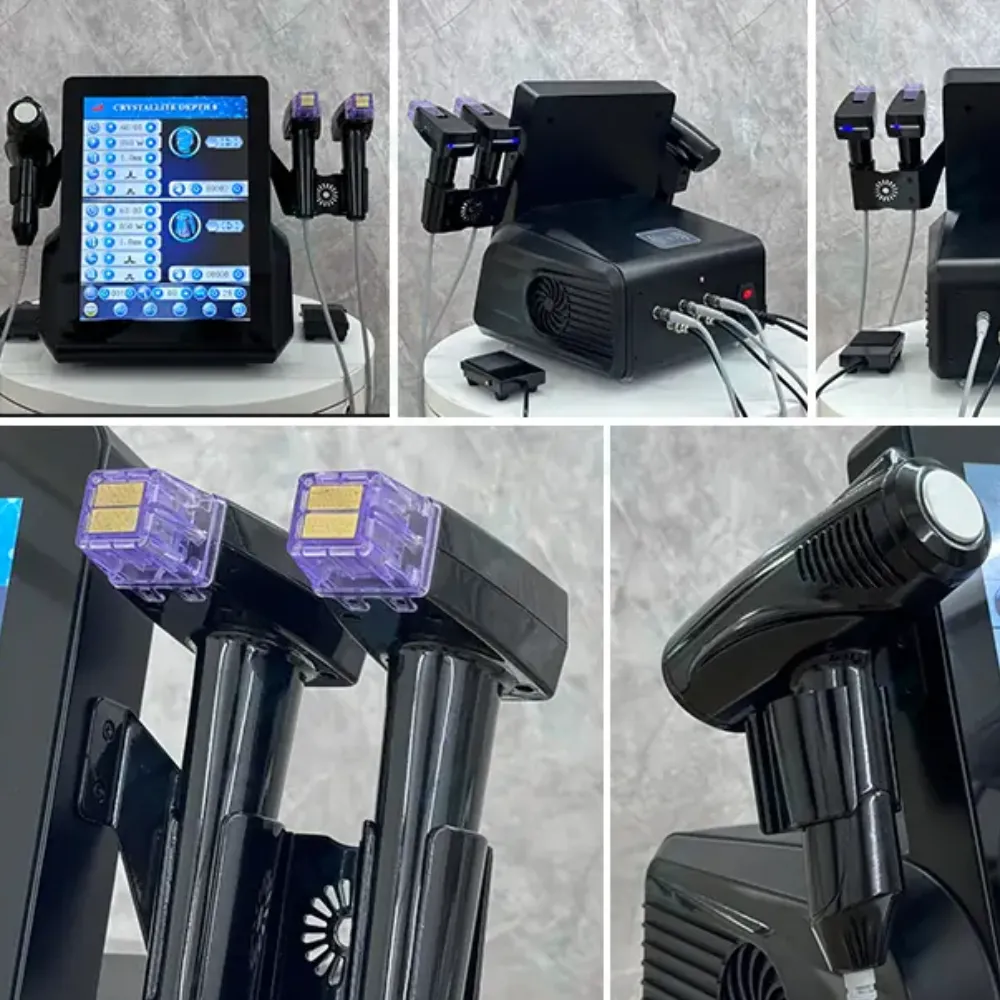
No universal ranking follows from the labels alone. Compare the tested device, outcome, and limits, then review the exact equipment being offered. Bipolar vs monopolar RF microneedling is one part of a complete system review.
No. The active electrode can be a needle array, paired with the return path defined for that system. Check the circuit description rather than counting pins or assuming a single-needle tip.
No. Frequency and circuit mode describe different features. Keep both fields in a bipolar vs monopolar RF microneedling review, with the supported cartridge and handpiece pairing beside them.
Do not assume that it can. Ask for the current matrix linking tip code, handpiece, mode, frequency, and version. The platform’s headline features do not show every cartridge’s allowed pairings.
No. Ask what the device measures, what it adjusts, and what testing supports the claim. Do not replace an electric measurement with a claim of direct tissue-temperature control.
Illustrative scenario: A distributor adds a supported-pairings table and a list of pending feedback questions to a draft quote. The supplier can now answer against the exact model and tip codes. The package stays under review until the agreed document questions are resolved.
Use the same approach for bipolar vs monopolar RF microneedling. Identify the circuit first, keep frequency and output units distinct, and match each performance claim to its source. Retain the unanswered questions alongside the quote.
Ready to compare a specific setup? Contact LufenBeauty with your model and cartridge requirements. Request the available mode, output, and supporting documents for bipolar vs monopolar RF microneedling on the exact package being offered.