RF Microneedling Machine Maintenance: Service and Downtime Planning
Start RF microneedling machine maintenance with the instructions for your exact model. Separate care that trained operators may perform from technical work assigned to the...

Choose RF microneedling training by checking entry rules, RF-specific content, the device taught, and how practical skills are checked. Then confirm what your clinic needs before the trained person can offer the service.
A course certificate, a supplier demo, and the right to practice answer different questions. It is easy to finish a lesson yet still lack the documents or skills review your clinic needs. A clear plan connects those pieces before a launch date becomes a promise to patients.
This guide helps you compare courses, request useful device guidance, and record what remains open. You will leave with questions to ask and a handover checklist your buyer and clinical lead can review together.
Key Takeaways
Start your RF microneedling training search with a simple question: what will this program actually show? A title such as “certified” needs an explanation of who issues the certificate and what the learner must complete.
Use this planning table when speaking with a school or supplier. It is an editorial checklist, not a regulatory standard.
| Evidence | What to ask | What still needs a separate check |
|---|---|---|
| Course completion | What learning and assessment led to the certificate? | Whether it meets the learner’s local practice rules |
| Device guidance | Which model and setup were explained? | Whether the operator has the needed clinical skills |
| Skills review | Who observed which tasks, with what result? | Any restrictions, supervision, or more learning needed |
| Clinic readiness review | Who reviewed staff, equipment, and open items? | Ongoing duties after the service starts |
Ask the local regulator about your role and planned service. Have the clinical lead review any supervision needs, and confirm insurance terms with the insurer. A course provider’s willingness to accept a student does not settle those questions.
The FDA’s RF microneedling safety communication advises patients to seek a licensed healthcare provider with training and experience with these devices. It calls RF microneedling a medical procedure. It warns against home use. That US advice supports careful provider selection; it does not set a worldwide course standard.
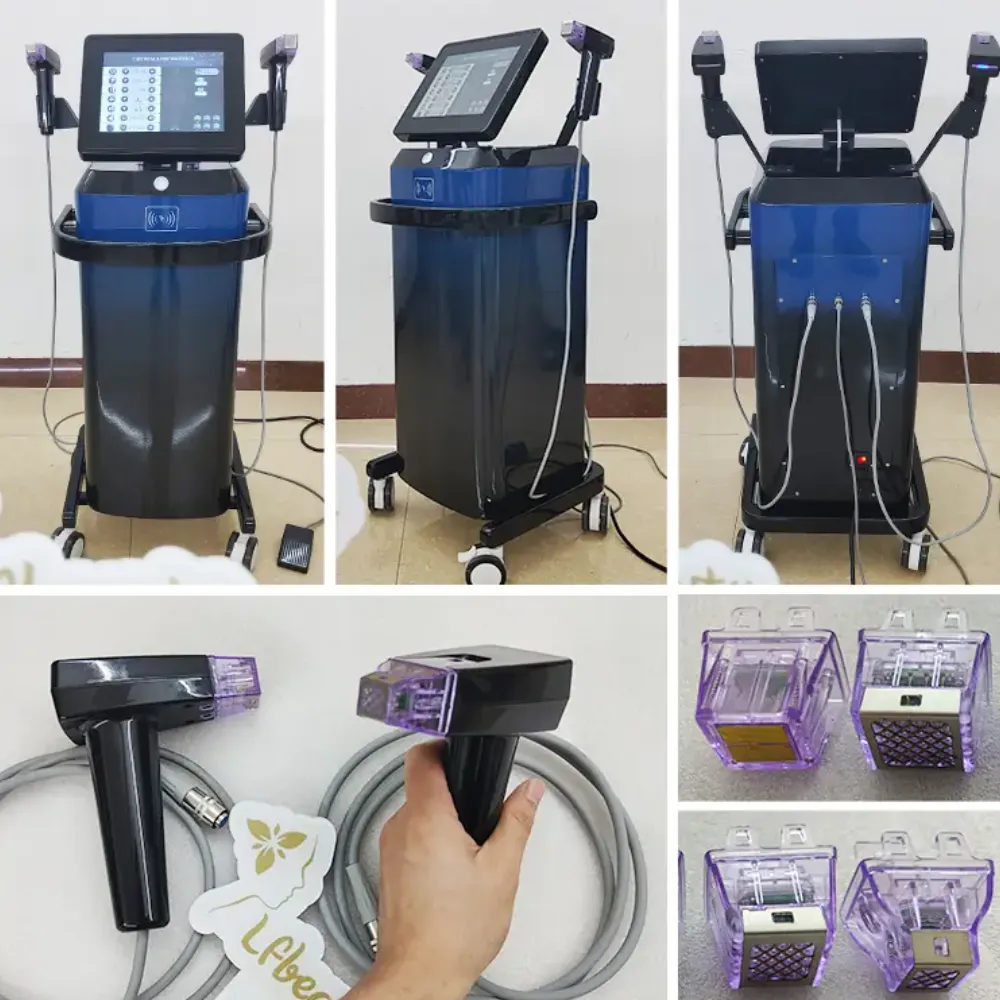
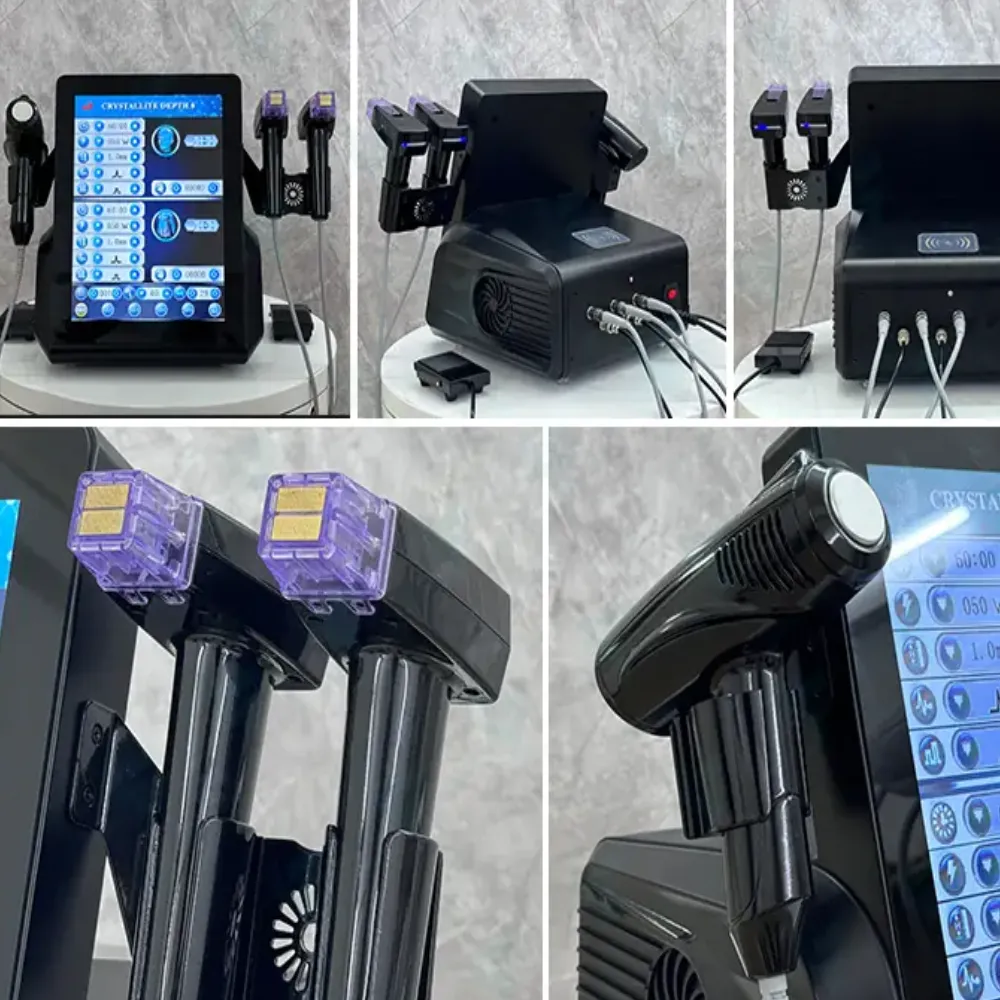
Considering a LufenBeauty model? Request model-specific guidance details, including which manuals, videos, and online support apply to the offered system. Share those details with your clinical lead while comparing RF microneedling training options.
Illustrative scenario: A clinic buyer completes a supplier’s online demo and marks the equipment introduction as done. The clinical lead still needs to review staff assessment and local rules. The team keeps those items open instead of treating the demo as permission to launch.
Search results can mix conventional microneedling, RF skin rejuvenation, and broader laser courses. Read the course outline. Don’t rely on the search title alone. Ask where the course addresses RF delivery through needles and which device is used.
For each RF microneedling course, request the trainer’s name, device experience, and approach to assessing learners. Ask how much teaching concerns the model your clinic plans to use. If the course uses another device, have the clinical lead decide what further model-specific learning is needed.
Prior experience deserves a precise description too. A learner familiar with standard needling may still need teaching for a different energy-based system. Give the course provider an honest account of past training, devices used, and current role.
RF microneedling training online can make theory easier to revisit. In-person learning can provide a setting for observed practice, while a blended program can combine both. The format alone does not tell you how thoroughly a learner is assessed.
Ask these questions before booking RF microneedling training:
Get RF microneedling training answers in writing. A statement such as “hands-on included” leaves room for confusion about whether each learner receives observed practice or watches a demo. Ask the provider to explain the plan for your booking.
The ASI course listing illustrates why details matter. Checked on October 21, 2026, it lists a one-day course for $595. The offer covers microneedling and RF microneedling and names a Certificate of Completion. That is one provider’s offer, not a market average or proof that one day is enough for every learner.
Build your RF microneedling training budget around the written package. Include practical assessment, more help, material access, travel, equipment or kits, and any applicable taxes. Ask about refund terms and date changes before paying.
Check whether the certificate records attendance, completion, or an assessed result. Ask what an accreditor has reviewed when accreditation is advertised. Keep those answers separate from the insurer’s decision and the local practice rules.
Connect RF microneedling training to your buying process while the package can still be clarified. The RF microneedling equipment buying guide provides the wider procurement questions. Here, focus on the records needed for learning and handover.
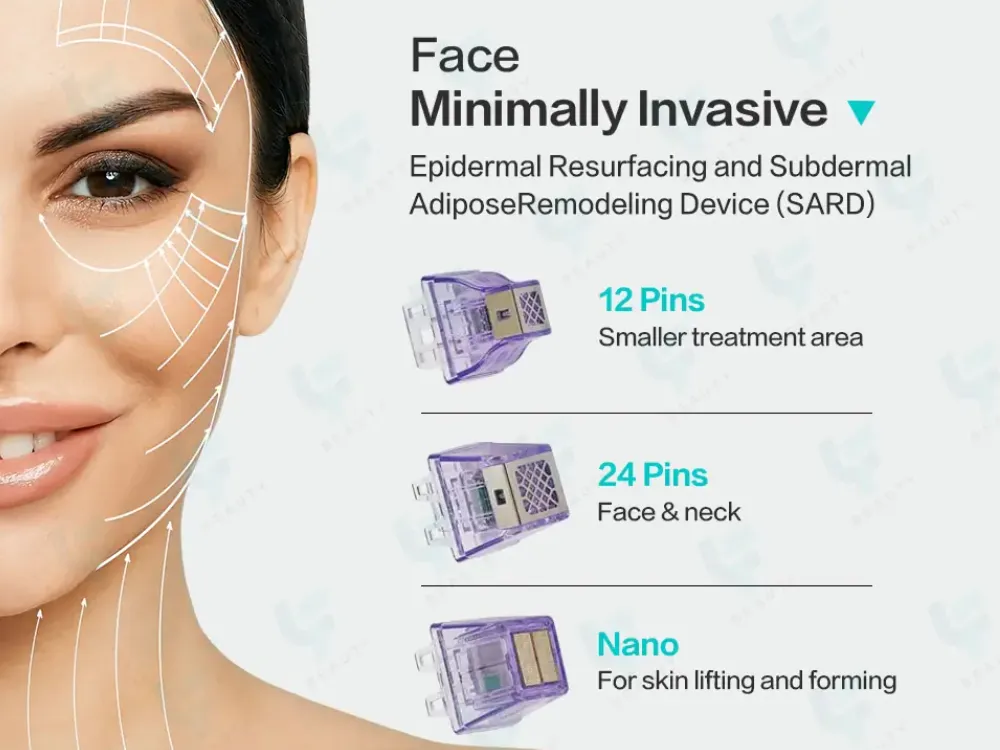
Request the exact model, included handpieces, matching cartridges, and current instructions for use, or IFU. Ask for the document version and available language. Have the clinical lead review the stated intended use against the planned service.
Next, request a training agenda that names the setup being discussed. Note who will attend, what the supplier will explain, and which questions belong with a clinical educator. Keep missing documents visible rather than assuming they will be covered during delivery.
A useful RF microneedling training plan gives each task an owner. The buyer can collect documents and schedule support. The clinical lead should define the assessment and readiness review needed for the clinic’s staff and service.
Ask who will answer device questions and who will assess clinical skills. These may be different people. Record their roles and contact details so a learner knows where to take a technical question or a clinical concern.
Agree how RF microneedling training feedback will be saved before the session. A short note naming the task, observer, result, and next action is more useful than an unexplained “training complete” box. Let the responsible clinical team set the assessment criteria.
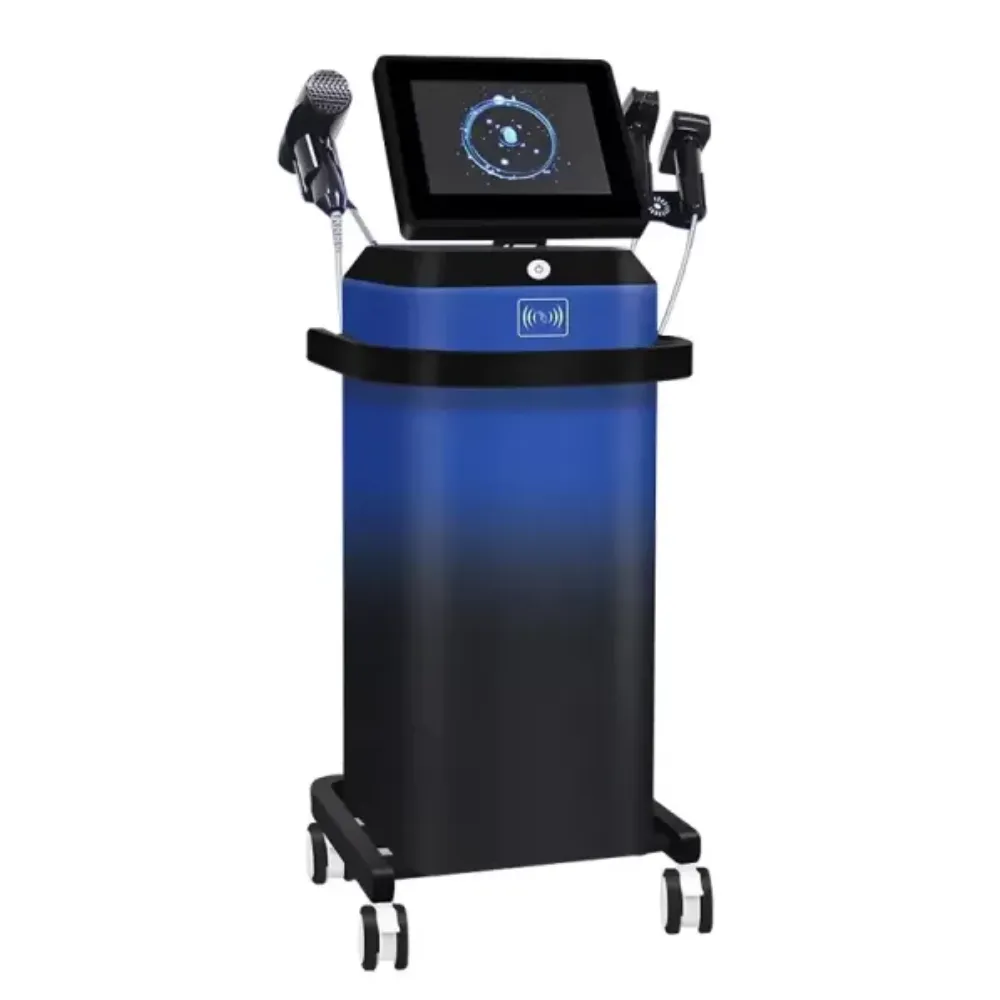
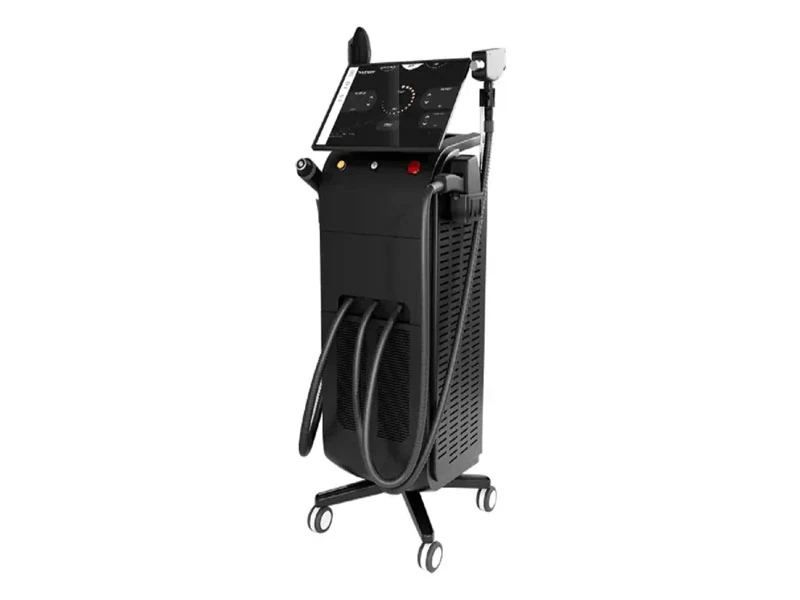
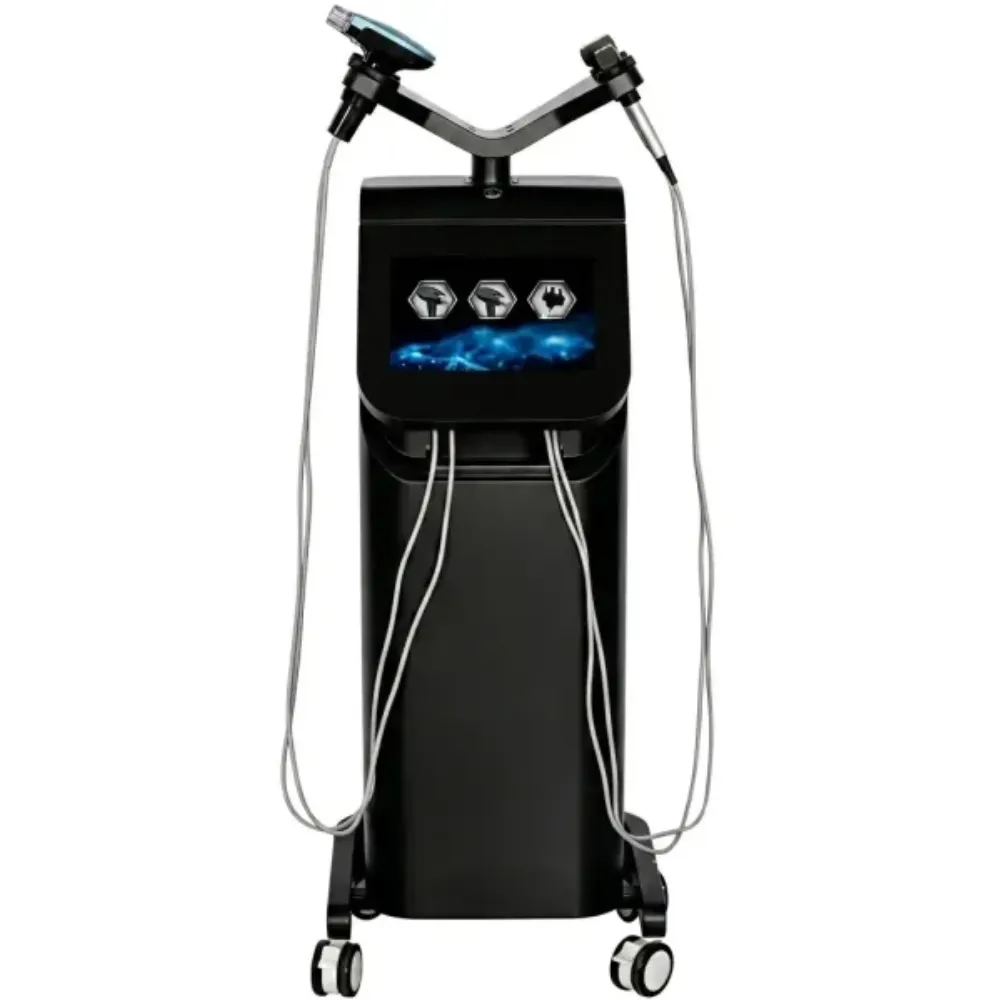
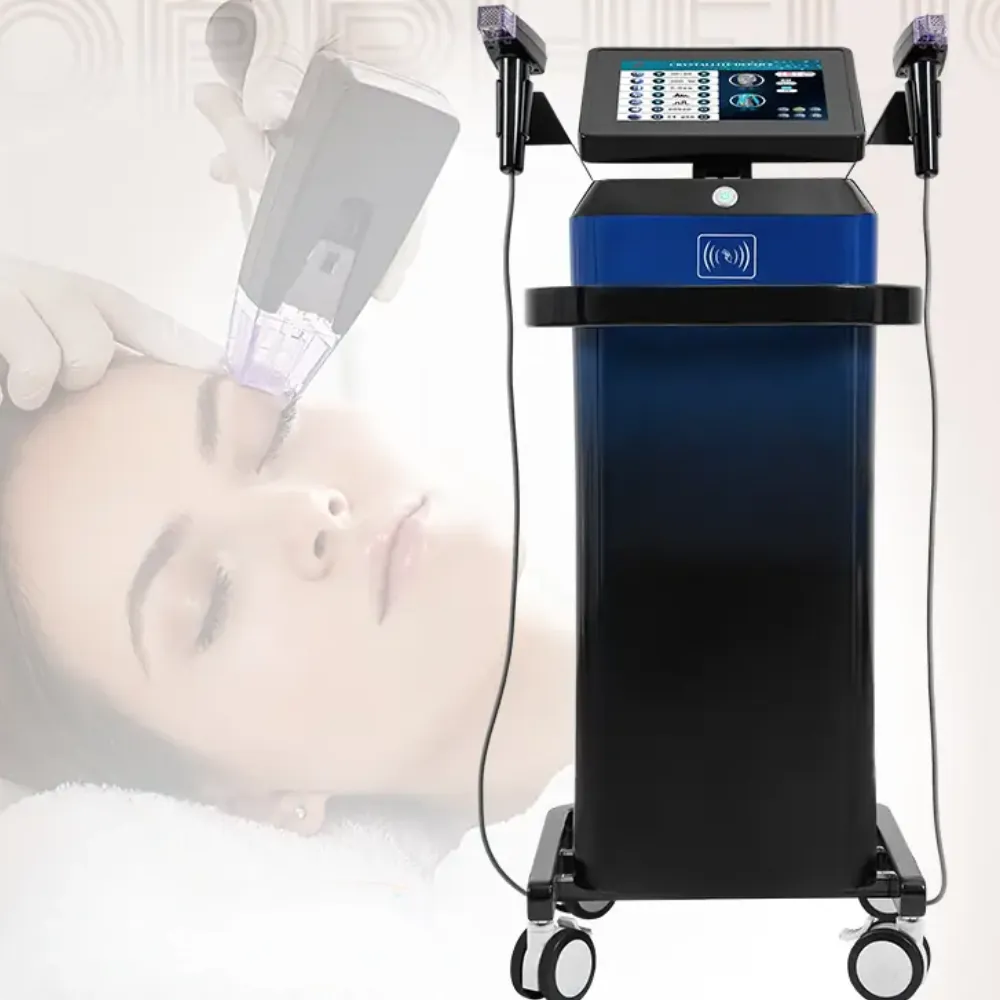
When comparing professional RF microneedling machines, avoid assuming similar screens mean identical training needs. Ask whether differences in handpieces, software, or cartridges change the guidance required.
For example, use the fractional RF microneedling model page to name the product being discussed. Then request the records for the offered unit. A public product page is a starting point for questions, not a substitute for the supplied IFU.
Illustrative scenario: An experienced operator joins a clinic buying a different RF system. The buyer assumes the previous course covers it. The clinical lead compares the course device with the new package and records the further guidance and assessment to arrange.
Give your RF microneedling training plan a clear link to the equipment file. Record what arrived, which documents were supplied, and what remains unresolved. Ask suitable personnel to follow the manufacturer’s procedures for functional checks.
Use the following fields as a starting template. They are suggested record headings, not a claim that every supplier already provides them.
| Record field | What to capture |
|---|---|
| Device identity | Model, serial number, delivery date, and supplier contact |
| Supplied package | Handpieces, accessories, cartridges, and agreed documents |
| Document control | IFU title, version, language, and storage location |
| Equipment checks | Responsible person, applicable procedure, findings, and date |
| Guidance delivered | Topics, setup covered, participants, and unanswered questions |
| Open items | Issue, owner, next action, target date, and review evidence |
| Review outcome | Reviewer, date, limits on use, and the next check needed |
Signing for a delivery should not quietly become approval to offer a clinical service. State what each signature confirms. If something is missing, record the gap and the person responsible for resolving it.
For each operator, link RF microneedling training records to the relevant device. Include the person’s role, course details, supplier guidance received, and the observer’s assessment. Record any restrictions or further supervision found by the clinical lead.
Keep the equipment file and staff record connected without merging their decisions. One may show that the correct system was received. The other should show what the responsible team has reviewed about a named person’s readiness.
A shared certificate folder can help with storage. It shouldn’t hide gaps in staff records. Someone who missed a session needs a clear next step. Someone who attended but needs more feedback should have that recorded too.
Review the open-item list from RF microneedling training before setting a start date. Ask who owns each unresolved question, what evidence will close it, and who will review that evidence. Leave no task assigned simply to “the team.”
Your RF microneedling training plan should also explain how a launch decision is recorded. The responsible clinical lead can document the review date, any limits, and the next review needed. Avoid inventing a universal pass mark or a fixed number of practice cases.
LufenBeauty’s training and guidance support page describes product manuals, video tutorials, and one-to-one online guidance. Ask which support is included for the exact RF model and how to arrange it. The page does not establish an accredited RF course or a clinical credential.
Keep technical support contacts alongside the clinic’s plan for raising clinical concerns. Staff should know who handles a device fault and whom to contact about a patient concern. Have the responsible clinical team define those routes and any local reporting duties.
The FDA’s microneedling device information advises a new needle cartridge for each patient and each treatment session. It also discusses device instructions, cleaning, and reporting problems. Use the actual device IFU and clinic procedures when planning staff teaching; this checklist does not provide a cleaning method or treatment protocol.
Treat RF microneedling training as a record to review when staff or equipment changes. Ask the clinical lead whether a new operator, changed setup, or return after a gap calls for more learning or skills review.
Keep a short change log with the issue, reviewer, and resulting action. This helps the next person understand why another session was arranged. It also prevents an old certificate from being treated as the whole story.
Illustrative scenario: A clinic hires a replacement operator after the original team member leaves. The manager retrieves the device documents and previous handover file. The clinical lead reviews the new person’s experience and records the learning and assessment still needed.
Read the syllabus and assessment record. A certificate labeled microneedling does not, by its title alone, show that RF devices were covered. Ask which system was taught and how the learner was assessed before deciding what further RF microneedling training is needed.
Some providers offer online theory or online courses. Check exactly what completion means and whether observed practical assessment is included elsewhere. A downloaded certificate does not by itself prove clinical skills, insurance acceptance, or right to practice in your location.
Choose a course against the learner’s starting skills, intended role, device, and assessment needs. An advertised course duration describes that offer; it does not establish a universal minimum. Ask what happens if the learner needs more teaching after the scheduled session.
Check course admission and practice rules separately. Tell the provider about your skills and credentials. Then check the planned role with the local regulator and clinical lead. Ask the insurer about coverage for that specific service rather than assuming enrollment or a certificate settles it.
Request a written scope covering the supplied model, relevant documents, included device guidance, support contacts, and unresolved questions. Ask what the supplier can provide and what needs a separate educator. Match RF microneedling training promises to the offered package before ordering.
Use an equipment handover file, staff learning and assessment records, and a readiness review with named owners for open items. Have the responsible team decide what further records apply locally. Keep document versions and review dates clear so the file remains useful.
Start with the learner’s role, compare the course carefully, and match guidance to the exact device. Then record what was supplied, what was assessed, and what still needs a decision. These steps give your clinical lead a clearer basis for reviewing readiness.
Planning your equipment handover? Ask LufenBeauty about guidance for your proposed model. Bring your document list, staff roles, and open questions so the conversation addresses the package you are considering. Use those answers alongside the course and clinical review to build a written RF microneedling training plan.