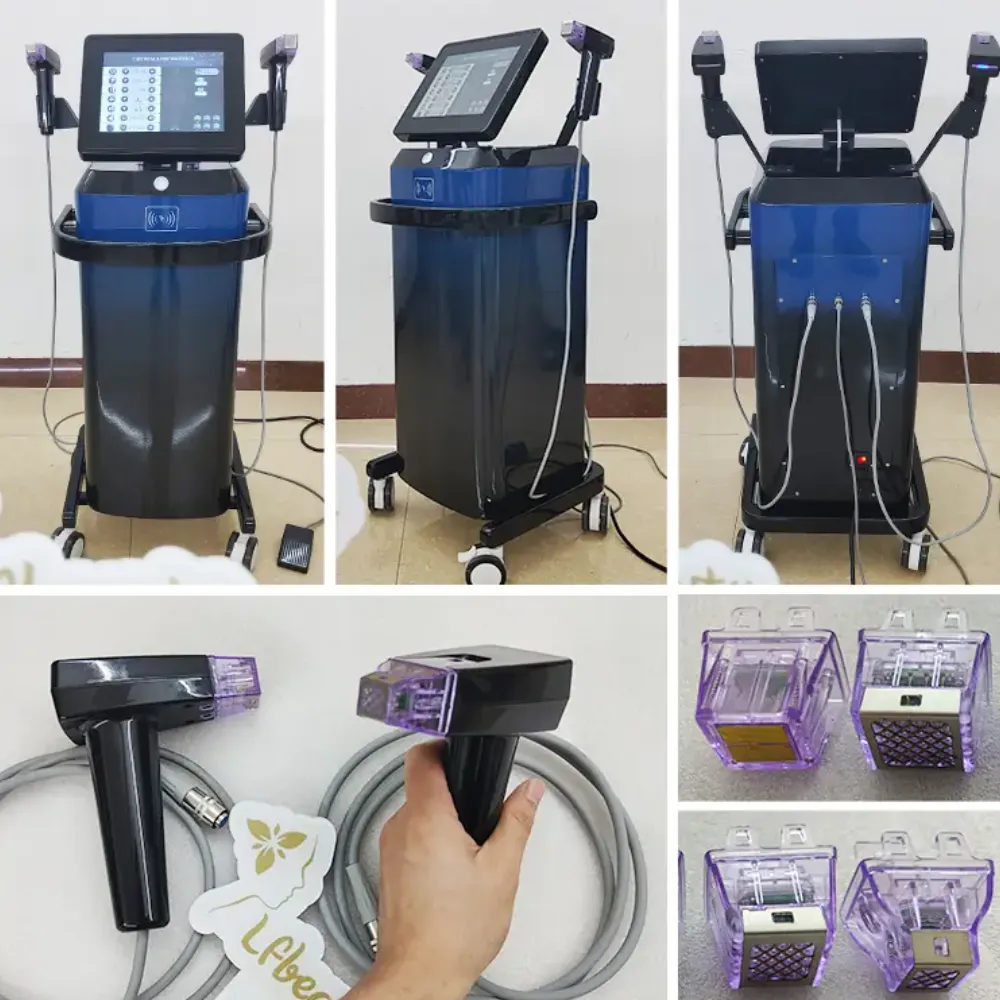
RF Microneedling Training: Course Selection and Clinic Readiness
Choose RF microneedling training by checking entry rules, RF-specific content, the device taught, and how practical skills are checked. Then confirm what your clinic needs...

Start RF microneedling machine maintenance with the instructions for your exact model. Separate care that trained operators may perform from technical work assigned to the manufacturer or its authorized service team.
A long warranty can look helpful until a handpiece needs service. Who approves the return? The clinic then has two problems: a device question and an unclear support process. Written roles and records tell staff what to ask and where to send it.
This guide covers equipment care and service planning. It gives clinic buyers and managers a way to organize documents, track faults, and compare support terms before downtime changes your plans.
Key Takeaways
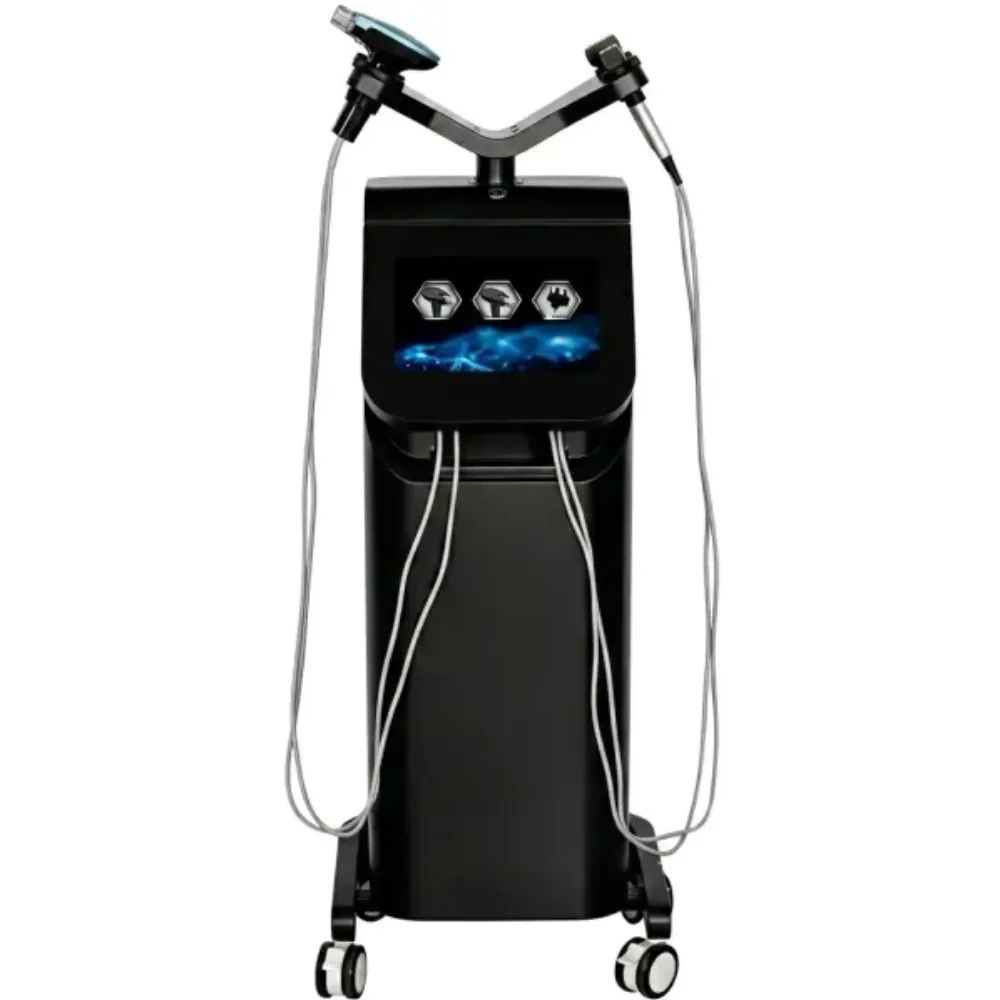
Start your RF microneedling machine maintenance file while asking for quotes. Record the model, serial number when available, supplied handpieces, and supplier contact. Request the instructions for use, or IFU, and any separate care or service documents for that package.
An RF microneedling machine maintenance file should show the document version, language, and date received. Ask the supplier to confirm which version applies to your unit and market. Keep a clear copy where the staff who handle care can find it.
The RF equipment buying guide covers the wider purchase decision. For maintenance, turn each unclear statement into a question with a named owner. “Support included” needs more detail before it becomes a useful plan.
Ask which tasks belong to a trained operator and which require service staff. For example, the Morpheus8 operator manual DO608080F, dated November 2020, assigns internal service and repair to the factory or authorized technicians. It is an example of a stated service boundary, not a care procedure for a LufenBeauty machine.
Use this planning table with the documents for your own system. The fields are editorial suggestions, not a required regulatory form.
| Area | What to confirm | Record to keep |
|---|---|---|
| Operator care | Permitted tasks and staff training | Applicable instructions and task owner |
| Technical service | Who may inspect, test, or repair | Service contact and approval route |
| Document changes | Who confirms a new version applies | Version, date, and staff briefing |
Considering a LufenBeauty model? Ask for model-specific maintenance information. Bring your document list and ask which care guidance and support arrangements apply to the proposed package.
Illustrative scenario: A buyer receives a quote with a warranty heading but no care documents. Before finalizing the order, the buyer asks who will supply the applicable instructions and answer service questions. Those open items become part of the purchase discussion.
RF microneedling machine maintenance should not rely on a cleaning method borrowed from another device. Ask the supplier which instructions cover the console, reusable handpiece, cable, and other supplied parts. A product suitable for one surface may not be approved for another.
Request written guidance on compatible cleaning products, the allowed method, and any drying or storage requirements. Have the clinic’s team in charge review those details before turning them into staff instructions. If a document is missing or unclear, seek clarification rather than filling the gap with a generic online recipe.
When comparing professional RF microneedling machines, ask about the care documents as well as the supplied hardware. Keep any written answer linked to the exact model being quoted. Similar-looking equipment does not establish that the same procedure applies.
The FDA’s microneedling device information tells providers to follow cleaning and disinfection instructions and not reuse microneedling cartridges. Cleaning reusable equipment does not turn a single-use cartridge into a reusable part.
Keep cartridge handling and disposal within the device instructions and the clinic’s local procedures. Ask the team in charge which packaging, compatibility, and supply details need to be recorded. Don’t use an RF microneedling machine maintenance checklist as a reason to clean used needles for another session.
Build the task list from the supplied documents rather than creating a universal daily, weekly, or annual schedule. Each entry in the RF microneedling machine maintenance log should point to its source. That gives the next staff member a way to check why a task is due.
| Suggested field | What to enter |
|---|---|
| Task and component | The allowed care task and the part it concerns |
| Instruction reference | Document title, version, and section to follow |
| Due trigger | The timing or event stated in that instruction |
| Completion | Date and person who performed the task |
| Exception | What was not completed and who will review it |
| Follow-up | Next action, person in charge, and review date |
Keep records short enough to use. A tick without a task reference says little; a long copied manual can be difficult to follow. Let the source document hold the method and the log show what was done.
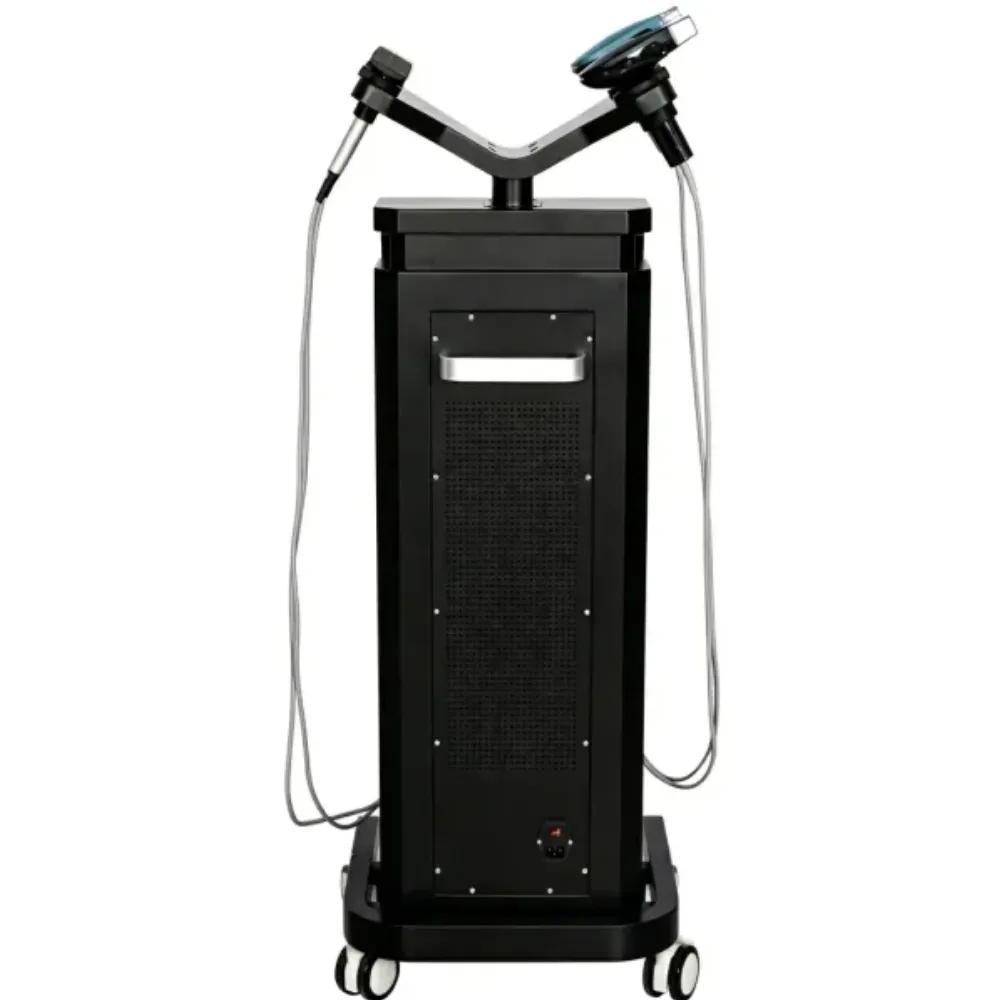
An RF microneedling machine maintenance calendar should follow the applicable manufacturer plan. Ask whether the unit needs scheduled service, what triggers it, and who confirms the next due date. Do not assume that another brand’s annual interval applies.
Ask separately whether calibration or performance checks are required for the offered system. If so, request the written scope and the person or organization allowed to perform them. A clinic checklist should not become an improvised output test or adjustment procedure.
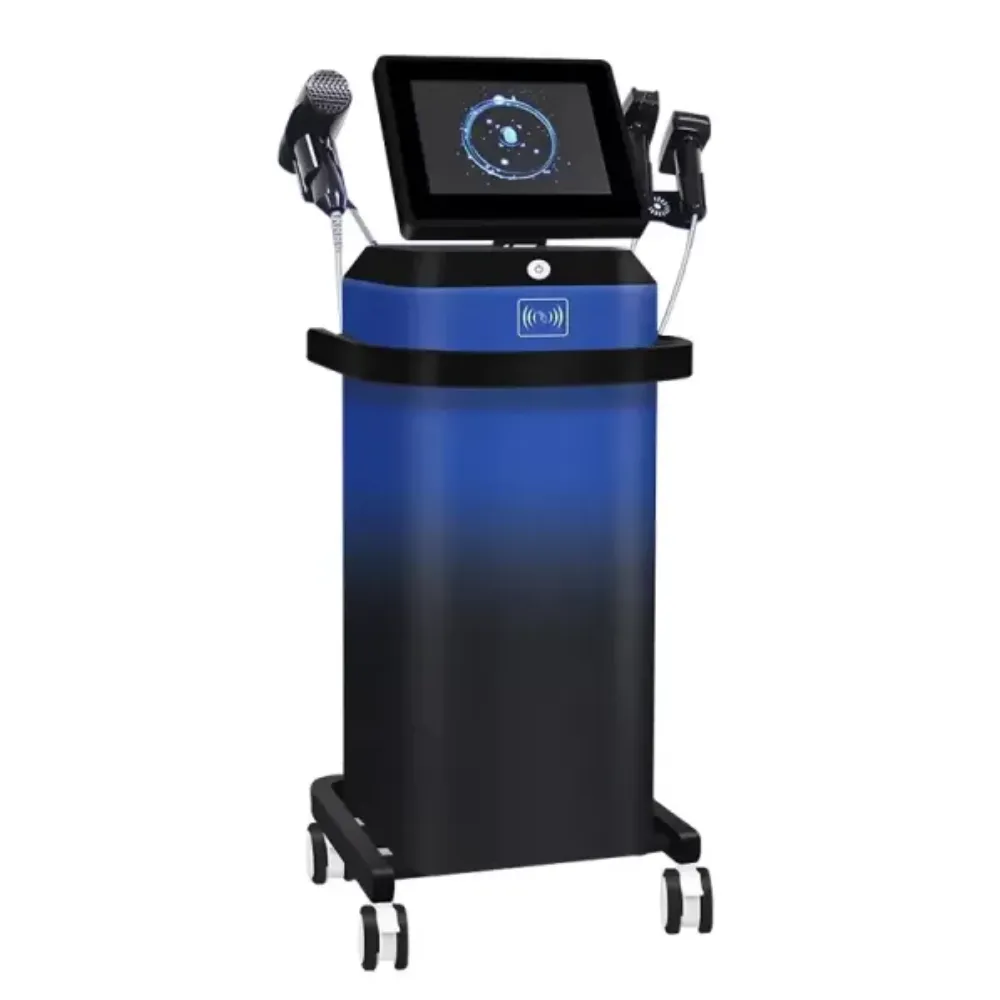
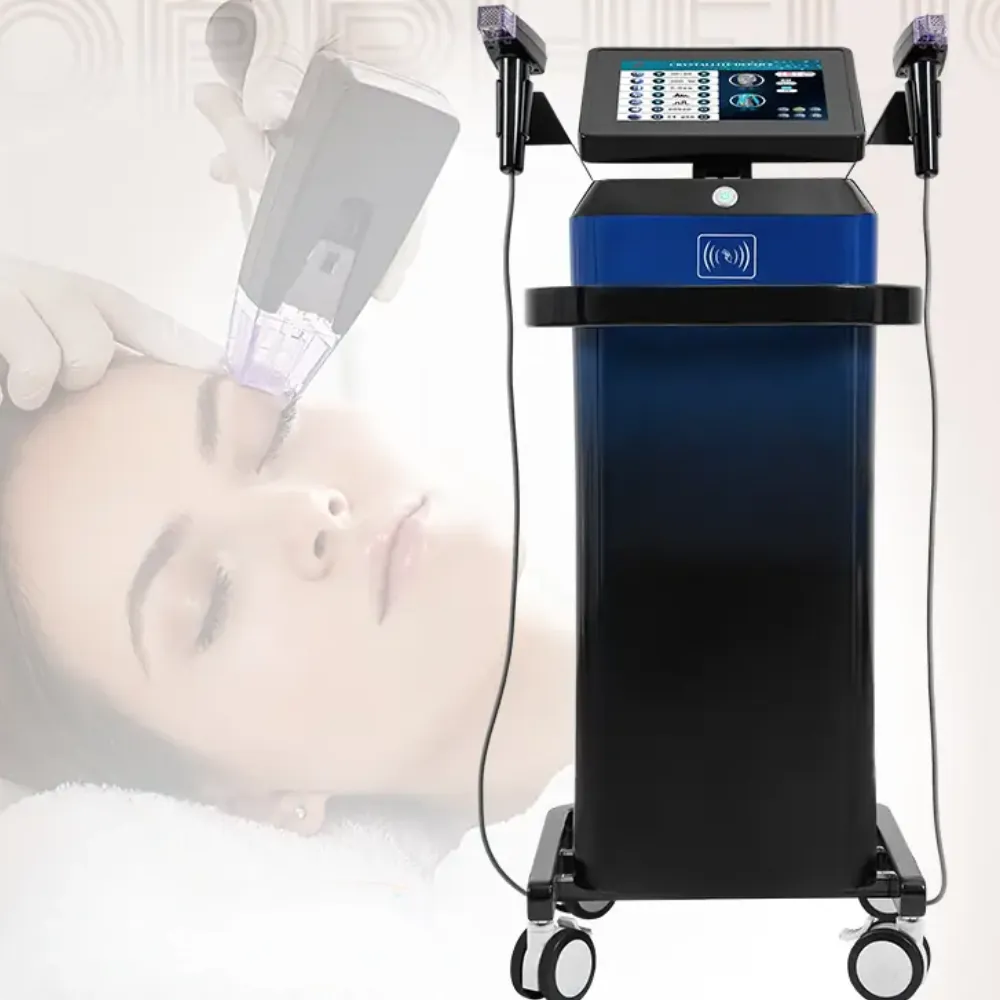
For the fractional RF microneedling model you are considering, use the product identity to start the document request. Confirm the supplied setup with the seller. A public specification page does not replace its care and service instructions.
Before booking RF microneedling machine maintenance, ask what the proposed work includes. Request the planned time out of use, any parts to be ordered, and the costs needing approval. Clarify whether labor, travel, freight, or further testing are quoted separately.
Ask what report the service provider will supply. Ask the report to name the unit, date, and service provider. It should show the work done, findings, and next actions. These are questions for the service provider, not claims that every visit includes the same tests.
Save the report in your RF microneedling machine maintenance file. Link it to the fault or planned task. Record who reviewed it and what remains open. If another visit is needed, assign the booking to someone rather than leaving it in an email thread.
This makes the RF microneedling machine maintenance record easier to hand over when staff change. The next manager can see the latest decision and its source. They should not have to guess which of several messages is the current instruction.
Prepare an RF microneedling machine maintenance support form before a fault occurs. The first goal is to give service staff a clear description, not to diagnose an internal cause. Copy the displayed message accurately and separate what someone saw from what they suspect.
For an RF microneedling machine maintenance ticket, collect:
Ask the support team which photos or records it needs. Avoid sending patient-identifying information in a routine technical ticket. Keep clinical concerns on the clinic’s appropriate clinical route.
Follow the applicable instructions and clinic policy when a fault or unusual behavior appears. Have the responsible person decide how the equipment is taken out of use and how staff are told. Do not open panels, bypass alarms, or try to prove the device works by testing it on a person.
Your RF microneedling machine maintenance record should show the advice received and who gave it. If service staff request an action, confirm that it is intended for your model and for the person being asked to do it. Unclear instructions are a reason to ask again.
Illustrative scenario: An operator reports a repeated error message. The manager records the code, identifies the handpiece, and contacts the service team through the agreed route. The team leaves internal fault checks to the appropriate service personnel and keeps the advice with the ticket.
Name the person who follows up, approves costs, and updates the booking team. These roles may be shared, but each task needs a clear owner. Decide when the clinic will ask for another update if no next step has been agreed.
Keep technical status and patient concerns separate in the RF microneedling machine maintenance file. A service reply is not a clinical assessment. Route any patient issue to the responsible clinical professional and follow the clinic’s applicable reporting process.
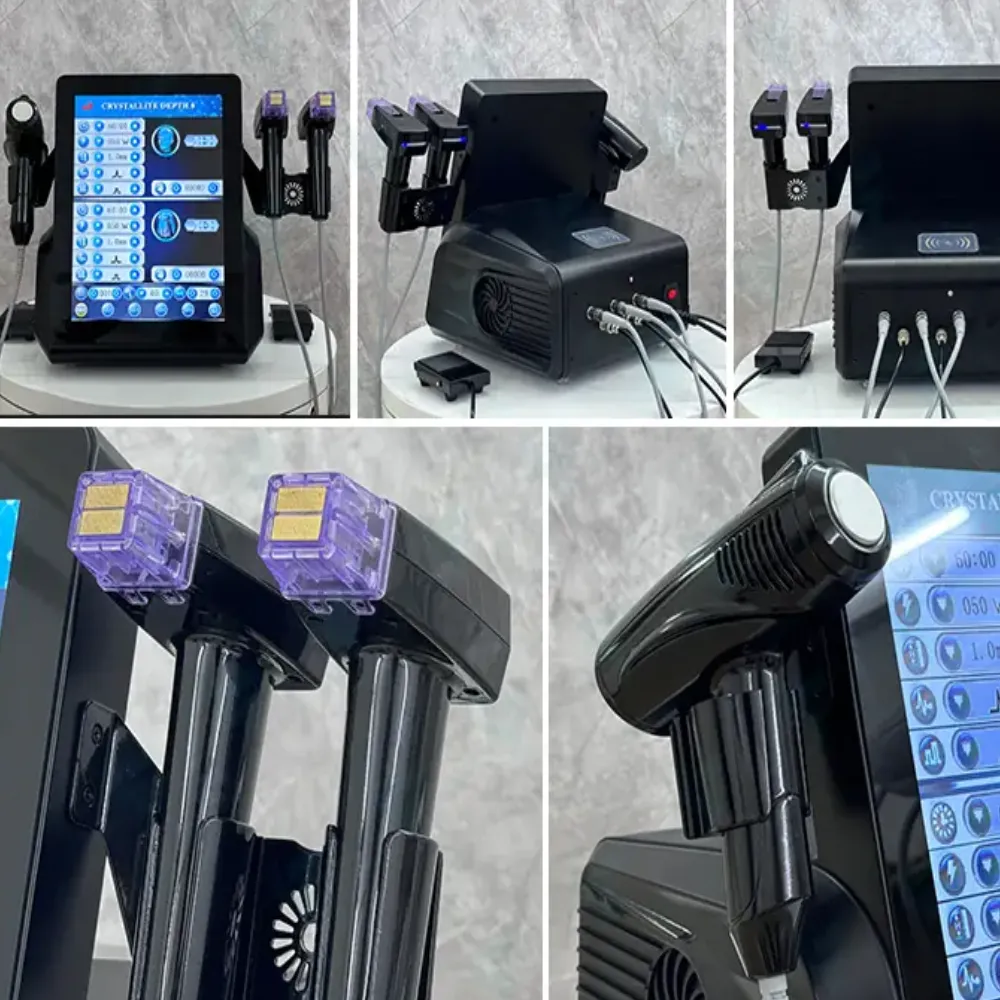
LufenBeauty’s service page describes a three-year device warranty and a six-month accessory warranty. It also lists manuals, video tutorials, and one-to-one online guidance. Ask how those public descriptions apply to the exact RF package, including the start date and any exclusions.
RF microneedling machine maintenance planning should distinguish the console, handpiece, accessories, and consumables. Ask which category each supplied item belongs to. Do not assume an accessory warranty means used disposable cartridges are covered.
Other manufacturers’ terms illustrate why the detail matters. InMode’s US purchase terms describe system coverage measured from first shipment and a separate time-or-pulse condition for certain handpieces. Those are that source’s contract terms, not LufenBeauty terms or a device replacement schedule.
LufenBeauty advertises 24-hour online service. That describes availability; it does not establish a promised repair completion time. For RF microneedling machine maintenance, ask what happens after the first contact.
| Service stage | Question to put in writing |
|---|---|
| First contact | Where should the clinic report the issue? |
| Technical review | Who reviews it and agrees on the next step? |
| Parts or return | What needs approval, ordering, or shipment? |
| Progress updates | Who provides updates and when is the next one due? |
| Completion | What records and further checks will be supplied? |
An early reply and a completed repair are different milestones. Label dates as estimates unless the service provider has agreed to them. Update the booking team when the service plan changes rather than letting an old date stand.
Ask whether return approval or a return-material approval is needed before shipping. Confirm packing instructions, the return destination, and who pays freight. Ask whether a loan unit is available; do not build the clinic’s plan around one until it is confirmed.
Keep the return details in the RF microneedling machine maintenance ticket. When the item comes back, match it to the service report and any stated follow-up requirements. Have the team in charge decide what must be reviewed before it returns to use.
Illustrative scenario: A repaired handpiece arrives at reception. The manager matches it to the return record, and the team in charge reviews the service report and outstanding instructions. Arrival alone is not treated as the decision to resume the service.
Take the interval from the manufacturer documents for your model and written service plan. Ask about time, use, or event triggers for your model. A generic annual schedule is not a substitute for the requirements that apply to the supplied system.
Use the product and method allowed by the instructions for that component. If the guidance is unclear, ask the supplier before choosing a substitute. An RF microneedling machine maintenance article cannot confirm compatibility for every handpiece material and model.
No. Keep single-use cartridges within the stated single-use rules. The FDA advises providers not to reuse microneedling cartridges; cleaning reusable components is a separate task. Follow the applicable handling and disposal procedures rather than creating a needle-reuse process.
Only assign tasks within the scope stated for the person and device. Ask who is authorized to carry out technical work. Do not assume that possession of a manual, a tool, or a support video authorizes internal repair or calibration.
No. Coverage and repair timing are separate questions. Ask about approval, technical review, parts, return shipment, and updates. Record the answers with the RF microneedling machine maintenance plan rather than inferring turnaround from the warranty length.
Start with the model, serial number, handpiece in use, exact message, and a short account of the issue. Include prior ticket details and allowed actions already taken. Ask which other records are needed and keep patient-identifying information out of routine support messages.
Keep the model documents, care roles, service arrangements, and open tickets together. Give each open question an owner and a next step. Review the file when the device, documents, or staff change.
Planning a purchase or reviewing your support arrangements? Ask LufenBeauty about guidance for your exact model. Share the proposed package and the questions your clinic still needs answered. Use the written response alongside the applicable device documents to complete your RF microneedling machine maintenance plan.