Insulated vs Non-Insulated RF Microneedling: A Buyer’s Guide
Insulated vs non-insulated RF microneedling compares where a needle exposes its metal surface that carries current, but that difference alone does not tell you which...

RF microneedling cartridge cost depends on the exact device and tip: compare the cartridge code, pack size, delivered price, and approved fit. Public seller prices can help frame your questions, but they are not a market average or a LufenBeauty quote.
RF stands for radiofrequency, the energy used by the system. Its replacement tips must be reviewed with that system in mind.
A cheaper box may contain fewer tips. A low price can also leave out freight or refer to a cartridge that your handpiece does not support. You need to settle those points before a price comparison becomes useful.
If RF microneedling cartridge cost is part of your equipment review, start with a matched quote sheet. This guide shows how to read public prices, work out the cost of usable stock, and plan repeat orders. You’ll have a clear set of fields to send a supplier rather than a guessed budget.
Key Takeaways
The following prices were checked on October 15, 2026. IDS Lasers’ RevaFlux guide states US400 for a box of eight cartridges, or US50 each. These are its own product prices.
The Rock Bottom Lasers Morpheus8 listing provides the other examples below. Those are dealer-listed prices, rather than a manufacturer-wide price schedule. The main used machine is marked out of stock; ask separately about tip supply, eligibility to order, and current terms.
| Seller and listed tip | Pack quantity | Listed pack price | Listed price per tip |
|---|---|---|---|
| IDS Lasers, RevaFlux cartridge | 8 | US$400 | US$50 |
| Rock Bottom Lasers, Morpheus8 Standard 24-pin | 4 | US$400 | US$100 |
| Rock Bottom Lasers, Morpheus8 Prime 12-pin | 4 | US$500 | US$125 |
| Rock Bottom Lasers, Morpheus8 Resurfacing 24-pin | 4 | US$500 | US$125 |
| Rock Bottom Lasers, Morpheus8 Body tip | 4 | US$620 | US$155 |
Comparing a LufenBeauty package? Request model-specific cartridge details with your machine, handpiece, tip code, quantity, and delivery country.
This table does not show interchangeable products. Nor does it establish a normal RF microneedling cartridge cost for every system. Confirm tax, freight, pack contents, stock, and purchase terms before using a listing in your budget.
Illustrative scenario: A buyer sees matching box prices and marks two quotes as equal. One box contains more cartridges, and the tips belong to different systems. The buyer adds pack quantity and device code to the sheet before making a shortlist.
When searching for RF microneedling cartridge cost, check that the product is an RF replacement tip. A plain microneedling pen cartridge or a product called “nano” is not automatically a comparable RF electrode. Ask which complete system the listing supports.
Keep the comparison within the supported system. A lower-priced tip for a different device is not a substitute offer.
The useful number is the price for your verified cartridge. Keep the seller’s name and the date with that figure. If a quote changes, retain the earlier version so your team can see what changed.
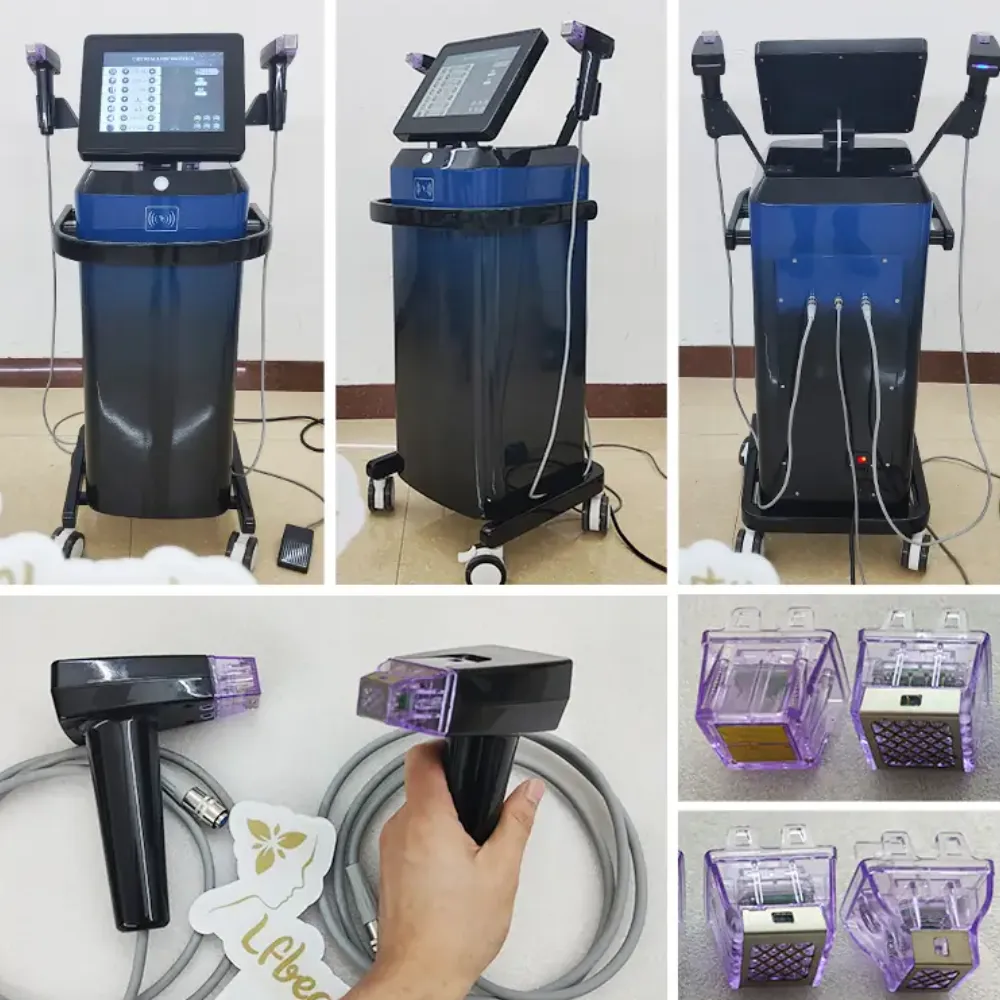
A practical RF microneedling cartridge cost review starts with identity. Record the machine model, handpiece model, cartridge code, and relevant version. Ask the supplier to confirm the pairing in writing and provide the current instructions for use, often called the IFU.
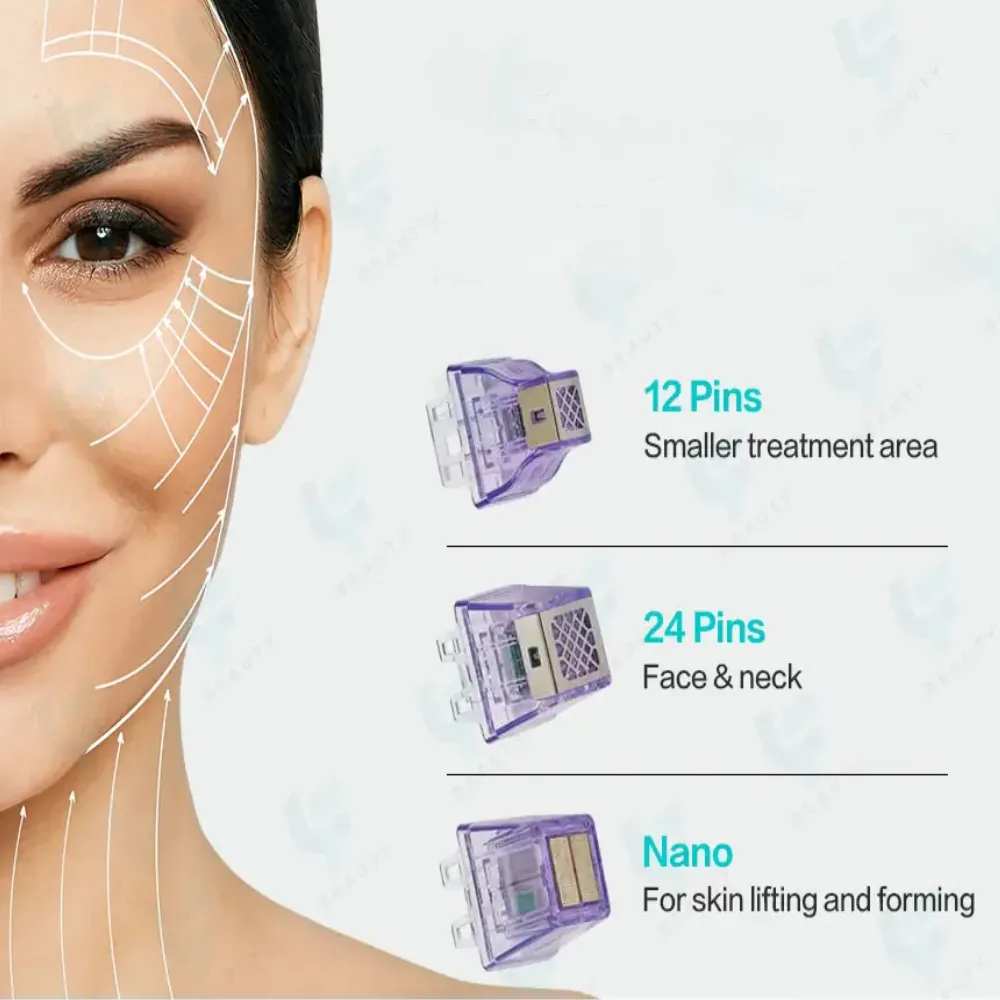
The same pin count does not prove a match. A similar connector also does not prove that the electrical and control features work together. Use the manufacturer’s supported pairing rather than appearance as the final check.
If you are still choosing a platform, browse professional RF microneedling machines and identify the exact candidate first. Then ask about its compatible consumables. A category listing alone cannot establish which tips a particular version accepts.
Insulation is another field to record, not a substitute for the tip code. See the guide to insulated and non-insulated RF needle designs for that distinction. Here, keep the task focused on matching the quoted item to the equipment you plan to use.
This official Cutera video introduces its Secret RF platform. Use it as background when discussing a complete system with a supplier. It does not verify LufenBeauty compatibility or establish RF microneedling cartridge cost, and it is not clinical training.
RF microneedling cartridge cost should be reviewed with the supplied labeling. Request the pack quantity, batch or lot code, expiry date, storage terms, and stated sterile and single-use status. Keep a label example with the quote so the receiving team knows what to expect.
The FDA’s microneedling device guidance for patients and providers advises using a new needle cartridge for each patient and each treatment session for the same patient. It states that reuse is unsafe even if the cartridge is cleaned. Build your purchasing plan around fresh cartridges, not a cleaning-based reuse assumption.
That guidance does not validate a particular seller’s product or prove that a LufenBeauty model has a specific clearance. Have your clinical team review the exact device instructions and local requirements. The buying file should state what is supported, not what a similar machine happens to offer.
Keep unresolved items visible. If the supplier changes a tip code, ask whether the approved machine and handpiece pairing also changed. Don’t treat a replacement code as equivalent until the supporting documents confirm it.
Start with the simplest calculation:
Listed price per cartridge = quoted pack price ÷ cartridges per pack.
For RF microneedling cartridge cost planning, the next step is landed cost: what it takes to get the goods to your location. Add allocated freight, duty, handling, and taxes your business cannot recover. Deduct actual credits, and avoid counting a charge twice if it is already included.
Planned landed cost per usable cartridge = total landed cartridge spend ÷ expected usable cartridges.
Keep your expected losses explicit. They might include a documented allowance based on your own damaged or expired stock records. There is no loss percentage in this guide to apply to every clinic or supplier.
Illustrative scenario: A clinic compares one quote with delivery included and another with freight still pending. The team waits for the second delivered total, then records both quotes in the same currency. It can now compare the same cost boundary without inventing an exchange rate or shipping allowance.
The RF microneedling cartridge cost worksheet below keeps these inputs separate. Use it for each compatible tip code. Leave an unknown field blank and assign it to someone to confirm.
| Worksheet field | What to enter | Where to check |
|---|---|---|
| Device and tip code | Exact approved pairing | Written model documents |
| Quoted pack price | Currency and quote date | Supplier quote |
| Pack quantity | Number of cartridges | Quote and label |
| Delivery charges | Freight, duty, handling | Itemized delivery terms |
| Tax treatment | Nonrecoverable amount | Your finance records |
| Credits | Actual agreed credit | Supplier confirmation |
| Stock losses | Damaged or expired units | Local stock records |
| Usable quantity | Stock available for use | Reconciled inventory |
RF microneedling cartridge cost per completed treatment answers a different question from price per usable tip. A treatment plan may require more than one cartridge type or unit. Use the quantities required by the device instructions and the clinic’s approved protocol, rather than assuming every appointment uses one tip.
For an actual monthly review, allocate cartridge costs to the period in which they were used or written off. Include recorded training use and waste in the chosen cost boundary. Reconcile stock at the start and end of the period. Do not count a written-off tip again as treatment use; record credits against the loss when they are actually agreed.
Actual cartridge spend per completed treatment = cartridge costs allocated to the period ÷ completed treatments in that period.
Don’t divide the cash paid for a large new shipment by only the few treatments completed that month. Much of that purchase may still be sealed stock for later use. That mismatch can make a useful bulk order look costly for the wrong reason.
Keep the model limited to cartridges. Staff time, room costs, financing, and patient fees belong in a wider business model. For the broader equipment decision, use the RF microneedling machine buying guide.
Write “listed per tip,” “delivered per usable tip,” or “allocated per completed treatment” beside each result. These labels make RF microneedling cartridge cost easier to discuss across clinical, finance, and purchasing teams. The numbers can all be valid while answering different questions.
Keep original invoices and stock records with the sheet. A colleague should be able to trace a result to its inputs. If an input is a planning assumption, mark it as such rather than presenting it as a supplier promise.
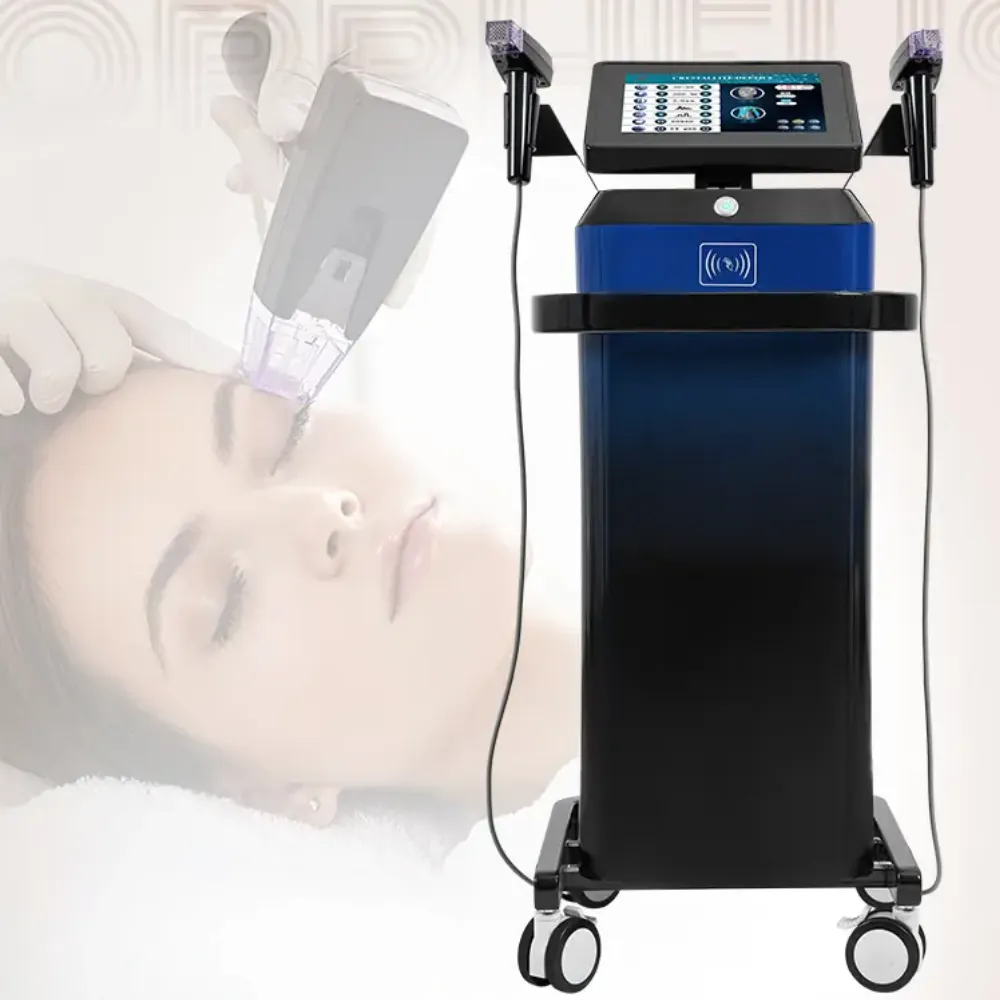
A bulk discount can reduce the quoted RF microneedling cartridge cost, but only compare it after checking the quantity and expiry terms. More units also mean more cash tied up in stock. Ask whether your expected use supports that order size before accepting a larger pack.
Track each tip code separately. A full stockroom can still leave the clinic short of the format it needs. Record sealed quantity, expiry, recent use, open orders, and the next confirmed delivery.
Set a reorder point using demand during the real replenishment lead time plus your chosen safety stock. Treat safety stock as a local planning choice. Review the inputs when demand or the delivery route changes.
Ask how much shelf life will remain on arrival, not just the product’s stated total shelf life. Confirm the minimum order quantity and whether mixed formats count toward it. Those details can change the practical RF microneedling cartridge cost of a repeat order.
Ask what happens if the cartridge design, code, handpiece, or supported software version changes. Get written guidance for existing stock and installed machines. Do not assume that an updated package will work with every earlier version.
The quote should also identify the contact for a damaged pouch, wrong item, or unreadable batch label. Agree on the evidence needed and the reporting period. Keep a questionable pack out of routine stock while your team follows the supplier’s documented process.
RF microneedling cartridge cost planning should include the supply terms behind the number. Price validity, routine lead time, urgent supply options, and replacement terms all need clear answers. Record when the quote expires and who must confirm a changed delivery charge. A free starter pack does not establish future prices or availability.
Review training and after-sales support, then ask what applies to your exact package. A general machine warranty should not be assumed to cover disposable tips on the same terms. Keep the written consumables terms beside the equipment agreement.
Not necessarily. Compare only verified compatible tips, then include delivered cost and recorded losses. RF microneedling cartridge cost per usable tip is a better purchasing measure than an unlabeled box price, while actual treatment costing also needs the quantity consumed.
The FDA guidance cited above calls for a new cartridge for each treatment session, including for the same patient. It says cleaning does not make needle-cartridge reuse safe. Do not reduce RF microneedling cartridge cost by spreading a single-use tip across repeat visits.
No. Match the cartridge code to the exact machine and handpiece documentation. A pin count describes one feature; it does not establish a shared connector, insulation design, or supported system.
It covers only the items listed in that package. Ask for repeat-order pricing, minimum quantity, lead time, and product-change terms. A useful RF microneedling cartridge cost budget shows what happens after the included stock is used.
Send the machine and handpiece model, cartridge code if known, required quantity, delivery location, and requested documents. Include the current version or label photos when needed to identify the item. Ask the supplier to state any unresolved fit questions before quoting an alternative.
Illustrative scenario: A distributor receives a quote headed only “RF needles.” Before placing an order, the distributor asks for the code, pack quantity, compatible handpiece, delivery charges, and remaining shelf life. The purchase stays pending until the offered goods and terms are clear.
Use that same check for your RF microneedling cartridge cost review. Confirm identity first, put each price on a clear unit basis, and retain the documents that support the match. Then plan repeat orders using your own use and stock records.
Ready to compare a specific package? Contact LufenBeauty with your model and cartridge requirements. Request a written configuration and supply quote so you can assess RF microneedling cartridge cost for the exact equipment being offered.