RF Microneedling Cartridge Cost: A Clinic Buyer’s Guide
RF microneedling cartridge cost depends on the exact device and tip: compare the cartridge code, pack size, delivered price, and approved fit. Public seller prices...

Insulated vs non-insulated RF microneedling compares where a needle exposes its metal surface that carries current, but that difference alone does not tell you which device performs better. Buyers need the exact cartridge design, matching equipment, and evidence for the complete system.
Two tips can look alike in a product photo yet have different exposed areas. A gold finish or needle count can seem to settle the review. Yet the useful questions may not have started.
If you are checking insulated vs non-insulated RF microneedling for a clinic or supply business, start with documents rather than a winner. This guide explains the terms, separates design claims from study findings, and gives you a practical supplier checklist. You can then compare quotes on a clear, shared basis.
When reviewing insulated vs non-insulated RF microneedling, use this guide to ask better questions. Keep the needle label in view, but check the whole device too.
Key takeaways
In insulated vs non-insulated RF microneedling, the useful starting point is the metal surface that carries current. An insulating layer covers named parts of an insulated needle. The bare area remains available for electric contact with tissue.
A non-insulated needle has more exposed metal surface that carries current along its shaft. That description does not mean every point along the needle heats tissue equally. Actual energy transfer depends on the circuit, tissue contact, and use settings of the whole device.
Heat can still spread. Insulation does not stop all heat from moving into nearby tissue. Direct electrical exposure and heat spreading from an exposed area are separate concepts. A drawing can show the first; it cannot prove the final heat pattern during use.
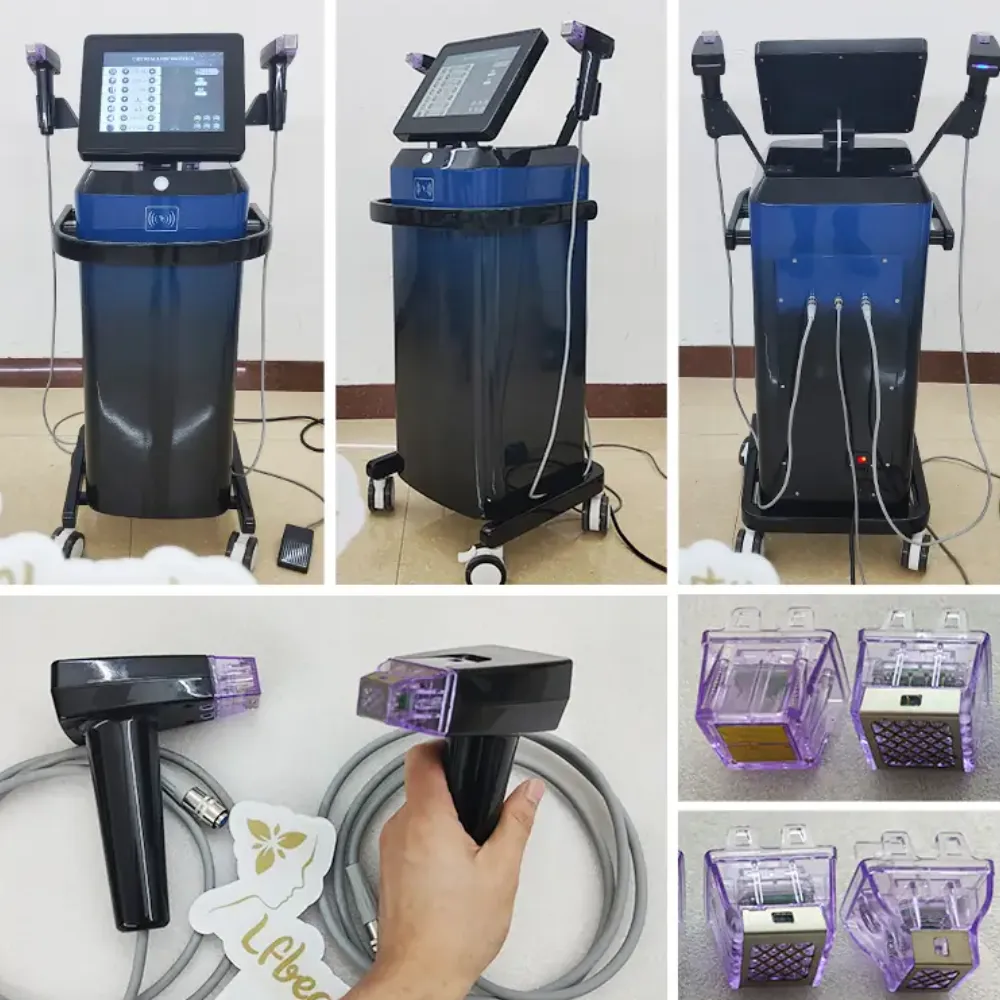
For insulated vs non-insulated RF microneedling, ask the supplier to mark the covered and bare parts. A close-up photo helps name a tip, but a labeled drawing is better for understanding its design. Keep both in your buying file.
Illustrative scenario: A buyer sees two gold-colored tips and assumes that both have the same insulation. The supplier provides separate drawings showing different exposed areas. The buyer updates the list before asking for a final quote; this example makes no claim about treatment outcomes.
Checking a specific setup? Request cartridge and equipment details from Lufen, including the exact model and a drawing of the offered tip.
Semi-insulated describes a design with partial coverage, but the term alone does not define where that coverage starts or ends. Ask for the maker’s definition. Do not assume that every product using the term has the same exposed length.
A historical Cutera Secret PRO brochure, dated February 2022, lists 25 non-insulated, 25 semi-insulated, and 64 semi-insulated tips. This shows why a two-column review can miss a useful option. It does not show current stock or approved fit with Lufen equipment.
| Tip description | What the label helps describe | What still needs verification |
|---|---|---|
| Insulated | Covered and exposed current-carrying areas | Exact coverage, materials, approved system |
| Non-insulated | More exposed bare metal shaft | Circuit, control features, device evidence |
| Semi-insulated | Partial coverage defined by the maker | Drawing, exposed length, exact tip code |
| Gold-colored or gold-plated | A surface finish description | Whether insulation exists and where |
Gold plating and insulation answer different questions. Needle count also describes the array, not the location of insulation. Neither detail should replace a proper needle drawing in an insulated vs non-insulated RF microneedling review.
The needle is one part. It belongs to a whole RF system. The generator, circuit, handpiece, cartridge, and control features all belong in the review. A meaningful insulated vs non-insulated RF microneedling review should name those parts before discussing outcomes.
RF frequency and pulse response matter because they are part of energy delivery. Feedback features, when present, also need clear definitions. Ask what the device measures, what it controls, and which claims the maker supports with testing.
Do not translate these questions into treatment settings. Your buying task is to show what the system includes and what evidence supports it. Qualified clinical staff should review its allowed use and instructions for the offered setting.
For the broader purchase process, use the RF microneedling equipment buying guide. Here, keep the scope narrower: show which needle design belongs to which complete setup.
A porcine skin study indexed in PubMed examined tissue coagulation and heat diffusion using insulated and non-insulated arrays at different RF frequencies. Published online in September 2020 and in print in April 2021, it shows why design and frequency must be considered together. Its findings do not show equal patient results between all needle types.
The study used animal tissue and specific test settings. It also reported maker funding. Treat it as evidence about the tested setups and tissue response, rather than a universal buying ranking.
For insulated vs non-insulated RF microneedling, this distinction prevents a common shortcut. Similar findings in a laboratory or animal model do not promise the same results in people. They also do not show a specific device’s suitability for every skin type.
Illustrative scenario: A clinic team receives a slide claiming that one needle type is best. On reading the cited study, they find that the compared systems also differ in RF delivery and control features. They ask for a more precise claim and an evidence summary before proceeding.
The official Cutera overview below can help buyers see another maker’s RF platform. It is not evidence of compatibility with Lufen equipment, proof of needle superiority, or clinical training. Check written spec sheets for every product you compare.
Use a video to form questions, then answer them with documents. In insulated vs non-insulated RF microneedling, a convincing animation still needs a named device, a clear claim, and the right supporting evidence.
There is no single label that settles every insulated vs non-insulated RF microneedling purchase. A clinical study can support a defined result for its tested device and patient group. It cannot by default support another brand, cartridge, or allowed use.
Begin with the study design. Was the study comparing two needle designs, two complete RF systems, or RF treatment with another procedure? Read the methods first.
These are different research questions, even when their titles use similar words.
Then check the endpoint and follow-up period. An appearance score, patient report, tissue image, and record of harm measure different things. Ask whether the evidence addresses the claim used in the quote or sales overview.
For insulated vs non-insulated RF microneedling, keep these evidence levels distinct:
Each serves a purpose. None should be silently swapped for another. A brochure supports a spec sheet claim more directly than a patient result claim.
The FDA’s October 2025 safety notice reports serious complications with certain uses of RF microneedling, including burns, scarring, fat loss, disfigurement, and nerve damage. It advises seeking properly trained, licensed providers and says RF microneedling is not for home use. These points make training and exact allowed-use documents useful purchase checks.
The notice does not show that an insulated cartridge removes those risks. It also does not show legal clearance for a specific Lufen product. Request local market documents for the model being offered and have the team in charge review them.
A careful insulated vs non-insulated RF microneedling decision thus includes evidence and service. Review training and after-sales support, then clarify what applies to the exact equipment package. A general service page should lead to specific written terms.
Use the same fields for each shortlisted system. For insulated vs non-insulated RF microneedling, the first question is whether you are comparing clearly named products. An low price cannot resolve an unknown tip code or unclear model edition.
| Field to record | Evidence to request | Why it helps |
|---|---|---|
| Generator and handpiece | Exact model and edition | Names the complete system |
| Cartridge | Tip code and packaging label | Names the replacement tip quoted |
| Needle design | Labeled needle drawing | Shows coverage and exposed areas |
| Approved fit | Written approved pairing | Avoids relying on visual resemblance |
| Allowed use | Current instructions for use | Defines the supported use and limits |
| Supply | Lead time and ordering terms | Makes replacement planning possible |
| Batch tracking | Batch and expiry details | Supports receipt and stock checks |
| Support | Training scope and service terms | Clarifies help after delivery |
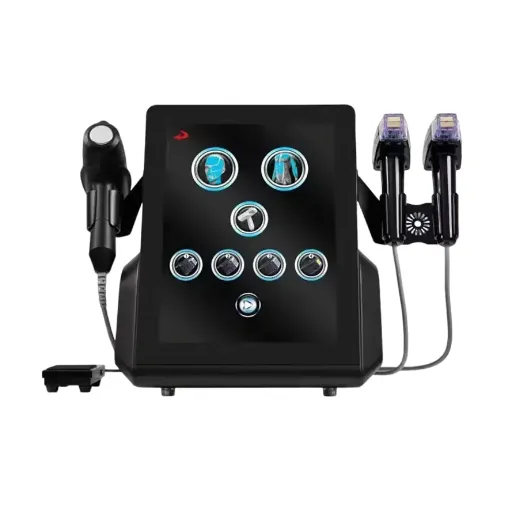
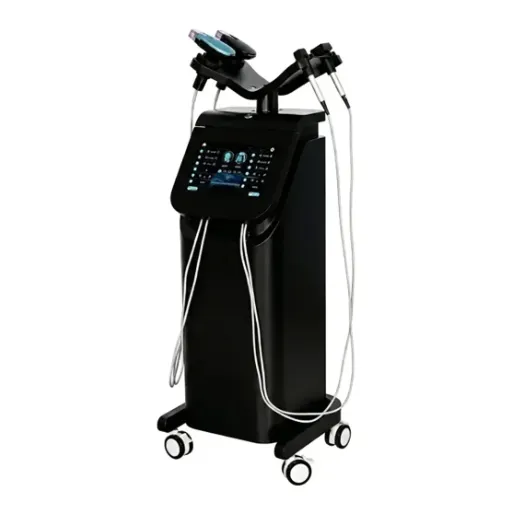
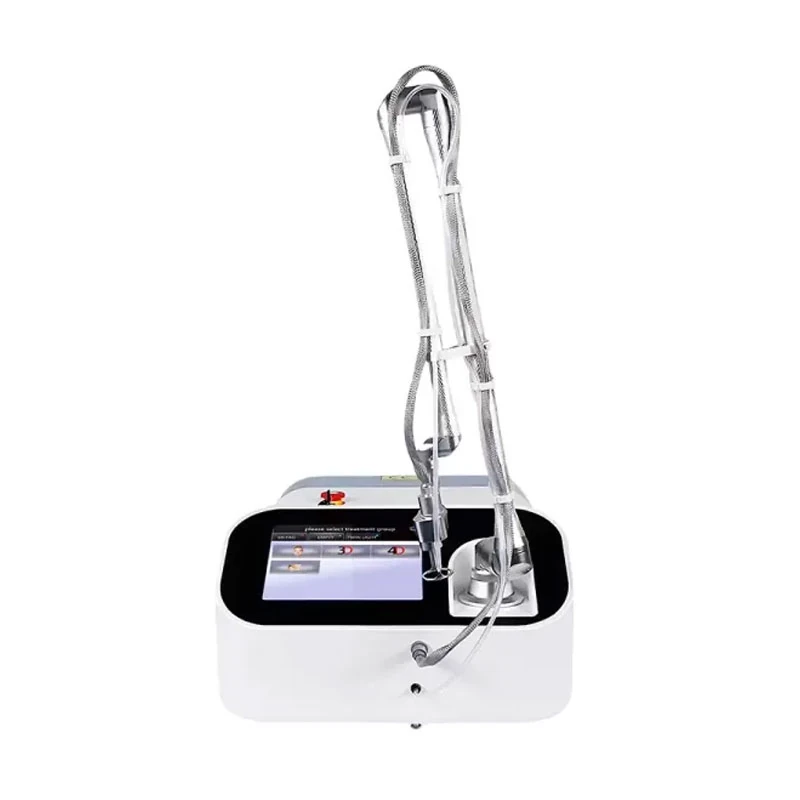
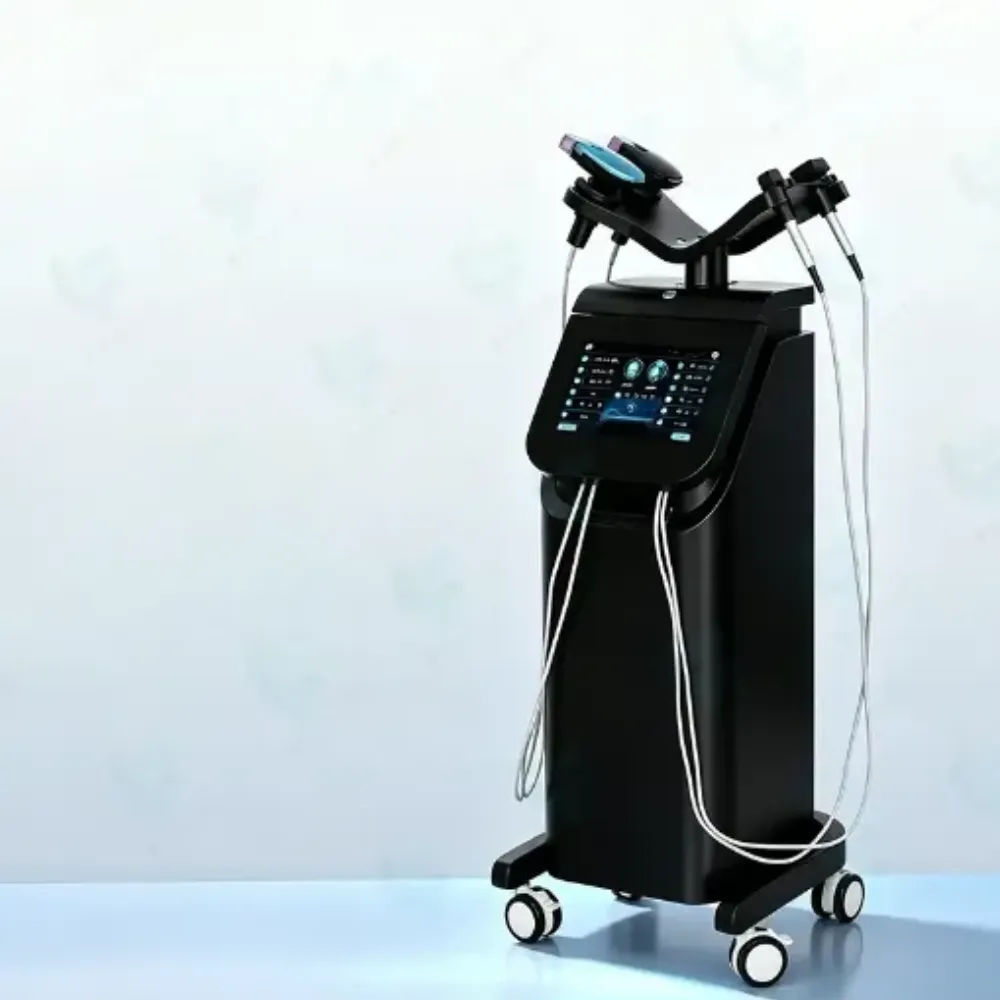
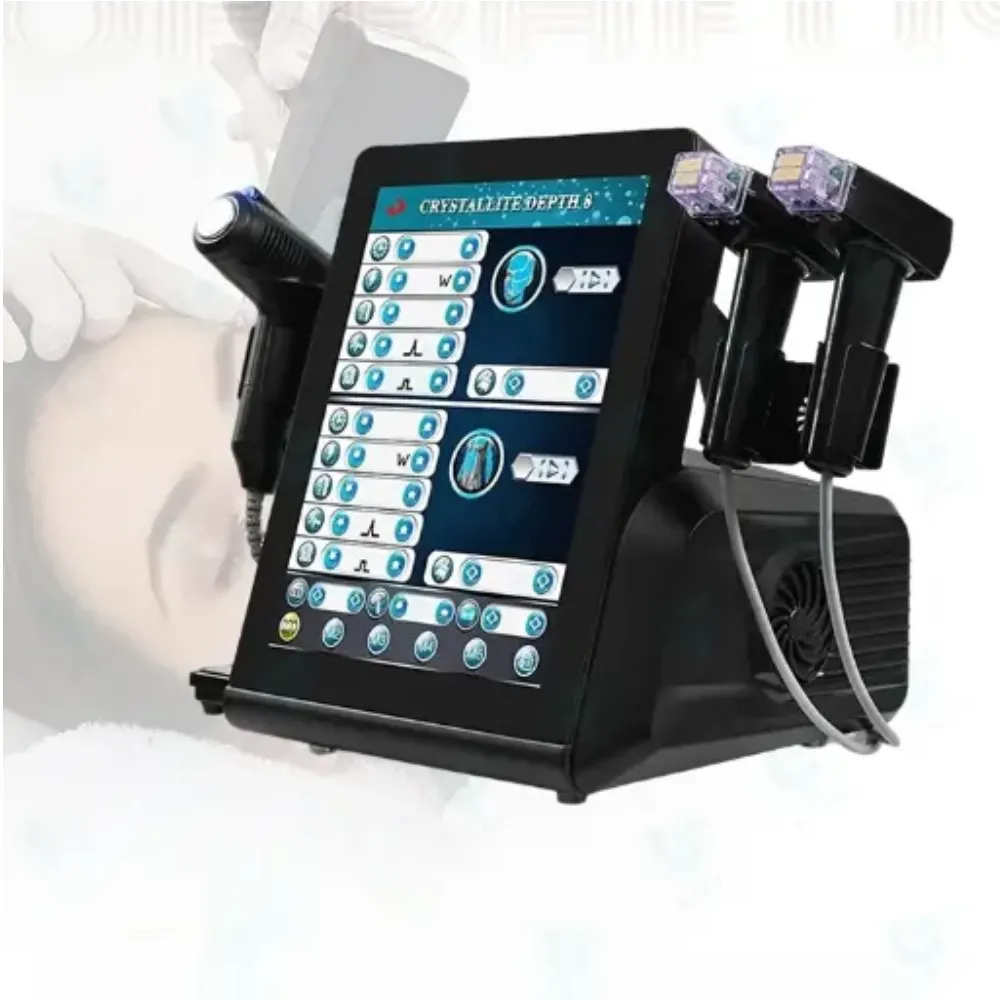
Browse professional RF microneedling machines to name a candidate, then request its documents. The category name does not show support for every insulation type. Keep the offered cartridge code beside the selected machine in your check sheet.
For a specific option, check the fractional RF equipment setup. Ask the supplier to confirm the offered edition and included replacement tips. Do not infer unverified features from another maker’s brochure.
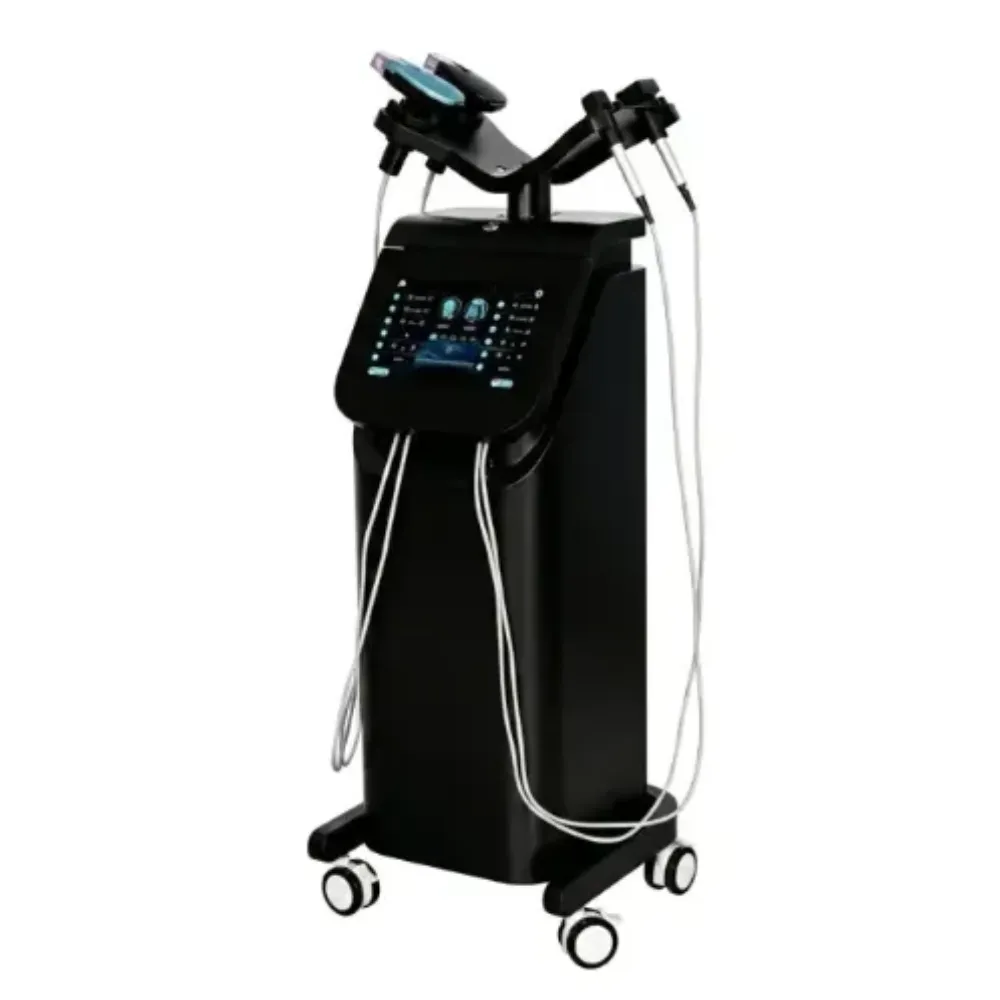
The same needle count does not prove cartridge fit. A similar connector is not enough. Check its electric fit, physical fit, and control match. Get the exact pair in writing.
Ask for the tip code and handpiece model on the same document.
In insulated vs non-insulated RF microneedling, a replacement tip can change more than an insulation label. Keep any offered tip swap within the maker’s verified setup. If the supplier cannot name the pairing, leave that item unresolved rather than marking it equal.
Check packaging and handling instructions as well. Record any single-use labeling, storage needs, expiry details, and disposal instructions supplied for the cartridge. Use the maker’s directions rather than inventing a reuse process to reduce operating costs.
Keep the two quotes side by side. Check each line with your team. Mark the facts you have checked, and leave a blank for each fact you still need. For insulated vs non-insulated RF microneedling, a short list of open points keeps the next call focused.
Ask who will send each missing file and when it will arrive. Keep the reply with the quote.
If a tip code changes, check the new code before you sign. Do not let a price change hide a change in what you will receive.
Check the package. Does it include the stated tip types and counts? Record replacement ordering codes and supply terms on their own. A machine quote and a repeat tip quote answer different buying questions.
Your insulated vs non-insulated RF microneedling review should also show which documents are still missing. A simple “confirmed / pending / not offered” column is more useful than a guessed score. Resolve critical fit and allowed-use gaps before accepting an different package.
No. Insulation limits direct current exposure at covered parts, but heat can still spread through nearby tissue. For insulated vs non-insulated RF microneedling, ask for device-specific evidence rather than treating the coating as a complete heat map.
It means partial insulation as defined for the specific product. Request a drawing showing the covered sections and exposed electrode area. The label alone does not show the same design across brands.
No. A gold finish describes plating or looks, while insulation describes insulation coverage. Keep those fields separate in an insulated vs non-insulated RF microneedling review, and request evidence for each stated feature.
Matching counts are not proof of an approved pairing. Ask for written approval with the exact generator, handpiece, and edition. Do not use a photo or a similar connector as the final decision rule.
Request the model spec sheet, cartridge drawing and code, approved fit statement, current instructions, and useful local market documents. Add batch labeling, supply terms, and the scope of training and support. For insulated vs non-insulated RF microneedling, this packet is the basis for a useful device review.
Choose a verified complete system that fits the clinic’s allowed use and buying needs after clinical review. The insulation label is one input. It cannot replace evidence, approved fit, or support when deciding which package to purchase.
Illustrative scenario: A distributor receives a lower-priced quote with a tip described only as “25-pin.” Before placing the order, the distributor asks for the cartridge code, insulation drawing, model pairing, and batch-label example. The order remains pending until the offered setup is clear.
For insulated vs non-insulated RF microneedling, end the review with a short document check. Confirm the exposed area, name the complete system, match claims to evidence, and record cartridge supply terms. Assign unanswered device questions to the right supplier or clinical reviewer.
Date the final document packet. Keep it beside the quote, with the model edition and tip codes on the cover. That creates a clear reference if a cartridge, package, or product edition later changes. It also helps a buying team explain why it selected the offered setup.
Ready to compare a verified package? Contact Lufen with your offered model and cartridge questions. Send your check sheet. Ask for the documents needed to assess insulated vs non-insulated RF microneedling for that specific setup, including approved fit, supply, and support details.