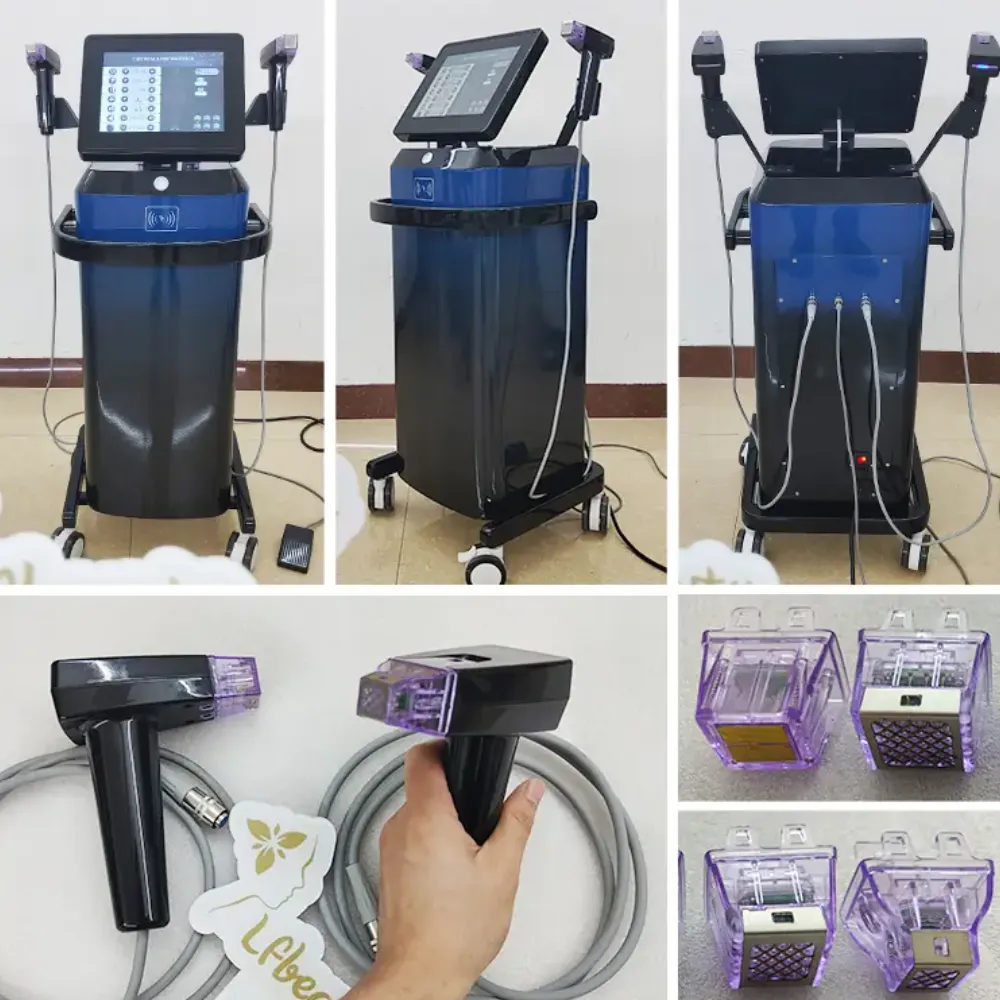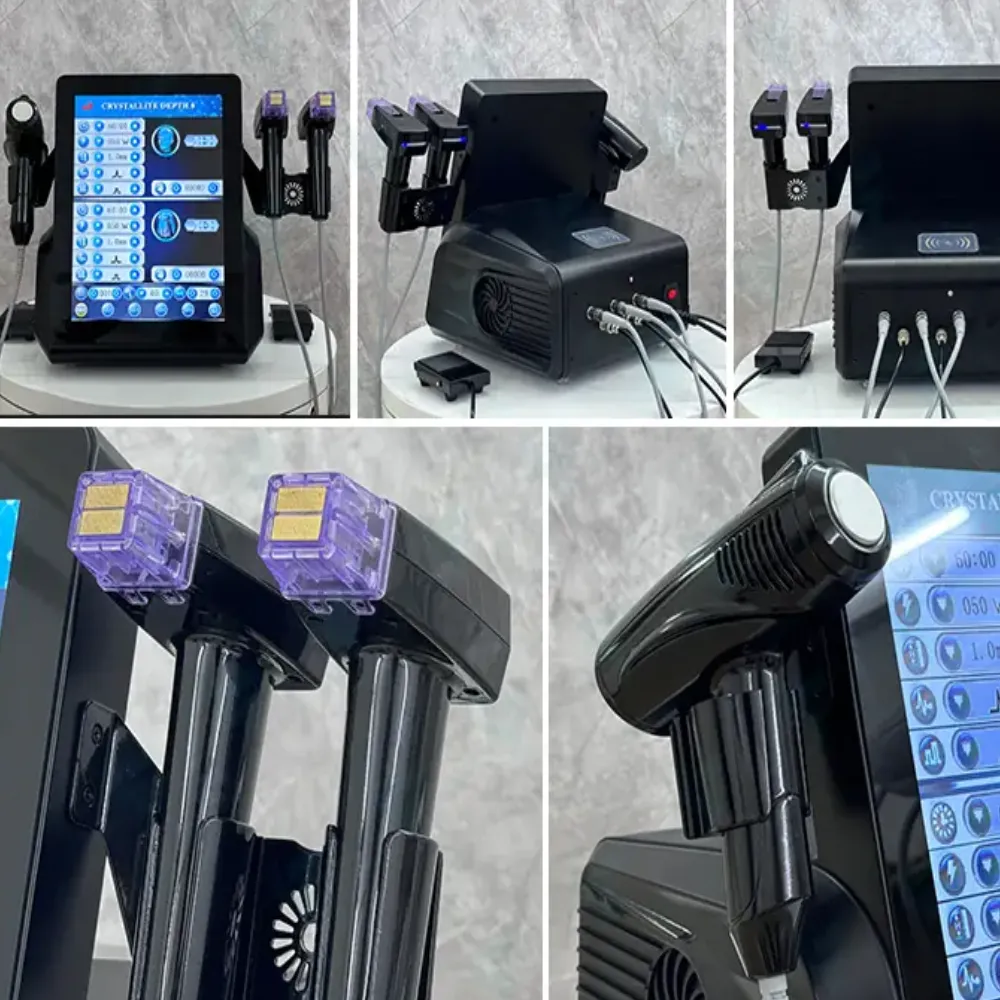
RF Microneedling Machine Maintenance: Service and Downtime Planning
Start RF microneedling machine maintenance with the instructions for your exact model. Separate care that trained operators may perform from technical work assigned to the...

Modern aesthetic clinics are increasingly looking for equipment that can support multiple treatment categories while maintaining reliable performance. Instead of investing in separate systems for hair removal, tattoo treatment, pigmentation management, and skin tightening, many clinics are considering integrated platforms that combine several energy technologies.
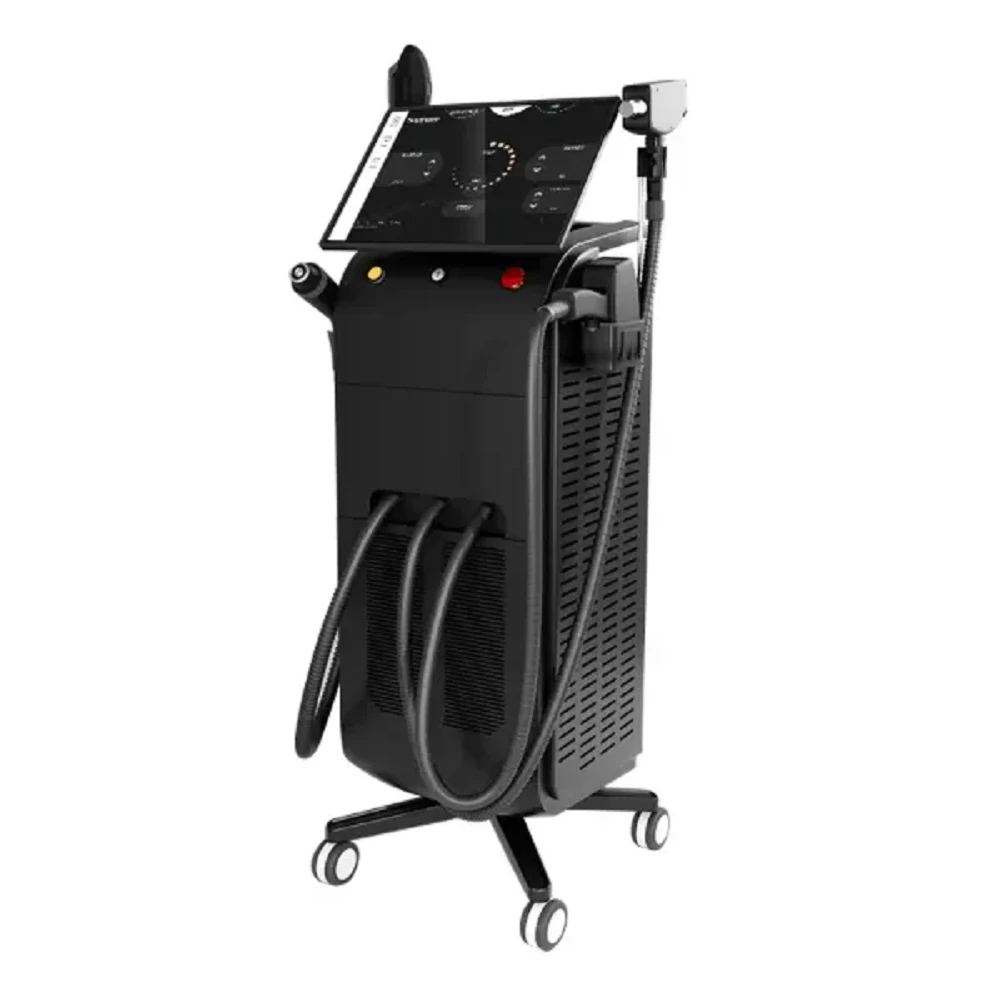
A diode laser hair removal machine with multifunctional capability can combine diode laser, picosecond laser, IPL/DPL, and RF technologies into a single platform. This approach helps clinics expand service options while making better use of treatment space.
However, integrating multiple technologies into one system requires careful engineering. Professional buyers need to evaluate whether the equipment can maintain stable energy output, efficient cooling, reliable operation, and manageable maintenance requirements during daily clinical use.
A high-quality multifunctional platform is not simply a device with multiple handpieces. Its value depends on how well each module works independently while operating together as a complete system.
A multifunctional 4-in-1 aesthetic platform combines four major technologies: diode laser, picosecond laser, IPL/DPL, and radiofrequency (RF). Each technology serves different treatment purposes, allowing clinics to provide more comprehensive aesthetic services with one device.
| Technology | Main Application | Key Function |
| Diode Laser | Hair reduction treatments | Delivers targeted laser energy to hair follicles |
| Picosecond Laser | Tattoo and pigmentation treatments | Uses ultra-short pulses for pigment fragmentation |
| IPL/DPL | Skin rejuvenation and pigmentation management | Uses controlled light energy for various skin applications |
| RF | Skin tightening treatments | Uses radiofrequency energy for deeper tissue heating |
A professional integrated system requires more than combining several treatment handles. The internal design must support:
For example, this type of platform may use separate circuit control systems and isolated water pathways to reduce interference between different modules. Proper engineering integration helps maintain consistent performance when switching between treatments.
The demand for multifunctional systems comes from changing clinic operation models.
For medium-to-high-end aesthetic clinics, space efficiency is an important consideration. A single platform that supports multiple services can reduce the need for several large devices while expanding treatment menus.
Small beauty clinics and skin management centers may also benefit from multifunctional equipment because it allows them to introduce more services without purchasing multiple standalone systems.
For distributors and OEM buyers, integrated platforms provide additional opportunities for product positioning. A supplier offering customization options, documentation support, and stable after-sales service can better support international markets.
The diode laser module is one of the core technologies in a multifunctional aesthetic platform. Professional systems often use multiple wavelengths to address different treatment requirements.
| Wavelength | Main Characteristics | Typical Application |
| 755nm | Higher melanin absorption | Fine hair and lighter skin applications |
| 808nm | Balanced penetration and absorption | General hair removal applications |
| 1064nm | Deeper penetration with lower melanin absorption | Darker skin types and coarse hair |
The 755nm wavelength has strong melanin absorption characteristics, making it suitable for certain fine hair applications. The 808nm wavelength is widely used because of its balanced penetration and absorption profile. The 1064nm wavelength provides deeper penetration and lower melanin absorption, making it suitable for darker skin types and thicker hair.
A triple wavelength system gives clinics more flexibility by allowing treatment parameters to be adjusted according to different requirements.
Many product pages highlight terms such as “high power,” “fast treatment,” or “million shots.” However, professional buyers should evaluate measurable technical performance rather than relying only on marketing descriptions.
Important evaluation factors include:
The quality of a laser system depends not only on the maximum power rating but also on whether the output remains stable during continuous operation.
For professional diode laser hair removal equipment, calibration processes, component quality, and thermal management directly influence long-term reliability.
Cooling performance is critical because laser treatments generate heat during operation. A reliable cooling system helps maintain treatment comfort and protects internal components.
Professional systems may include:
These features are particularly valuable for clinics with high treatment volume or locations with hot and humid environments.
A stable cooling system helps maintain consistent operation during longer treatment sessions and reduces stress on key components.
The picosecond laser module expands the application range of multifunctional platforms beyond hair removal.
A professional picosecond laser tattoo removal machine uses extremely short pulse durations to deliver high peak energy, helping break pigment particles into smaller fragments.
Different wavelengths are selected based on pigment characteristics:
Picosecond technology delivers energy in ultra-short pulses. The rapid energy release creates a photoacoustic effect that helps fragment pigment particles.
Compared with traditional longer pulse technologies, picosecond systems focus on precise energy delivery and controlled interaction with pigment targets.
A professional picosecond laser machine should be evaluated based on pulse stability, wavelength configuration, optical quality, and manufacturer testing procedures.
A multifunctional platform can combine laser and non-laser technologies to support broader aesthetic treatment programs.
IPL/DPL modules are commonly used for:
These light-based technologies provide additional treatment options beyond laser hair removal.
RF technology uses radiofrequency energy to heat deeper skin layers. It is commonly applied in non-invasive skin tightening procedures.
Key considerations include:
By integrating RF into the same platform, clinics can combine different treatment categories within one equipment system.
When selecting a multifunctional aesthetic system, buyers should look beyond the number of functions available.
Important evaluation factors include:
Some advanced systems use German micro-channel diode bars and sapphire cooling structures to improve heat management and output stability.
However, buyers should review actual specifications, testing information, and supplier documentation rather than relying only on claims.
Water circulation design is another important consideration for long-term operation.
Professional systems should include:
An anti-air-lock structure, such as a rear overflow hole, can help release trapped air inside the water pathway. This design reduces the risk of pump idle operation and improves stability after transportation and installation.
Since multifunctional systems use multiple treatment modules, handpiece design affects daily workflow.
Important features include:
A well-designed connection system allows operators to switch applications more efficiently.
The price of a professional multifunctional laser system depends on several factors.
Main factors include:
A multifunctional system generally requires more engineering integration compared with a single-purpose device.
| Option | Advantages | Limitations |
| Multiple standalone machines | Dedicated systems for each treatment | Higher investment and maintenance requirements |
| 4-in-1 multifunctional platform | Multiple services in one system with lower space requirements | Requires strong engineering integration |
The purchase price is only one part of the overall investment.
Buyers should also consider:
A reliable supplier can help reduce long-term operating risks.
Selecting the right manufacturer is essential for clinics, distributors, and OEM buyers.
Buyers should evaluate:
A capable manufacturer should have clear production standards and inspection procedures.
Depending on the target market, relevant standards may include:
Certification documents should match the specific product model and market requirements.
For international buyers, customization and technical support are important.
OEM/ODM options may include:
After-sales support should include:
A well-designed 4-in-1 platform combines multiple technologies into a single treatment system:
This configuration allows clinics to provide hair removal, pigmentation treatment, tattoo-related applications, and skin rejuvenation services from one platform.
Typical configuration features include:
The system is suitable for:
For buyers looking for a versatile diode laser hair removal device, evaluating system integration, reliability, and supplier support is essential.
A diode laser hair removal machine focuses on professional hair removal, while a multifunctional aesthetic platform combines diode laser, picosecond laser, IPL/DPL, and RF technologies for hair removal, tattoo removal, pigmentation treatment, and skin rejuvenation.
Yes. A triple wavelength diode laser uses 755nm, 808nm, and 1064nm wavelengths to address different hair types and skin conditions. Professional systems can adjust treatment parameters for different requirements.
Professional equipment should meet relevant standards, including CE, FDA requirements, IEC 60601-1, IEC 60825-1, and ISO 13485, depending on the target market.
Clinics should evaluate manufacturers based on production capability, quality control, certifications, OEM/ODM support, and after-sales service.
A multifunctional 4-in-1 diode laser platform combines several aesthetic technologies into one integrated solution, helping clinics expand treatment options while improving equipment flexibility.
However, choosing the right system requires careful evaluation of technical performance, cooling reliability, compliance documentation, manufacturer capability, and long-term support.
For clinics, distributors, and OEM buyers, a reliable supplier should provide not only advanced equipment but also consistent technical support throughout the product lifecycle.
Contact us today to learn more about our 4-in-1 diode laser hair removal machine specifications, customization options, and professional equipment solutions.