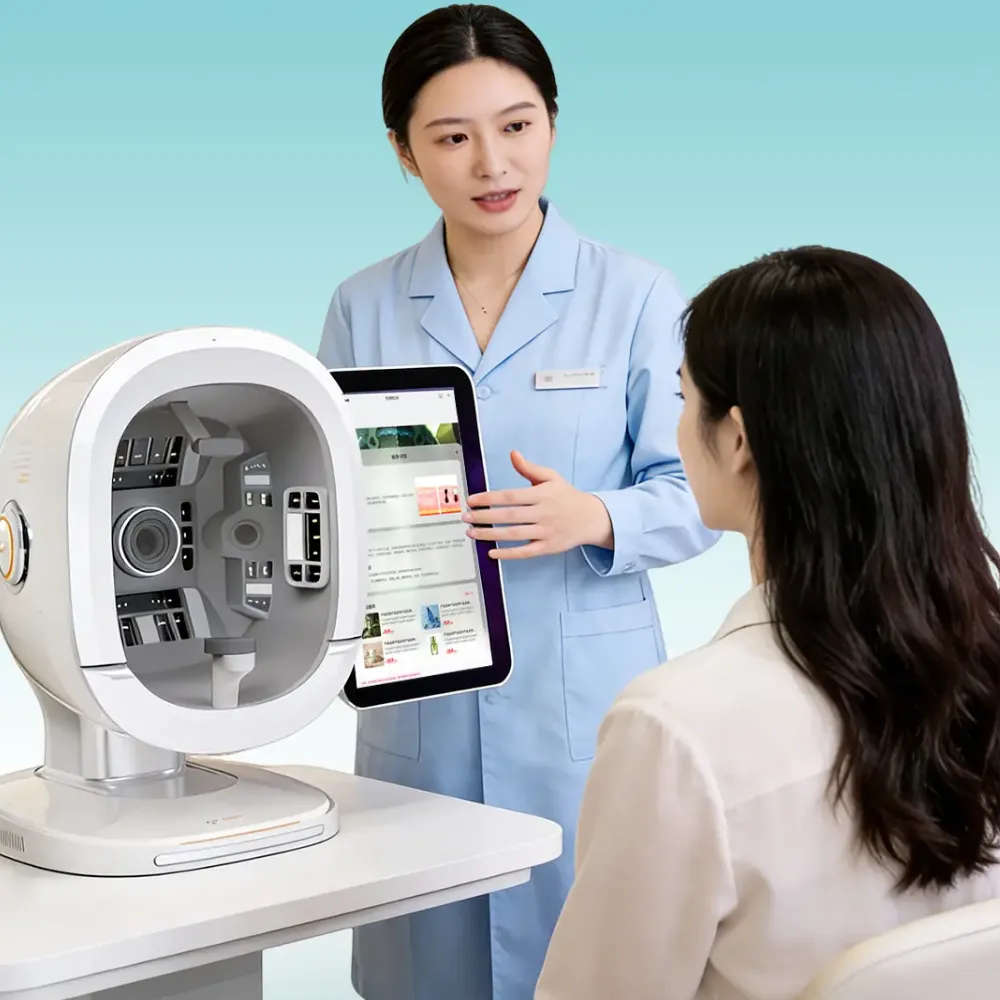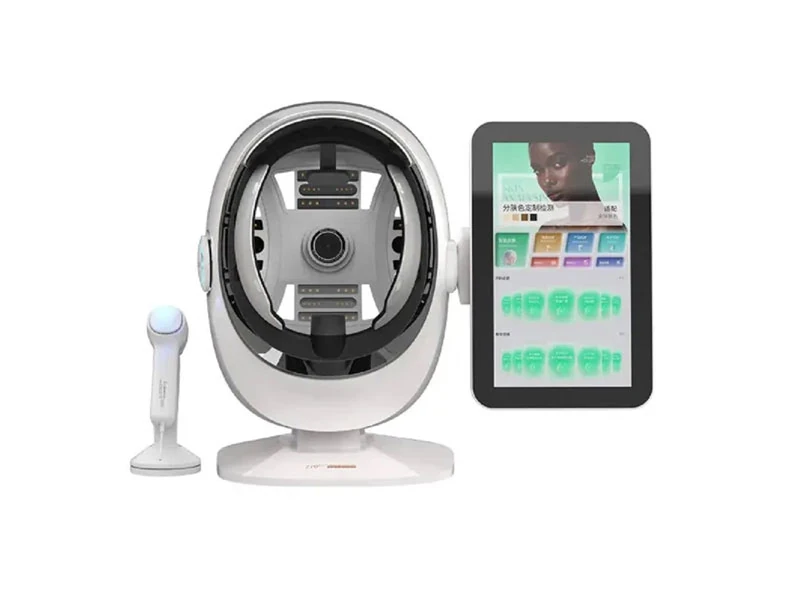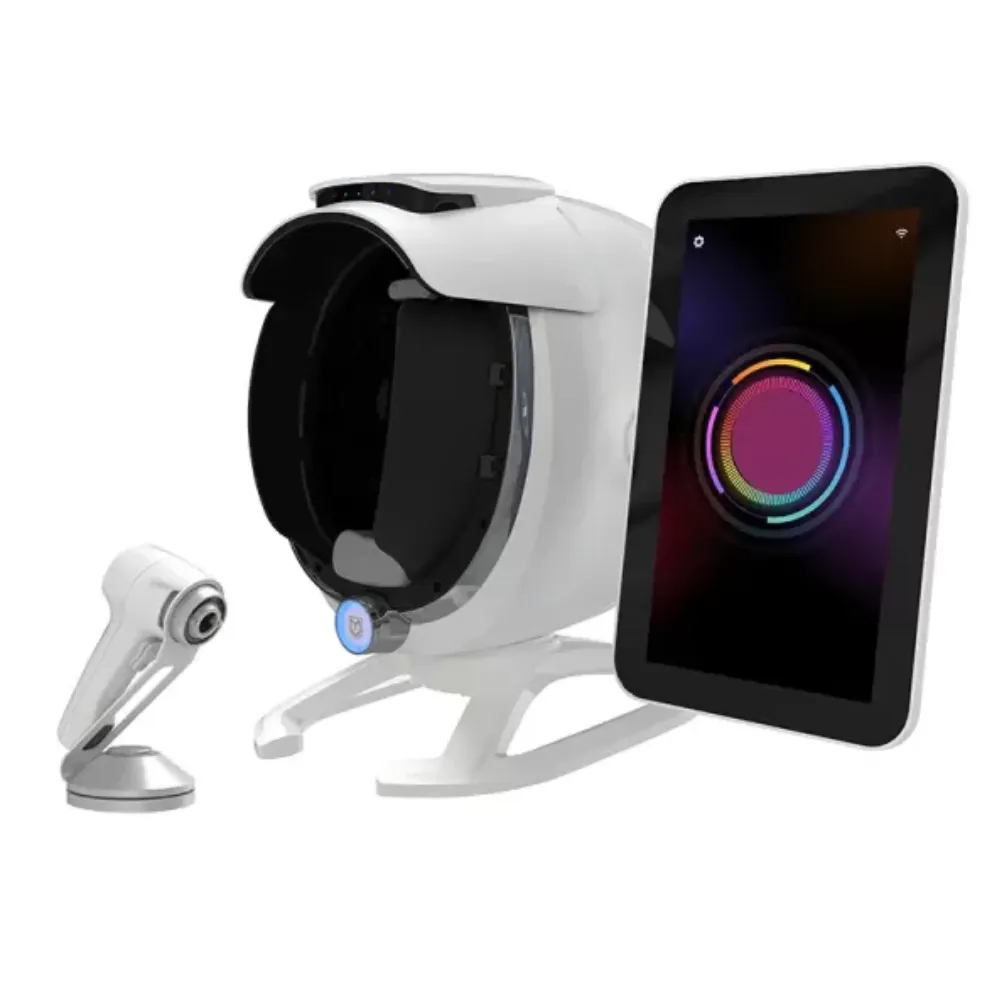
Skin Analysis Software Data Privacy: Clinic Guide
Skin analysis software data privacy starts with knowing where images go, why they are used, who can access them, and how each copy is removed....

In the rapidly modernizing global medical aesthetics market, beauty clinic owners, medical spa operators, and device distributors face an escalating challenge: catering to clients who demand high-impact anti-aging and dermal resurfacing results without enduring prolonged social downtime. Traditional invasive surgical procedures or harsh ablative optical treatments often carry risks of hyperpigmentation and extended recovery periods.
1. Dermal and Subdermal Layer Mechanics: How Fractional Thermal Energy Reconstructs Skin
To fully appreciate the clinical superiority of this device, one must examine its micro-physiological impact across skin layers. Unlike basic topical devices that only heat the outer stratum corneum, fractional RF microneedling triggers controlled biological repair mechanisms throughout four key structural layers: the epidermis, dermis, subcutaneous adipose layer, and superficial muscular aponeurotic system.
When evaluating capital equipment investments, device buyers must evaluate how new platforms perform against existing industry standards. Below is a comparative breakdown showing why multi-functional RF microneedling outshines traditional optical and manual alternatives:
| Feature / Feature Aspect | Traditional Fractional CO2 Laser | Manual Microneedling (Dermaroller) | 4-in-1 Fractional RF Microneedling Machine |
| Primary Energy Source | High-energy Light/Laser Beam | Mechanical Micro-puncture Only | Combined RF Thermal + Motorized Needles |
| Epidermal Damage Level | High (Ablative / High Downtime) | Moderate (Risk of Skin Tearing) | Minimal (Insulated Needle Barrier) |
| Depth Precision | Fixed Penetration via Light | Uncontrolled Manual Pressure | Stepping Motor (0.5mm-7.0mm, 0.1mm steps) |
| Subcutaneous Fat Action | None (Limited to Dermis) | None (Surface Only) | High (Deep Thermal Adipose Remodeling) |
| Post-Treatment Downtime | 7 to 14 Days | 3 to 5 Days | 24 to 48 Hours |
| Risk of Hyperpigmentation | There are risks.The operator must be highly experienced. | Low to Moderate | Extremely Low (360° Energy Recovery) |
The engineering behind this 4-in-1 platform is crafted to address diverse anatomical zones and variable tissue densities. The device incorporates four distinctive treatment modalities and specialized interchangeable consumable cartridges:
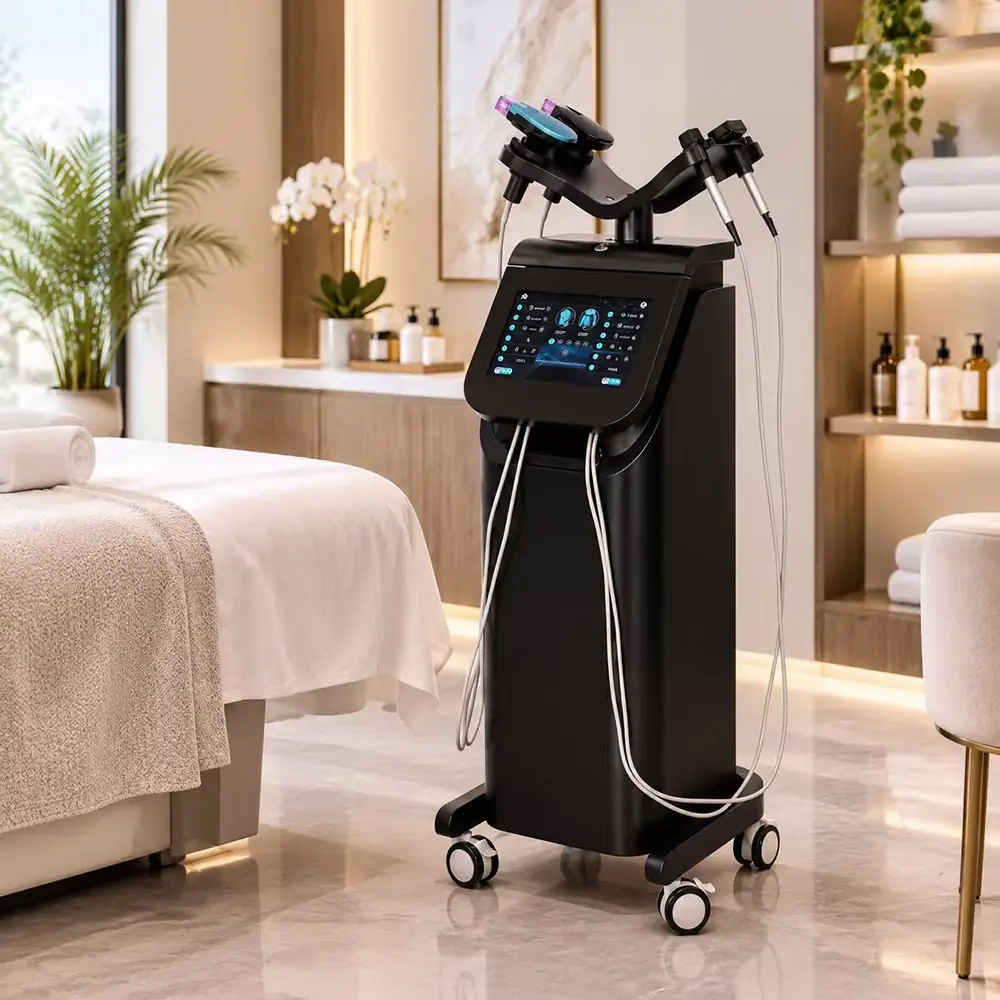
In addition to microneedling, the machine incorporates non-invasive monopolar radiofrequency handles and dual-size thermal care attachments. Equipped with gold-plated large-surface electrodes, these handpieces distribute stable thermal energy directly across skin surfaces.
They stimulate micro-vascular circulation, relieve facial edema, and promote subtle lymphatic drainage. This makes them an ideal solution for clients seeking zero-downtime lunchtime face-lifts or pre-event skin tightening.
For aesthetic clinic owners and medical spa directors, device purchasing decisions extend beyond clinical features to economic sustainability. This comprehensive system offers exceptional revenue potential through versatile menu packaging and low consumable overhead:
To guarantee clinical safety, minimize adverse side effects, and foster client retention, practitioners should adhere strictly to structured pre-care, operational, and post-care protocols:
| Technical Parameter / Parameter Name | Machine Specification / Technical Value |
| Power Supply Requirement | AC 100-240V, 50-60Hz (Universal Compatibility) |
| Working Output Power | 50W System Power / Handpieces up to 35W Output |
| Display Interface | 12.1-Inch High-Definition Capacitive Touchscreen |
| Display Resolution | 1280 x 800 Pixels |
| Controller Frequency | 2.0 MHz RF Frequency Output |
| Needle Depth Control Range | 0.5mm to 7.0mm (Adjustable via Digital Touchscreen) |
| Cartridge Options | 12-Pin, 24-Pin, 40-Pin, Nano-Crystal, Monopolar RF Heads |
| Cable & Cord Management | Concealed Flip-Cover Enclosure System |
Q1: What is the primary difference between insulated and non-insulated needles?
A: Insulated needles feature an active RF tip while the shaft remains isolated, protecting the upper epidermis from thermal damage. Non-insulated needles emit RF energy along their entire length, suitable for targeting multi-layer dermal concerns in lighter skin types.
Q2: Can the non-invasive RF handles be used immediately after a fractional microneedling treatment?
A: It is recommended to perform non-invasive RF treatments on separate treatment days, or prior to invasive microneedling, to prevent over-stimulating micro-injured dermal tissue.
Q3: How often can clients undergo full-face RF microneedling?
A: Treatments are typically repeated every 3 to 6 weeks, depending on client skin recovery rates and the aggressiveness of treatment parameters.
The multi-functional fractional radiofrequency microneedling system represents a transformative advancement in modern aesthetic engineering. By bridging the gap between invasive skin resurfacing and gentle non-invasive care, this platform equips medical practices with the tools needed to achieve high client satisfaction, rapid recovery times, and scalable commercial profitability.