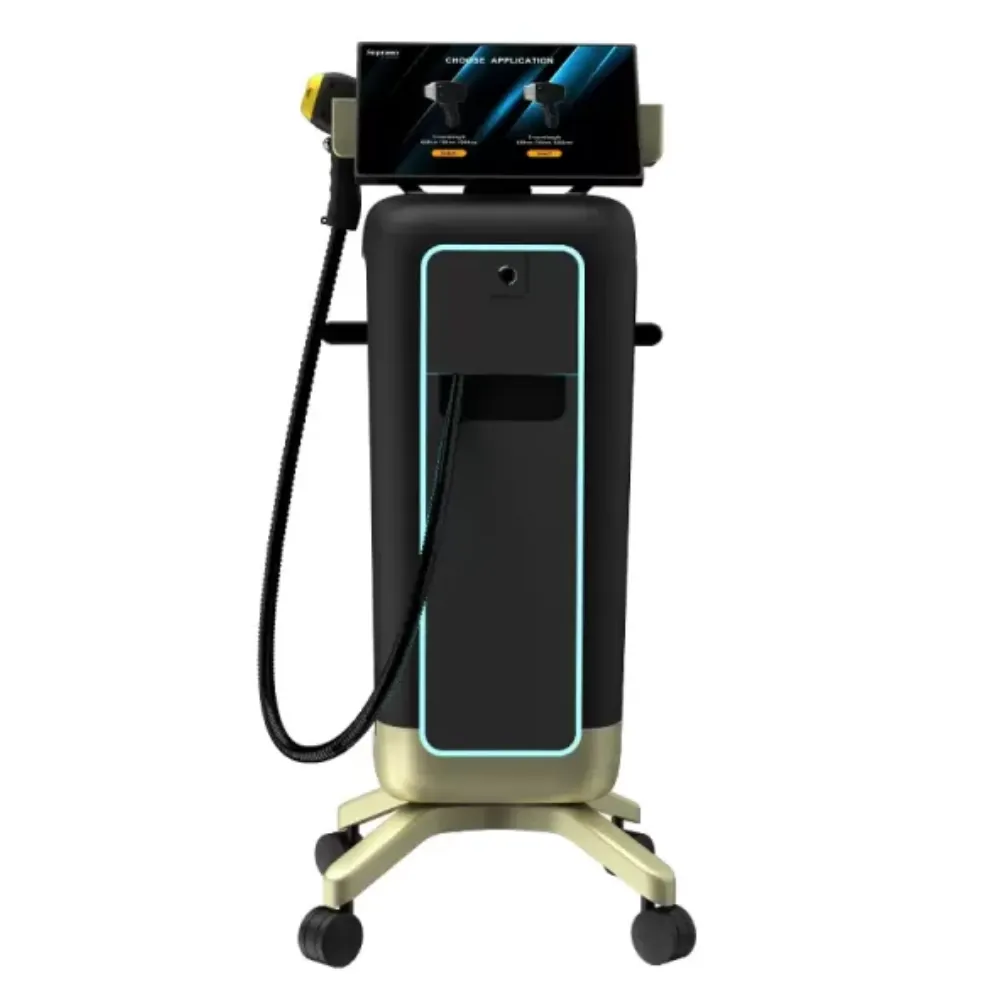
Diode Laser Power vs Fluence: Watts, Joules and J/cm²
The difference in diode laser power vs fluence is what each number measures: power is energy per unit time, in watts, while fluence is energy...

A diode laser for dark skin requires a review of the exact device, its evidence, and the individual being assessed. Neither a three-wavelength label nor a 1064nm claim establishes universal suitability. Clinics should distinguish a diode platform from a true long-pulsed Nd:YAG system before comparing the options.
For a buyer, the useful question is which documented configuration fits the service your qualified team can provide. A machine cannot replace client assessment, training, or a clear process for managing adverse effects. A brochure that promises to treat everyone leaves those decisions unresolved.
This guide helps clinic owners and distributors ask better questions about architecture, evidence, and support. It explains what to verify before adding a device to the shortlist. It does not supply treatment settings or establish the suitability of any LufenBeauty model for a particular patient.
Key Takeaways
Reviewing a device for your clinic? Contact LufenBeauty with your market, proposed model, and document questions. Ask which evidence and instructions are available for the supplied configuration.
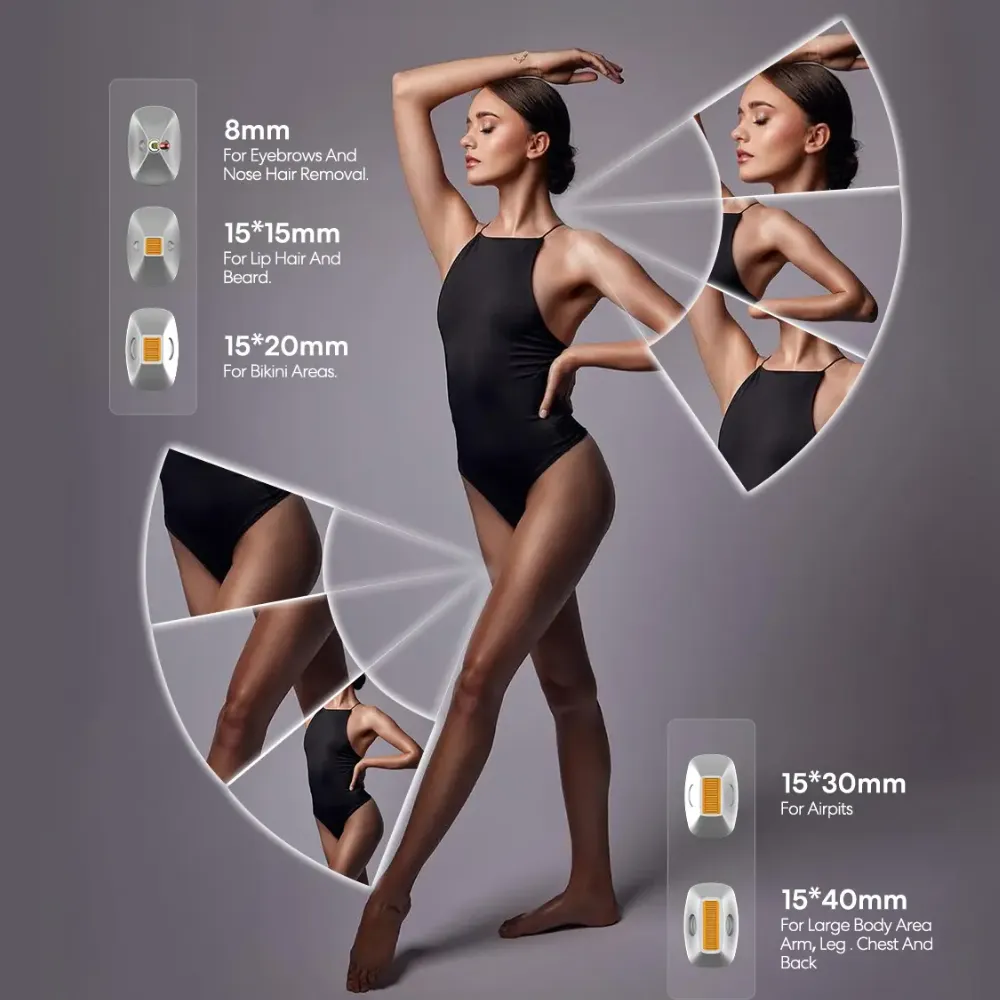
The decision about a diode laser for dark skin starts with clinical scope. Ask your qualified lead which client needs the proposed service will assess and which cases require another approach or referral. Define those limits before turning a product chart into a treatment menu.
The Skin of Color Society’s hair removal information identifies long-pulsed 1064nm Nd:YAG as an option for darker skin. It also mentions diode and alexandrite lasers and advises asking the provider about suitability. This is professional education, not approval of every device sharing a wavelength label.
For a diode laser for dark skin, request the actual instructions for use and relevant clinical evidence. Have the clinical lead review the supported uses and restrictions. A vendor’s phrase “all skin types” is not enough to resolve those questions.
Keep skin tone, recent tanning, hair characteristics, and medical history within individual assessment. They are not interchangeable labels on a buying chart. Do not assume that a preset automatically accounts for every factor that matters to the person being treated.
The American Academy of Dermatology’s consultation guidance includes questions about the doctor’s experience treating people with similar skin coloring. It also emphasizes discussing the procedure and individual circumstances. Use that approach when planning staff competence and clinical oversight.
Buying a diode laser for dark skin does not establish that the team is ready to use it. Ask who will assess clients, who will operate the model, and how competence is reviewed. Confirm the requirements that apply to your practice and market.
Illustrative scenario: A clinic checks its service scope. An owner receives a broad skin-type chart with a quote. The clinical lead requests the model instructions and evidence before defining which clients the service will assess. The purchase brief follows that review rather than the chart’s headline.
A discussion of a diode laser for dark skin should address unwanted skin effects as well as hair reduction. Ask the clinical lead what evidence is needed to evaluate the proposed system. Keep questions about adverse effects alongside claims about performance.
The Skin of Color Society’s guidance calls for provider review of laser suitability. It does not say that every diode or every multi-wavelength system is risk-free. Do not convert general educational advice into a guarantee that a specific purchase cannot cause harm.
When evaluating a diode laser for dark skin, ask how the model’s documentation addresses patient selection, restrictions, operator training, and adverse-event response. These are separate questions from the number of wavelengths. A long feature list does not answer them automatically.
Avoid statements that a wavelength is “perfect” for dark or tanned skin. Ask which population and conditions the supporting evidence actually covers. If the supplier cannot identify that evidence, leave the claim unresolved instead of repeating it to clients.
An equipment buying guide should not assign a universal fluence, pulse duration, or maximum-power setting by skin tone. Those decisions require the specific device instructions and qualified clinical judgment. Do not use a supplier comparison table as an operating protocol.
For a diode laser for dark skin, also ask what the presets represent and what the operator must verify. A menu selection is not evidence that an individual has been assessed. Keep the process for review and escalation clear before the service begins.
If the clinical team needs further information, request it in writing. Record the question, the model involved, and who is responsible for the reply. An unanswered safety question should remain open in the purchase file.
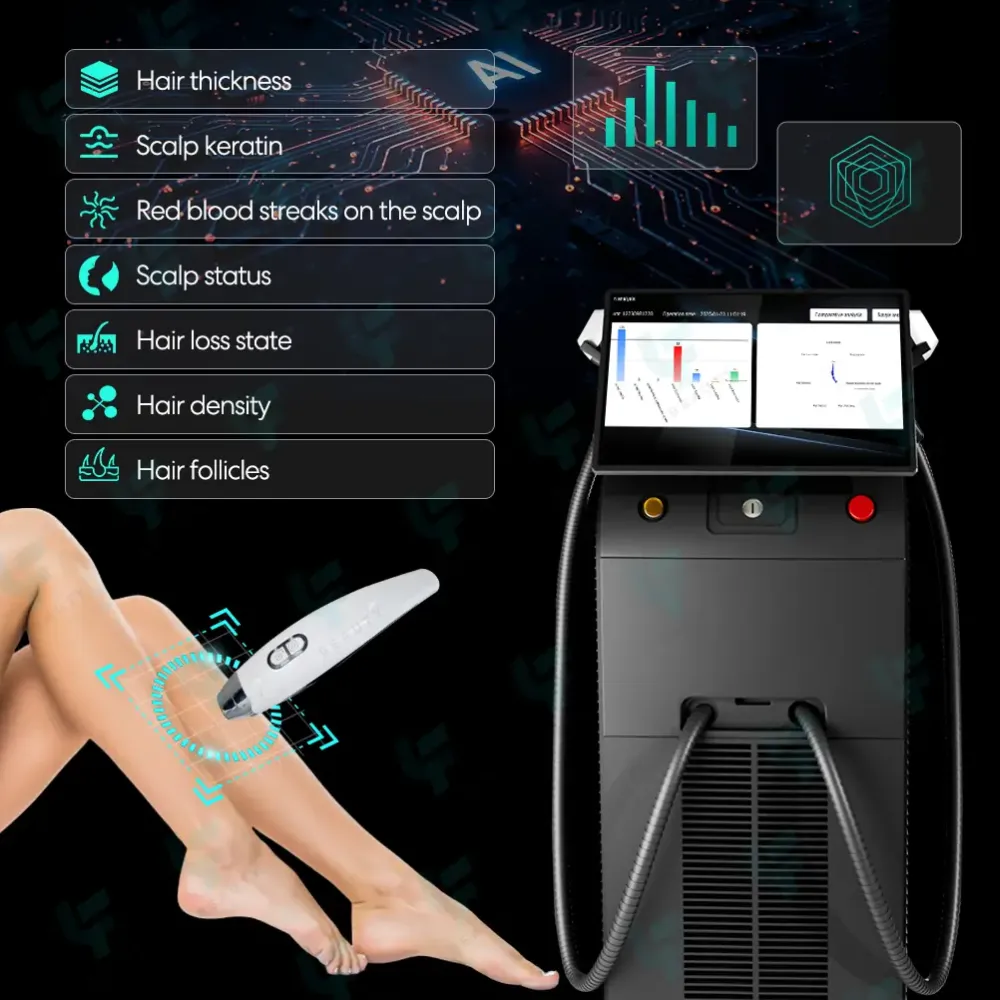
The distinction between a diode laser for dark skin and a long-pulsed Nd:YAG system is important. A diode platform uses semiconductor sources. Nd:YAG identifies a different laser medium; a diode component with a 1064nm label does not become an Nd:YAG crystal source.
Likewise, a diode component emitting around 755nm is not automatically an alexandrite crystal laser. Ask the supplier to identify the actual architecture, handpiece, and delivery mode. Keep those details consistent across the quote, label, and instructions.
The three-wavelength equipment explanation provides further configuration questions. A wavelength list should lead to a document review. It should not be treated as proof of three separate laser technologies or guaranteed clinical coverage.
| Question | What to Verify |
|---|---|
| What is the light source? | Actual laser medium and supplied configuration |
| How is output delivered? | Relevant modes, controls, and instructions |
| What clinical scope is supported? | Exact model uses, restrictions, and evidence |
| Which population was studied? | Skin characteristics, hair, body area, and selection criteria |
| Who can use the equipment? | Applicable qualifications and model-specific training |
| What remains uncertain? | Missing documents, unanswered claims, and required review |
For a diode laser for dark skin, do not borrow a true Nd:YAG study simply because both descriptions contain 1064nm. The source, pulse delivery, cooling, and clinical conditions need scrutiny. A shared number does not settle whether evidence transfers.
Illustrative scenario: A distributor checks a technology label. A brochure describes a diode handpiece using a familiar crystal-laser name. The buyer asks for the actual source and model documents. The team corrects its comparison before assigning benefits from a different system.
Evidence for a diode laser for dark skin should be traceable to a specific publication or test record. “NCBI confirms” is not enough. Ask for the title, authors, date, device, population, outcomes, and follow-up so the clinical lead can assess the claim.
An older publication by Adrian and Shay examined an 800nm diode device in African American patients. The publication record identifies that clinical and histologic study. Its existence is a reason to examine the original evidence, not to declare every modern diode platform suitable.
Do not take a study’s device settings and turn them into instructions for another model. If full methods and results are unavailable, say so. A search excerpt or a title cannot support a numerical claim about reduced pigmentation risk or treatment outcomes.
When reviewing a diode laser for dark skin, check whether the evidence includes the population the practice intends to serve. Broad labels may conceal a small subgroup or a narrower range. Ask how many participants contributed to the relevant result and whether important groups were excluded.
Hair reduction, comfort, pigment changes, burns, and follow-up findings are different outcomes. A study can report one without establishing the others. Ask how each outcome was measured and what limitations the authors describe.
The original page claimed a specific percentage reduction in hyperpigmentation without an identifiable study. That figure should not guide the purchase. For a diode laser for dark skin, a smaller, clearly explained body of evidence is more useful than a precise percentage that cannot be checked.
Keep results tied to the studied device and conditions. Do not present another manufacturer’s research as a LufenBeauty trial. Do not treat an older single-device study as proof that a current multi-wavelength system has the same performance.
If evidence for a diode laser for dark skin is incomplete, record what is missing. A clinical lead may need the full paper, a model document, or further manufacturer clarification. The buying team should not fill those gaps with a favorable assumption.
Illustrative scenario: A study population is narrower than the claim. A clinic receives a marketing summary about broad suitability. The team requests the original study and checks which participants and body areas it included. It limits the conclusion to the evidence instead of promising the same result to everyone.
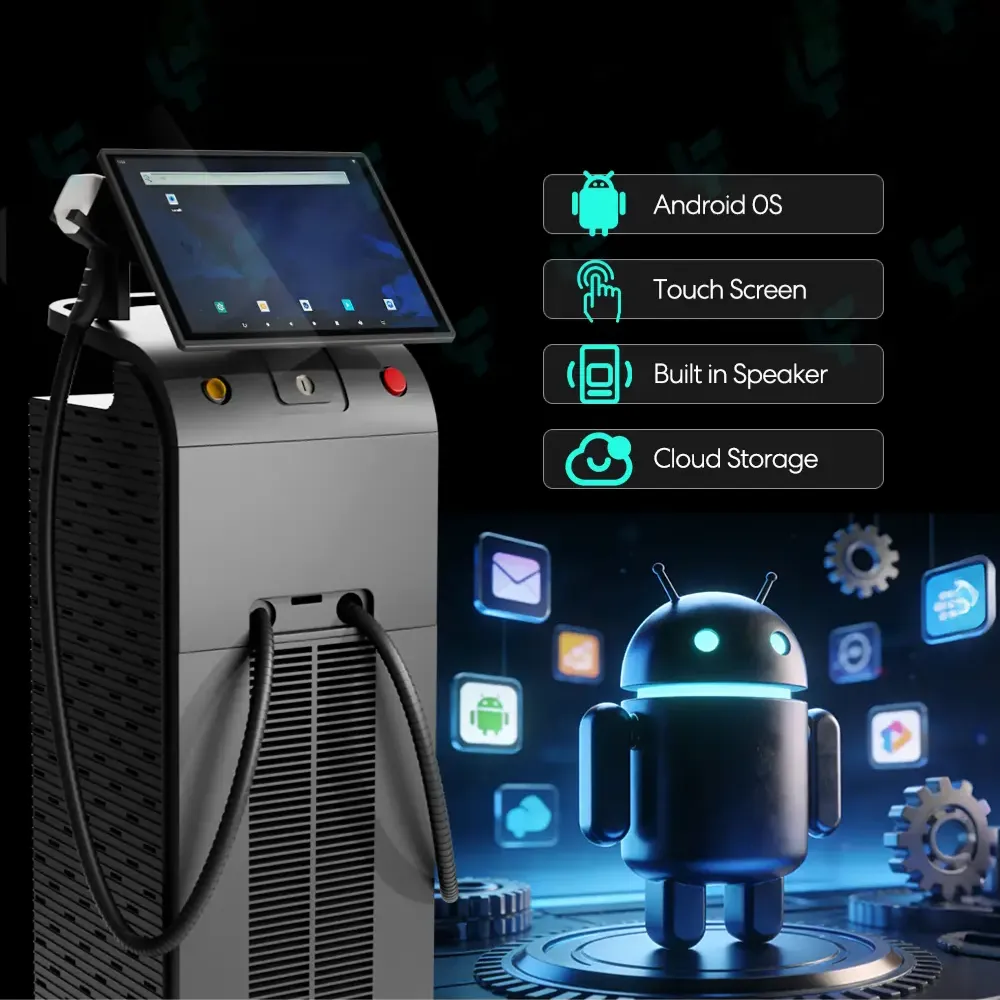
A diode laser for dark skin should enter a shortlist with clear documentation. Request the exact model and handpiece identifiers, instructions, relevant market records, training scope, and supporting evidence. Check that the documents refer to the configuration you will receive.
Start with the diode equipment category, then investigate the proposed model. A three-wavelength product listing can help identify questions, but its own marketing statements are not independent proof of suitability.
| Document or Requirement | Question for the Supplier |
|---|---|
| Model identity | Do the label, quote, and instructions match? |
| Intended use | What uses and restrictions apply to this configuration? |
| Clinical evidence | Which findings concern the proposed model and relevant population? |
| Training | Who teaches, what is covered, and how is competence reviewed? |
| Cooling and output | What test conditions and operating limits are documented? |
| Care and service | What cleaning, repair, and support instructions apply? |
Use the equipment buying guide for the wider procurement process. Keep this page focused on the evidence and assessment questions around a diode laser for dark skin. Price and feature count should not replace that review.
Cooling is a feature to evaluate, not proof that treatment will be painless or injury-free. Ask about the actual configuration, test conditions, and operating limits. Do not assume that one cooling method is universally superior for all devices and clients.
For a diode laser for dark skin, the same rule applies to smart parameter menus. Request the applicable instructions and required operator checks. A preset is not a substitute for patient assessment or documented competence.
Hygiene claims need separate review. A built-in chamber or removable tip does not establish a sterilization rate or eliminate infection risk. Ask for the validated care process and compatible methods for the supplied parts; do not replace it with a generic ultraviolet routine.
Discuss the written service scope with LufenBeauty’s service team. Clarify parts, diagnosis, labor, shipping, and warranty exclusions. This guide does not establish fixed repair times, component life, or formal warranty coverage for a proposed order.
Maintain a decision file for a diode laser for dark skin. Save the quote, document versions, clinical review questions, and supplier responses together. Assign someone to resolve each outstanding issue before the order is approved.
If the handpiece or configuration changes, ask which earlier records still apply. Check whether the training and instructions need updating. Keep the final purchase aligned with the version your team actually reviewed.
A diode laser for dark skin requires device-specific and individual review. Professional educational sources identify diode among the options to discuss with a provider. They do not establish that every diode model is appropriate for every person.
No. A wavelength number does not identify the laser medium. In a diode laser for dark skin comparison, confirm whether the system is diode-based or contains an actual Nd:YAG source before applying claims from another technology.
No wavelength count replaces model evidence, instructions, and qualified assessment. Avoid a universal “yes” based on a three-wavelength brochure. The relevant question is whether the proposed device and service fit the individual circumstances being reviewed.
This buying guide provides no treatment-setting rule. Follow the applicable model instructions, training, and qualified clinical decisions. A sales claim about power cannot establish a safe or effective protocol.
Ask for the exact configuration, instructions, evidence relevant to your clinical scope, training, and service terms. Keep any missing claim marked as unresolved. Obtain appropriate review rather than replacing evidence with a promise of broad coverage.
Choosing a diode laser for dark skin requires traceable device evidence and a qualified service plan. Contact LufenBeauty with your model and document questions so your team can review the available information before ordering.