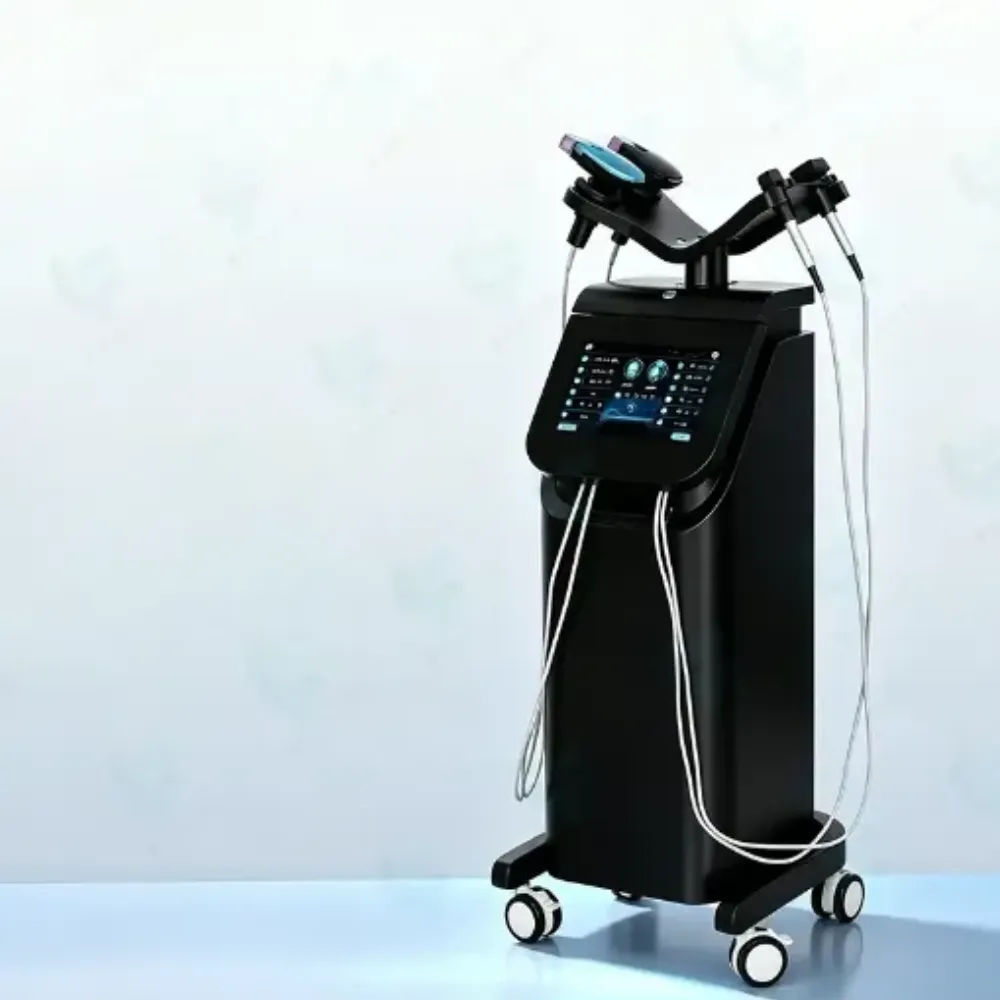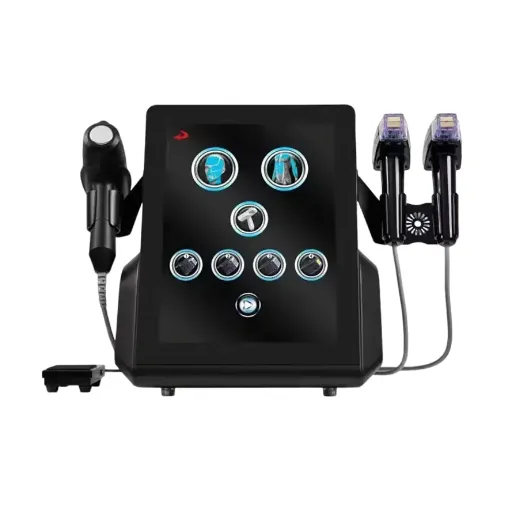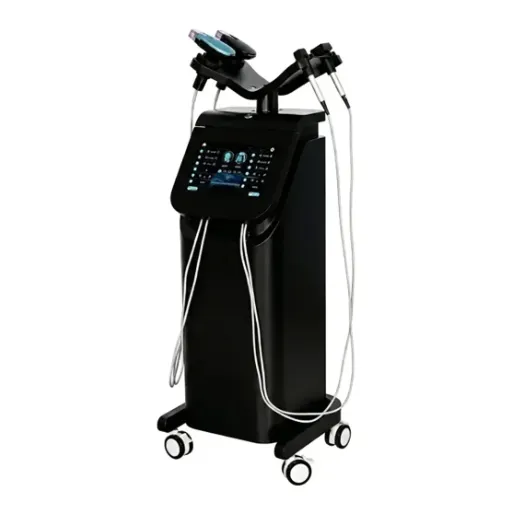
RF Microneedling Cartridge Cost: A Clinic Buyer’s Guide
RF microneedling cartridge cost depends on the exact device and tip: compare the cartridge code, pack size, delivered price, and approved fit. Public seller prices...

Choosing a triple wavelength diode laser hair removal machine involves more than comparing the wavelengths listed on a product specification sheet. The 755nm, 808nm, and 1064nm wavelengths differ in melanin absorption and tissue penetration, influencing their potential applications across different hair and skin characteristics. However, wavelength selection alone does not determine treatment performance. Optical output, fluence, pulse duration, cooling efficiency, and treatment protocols also play important roles.
For clinics, distributors, and private-label brands, understanding these differences is essential when comparing equipment and evaluating suppliers. This guide explains how each wavelength works, compares triple-wavelength and single-wavelength systems, and outlines the key technical specifications and supplier credentials buyers should verify before investing in a professional diode laser hair removal machine.
Diode laser hair removal uses selective photothermolysis, in which melanin absorbs laser energy and converts it into heat to target structures associated with hair growth. The objective is to deliver sufficient thermal energy to the intended target while limiting unwanted heating of surrounding skin.
Although wavelength influences melanin absorption and tissue penetration, it does not determine device performance on its own. Fluence, pulse duration, spot size, repetition rate, cooling, and patient characteristics also affect how a system can be used. Even devices operating at the same wavelength may differ in optical output and energy-delivery consistency. Therefore, model-specific specifications provide a more reliable basis for evaluation than wavelength labels alone.
The 755nm wavelength is generally absorbed more strongly by melanin than 808nm and 1064nm. This characteristic can make it relevant to certain applications involving finer or relatively shallow pigmented hair, depending on the patient’s hair and skin characteristics and the treatment protocol.
Stronger melanin absorption is not automatically an advantage in every case. The epidermis also contains melanin, so skin pigmentation and thermal safety must be considered when selecting treatment settings. Appropriate patient assessment, cooling, and operator training remain essential.
For equipment buyers, the practical question is whether the 755nm channel delivers the documented output required for its intended use. A wavelength label alone does not establish the quality of the optical system or the suitability of its treatment parameters.
The 808nm wavelength is widely used in professional diode laser systems because it offers a useful balance between melanin absorption and tissue penetration. It is commonly employed to target pigmented hair follicles across a range of professional hair-removal protocols.
Its suitability still depends on how the device controls energy delivery. Adjustable fluence, pulse duration, repetition rate, and treatment-window dimensions affect how the wavelength can be applied.
Compared with shorter wavelengths, 1064nm generally has lower melanin absorption and greater penetration into tissue. These characteristics can be useful in selected protocols for darker skin phototypes, where managing epidermal melanin absorption is an important consideration.
However, lower melanin absorption does not eliminate the risk of burns or other adverse effects. Appropriate settings, cooling, patient assessment, and operator competence remain necessary. Nor does 1064nm guarantee better results for every patient or treatment area.
A single-wavelength 808nm system may suit clinics with a defined treatment focus, while a combined 755nm, 808nm, and 1064nm system offers more options for treatment planning. The practical value of a triple-wavelength configuration depends on the output available at each wavelength, the supported operating modes, parameter controls, cooling performance, and intended applications.
The manufacturer’s specifications should clearly state whether the wavelengths operate simultaneously, can be selected independently, or are available through different operating modes, as these configurations offer distinct functions and are not interchangeable.
| Comparison factor | 755nm | 808nm | 1064nm |
| Relative melanin absorption | Generally higher | Intermediate | Generally lower |
| General penetration tendency | Relatively shallower | Intermediate | Generally deeper |
| Potential application considerations | Selected cases involving finer or shallower pigmented hair | Broad use in professional hair-removal protocols | Selected protocols for darker skin phototypes and deeper targets |
| Epidermal melanin considerations | Careful assessment required | Careful assessment required | Lower absorption may offer an advantage, but risks remain |
| Key purchasing question | What output and protocols support the intended use? | What operating ranges are verified? | What evidence supports the intended applications? |
These comparisons describe general optical tendencies rather than guaranteed outcomes. Clinical suitability depends on the specific device, patient assessment, treatment protocol, and operator competence.
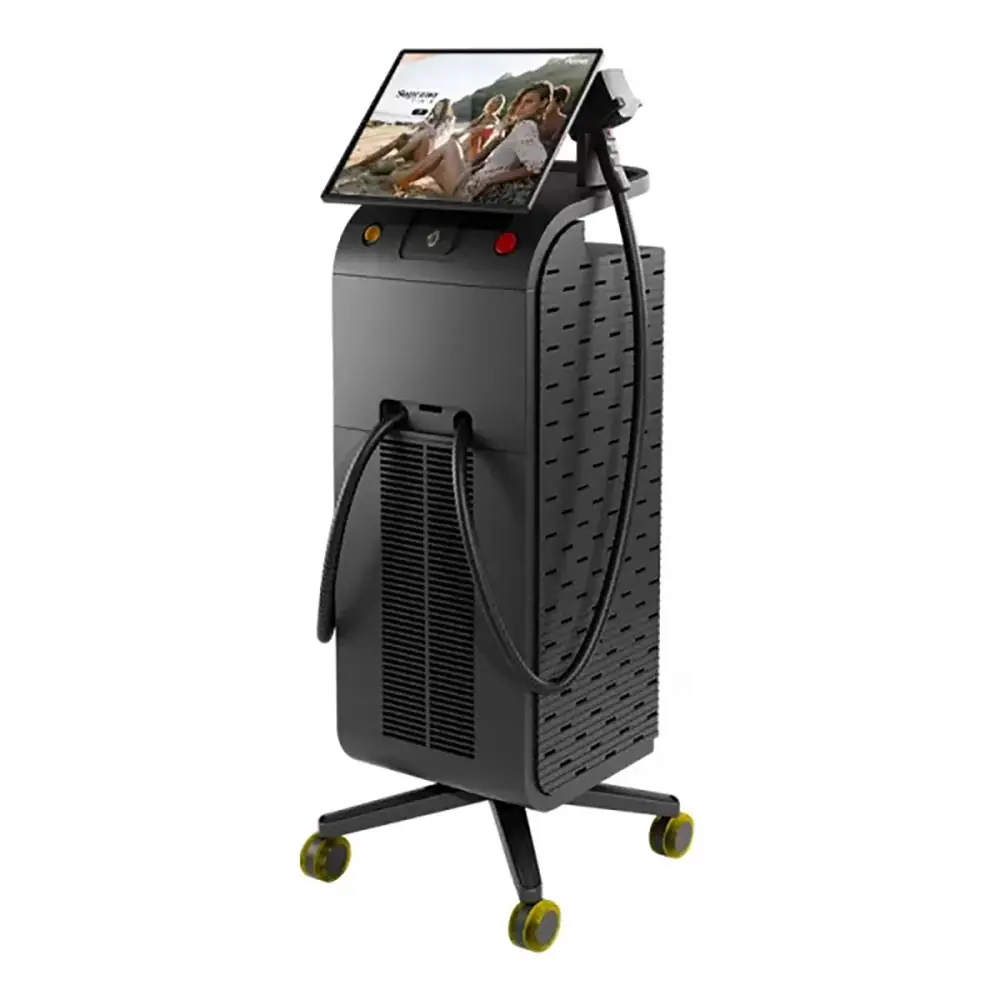
When evaluating a triple wavelength diode laser hair removal system, request the exact wavelength combination and the verified output available at each wavelength. A manufacturer should also clarify whether a quoted power figure refers to total system output, individual wavelength output, laser-bar ratings, or electrical input. These measurements describe different things and should not be compared as if they were equivalent.
Evaluate the machine using model-specific test data, defined measurement conditions, and documented performance tolerances. Independent parameter adjustment and the availability of advertised settings in combination also help demonstrate its practical capabilities beyond wavelength count alone.
Wavelength describes the optical characteristics of the light, while operating parameters describe how the machine delivers energy. Buyers comparing a professional diode laser hair removal machine should review these specifications as a set.
Configuration ranges example:
These figures require model-specific confirmation. In particular, the manufacturer must explain what the power rating measures and provide optical-output measurements under defined operating conditions.
Fluence indicates energy per unit area, pulse duration describes how long energy is delivered, and repetition rate indicates the number of pulses per second. Their interaction affects treatment delivery, so the highest listed values should not be assumed to be simultaneously available or appropriate for every application.
The diode laser hair removal machine price can vary according to the wavelength configuration, verified optical output, cooling system, handpiece design, software features, and after-sales support. When comparing quotations, clinics and distributors should also consider warranty coverage, replacement-part costs, and ongoing maintenance requirements. Evaluating these factors alongside the technical specifications provides a more practical basis for assessing the machine’s overall value.
The treatment window affects how much skin can be covered per pass and how easily the handpiece can reach different anatomical areas. The options include 15 × 15mm, 15 × 20mm, 15 × 30mm, 15 × 40mm, and an 8mm option.
A larger spot can support coverage over broad areas, but it does not automatically deliver better results. Handpiece ergonomics, output consistency, access to smaller treatment areas, and the approved treatment protocol also matter.
The system’s In-Motion mode and stated maximum repetition rate of 10Hz may support a workflow that uses repeated passes. However, pulse frequency is not the same as completed-treatment throughput. Actual session duration depends on treatment area, technique, settings, overlap, and the time required for patient assessment and preparation.
Contact cooling helps manage epidermal heat and may improve treatment comfort when used appropriately. The system describes TEC, water, and fan cooling, together with TEC and sapphire contact cooling in the handpiece.
The sapphire contact-cooling temperature of −25°C should be verified under defined test conditions.A component temperature does not necessarily represent the temperature maintained at the skin interface during continuous operation.
The handpiece lifespan of 50–100 million shots also needs a clear definition. Request the test conditions, output consistency data over time, warranty coverage, exclusions, and replacement pricing. A high shot-count claim has limited purchasing value without evidence of how lifespan was assessed.
Technical evidence to request
The right configuration depends on the buyer’s business model. Clinics and medical spas should prioritize documented performance, treatment protocols, cooling stability, safety controls, and service response. Beauty salons and SPA operators should also confirm that the equipment and planned treatments fall within the permitted scope of practice in their market.
Distributors and private-label brands have additional requirements, including customization options, minimum order quantity (MOQ), spare-parts availability, export documentation, and regional service support.
The system features a 15.6-inch Android touchscreen and a smart parameter-matching function to support daily operation. The practical value of these features depends on the accuracy of parameter recommendations, software maintenance, and the level of operator oversight required during treatment.
| Evaluation item | Evidence to request |
| Wavelength configuration | Model-specific specifications and output measurements |
| Performance consistency | Test methods, reports, and acceptance limits |
| Cooling and handpiece lifespan | Test conditions, lifespan basis, and replacement prices |
| Regulatory compliance | Documentation matching the device and destination market |
| Manufacturing quality | Final-inspection records and component traceability |
| After-sales service | Warranty, repair turnaround, and spare-parts terms |
| OEM/ODM and delivery | Customization scope, MOQ, sample approval, and shipping terms |
When evaluating a diode laser hair removal equipment Supplier, compare at least two suppliers against the same requirements. Confirm the final wavelength configuration, output specifications, included accessories, regulatory records, and commercial terms in writing before placing an order.
A triple-wavelength system may offer more flexibility across different hair and skin characteristics. Its value depends on the output and usability of each wavelength, device design, and treatment protocols. A well-designed 808nm-only system may still suit a defined range of applications.
Its lower melanin absorption may offer an advantage in selected protocols for darker skin phototypes. However, safe use still depends on the device, appropriate settings, cooling, patient assessment, and operator training. It does not eliminate the risk of adverse effects.
Request model-specific output measurements, test conditions, documented lifespan assumptions, warranty exclusions, and replacement-part pricing. Clarify whether the stated power refers to optical output, laser-bar ratings, or electrical input.
Verify manufacturing capabilities, technical and regulatory documentation, customization scope, MOQ, sample approval procedures, quality control, warranty, spare-parts availability, and export terms. Confirm which specifications can be customized and which remain fixed.
Selecting a triple-wavelength diode laser hair removal machine requires matching the device configuration to your intended applications, operating requirements, and target market. Before making a purchasing decision, compare verified technical data, applicable regulatory documentation, warranty coverage, and long-term service costs rather than relying on wavelength count or headline specifications alone.
Contact us to request a quotation and technical consultation. Our team can provide model-specific specifications, optical-output measurements, applicable regulatory documentation, warranty terms, and OEM/ODM customization details to help you evaluate the right configuration for your business.