Diode Laser for Dark Skin: Evidence and Clinic Buying Checks
A diode laser for dark skin requires a review of the exact device, its evidence, and the individual being assessed. Neither a three-wavelength label nor...

The difference in diode laser power vs fluence is what each number measures: power is energy per unit time, in watts, while fluence is energy per unit area, commonly in J/cm². You cannot convert a brochure’s wattage into fluence without knowing what the power represents, the pulse delivery, and the relevant area.
The original question remains useful: is a higher energy setting always better? No single maximum establishes the right device or treatment. For equipment buyers, the first task is to compare like quantities and ask how the supplier measured them.
This guide explains the units, shows idealized calculations, and gives you a specification checklist. All numerical examples are hypothetical physics exercises, not treatment settings or measurements of LufenBeauty equipment. Actual clinical use belongs to the device instructions and qualified training.
Key Takeaways
Comparing equipment specifications? Contact LufenBeauty with the model and configuration you are considering. Ask which output definitions and test records are available for your buying review.
In diode laser power vs fluence discussions, a large number can be persuasive even when its meaning is unclear. Start by writing the unit and definition beside it. A power rating without a measurement point or time basis is an incomplete comparison.
Edmund Optics’ terminology table distinguishes power, energy, irradiance, and fluence. Power measures the rate of energy transfer. Energy measures the amount transferred over a stated interval.
| Quantity | Unit | Question It Answers |
|---|---|---|
| Optical power | W, equivalent to J/s | How quickly is optical energy being delivered? |
| Pulse energy | J | How much optical energy is in the defined pulse? |
| Fluence | J/cm² | How much energy is assigned to the defined area? |
| Irradiance | W/cm² | How much power is assigned to the defined area? |
| Repetition rate | Hz | How many defined pulses occur per second? |
| Pulse duration | s or a stated subdivision | What time interval describes the pulse? |
A useful diode laser power vs fluence comparison also identifies whether a value is measured, calculated, or a rated maximum. Keep those labels visible. A displayed setting is not automatically an independently measured output at the treatment window.
Electrical input describes energy entering the system. It does not establish the optical power delivered from the handpiece. A laser-bar rating also needs its own definition and operating conditions before you compare it with a finished device’s output.
For diode laser power vs fluence, ask where the optical measurement was taken. Was it at a component, at a handpiece output, or at another defined plane? Use values describing the same location and configuration before doing a calculation.
Illustrative scenario: Two wattages are not comparable. A buyer receives an electrical-input figure from one supplier and a measured optical-output figure from another. The team asks for matching definitions before ranking the offers. The larger number is left out of the comparison until its scope is clear.
For a simple area-averaged calculation, fluence is pulse energy divided by area:
F = E_pulse / A
DTU Nanolab’s fluence reference gives this relationship and relates pulse energy to average power and repetition rate. The definitions must match the device’s pulse structure and measurement method. The formula does not determine a safe clinical dose.
In diode laser power vs fluence calculations, keep the pulse energy in joules and the area in the unit used for the result. Do not mix an area in mm² with a requested result in J/cm² without converting it. State whether the result is an area average or a local value.
Hypothetical calculation: A defined pulse carries 2J over a uniform 4cm² area. The area-averaged fluence is 2 ÷ 4 = 0.5J/cm². This is arithmetic for an idealized beam, not a suggested setting for hair removal.
The assumptions are part of the answer. If the actual beam is not uniform, a single area average does not describe the energy at every point. If the quoted energy covers a pulse train rather than one pulse, identify that scope before using the formula.
For equal-energy pulses repeated steadily, the optical average power over the full train is:
P_avg = E_pulse × f
Rearranging gives E_pulse = P_avg / f. In diode laser power vs fluence, this average includes the intervals between pulses. It is not the average power only during the time a pulse is on.
Hypothetical calculation: A stable train of identical 2J pulses at 5Hz has a full-train average optical power of 10W. Dividing 10W by 5 pulses per second returns 2J per pulse. The values describe a physics example, not a clinical configuration.
Do not insert a device’s electrical consumption or a component’s advertised rating into that equation as though it were measured average optical power. For a burst or changing pulse train, ask how the reported average was obtained. A summary number needs the same time basis as the calculation.
A diode laser power vs fluence review needs more than a pulse duration label. Pulse energy is the integral of optical power over time: E = ∫P(t)dt. The pulse’s shape determines how that energy is distributed within the stated interval.
Dividing pulse energy by its defined duration gives the average power over that interval. It does not generally give the peak. Only under an ideal rectangular-pulse assumption does that interval average equal the flat pulse amplitude.
Hypothetical calculation: An ideal rectangular pulse carries 2J in 0.1s. Its constant pulse-on power is 20W. If identical pulses occur at 5Hz, the full-train average is 10W; the pulse-on power and full-train average describe different time windows.
Keep that distinction visible in diode laser power vs fluence tables. A real waveform may rise, fall, or contain sub-pulses. A calculation based on an ideal rectangle should never be presented as a measured peak for an unknown handpiece.
When suppliers quote peak power, ask how it was defined and measured. Request the relevant waveform or test method where needed. Average power and repetition rate can support an average pulse-energy calculation under stated assumptions, but they do not reveal every temporal peak.
For diode laser power vs fluence comparisons, also separate a temporal peak from a spatial peak. One describes a change over time; the other describes the distribution across the beam. Using the word “peak” without saying which kind makes the comparison ambiguous.
Illustrative scenario: A report changes the time basis. A clinic receives one figure averaged over the pulse duration and another averaged over a full pulse train. The team asks for clearly labeled values and the waveform assumptions. It does not treat their difference as proof that one device performs better.
Area is central to diode laser power vs fluence. Ask whether the quoted spot refers to a physical window, a defined beam footprint, or another measured area. Confirm the dimensions, shape, measurement plane, and averaging convention used in the report.
For a rectangular area, multiply the two dimensions after converting them to the same units. For a circular area, use the radius in the area formula. Do not substitute a diameter for a radius or assume the window and effective optical area are identical.
Hypothetical area check: A 20mm by 20mm rectangle is 2cm by 2cm, or 4cm². Using 400 as though it were an area in cm² would be a unit error. This example checks dimensions, not an actual device’s beam footprint.
Edmund Optics also discusses spatial beam profiles. In diode laser power vs fluence reviews, keep an area average distinct from a local maximum. Ask for the relevant beam characterization rather than assuming uniform output across a treatment window.
A pulse fluence and the accumulated exposure during a scanning procedure do not answer the same question. Motion, overlap, repeated passes, and pulse structure need a defined protocol. Do not assume that simply multiplying one displayed fluence by a count describes the exposure at every skin location.
The original article treated cumulative energy as generally more important than peak power. A clearer diode laser power vs fluence explanation keeps each quantity in context. Neither an accumulated number nor a peak is a universal substitute for a complete description of delivery.
Ask what a mode name such as SHR means for the quoted model. A marketing label alone does not establish the waveform, pulse train, or measurement convention. Use the actual instructions and test records to interpret the device’s output.
Illustrative scenario: The stated area changes. A distributor compares the same pulse energy quoted against two different area definitions. The team asks which plane and beam convention each report uses. It resolves the definition before treating the calculated fluences as comparable.
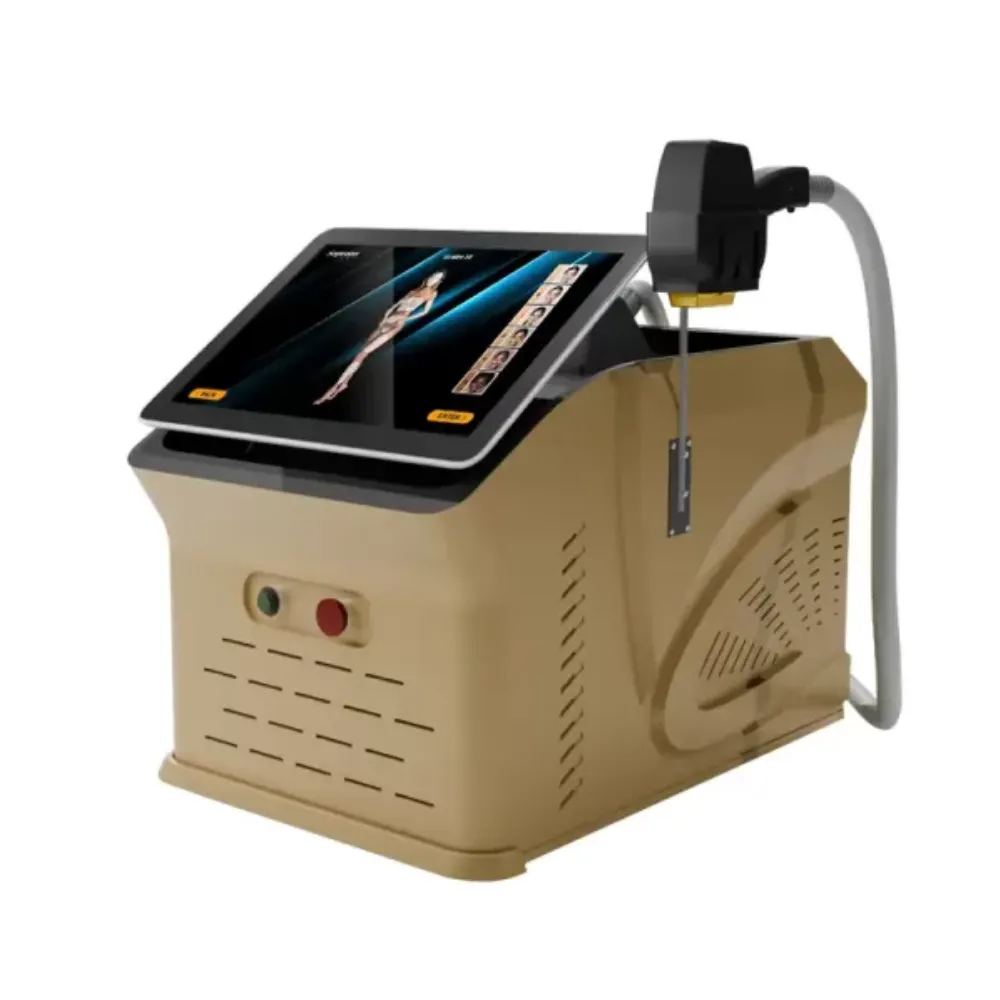
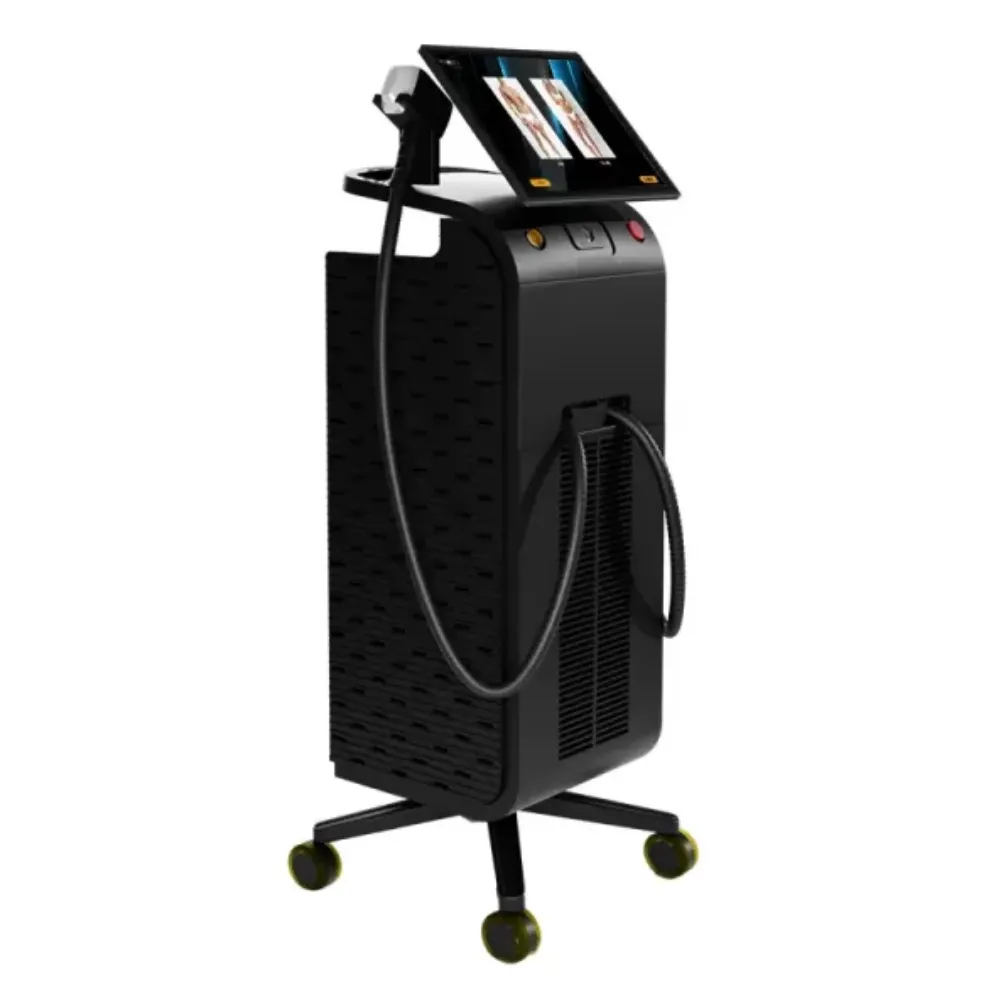
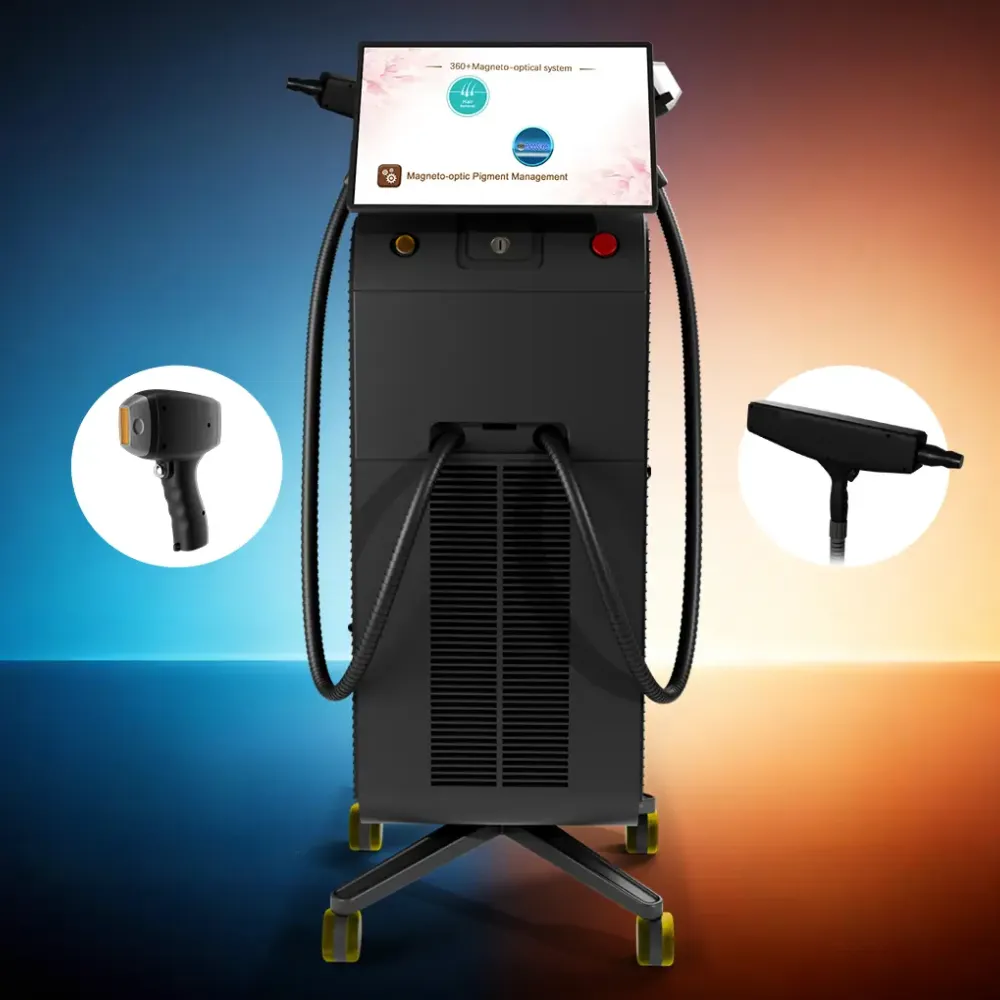
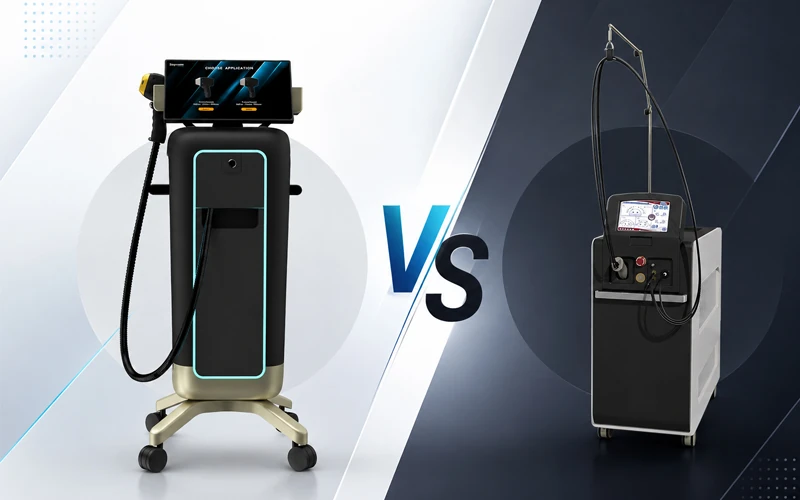
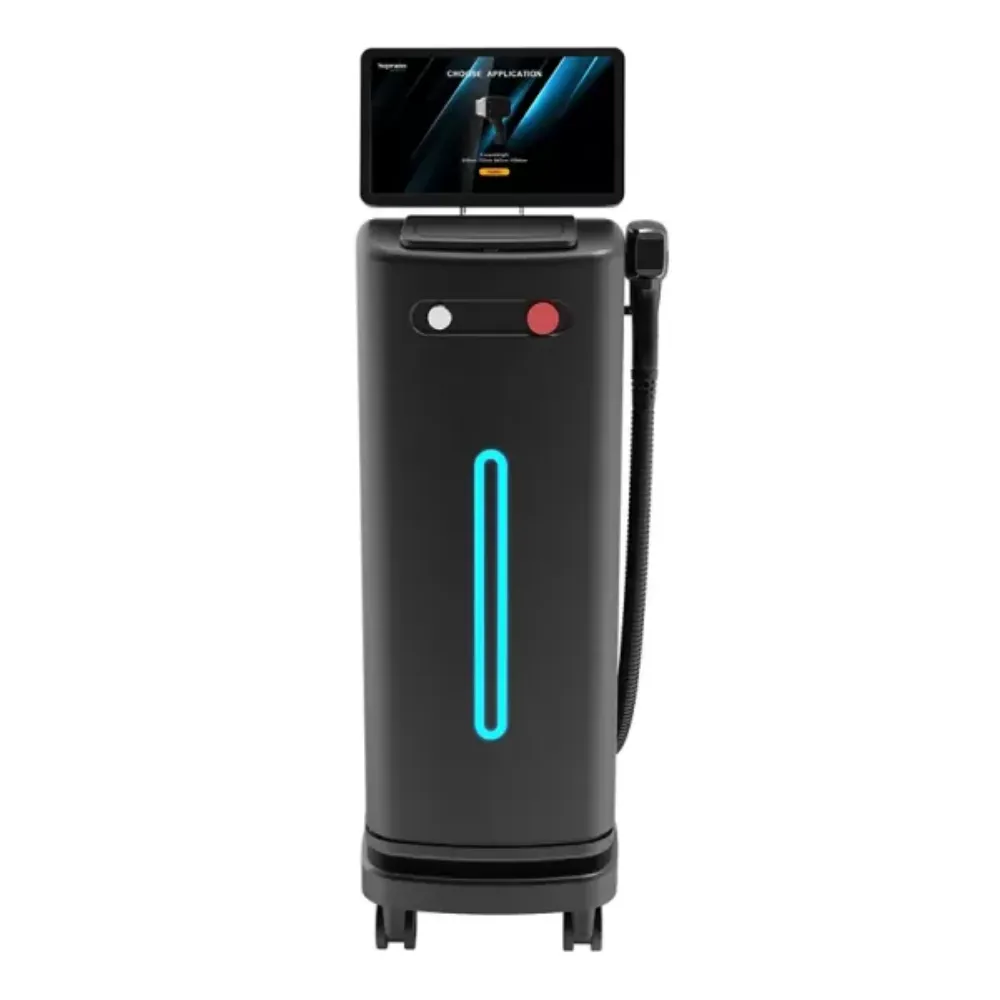
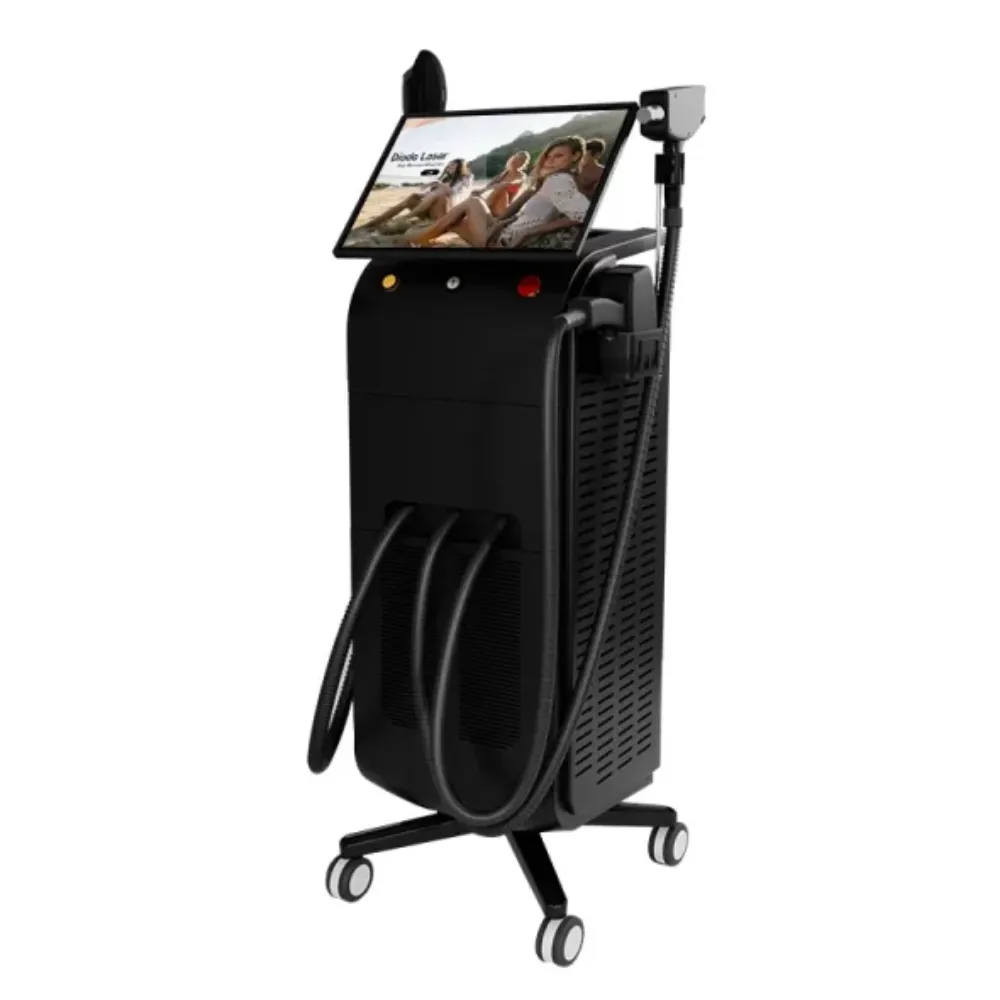
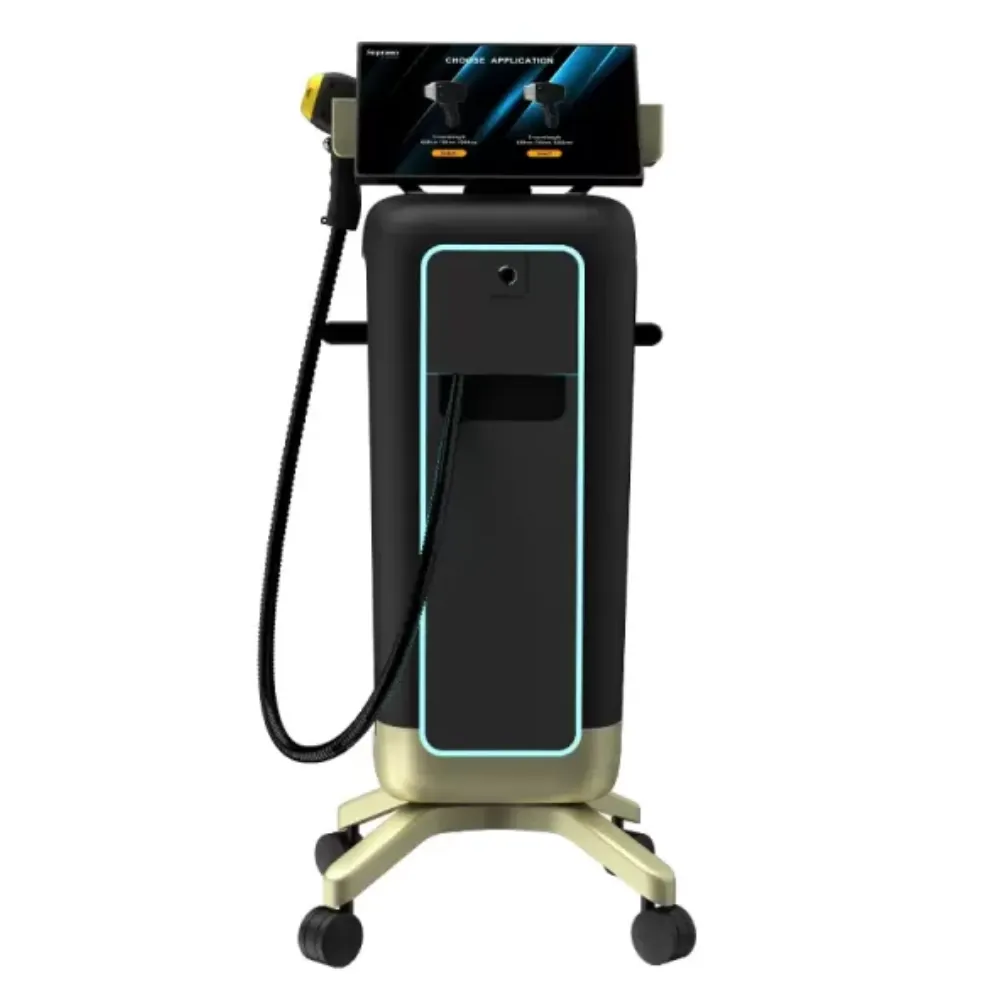
A diode laser power vs fluence checklist should identify the exact model, handpiece, mode, and configuration. Ask which settings can be used together. Do not build a fictional operating point by combining each maximum from a brochure.
| Specification Field | Evidence or Clarification to Request |
|---|---|
| Power | Electrical input, component rating, or delivered optical value? |
| Time basis | Full-train average, pulse-interval average, or temporal peak? |
| Pulse definition | Single pulse, sub-pulse, burst, or another stated interval? |
| Area | Shape, dimensions, measurement plane, and averaging convention |
| Mode | Supported output structure and compatible settings |
| Test conditions | Method, instrument details, configuration, and stated uncertainty |
| Operating limits | Applicable instructions, cooling conditions, and restrictions |
Use the diode equipment range to identify the proposed configuration. The equipment buying guide covers the wider purchase process. Keep this page focused on reading specifications and checking the quantities behind them.
For a multi-wavelength platform, the three-wavelength explanation adds source and configuration questions. Wavelength count does not settle a diode laser power vs fluence comparison. Ask whether a quoted output refers to the combined delivery or a particular channel and mode.
A diode laser power vs fluence review should show where each number came from. Save the report date, model list, and supplier reply beside the comparison table. Mark a missing definition as open rather than filling it with a value from another brochure.
If a supplier changes the handpiece or output mode, ask whether the same test record still applies. Keep the old version for traceability and make the current one clear to the team. This helps prevent a later purchase decision from relying on a setting that was never part of the final offer.
For diode laser power vs fluence questions that remain unresolved, name the person who will obtain the answer and review it. Close the item when the evidence fits the agreed scope.
A measured output report helps describe a device, but a physics calculation alone does not establish a safe treatment. Keep model instructions, training, clinical assessment, and applicable market requirements in the purchase review. Do not turn the hypothetical examples here into patient settings.
For diode laser power vs fluence questions about a proposed order, ask LufenBeauty’s service team which documents and measurement support apply. Record missing answers and the person responsible for resolving them. Do not assume a general sales statement proves a specific output tolerance.
Keep the final quote, model list, relevant instructions, and test records together. If the handpiece or mode changes, ask whether the earlier report still applies. A clear document trail makes the comparison easier to review later.
No. In diode laser power vs fluence, you need a defined optical power, the relevant pulse delivery, and a defined area. An electrical-input or component-rating number cannot supply those missing details.
The highest setting does not establish the right clinical choice. Device instructions, patient assessment, and qualified training govern treatment decisions. This guide compares specifications and does not recommend a dose.
Energy divided by duration gives an average over that interval. In diode laser power vs fluence calculations, state an ideal rectangular-pulse assumption if you use it. A real temporal peak needs the waveform or an appropriate measurement.
First confirm that they apply to the same mode and supported setting combination. Ask how the spot area and optical output were measured. Separate maximums on a brochure are not proof of a combined capability.
Request the model and mode definitions, output measurement basis, pulse structure, area convention, and supported combinations. Keep the answers linked to the final configuration. Resolve gaps that matter to your intended service before approving the order.
A sound diode laser power vs fluence comparison starts with clear quantities and ends with traceable evidence. Contact LufenBeauty about your equipment requirements and ask which model-specific documents are available for your review.