How to Clean and Maintain a Multifunctional Diode Laser Machine
Introduction
Multifunctional aesthetic devices integrate various treatment technologies into a single unit. As system integration increases, routine maintenance becomes essential. Dust, residue, contaminated cooling water, or clogged filters compromise performance and increase the risk of component failure. Proper cleaning and maintenance ensure long-term operational stability. Therefore, a well-designed diode laser machinemust offer versatile treatment functions while simplifying cleaning, inspection, and routine care.
Key Takeaways
1.Clean the handpiece and exterior surfaces regularly to prevent residue buildup.
2.Keep the cooling water circuit clean while monitoring water temperature and flow rate during operation.
3.Inspect water connections, sensors, cooling components, and safety interlocks during routine checks.
4.Perform maintenance according to the specific requirements of each integrated module.
Why Do Multifunctional Diode Laser Systems Require Regular Maintenance?
Multifunctional platforms combine technologies—such as diode lasers, picosecond lasers, IPL, and RF—to meet diverse clinical needs. Compared to single-function devices, these systems contain more core components, including handpieces, optical assemblies, cooling systems, and control modules. Because these parts experience continuous wear and tear, regular maintenance is vital to maintain system stability.
During daily use, handpieces touch patient skin, accumulating residue rapidly. Optical output windows must stay clear to deliver energy consistently. Cooling systems need optimal temperatures to prevent heat-related failures. Fordiode laser hair removal machine operators must monitor the cooling water circuit, filters, and flow status closely to prevent accelerated component wear.
Without preventive maintenance, frequent usage causes minor issues to turn into major operational failures. A clogged filter lowers cooling efficiency, while loose connections destabilize module performance. Regular cleaning and inspections minimize downtime risks, extend equipment lifespan, and reduce long-term repair costs.
How to Clean a Multifunctional Diode Laser Device
Turn off the power before cleaning. Always refer to the user manual for specific cleaning methods and approved cleaning agents.
1. Cleaning the Device Housing
Clean the housing, touchscreen, handpiece holder, and accessible surfaces with a soft, lint-free cloth. Do not spray liquids directly onto the device, as moisture can penetrate electrical openings or connectors.
Focus on these key areas:
Touchscreen and control panel
Handpiece holder and outer handpiece surface
Cable and water line connection points
Ventilation vents, handles, and external panels
2. Cleaning the Treatment Handpiece
The handpiece contacts patient skin directly, making it the top cleaning priority. Because treatment modules use different materials and technologies, each handpiece requires tailored care rather than a generic cleaning method.
For optical handpieces, keep the output surface spotless. Residue on optical windows blocks energy transmission and complicates future maintenance. Inspect the treatment tip after every use and clean it promptly.
Protect optical materials during cleaning. Sapphire crystal guides and alumina contact surfaces scratch easily. Avoid abrasive cloths or sharp tools when removing residue to prevent permanent surface damage.
Picosecond laser tattoo removal machinealso need thorough care. Because picosecond lasers deliver high peak power, clean optics ensure stable energy output and prevent residue buildup from burning the lens.
3. Inspecting Handpiece Connectors
Multifunctional platforms feature multiple connection ports. Inspect these ports daily for dirt, moisture, or wear. Check quick-connect water fittings to ensure tight, secure locks before powering on the device.
If a connector leaks or shows wear, stop using that specific module and contact technical support.
How Often Does Diode Laser Equipment Require Maintenance?
Maintenance schedules vary based on patient volume, operating environment, cooling status, and manufacturer guidelines.
Operators can follow this general maintenance schedule:
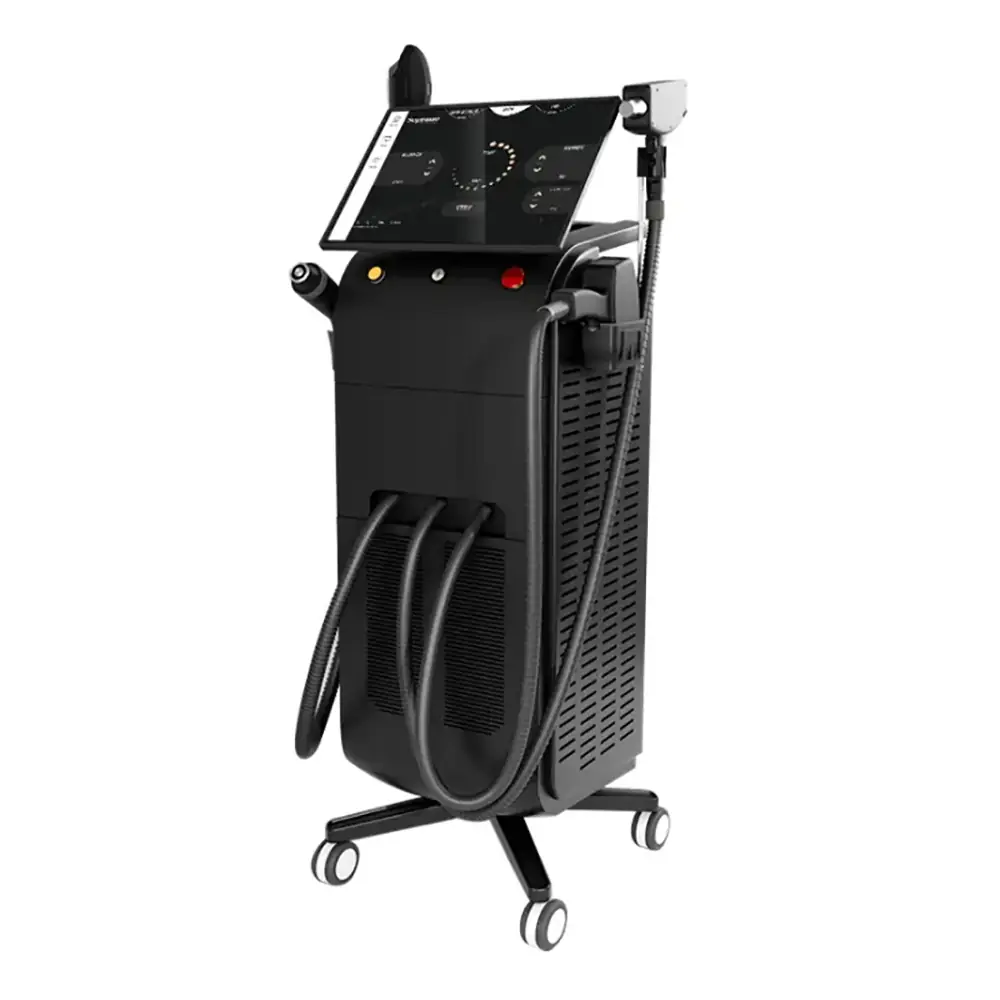
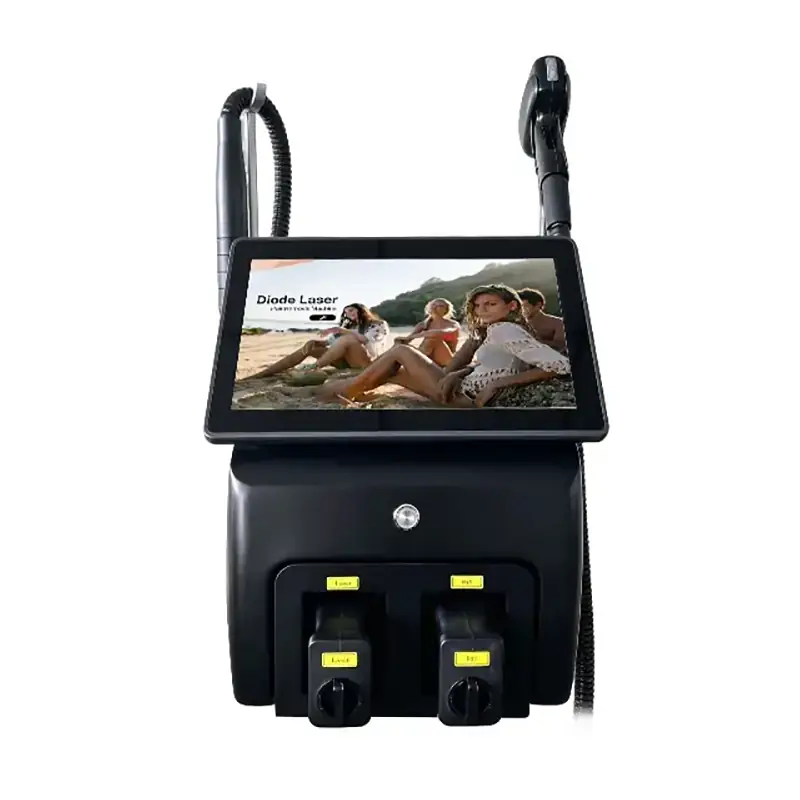
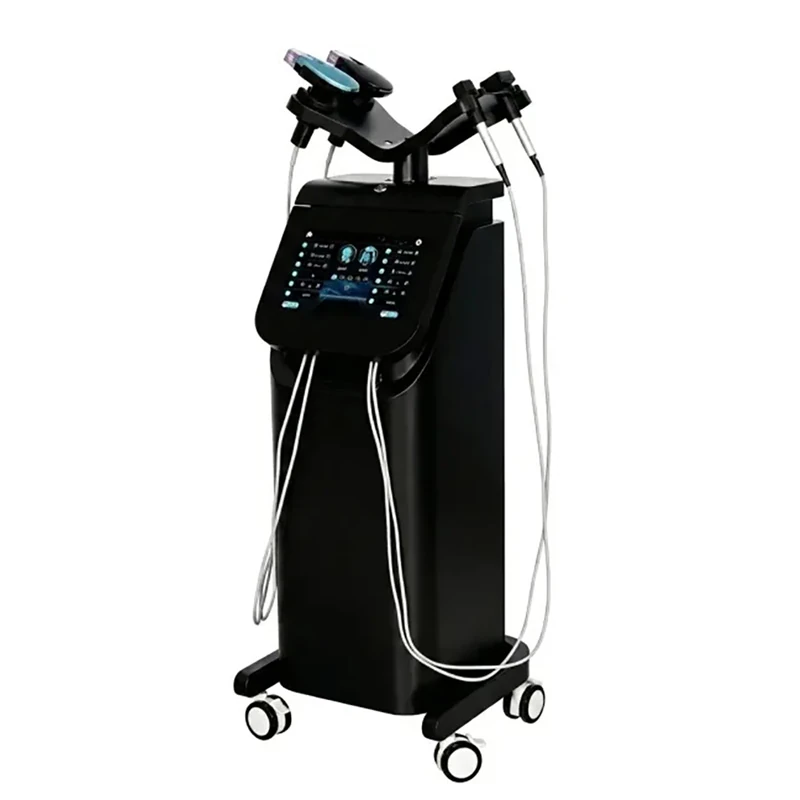
For example, LuFen’s Multifunctional 4-in-1 Platform integrates diode laser picosecond laser, IPL, and RF technologies into one unit. Optimized cooling, filtration, and user interfaces simplify daily upkeep while meeting diverse clinical needs.
Multifunctional devices eliminate the need for multiple standalone units. LuFen’s 4-in-1 system combines a diode laser hair removal unit, a high-performance pico laser machine for tattoo removal, an IPL skin rejuvenation system, and RF skin tightening into a single unit.
This integrated approach simplifies clinic workflow and allows operators to switch between treatments easily. Inside the unit, a well-organized layout gives technicians clear access to internal components, speeding up routine inspections and repairs.
2. Closed-Loop Cooling and Real-Time Monitoring Boost System Reliability
High-power diode lasers need stable cooling during long operation hours. LuFen’s device uses a closed-loop water cooling system with particle filtration, temperature sensors, and flow detection to maintain constant heat dissipation.
Filters catch impurities before they reach delicate laser components. Meanwhile, real-time sensors warn operators about temperature or flow changes, preventing overheating before it harms performance.
3. Maintenance-Friendly Handpieces and User Interfaces
Handpieces undergo heavy daily use and require frequent care. LuFen features quick-swap handpieces for diode laser, picosecond laser, IPL, and RF modules, allowing easy cleaning and inspection.
Clear optical tips ensure efficient light delivery and consistent treatment results. Furthermore, a 15.6-inch Android touchscreen offers an intuitive user interface, simplifying daily parameter setups and system status checks.
Frequently Asked Questions
Q1: How should I clean and disinfect the laser handpiece and machine surface daily?
A: Disinfect the handpiece after every patient, and wipe down the casing and screen weekly. Wipe off gel and stains using a soft cloth dampened with purified water or mild detergent, then dry immediately. Next, sanitize surfaces by wiping with a 75% medical alcohol cotton ball for 3–5 minutes, and dry with a clean towel. Turn off power before cleaning and never spray liquids directly on the machine.
Q2: What type of water should I use, and when should I replace the water and filters?
A: Use only deionized or distilled water. Change the cooling water every 3 months and replace the particle filter every 3–6 months to prevent water degradation and laser damage.
Q3: How do I fill the machine with water?
A: 1. Connect the CPC nozzle to the rear exhaust port.
2. Insert the funnel assembly into the “Water Inlet.”
3. Pour deionized or purified water slowly until water flows out of the exhaust port.
4. Remove the funnel and CPC nozzle.
Q4: How do I drain the water for low-temperature environments (<4°C) or transport?
A: Drain all water if ambient temperatures drop below 4°C or before long-distance transit. 1. Attach the CPC nozzle to the rear exhaust port. 2. Place a container (4L+) beside the unit. 3. Connect the drain hose to the drain outlet; water will flow out automatically until empty.
Q5: What should I do if the handpiece fails to cool or triggers a water alarm?
A: Handpiece cooling takes 1–5 minutes to start after powering on. If an alarm sounds, check the rear panel for kinked hoses and ensure the water tank is full. Verify that the remote interlock plug and footswitch are securely connected.
Q6: How should I clean optical lenses and treatment tips thoroughly?
A: Wipe off excess cooling gel with a dry, lint-free cotton swab. Then, wipe the optical crystal or treatment tip with a lint-free optical cloth moistened with 75% medical alcohol. Avoid abrasive materials that can scratch optical coatings. Allow alcohol to dry completely (1–2 minutes) before placing the handpiece back on its holder.
Conclusion
Preventive maintenance guarantees long-term reliability for multifunctional aesthetic platforms. Care goes beyond wiping down external panels; operators must maintain handpieces, optical windows, water circuits, filters, connectors, and safety interlocks.
Features like closed-loop cooling, real-time sensor monitoring, quick-connect fittings, and user-replaceable filters simplify daily upkeep and protect equipment investments.
For more technical details, customization options, or maintenance guidance regarding LuFen’s Multifunctional 4-in-1 platform, contact our team today.
Opening a new medical spa, upgrading an existing practice, or expanding your treatment menu is one of the most exciting milestones for any aesthetic professional....
Introduction Professional beauty clinics often need equipment that can handle different treatment needs without taking up too much space. This is especially important for clinics...
The medical aesthetics equipment market is growing rapidly worldwide. Laser hair removal technology has become one of the fastest-growing treatment options among cosmetic clinics, medical...
Choosing an RF microneedling machine involves more than comparing power ratings and needle counts.. Two machines may look similar on paper but offer very different treatment...
The global non-invasive body contouring market is growing rapidly. Today’s clients are no longer satisfied with simple fat reduction; they demand dual-action treatments that sculpt,...
Introduction The beauty and aesthetic industry is becoming increasingly focused on data-driven skincare solutions. Customers today expect more than general recommendations based on visual observation. They...