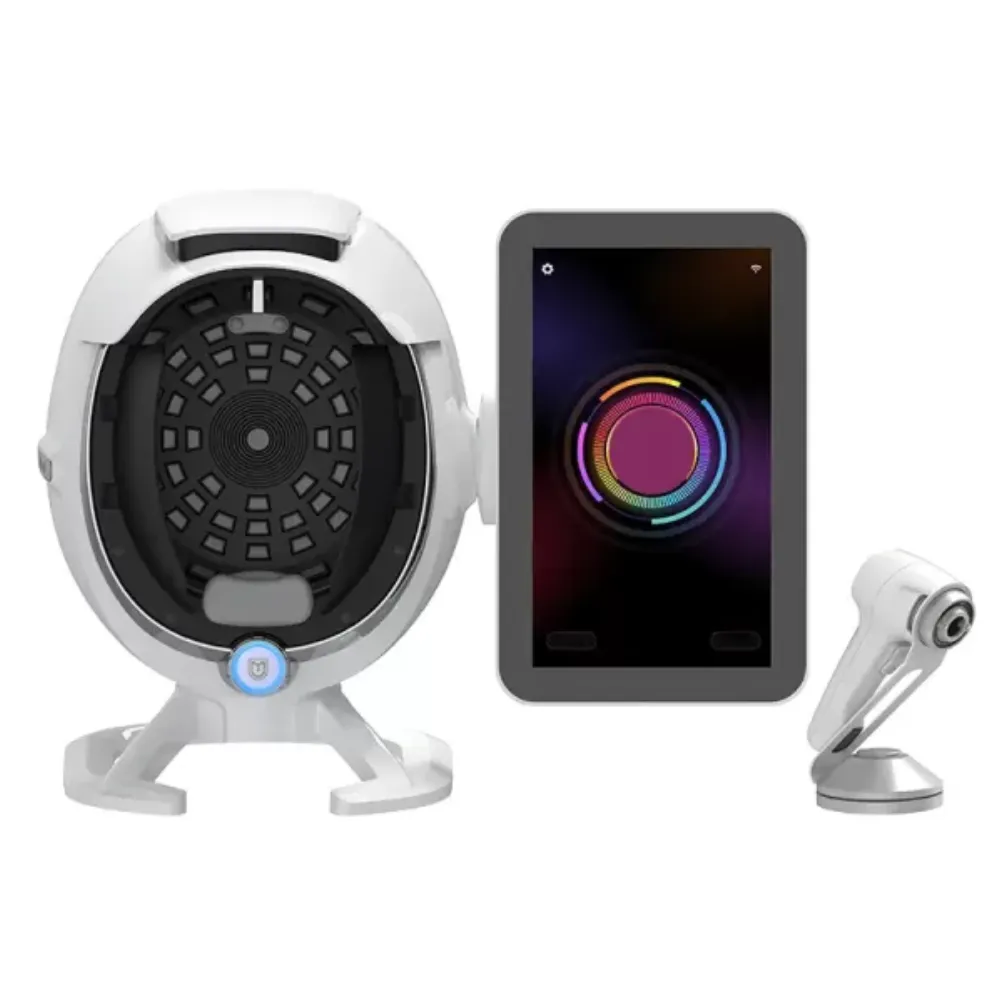
Skin Analysis Machine Buying Guide for Clinics
Choose a skin analysis machine by testing repeatable capture, clear reports, data access, and ownership costs against your clinic’s workflow. A long feature list can’t...

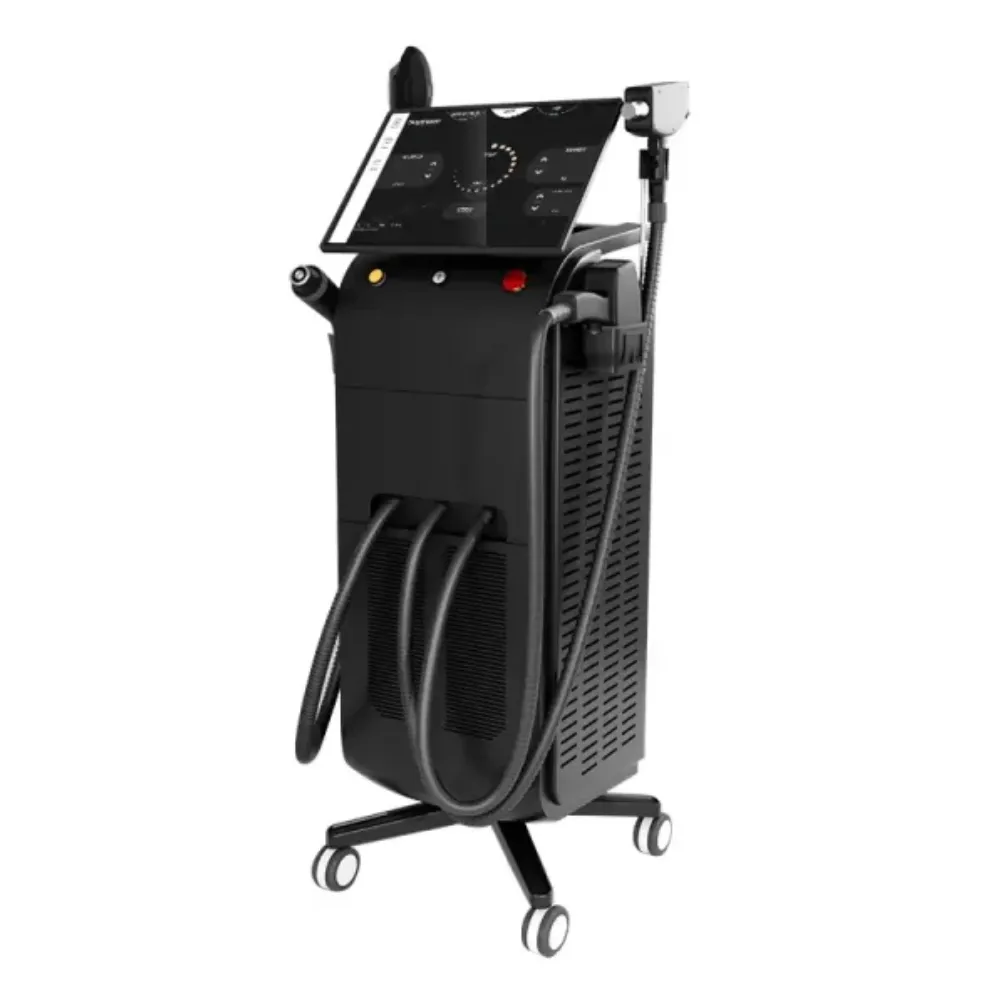
The core difference in diode laser vs IPL is the light source: diode systems use laser emission, while intense pulsed light uses filtered broadband light. For a clinic purchase, compare the specific devices, their supported uses, clinical evidence, and ownership costs rather than choosing a winner from the technology name alone.
If hair removal is your main service, investigate a dedicated diode platform against your client needs. If you want several light-based services, investigate an IPL system whose documented uses match that menu. Neither route removes the need for qualified assessment, staff training, and model-specific instructions.
Two attractive brochures can still leave you comparing very different packages. This guide explains what to look for, where clinical evidence helps, and which questions to put into a written quote. It is a buying framework, not a treatment protocol.
Key Takeaways
Comparing equipment for your clinic? Contact LufenBeauty with your intended market, services, and buying questions. Request the relevant model documents and an itemized quotation.
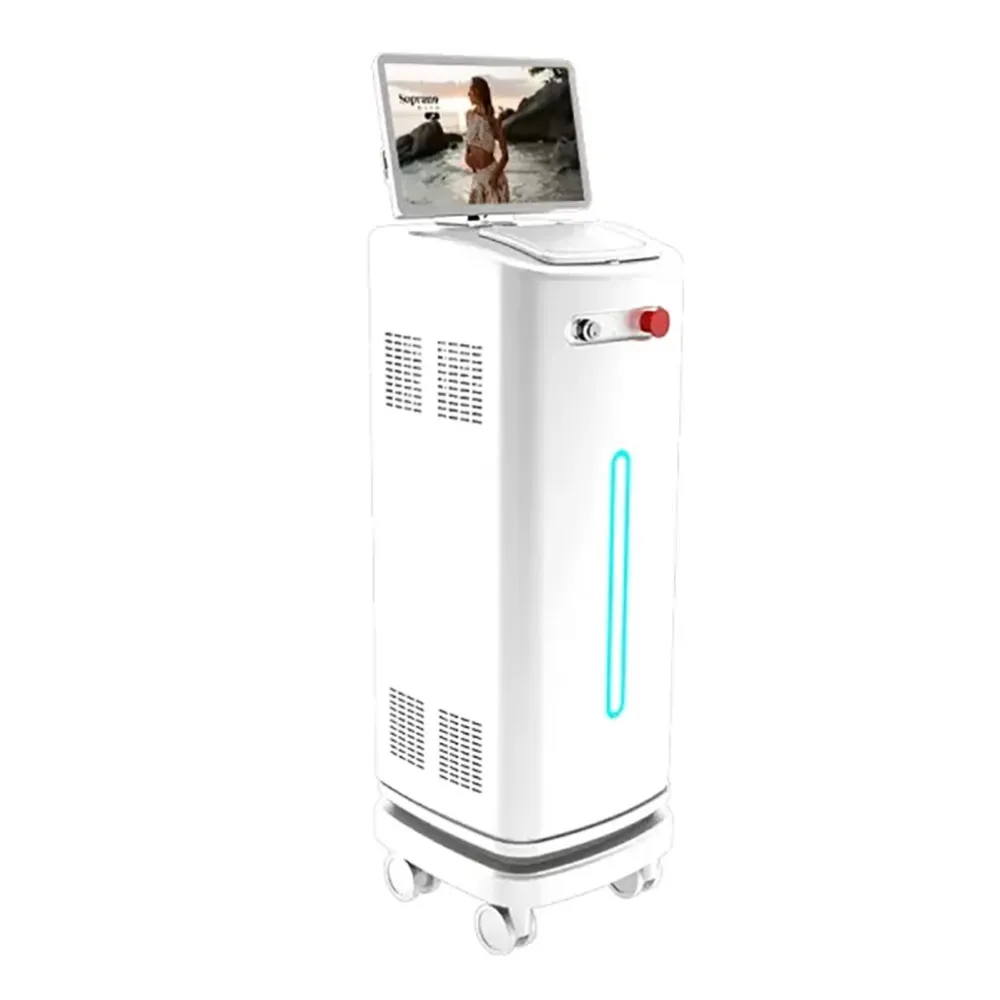
A diode laser vs IPL comparison starts with how the device produces light. A diode laser uses semiconductor laser sources. IPL uses a broad band of light shaped by filters; it is not a laser. Those basic differences do not establish every device’s treatment range or clinical performance.
A 2026 randomized comparison describes the distinction between an 810nm diode system and an IPL system using a 690nm filter. That filter label does not mean IPL emits only one laser wavelength. Ask the supplier for the actual spectrum and configuration of the model you are evaluating.
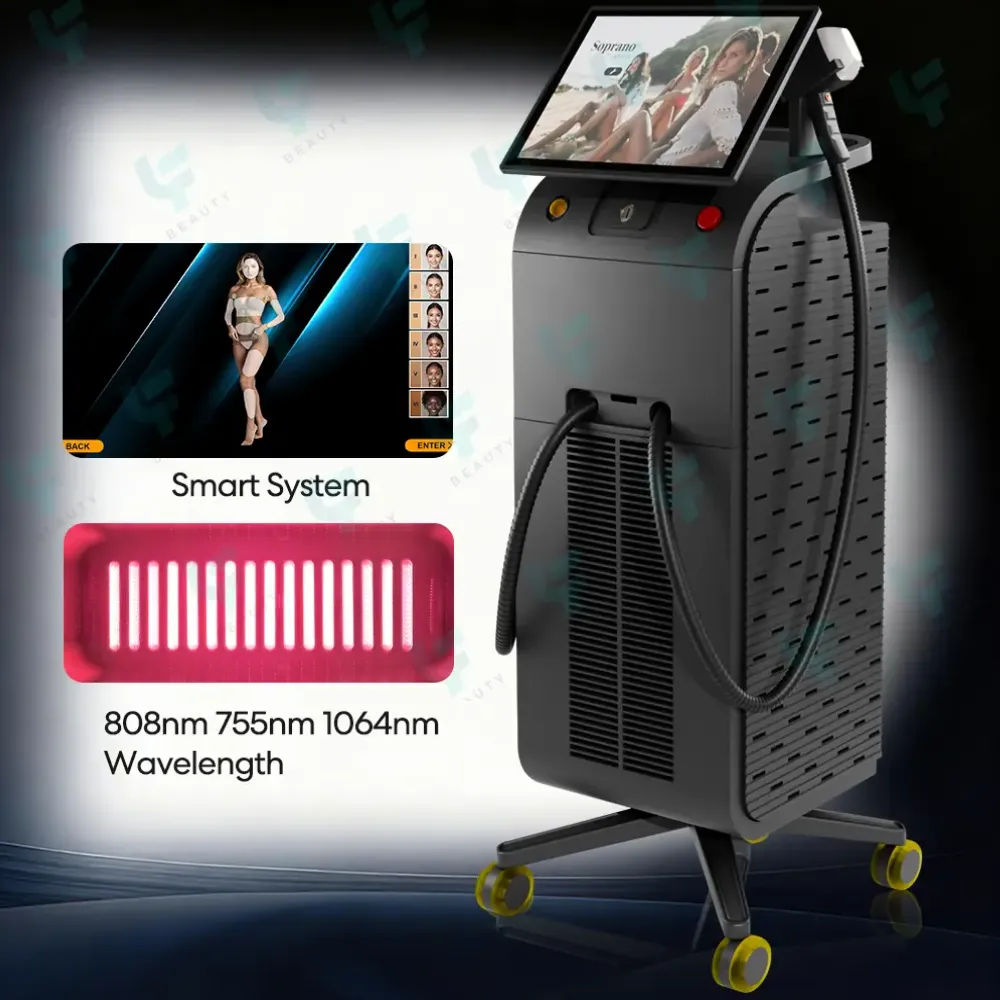
Multiple wavelength labels on a diode handpiece also need explanation. Ask which sources are present and how output is delivered. Do not assume that a shared wavelength number makes one diode configuration equivalent to a separate laser technology.
The useful diode laser vs IPL question is therefore specific: which documented system supports the service your team plans to provide? Request the instructions for use and the relevant market documents before accepting a general sales chart. Match the model name across the quote, label, and supporting records.
| Buying Dimension | Ask About the Diode System | Ask About the IPL System |
|---|---|---|
| Light delivery | Sources, wavelengths, modes, and supported output | Spectrum, filters, pulse delivery, and supported output |
| Intended services | Exact documented uses for the configuration | Exact documented uses for each relevant filter or mode |
| Suitability | Limits in the instructions and model evidence | Limits in the instructions and model evidence |
| Cooling | Method, test conditions, and operating limits | Method, test conditions, and operating limits |
| Wear and service | Handpiece cover, parts, and repair process | Lamp or handpiece cover, parts, and repair process |
| Training | Model-specific scope and competence review | Model-specific scope and competence review |
This makes diode laser vs IPL a practical review rather than a contest between broad claims. A wider menu is useful only when the intended services, staff skills, and client needs support it. A dedicated device is useful only when its actual capabilities fit the practice.
Start your product review with the hair removal equipment range, then compare the diode systems and IPL systems. Treat product descriptions as a starting point for document requests.
Clinical evidence can improve a diode laser vs IPL decision, but the outcome must stay tied to the devices and people studied. Hair reduction and comfort are separate outcomes. A finding in one body area or skin-type range does not establish a result for every client.
Barros and colleagues’ 2026 split-body trial compared diode and IPL treatment on opposite underarms in women with Fitzpatrick skin types I–IV. It reported a longer-term objective advantage for diode, while IPL was better tolerated. However, substantial loss to follow-up and differences between analysis methods limit a simple winner claim.
At the primary endpoint, the mixed-model analysis did not find a significant between-modality hair-count difference, while the per-protocol analysis favored diode. These distinctions matter when a brochure quotes one result. The study is not a clinical trial of LufenBeauty equipment.
When reviewing diode laser vs IPL evidence with your clinical lead, ask about the devices, treatment area, population, outcome measure, and follow-up. Look for adverse effects and comfort findings alongside hair counts. Do not turn a study result into a universal treatment course or a promise of permanent removal.
The American Academy of Dermatology’s hair removal FAQ explains that results vary and adverse effects can occur. It also highlights the importance of an experienced provider. That general guidance supports careful assessment; it does not validate a supplier’s model-specific claims.
For diode laser vs IPL, avoid an automatic rule that one option safely treats all skin tones or every hair color. Have a qualified professional review the exact model’s intended use and restrictions. Do not infer suitability from a wavelength label, cooling claim, or preset menu alone.
Illustrative scenario: A new clinic defines its limits. An owner receives a chart showing broad skin-type coverage. The clinical lead asks for the model instructions and supporting evidence before deciding which clients the service will accept. The purchase brief follows that review rather than the chart’s headline.
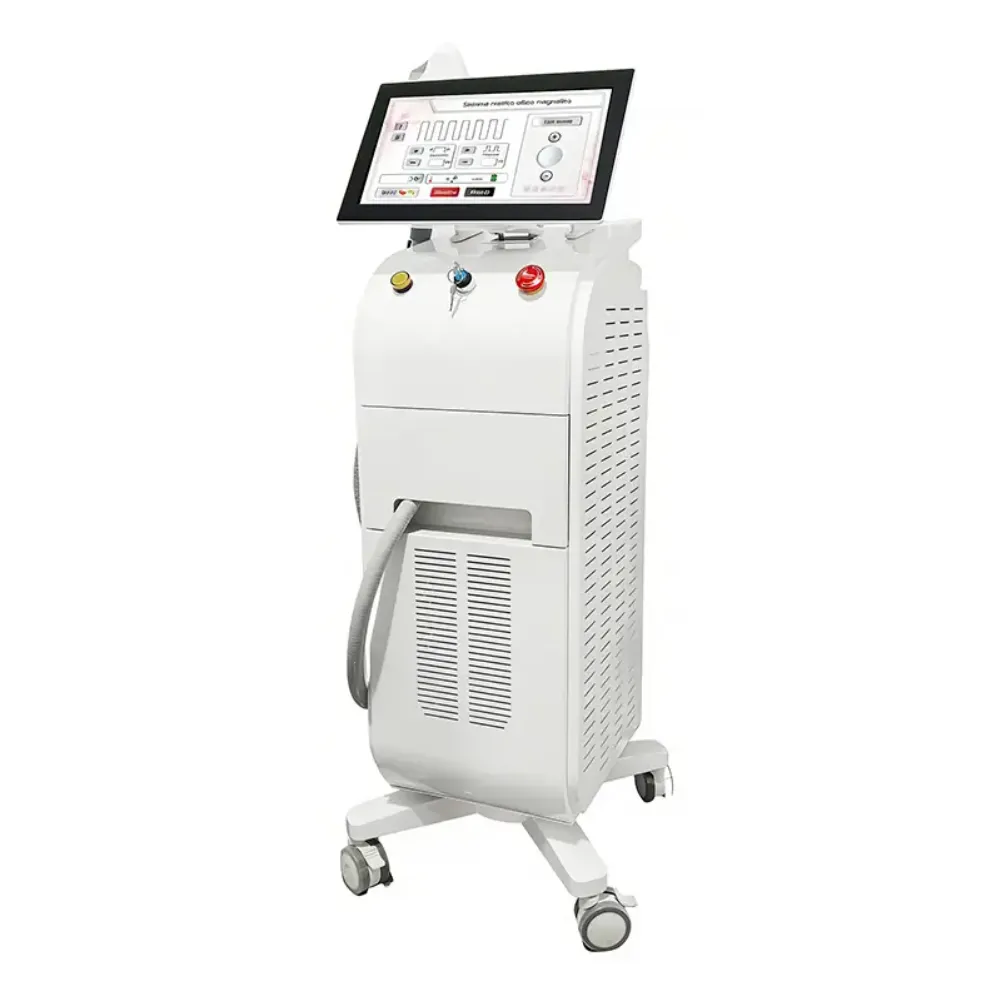
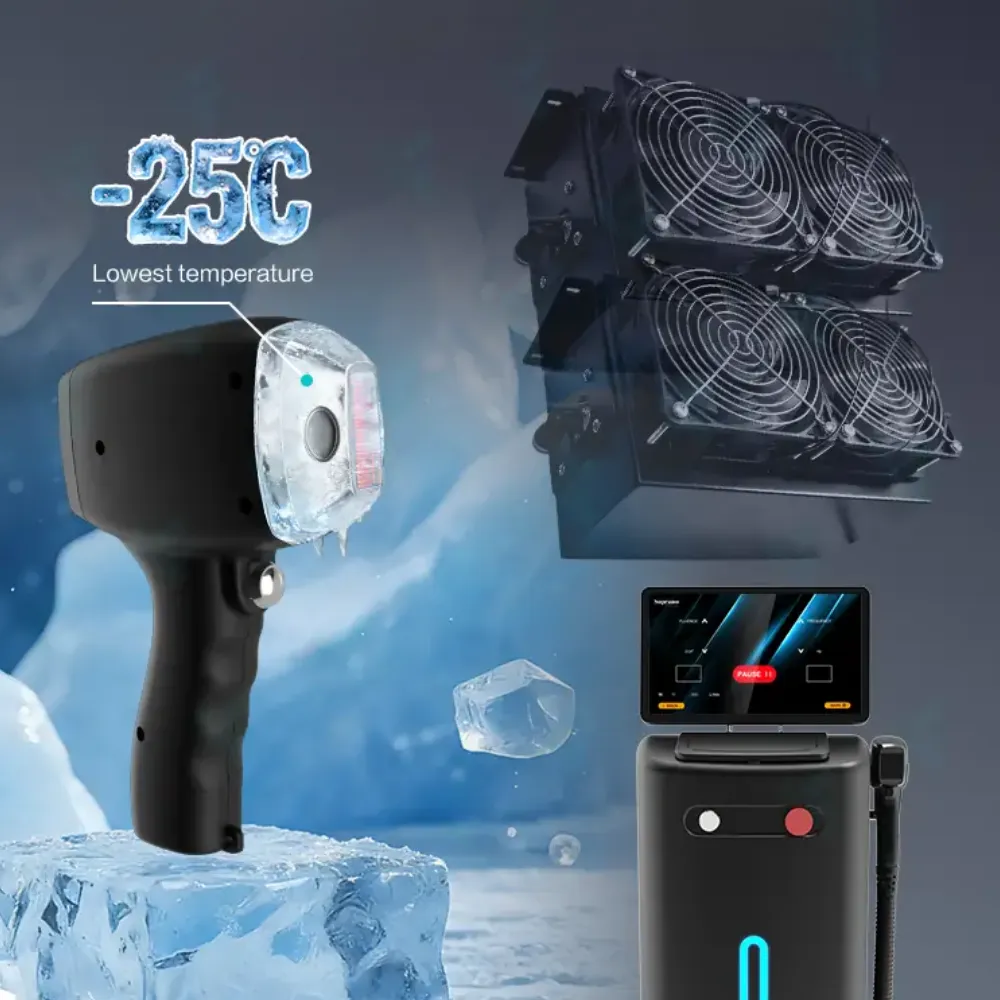
Comfort is an important part of diode laser vs IPL, but it should not be reduced to “painless” or “always gentler.” Ask how the proposed device manages skin contact and heat, and what its instructions require. Do not use a cooling temperature alone as proof that burns cannot occur.
Ask the supplier to demonstrate the quoted configuration under stated conditions. Your trained staff should review handling, access to controls, and the steps needed between clients. Separate what you observe in the demonstration from claims about every future appointment.
A diode laser vs IPL speed comparison should include preparation, the actual procedure, cleaning, and room reset. A short firing clip cannot establish total appointment capacity. Use a documented demonstration and your own workflow assumptions rather than importing a seller’s full-body time into the business plan.
Compare supported operating conditions as well. Ask how the supplier measured any continuous-use claim and what alarms or operating limits apply. Staff need to know when to stop and seek service; bypassing an alarm is not a workflow solution.
Hygiene deserves its own review in diode laser vs IPL. Ask for cleaning and disinfection instructions for the reusable parts that will contact clients. Confirm approved methods, compatible products, removal steps, and any limits on staff maintenance.
A removable tip or a built-in chamber is not, by itself, evidence of a validated hygiene outcome. Ask what has been tested and how the instructions address the delivered configuration. Do not replace the approved process with a generic wiping or ultraviolet routine.
If you are considering the three-wavelength model with a disinfection-function listing, request the relevant validation and care instructions. The listing identifies a product to investigate; it does not independently prove sterilization performance.
Illustrative scenario: A busy practice reviews turnover. Staff compare the steps needed to prepare and reset two proposed systems. One sales demo omitted cleaning time, so the team requests a complete workflow demonstration. They revise their scheduling assumptions without claiming either technology is inherently faster.
The cost side of diode laser vs IPL needs itemized offers for real configurations. Ask which handpieces, filters, accessories, installation, and training are included. Keep the currency, quote date, and delivery scope beside each total.
Do not assume that one technology is always cheaper to buy or operate. An incomplete offer can look inexpensive because costs sit elsewhere. Add the actual shipping, setup, required room work, and service arrangements before comparing packages.
| Cost or Service Item | Evidence to Request | Common Gap to Resolve |
|---|---|---|
| Equipment and accessories | Dated configuration list and quote | Different inclusions between offers |
| Delivery and setup | Written destination and scope | Unassigned freight or installation costs |
| Training | Syllabus, format, and staff coverage | A demo mistaken for complete training |
| Handpiece or lamp service | Parts prices and service terms | Labor or freight excluded |
| Warranty | Coverage by component and exclusions | Host and accessories treated differently |
| Downtime | Repair process and parts availability | Response time confused with repair time |
For diode laser vs IPL running costs, clarify what a quoted shot count actually means. Ask how use is recorded and which warranty limits apply. A rated count should not be treated as a guarantee that the whole machine will need no service until that point.
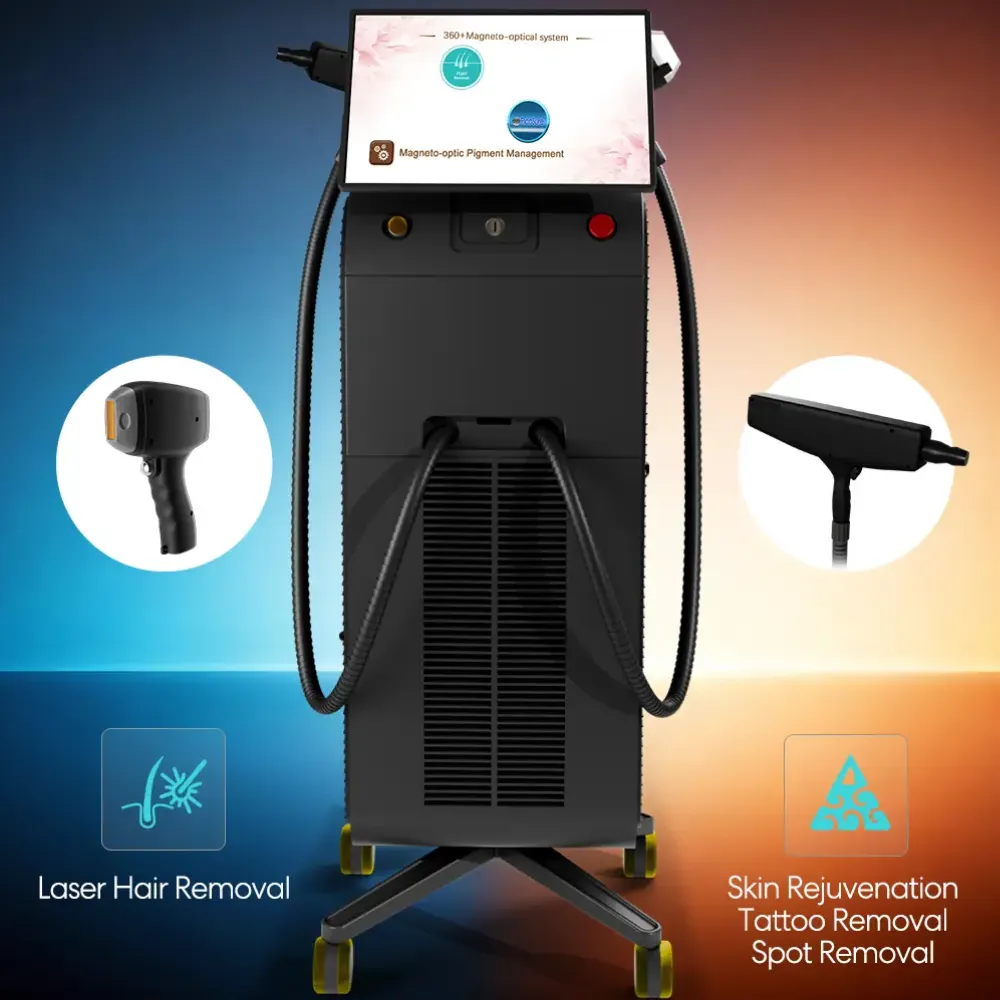
A diode laser vs IPL business case should use your own service demand and staffing plan. A broad treatment menu does not create demand by itself. Nor does a dedicated hair removal platform guarantee repeat bookings or better margins.
List the services the team can deliver, the room time they require, and the costs you can verify. Keep uncertain inputs visible. If you explore different booking levels, label them as scenarios rather than forecasts or industry benchmarks.
Ask LufenBeauty’s service team for the written support scope relevant to your order. Confirm responsibility for diagnosis, labor, parts, and return shipping. Do not assume fixed warranty periods or local repair access from a general supplier statement.
A focused hair removal practice can use diode laser vs IPL to shortlist systems for that specific task. A practice planning several light-based services can compare the documented uses of an IPL platform with its alternatives. The team should be able to explain why the chosen configuration fits its actual plan.
Use the diode equipment buying guide for the wider purchase process. Review LufenBeauty’s company information as part of seller due diligence. Company information and product documents answer different questions, so request both.
For a useful diode laser vs IPL shortlist, ask each supplier the same questions. Mark an unanswered item as open, not as a pass. Assign someone to review clinical suitability, someone to review costs, and someone to keep the purchase records together.
Keep a short decision file for diode laser vs IPL. Put each quote next to its model list and the notes from your staff. Save the date and name of the person who checked each item. This makes it easier to see what is known and what still needs a reply.
When an offer changes, ask for a new written version. Check whether the change affects the price, supplied parts, or service terms. Don’t let a small change in the sales discussion leave the team working from different plans. Review the final file together before the order is signed.
Before ordering, match the model, configuration, instructions, applicable market documents, and warranty. Agree on delivery checks and the process for resolving a missing or mismatched item. Define who will conduct any qualified setup or testing the purchase requires.
Do not close the diode laser vs IPL decision while a requirement central to your service remains unclear. Resolve the gap or adjust the shortlist. This is more useful than awarding points to a claim no one has verified.
Illustrative scenario: A mixed-service salon narrows its order. The team lists planned treatments and asks which are supported by each quoted model. It removes an optional feature that lacks a clear service plan and requests revised documents. The decision is based on scope and evidence, not an invented revenue advantage.
No universal claim settles diode laser vs IPL for every clinic or client. Review the exact system, evidence, client suitability, and service needs. A study can inform that review without proving that all devices in one category perform the same way.
No. IPL uses filtered broadband light, while a diode system uses laser sources. In a diode laser vs IPL discussion, ask sellers to use these terms clearly and to identify the delivered configuration.
No. A wavelength list does not replace model evidence, the instructions for use, and qualified client assessment. Avoid promising all-skin or all-hair suitability simply because a device offers several wavelength labels.
Compare actual quotes and service terms rather than relying on a technology-wide answer. Include parts, handpiece or lamp service, training, and any transport costs. Keep unknown repair costs separate from verified scheduled expenses.
Provide your market, service plan, intended staffing, room constraints, and configuration questions. Request model documents and an itemized quote with service and training terms. Keep the clinical review separate from the sales discussion.
The right diode laser vs IPL choice is the one your team can support with model evidence, a workable service plan, and clear ownership costs. Contact LufenBeauty to discuss the configurations and resolve your document questions before ordering.