RF Microneedling Cartridge Cost: A Clinic Buyer’s Guide
RF microneedling cartridge cost depends on the exact device and tip: compare the cartridge code, pack size, delivered price, and approved fit. Public seller prices...

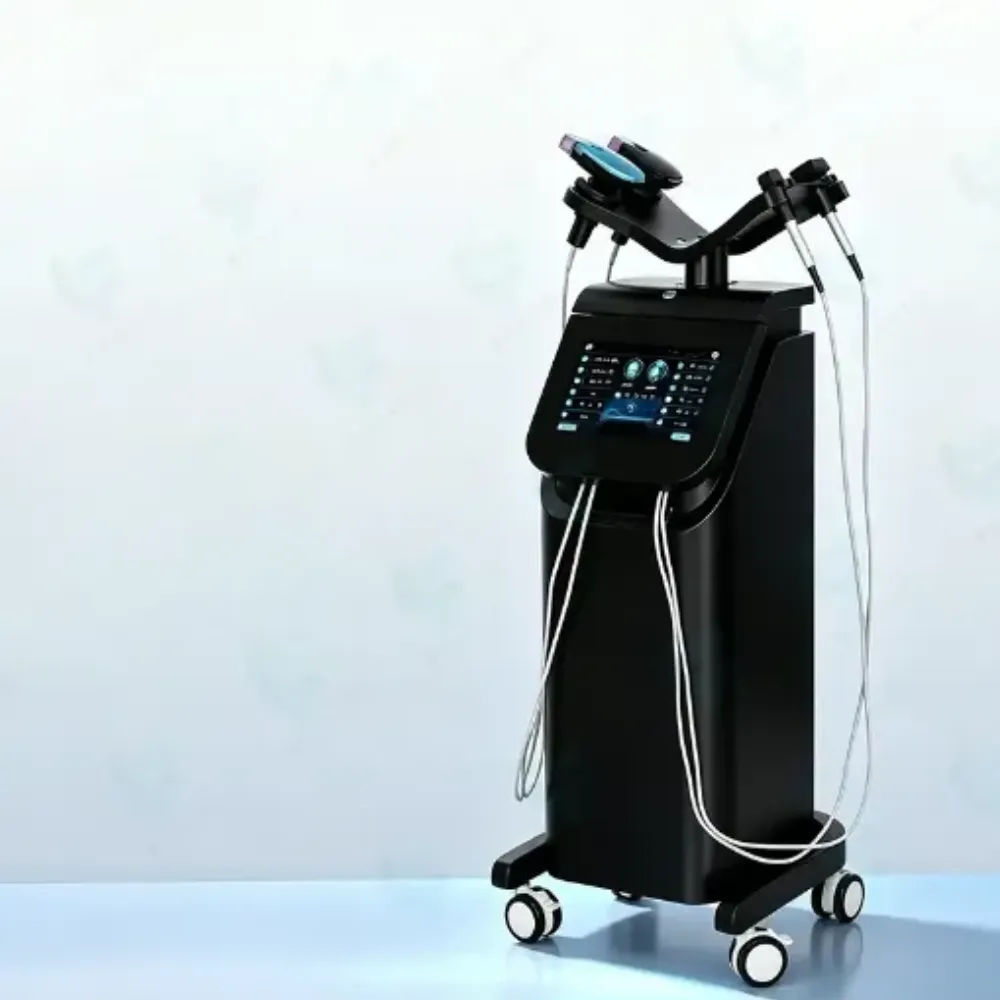
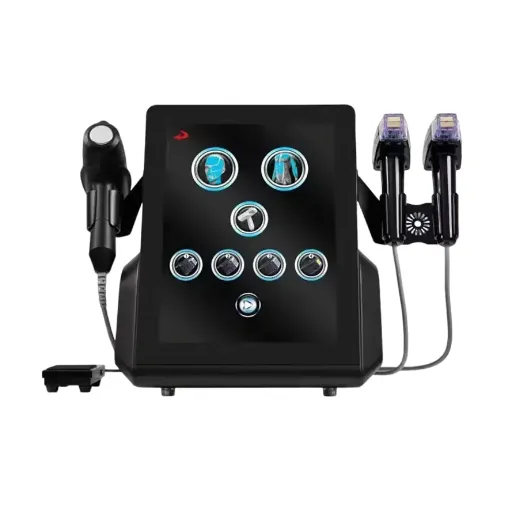
The field of medical aesthetics has gradually shifted from basic topical therapies to sophisticated equipment. Among them, vertical fractional radiofrequency microneedles are widely recognized as the “gold standard” in the field of non-surgical skin remodeling. This article aims to fully explore the unique features of this RF microneedle machine and explain its differences from other mainstream skin rejuvenation technologies.
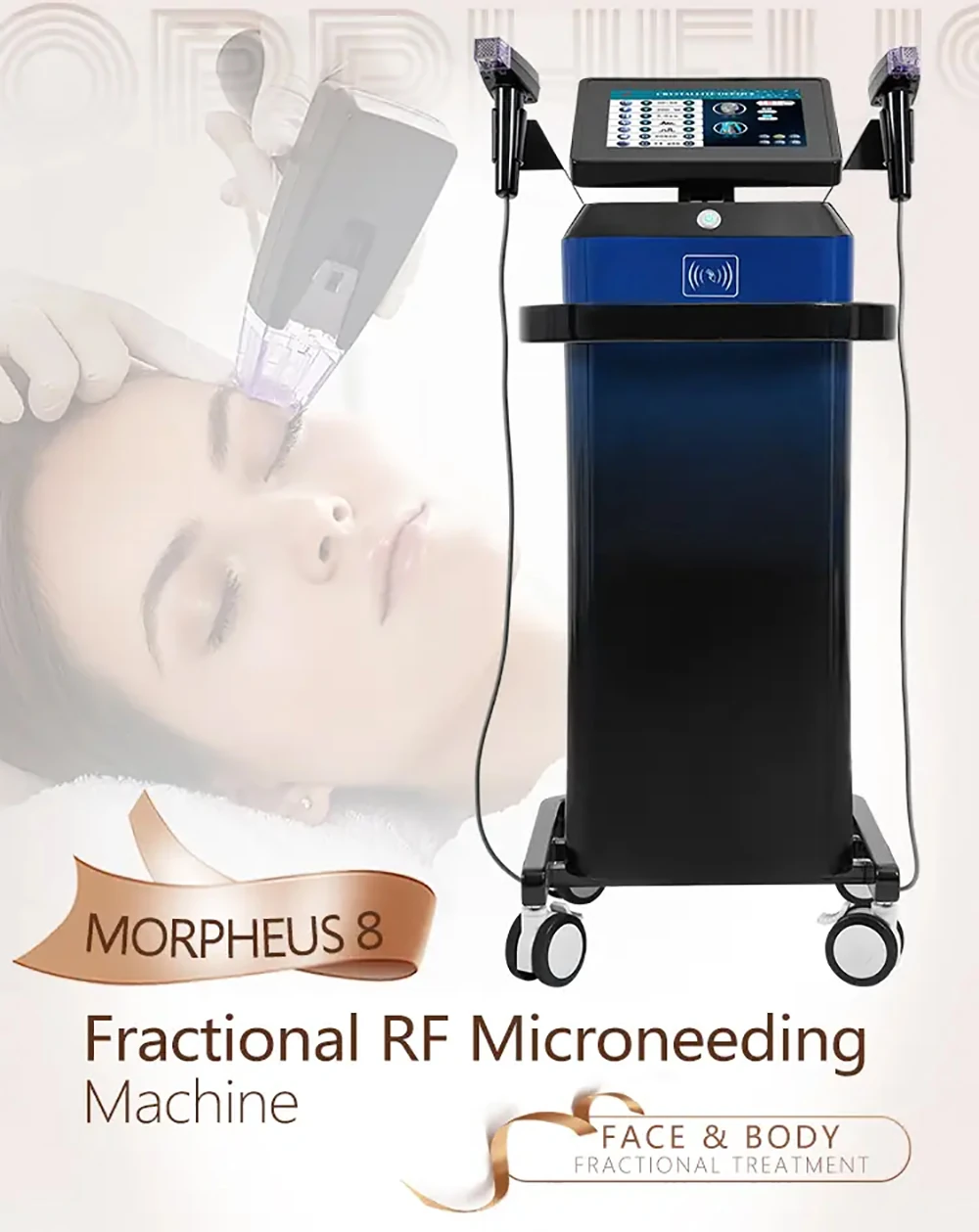
This device uses ultra-fine “smart needles” to deliver heat deep into the skin, stimulating collagen production to treat acne scars, wrinkles, and skin sagging with minimal pain and a short recovery period.
The vertical fractional RF microneedle system can precisely deliver RF energy to the deep dermis, thereby producing both immediate and long-term therapeutic effects. It can immediately cause collagen fibers to contract, thereby reducing fine lines and reshaping facial contours; at the same time, the thermal stimulation can also activate fibroblasts, thereby achieving long-term reshaping and repair of wrinkles and scars. In addition, the RF energy can also target specific areas such as the jawline and abdomen, dissolving fat through thermal coagulation to reduce local fat accumulation and create a more toned body shape.
1. Extremely short recovery period
2. Suitable for all skin types–especially suitable for Asian skin
The vertical fractional RF microneedle machine provides a more comprehensive solution:
Full-Thickness Management:It not only tightens the dermis to solve skin laxity, but also smooths out acne scars and shrinks pores. Therefore, it is an ideal choice for patients who want to improve both the deep structure of the skin and the surface texture of the skin. This treatment is often touted as the perfect complement to HIFU (High Intensity Focused Ultrasound), designed to achieve comprehensive skin reshaping; because the two technologies work synergistically to achieve a more thorough skin rejuvenation effect.
The core difference between vertical fractional RF microneedling devices and traditional microneedling therapy lies in the introduction of a thermal effect:
Stronger Regenerative Response: The heat generated by radio frequency energy can not only immediately induce the contraction of collagen fibers, but also stimulate a stronger regenerative response inside the skin. Clinical observations show that the effect of a single treatment using an RF microneedling device is equivalent to the effect of 3 to 5 treatments using a traditional microneedling device. This means that patients can achieve better and faster results with fewer treatments, which helps save time and money in the long run.
Chemical peels treat the outermost layer of the epidermis, the stratum corneum, through chemical exfoliation. Different types of chemical peels are often used to remove dead skin cells, improve skin texture, and reduce fine lines and pigmentation. However, these treatments are, by nature, superficial in scope.
Limited Deep Penetration: Chemical peels cannot penetrate deep into the dermis, so their effectiveness in treating deep wrinkles, stubborn scars, or significant skin laxity is relatively limited. Their primary impact is confined to improving the superficial appearance of the skin.
Vertical fractional RF microneedling machines offer a deeper solution:
Deep physical remodeling: This device physically remodels the deep structure of the skin by delivering RF energy directly to the deep dermis. This allows it to address deeper skin problems more effectively. For deep wrinkles and stubborn scars, the physical remodeling capabilities of RF microneedling devices far surpass those of any topical chemical agents. It can stimulate the deep layers of the skin to produce new collagen and elastin, thereby achieving lasting improvement in skin texture and appearance.
The most significant feature of professional-grade vertical fractional RF microneedling devices is the precision of their treatment depth. The device offers a programmable depth range of 0.5 to 7 mm, with a total thermal penetration depth of up to 8 mm. This wide range of adjustable depths allows operators to tailor personalized treatment plans based on the specific needs of different patients and the characteristics of different parts of the body. For example, delicate areas like the under-eye area may only require shallow penetration, while areas with more severe skin laxity, such as the abdomen, may require deeper treatment.
“Burst Mode” is a unique feature of the vertical fractional RF microneedling machine. It achieves multi-level, precise targeted therapy in a single operation by sequentially treating two to three different depth layers within millisecond-level time intervals. This innovative treatment method can maximize the therapeutic effect in a very short time. It ensures that different layers of the skin receive the appropriate amount of RF energy, thereby stimulating collagen production at multiple levels and comprehensively improving the overall skin rejuvenation effect.
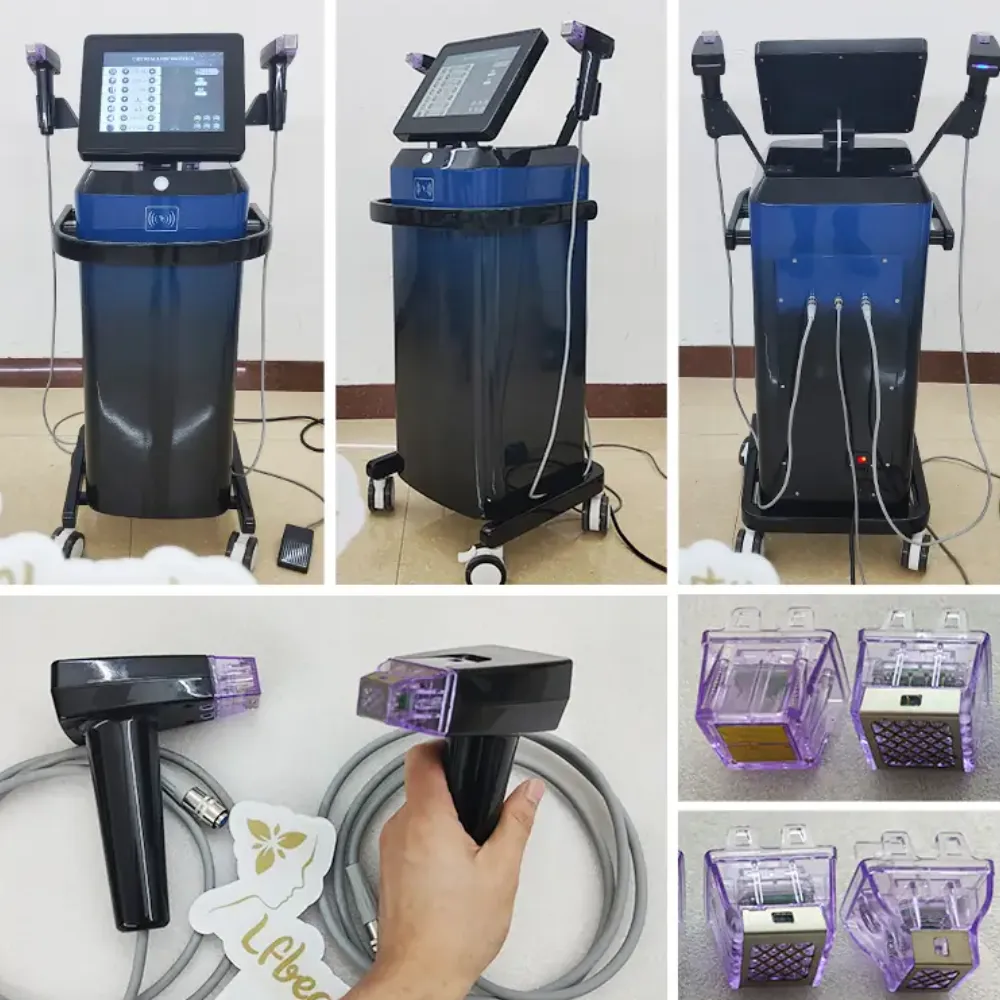
The device features insulated probe technology with 0.22 mm gold-plated needles, where only the tip transmits radio frequency energy. This protects the epidermis from heat damage, making the treatment virtually painless and bloodless, while reducing risks such as burns, scarring, and infection. Enhanced patient comfort encourages better treatment tolerance and willingness to undergo multiple sessions.
Three probe types are available:
| Probe Type | Target Area | Primary Application |
| 12P | Precision Zones | Small areas, deep scars, perioral lines |
| 24P | Face & Neck | Skin tightening, jawline definition |
| 40P | Body | Stretch marks, cellulite, abdominal laxity |
| Nano Chip | Epidermis | Infusion of actives, gentle tightening |
The global microneedling therapy market is experiencing significant growth. The market size is projected to grow from $650 million in 2025 to over $1.1 billion in 2030, with a compound annual growth rate (CAGR) of 10.9%. In this expanding market, the vertical fractional RF microneedling device segment is showing the highest growth rate. This is thanks to its superiority over other skin rejuvenation technologies in terms of effectiveness, safety, and versatility.
Meanwhile, Grand View Research reported that RF microneedling accounted for over 59% of global microneedling revenue share in recent years. (Source: https://www.grandviewresearch.com/horizon/outlook/microneedling-market-size/global)
A: An RF microneedling machine is not recommended in the following situations: active acne or ongoing skin infection; pregnancy or breastfeeding; implantation of a pacemaker or other electronic medical device; presence of a metal implant in the treatment area; recent (within the past 3 months) deep chemical peels or laser treatments; history of hypertrophic scars or keloids; and certain autoimmune skin diseases.
A: Avoid washing your face for a short period after the procedure; use medical-grade repair masks and gentle skincare products; do not wear makeup; strictly adhere to sun protection measures (mainly using physical sun protection methods); and avoid high-temperature environments (such as saunas or strenuous exercise). Please be sure to follow your attending physician’s advice for specific postoperative care guidelines.
A: Yes. In addition to the face, RF microneedling is also commonly used on the neck (to improve neck wrinkles), abdomen (to address stretch marks and skin laxity), and arms and thighs (to eliminate cellulite and tighten the skin). Treatments targeting specific body parts typically require deeper needle insertion and higher energy settings; however, because the treatment area is often larger, the entire treatment session also takes a relatively longer time. Therefore, it is crucial to ensure that the equipment can maintain stable and continuous operation and that the treatment handpiece has sufficient heat dissipation capacity.
A: The duration of the effect varies from person to person, and usually ranges from 6 to 12 months. Factors such as age, basic skin condition, and lifestyle habits (including sun protection measures and sleep patterns) can all affect the duration of the effect. Since the natural loss of collagen is an ongoing process, regular maintenance treatments are usually more effective than a single high-intensity treatment in order to maintain long-term results.
This vertical fractional RF microneedle machine is not just a simple microneedling instrument, but a comprehensive skin remodeling workstation. Compared to laser or high-intensity focused ultrasound (HIFU) technology, it has become the most comprehensive investment choice for modern medical aesthetic institutions due to its deeper penetration, safer energy delivery method, and superior treatment effect. This device can address a wide range of skin problems—from superficial blemishes to deep structural lesions—making it an indispensable tool in the field of medical aesthetics. As the market continues to expand and more practitioners and patients begin to recognize its significant clinical benefits, this vertical fractional RF microneedle device will undoubtedly play an increasingly important role in the field of non-surgical skin rejuvenation.