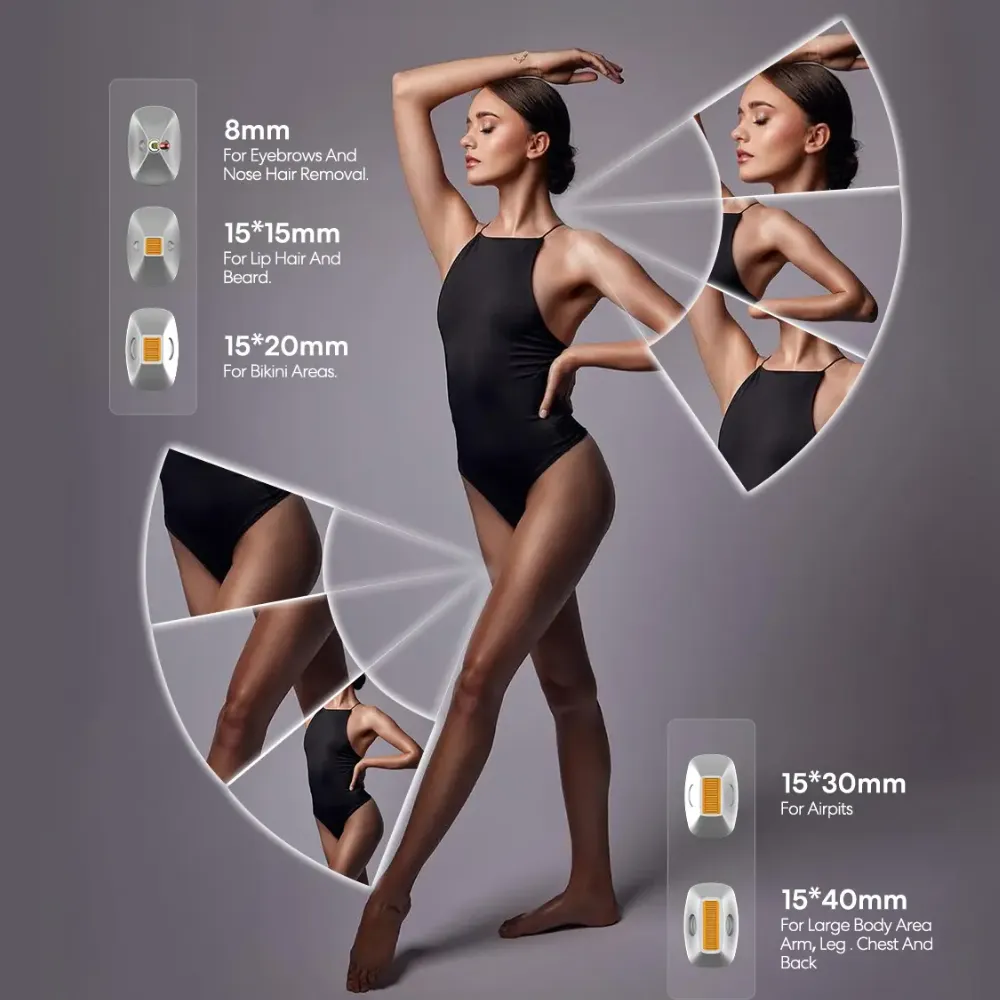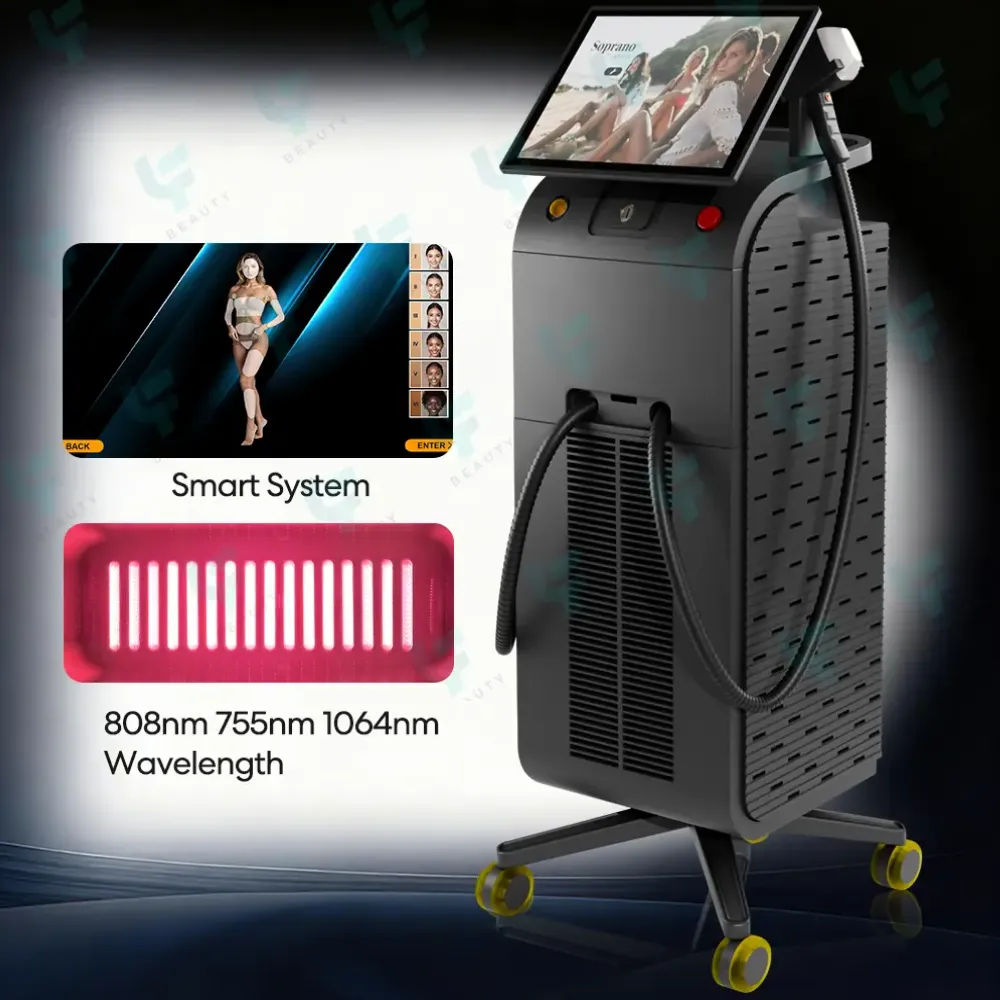
Diode Laser Hair Removal Training: A Clinic Buyer’s Guide
Diode laser hair removal training should give your team a sound grasp of theory, supervised practice, and guidance for their exact machine. Check local rules...

Laser hair removal machine ROI, or return on investment, compares the startup outlay with cash earned after running costs. To estimate payback, divide that outlay by monthly cash surplus. Then allow for the time needed to build bookings.
A full calendar can still hide a weak investment. Discounts reduce what each visit earns, staff need paying between appointments, and a prepaid package brings future treatment obligations. Equipment price alone can’t answer whether your clinic can fund the service.
This guide gives clinic and med-spa owners a practical way to calculate laser hair removal machine ROI. You’ll separate monthly operating break-even from investment recovery, compare three volume scenarios, and work backward from a target payback date. You’ll also see why a mature operation’s results can differ from a new service’s first year.
Every dollar figure below is an invented teaching assumption in US dollars. These are not LufenBeauty quotations, industry averages, or actual clinic results. Use your own prices, completed-visit records, paid hours, and written supplier terms before making a purchase.
Key Takeaways
- Treatment revenue minus variable costs gives contribution toward fixed costs and investment recovery.
- In this teaching model, 29 completed treatments cover defined monthly operating costs; 53 support a 12-month payback target.
- The base scenario pays back in about 5.6 months at steady volume, but the illustrated ramp delays recovery until month 8.
- Financing, tax, future replacements, and working capital need separate cash schedules before you judge affordability.
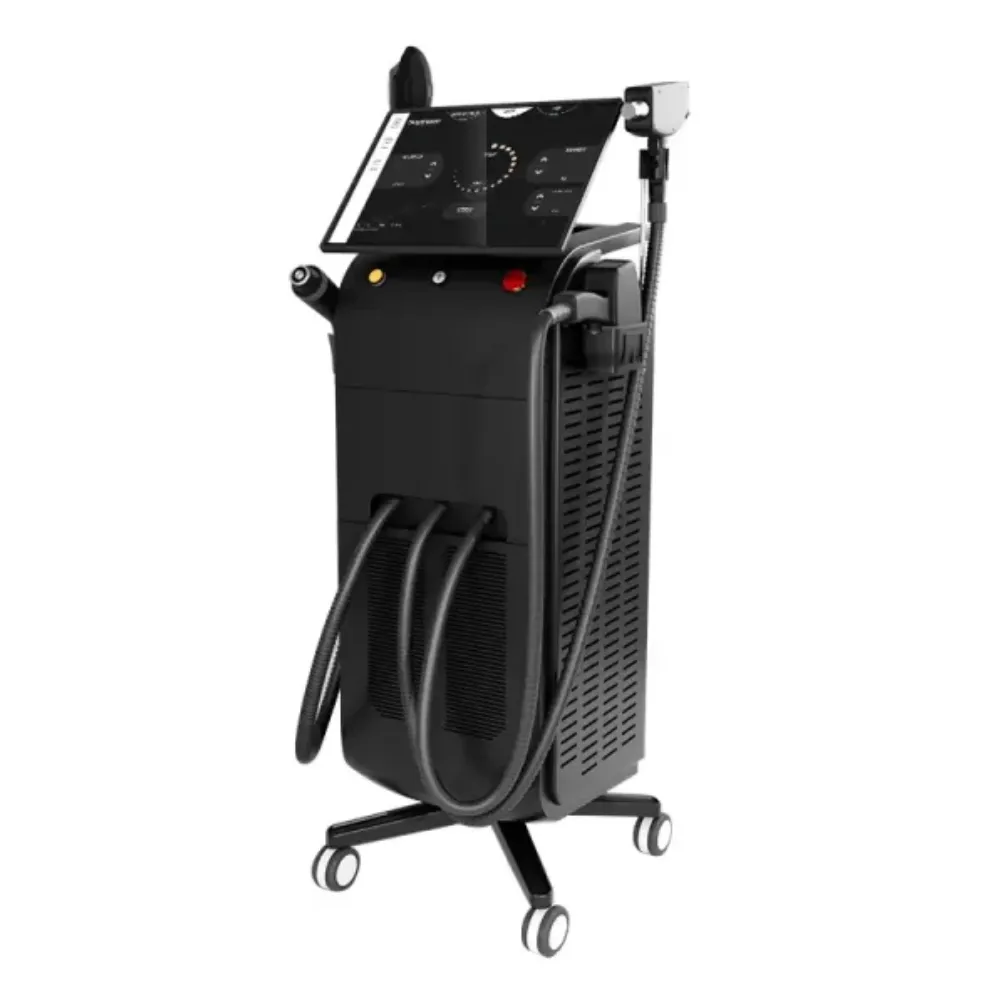
Start your laser hair removal machine ROI calculation with three different measures. Revenue is what completed treatments earn. Operating cash surplus is what remains after the cash operating costs included in your model. Investment return also accounts for the startup outlay over a stated period.
For a fictional example, Alex plans to spend $30,000 on a machine and setup. At 80 finished visits earning $150 each, monthly revenue is $12,000. Dividing $30,000 by $12,000 suggests payback in 2.5 months.
But after assumed variable and fixed costs, only $5,400 remains each month. Alex’s revised payback is about 5.6 months at steady volume. The sales total hasn’t changed. The revised estimate counts the costs of earning it.
That distinction matters when comparing laser hair removal machine ROI estimates from different suppliers. Ask what each number measures and which costs it leaves out.
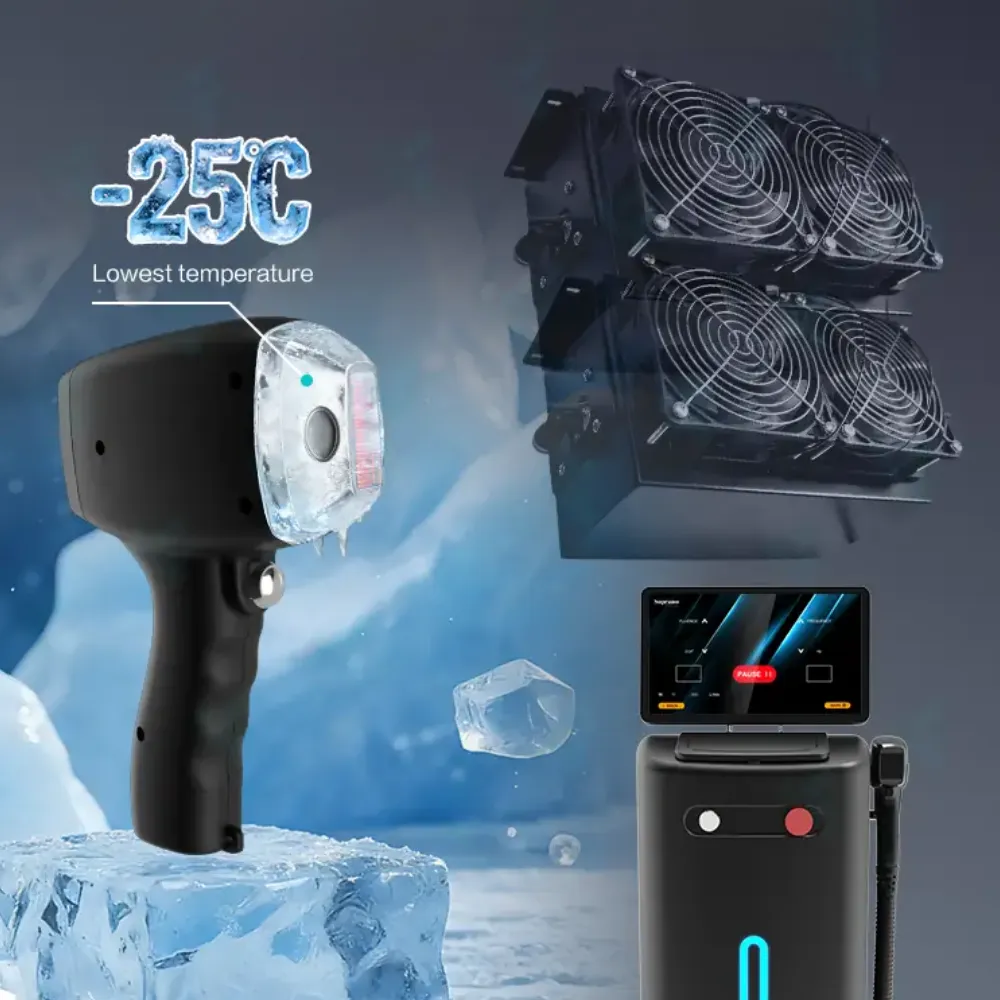
Start with a defined configuration: Explore the hair-removal equipment range, then list the model, accessories, and delivery scope you need priced.
The US Small Business Administration’s break-even guidance uses fixed costs divided by price minus variable cost per unit. Here, the unit is one completed treatment.
Give each input a clear label. p is revenue earned per treatment after discounts, and v is its variable cash cost. Q is finished treatments per month. F is monthly fixed cash costs, and I is the startup outlay.
The third formula works only with positive surplus and steady cash flow. If contribution is zero or negative, increased volume won’t solve the underlying unit economics.
To express laser hair removal machine ROI as a percentage, specify the period. This guide’s 12-month simple net cash ROI = (12 × monthly surplus − startup investment) ÷ startup investment × 100%. It assumes no resale value at month 12. It differs from accounting return on capital and from operating cash yield, which doesn’t subtract the initial outlay.
An accurate laser hair removal machine ROI worksheet assigns each cost to the right place. The teaching model assumes $25,000 for equipment and $5,000 for delivery, setup, and initial training, totaling $30,000. Those amounts are placeholders, not a price range.
Your actual laser hair removal machine cost needs an itemized quotation. Check freight, import charges, installation, electrical work, required accessories, initial training, and any nonrecoverable taxes. Record the currency and who bears exchange-rate changes. Track a working-capital buffer separately so it isn’t confused with equipment spending.
For monthly operations, use the following assumptions consistently:
| Teaching Input | Assumption | Included Scope |
|---|---|---|
| Realized revenue per completed treatment | $150 | After allocated discounts and refunds; excludes sales tax collected for authorities |
| Variable cost per treatment | $45 | Variable treatment labor, supplies, and payment processing |
| Monthly fixed cash costs | $3,000 | Recurring marketing, added room and insurance costs, and routine service allowance |
| Initial equipment and setup investment | $30,000 | Paid at the start; not charged again each month |
This laser hair removal machine ROI model excludes financing, income tax, working-capital changes, major replacement spending, and disposal proceeds. Depreciation is noncash and isn’t deducted from the cash surplus. The result isn’t accounting net profit or owner take-home pay.
Count treatment labor once. If staff are salaried regardless of bookings, place that payroll in fixed costs rather than charging it again per visit. Include employer costs and paid preparation time. An owner working unpaid should also test an allowance for their time when assessing laser hair removal business profit.
Likewise, this model puts recurring marketing in fixed costs. Don’t add the same spending again as acquisition cost per treatment. If a campaign brings new clients, divide its cost by actual paying clients, then account for all treatments those clients require.
An existing clinic can use an incremental view to test an added service. A new clinic needs its full premises, staffing, and administrative burden. For either clinic, a laser hair removal machine ROI review should identify room time that displaces another profitable service. Shared resources still have a cost.
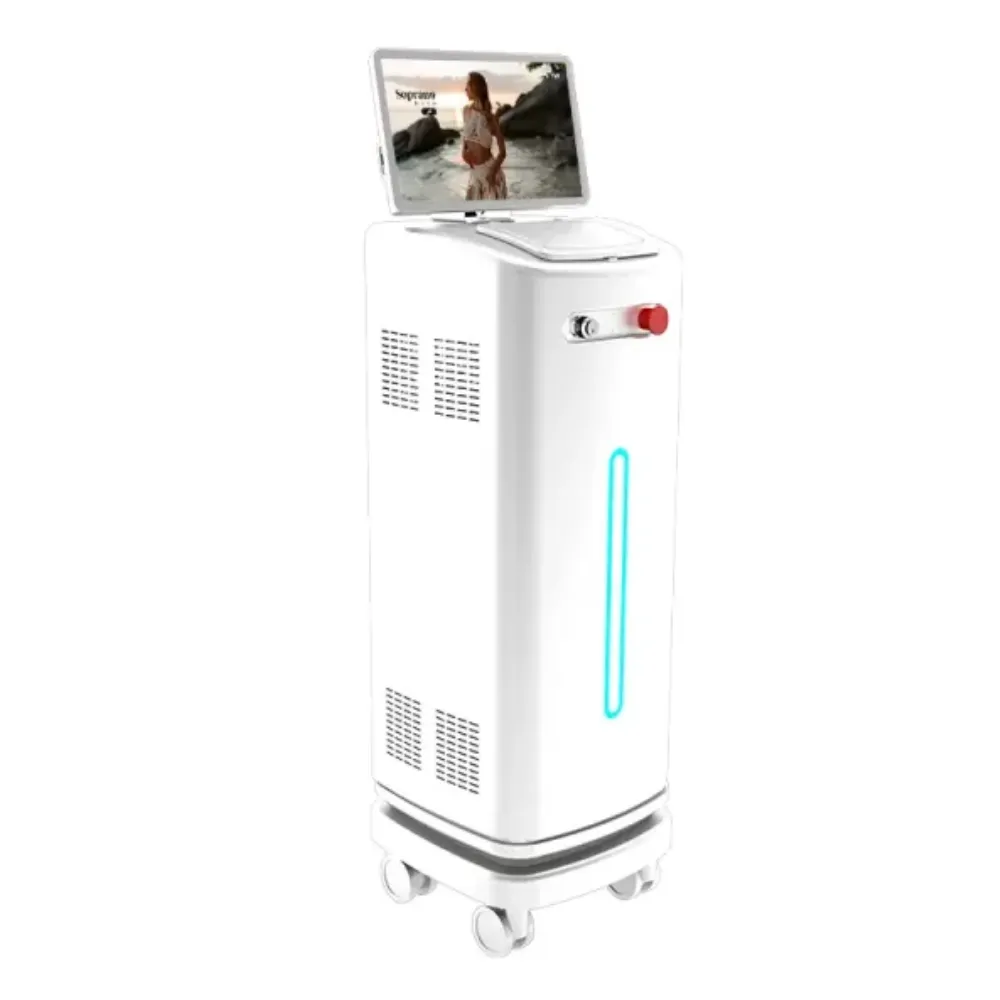
Using the assumptions above, each completed treatment contributes $150 − $45 = $105. Monthly operating cash surplus is therefore completed treatments × $105 − $3,000.
The table compares laser hair removal machine ROI at three constant volumes. All rows use the same $30,000 startup outlay and the same cost assumptions. None forecasts demand or promises device performance.
| Teaching Scenario | Completed Treatments/Month | Monthly Revenue | Monthly Cash Surplus | Simple Payback | 12-Month Net Cash ROI |
|---|---|---|---|---|---|
| Low volume | 40 | $6,000 | $1,200 | 25 months | −52% |
| Base | 80 | $12,000 | $5,400 | About 5.6 months | 116% |
| Higher volume | 120 | $18,000 | $9,600 | About 3.1 months | 284% |
The large difference comes from completed appointments. The higher-volume row needs its own evidence of demand, room availability, and permitted staffing. Faster equipment doesn’t create customers.
At only 20 completed treatments, the monthly result is −$900. There is no payback while that loss continues. A negative laser hair removal machine ROI scenario should trigger a review of pricing, costs, and demand before a purchase.
Operating break-even and investment recovery answer different questions. To cover the assumed $3,000 monthly fixed costs, divide by the $105 contribution: $3,000 ÷ $105 = 28.57, rounded up to 29 completed treatments.
For a target recovery period of T months, use:
Required monthly completed treatments = (F + I ÷ T) ÷ (p − v), rounded up.
A 12-month target requires ($3,000 + $30,000 ÷ 12) ÷ $105 = 52.38, rounded up to 53 treatments per month. This laser hair removal machine ROI threshold assumes steady activity from the start. A slow launch raises the later volume needed to recover the same investment within the year.
Use the laser hair removal machine ROI threshold to challenge your plan. Can actual demand support the required visits at the assumed price? Check your records before raising a sales target. A target only helps when the booking evidence supports it.
Build capacity from assessment, preparation, treatment, cleaning, and turnover. Use the required clinical workflow, not an advertised handpiece speed. The American Academy of Dermatology’s hair-removal FAQs explain that duration and results vary, and repeat or maintenance treatments may be needed. Clinical decisions determine treatment scheduling.
For your laser hair removal machine ROI forecast, suppose you have 160 full-visit slots each month. Assume 90% of booked visits are attended. To deliver 80 treatments, you need roughly 89 bookings, or a 55.6% booking rate. Delivering 80 treatments fills 50% of available slots, which is a different measure.
For a fictional laser hair removal machine ROI review, Priya budgets for 80 monthly visits from 80 bookings. They apply the assumed 90% attendance rate and expect only 72 finished visits. Their forecast monthly surplus falls from $5,400 to $4,560.
Priya raises the booking target to about 89. They check whether reminders and local demand can support that goal. The worksheet now separates slots, bookings, and finished treatments. A booked visit only earns its treatment fee when the service is delivered in this model.
A steady-volume laser hair removal machine ROI estimate can hide launch losses. Here is the same project starting with 20 completed treatments, then rising to 40, 60, and finally 80 per month. Receipts are assumed to arrive in the month each treatment occurs; prepaid packages are excluded.
| Month | Completed Treatments | Monthly Operating Cash | Cumulative Cash After $30,000 Startup Outlay |
|---|---|---|---|
| 1 | 20 | −$900 | −$30,900 |
| 2 | 40 | $1,200 | −$29,700 |
| 3 | 60 | $3,300 | −$26,400 |
| 4 | 80 | $5,400 | −$21,000 |
| 5 | 80 | $5,400 | −$15,600 |
| 6 | 80 | $5,400 | −$10,200 |
| 7 | 80 | $5,400 | −$4,800 |
| 8 | 80 | $5,400 | $600 |
The investment is recovered during month 8, rather than after 5.6 months from opening. The largest modeled funding gap is $30,900. That is the minimum implied by these assumptions; unexpected repairs, slower collections, or weaker demand require additional funds.
Stress-test laser hair removal machine ROI one input at a time. Reduce realized price to $120 while keeping 80 treatments and the same costs: monthly surplus becomes $3,000 and steady-volume payback becomes 10 months. Lose 10 treatments permanently to downtime: contribution falls by $1,050 before repair costs. Rescheduling may delay cash instead of permanently losing it.
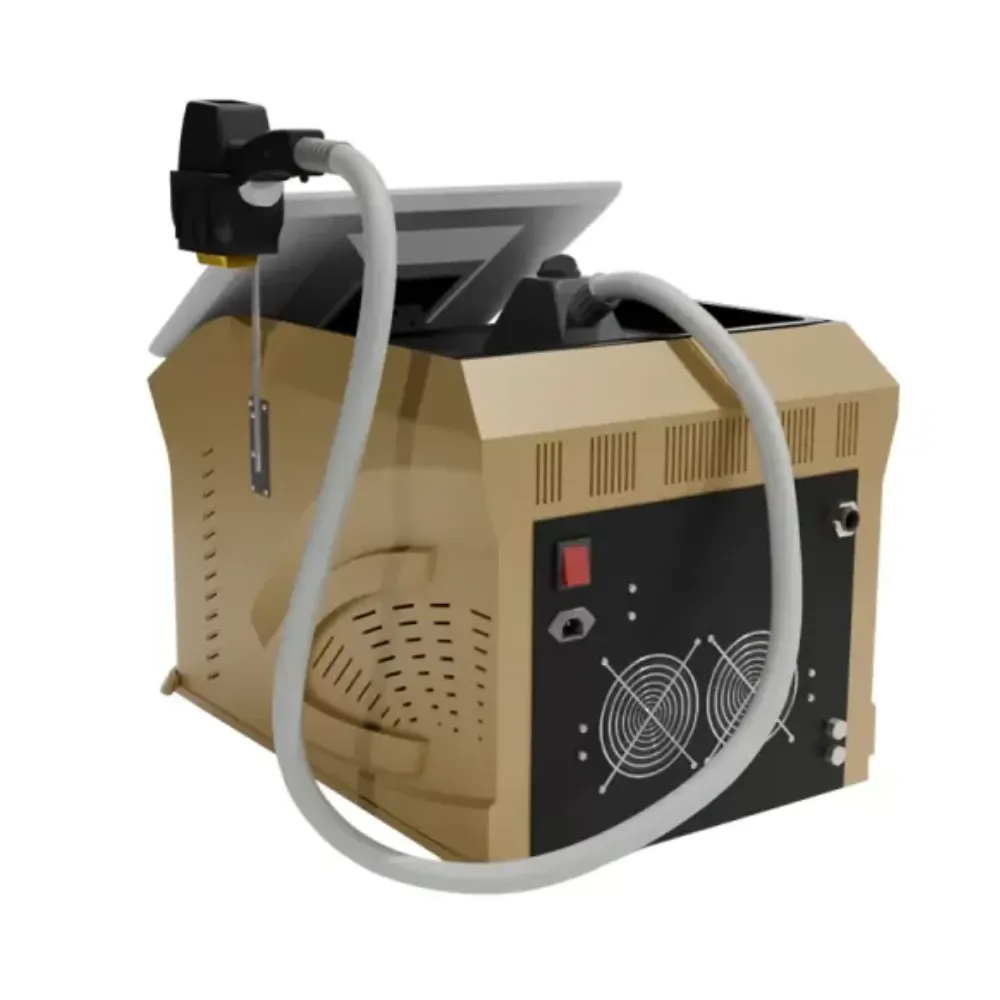
Evaluate laser hair removal machine ROI before financing first. Then build a second schedule showing the down payment, loan proceeds, monthly principal and interest, fees, and any final balloon payment. Financing can lower the initial cash needed while increasing total payments.
Don’t record loan proceeds as treatment revenue. If the project model includes the full machine price upfront, don’t also subtract debt principal within that same project-return calculation. In the owner’s cash schedule, include actual borrowing and repayments. Keep an eye on the remaining debt even if cumulative cash becomes positive.
Compare laser hair removal machine ROI and financing costs over the same period. Check service cover, ownership rights, and payments due at the end. A smaller monthly payment can hide a longer loan. Your laser hair removal payback period and your loan term are separate measures.
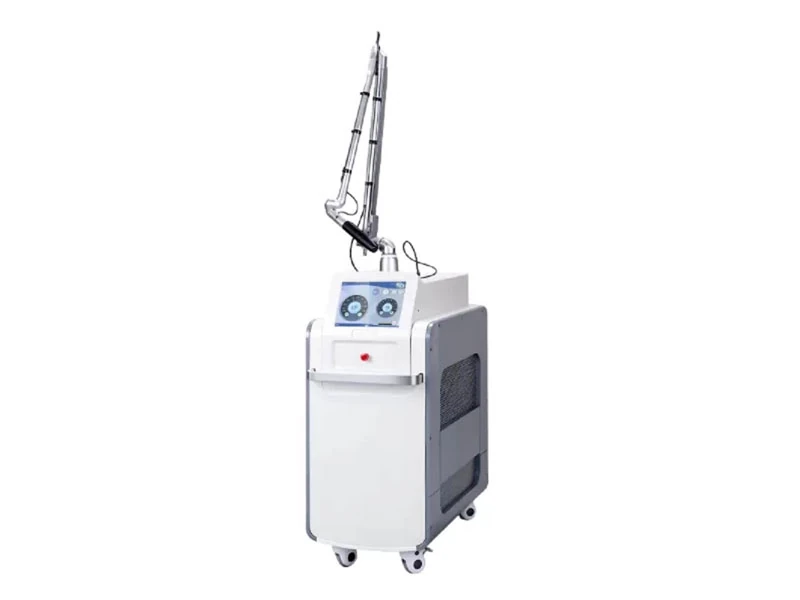
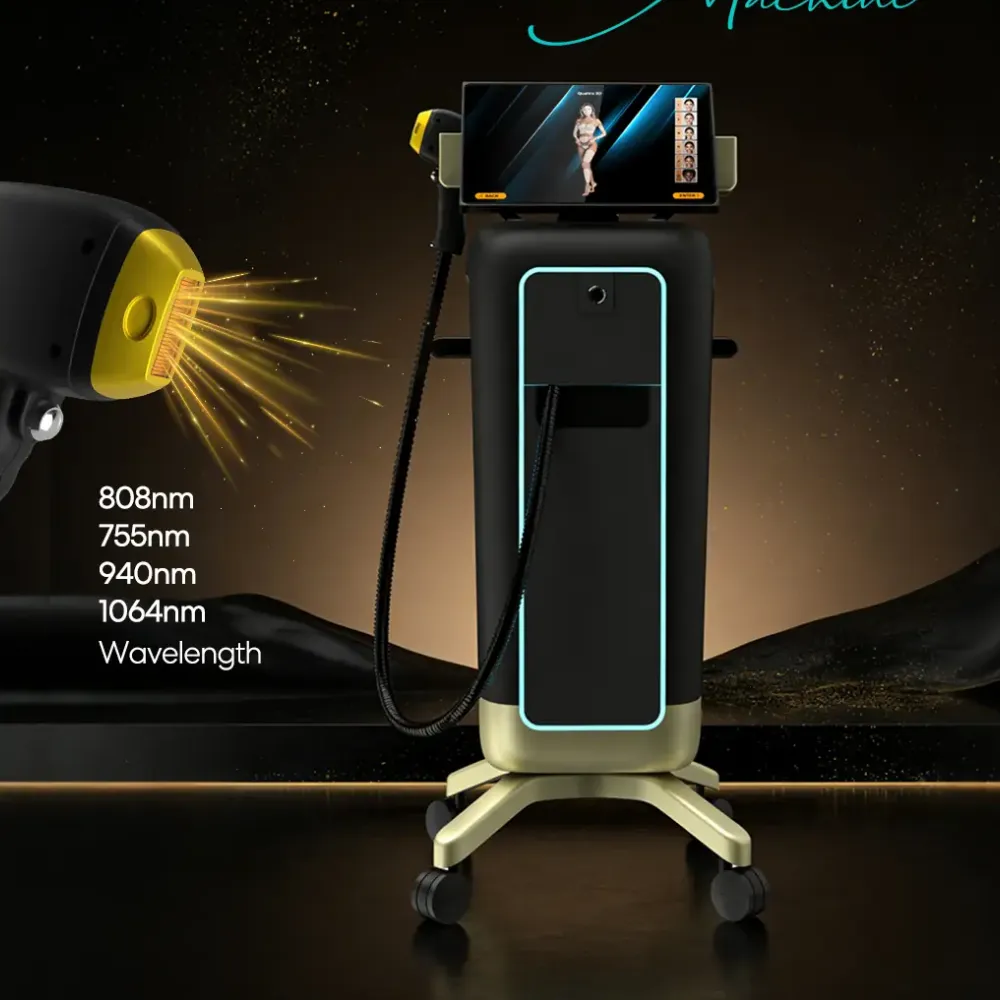
A credible diode laser ROI comparison starts with the exact configuration. Use the diode laser equipment selection to identify candidates, then request written specifications and the documentation needed for your intended market. A category listing doesn’t establish suitability or local operating permission.
For another fictional example, Morgan compares two quotes during a laser hair removal machine ROI review. One leaves repair freight and handpiece prices open; the other lists them. Morgan marks the missing costs as unknown instead of entering zero.
They ask for those terms in writing. Once both quotes cover the same scope, Morgan can compare them fairly. The exercise leaves fewer costs hidden in the forecast. A low price or long warranty headline alone can’t settle the choice.
LufenBeauty’s service page lists manuals, video teaching, one-to-one online guidance, a three-year equipment warranty, and six-month accessory coverage. These are website statements. Confirm the signed terms for your model, including exclusions, parts, labor, shipping, and the repair process.
Check the support scope: Review the training and warranty information, then ask which commitments will appear in your written quotation. Include scheduled service and replacement-part pricing in your budget.
Under this article’s assumptions, 29 completed treatments per month cover the defined operating costs. That calculation uses $3,000 fixed costs and $105 contribution per visit. It doesn’t recover the initial investment or cover an entire new clinic’s overhead. Your own laser hair removal machine ROI worksheet may need a different cost base.
There is no universal payback period. In the teaching scenarios, steady-volume recovery ranges from about 3.1 to 25 months; the base ramp-up recovers investment during month 8. These are calculated illustrations, not normal industry returns. A useful laser hair removal machine ROI estimate must show the inputs and cash timing behind its answer.
Earnings depend on realized prices, delivered treatments, staffing, overhead, and financing. Employee wages, clinic revenue, and owner income are different figures. The base scenario’s $12,000 monthly revenue leaves $5,400 before financing and tax under its limited cost assumptions. That doesn’t establish what an owner can withdraw.
Compare total cash paid, remaining reserves, financing charges, and contractual obligations. Cash purchasing avoids loan payments but uses funds upfront. Financing preserves some initial liquidity while creating future commitments. Test both against weaker booking months rather than judging affordability from a mature month’s projected surplus.
Prepaid packages can bring cash forward, but they also commit room time and labor to future visits. Discounts may reduce contribution per treatment. Track cash received, treatments still owed, refunds, and delivery costs separately. For laser hair removal profitability, the full package price cannot become profit merely because payment arrived early.
Treat laser hair removal machine ROI as a test of your business assumptions. Start with an itemized startup budget, use realized treatment prices, and assign each operating expense once. Then check whether completed visits can support both monthly costs and your chosen recovery deadline.
Keep five records with your laser hair removal machine ROI forecast: the quote, labor budget, realized-price calculation, booking inputs, and monthly cash plan. Label each input as confirmed or assumed. After launch, check it against actual discounts, missed visits, and service spending. Also track the cash needed for treatments still owed on packages.
The teaching model shows why this matters. A service can cover its operating costs well before it recovers its startup investment. A mature month can also suggest a shorter payback than the opening period delivers. Neither distinction requires an elaborate spreadsheet, but both need clear inputs.
To replace the equipment assumptions in your laser hair removal machine ROI plan, request model specifications and pricing. Share your intended market, proposed configuration, and training and service requirements, and ask for an itemized written quote.