Laser Hair Removal Machine ROI: Costs and Payback
Laser hair removal machine ROI, or return on investment, compares the startup outlay with cash earned after running costs. To estimate payback, divide that outlay...

Diode laser hair removal training should give your team a sound grasp of theory, supervised practice, and guidance for their exact machine. Check local rules on qualifications and supervision before booking. A course certificate alone doesn’t give someone legal permission to treat clients.
A certificate can arrive before your treatment room is ready. As you weigh machine quotes, staffing, and launch dates, ask what each course covers and what your team still needs.
Match teaching, skills checks, and device guidance to staff duties. Longer isn’t always better; a short course may leave new learners with gaps.
Clinic owners, med-spa buyers, and team leads can use this guide to compare diode laser hair removal training. It covers entry rules, practice, costs, and supplier support to help plan your purchase. Treatment decisions need a professional who is legally allowed to make them and follows the device instructions.
Before you book diode laser hair removal training, put each provider’s written answers in one place. Your team can then see what is covered and what still needs work.
Key Takeaways
- Check three separate areas: legal permission, course learning and assessment, and guidance for your exact device.
- Compare online theory, watching a demonstration, and supervised learner practice separately.
- Ask who checks each learner’s skills, what they record, and how learners fill gaps before taking on duties.
- Budget for skills checks, staff time, travel, and machine handover as well as course fees.
- LufenBeauty’s service page lists manuals, video teaching, and one-to-one online guidance. Confirm what is offered for your chosen model.
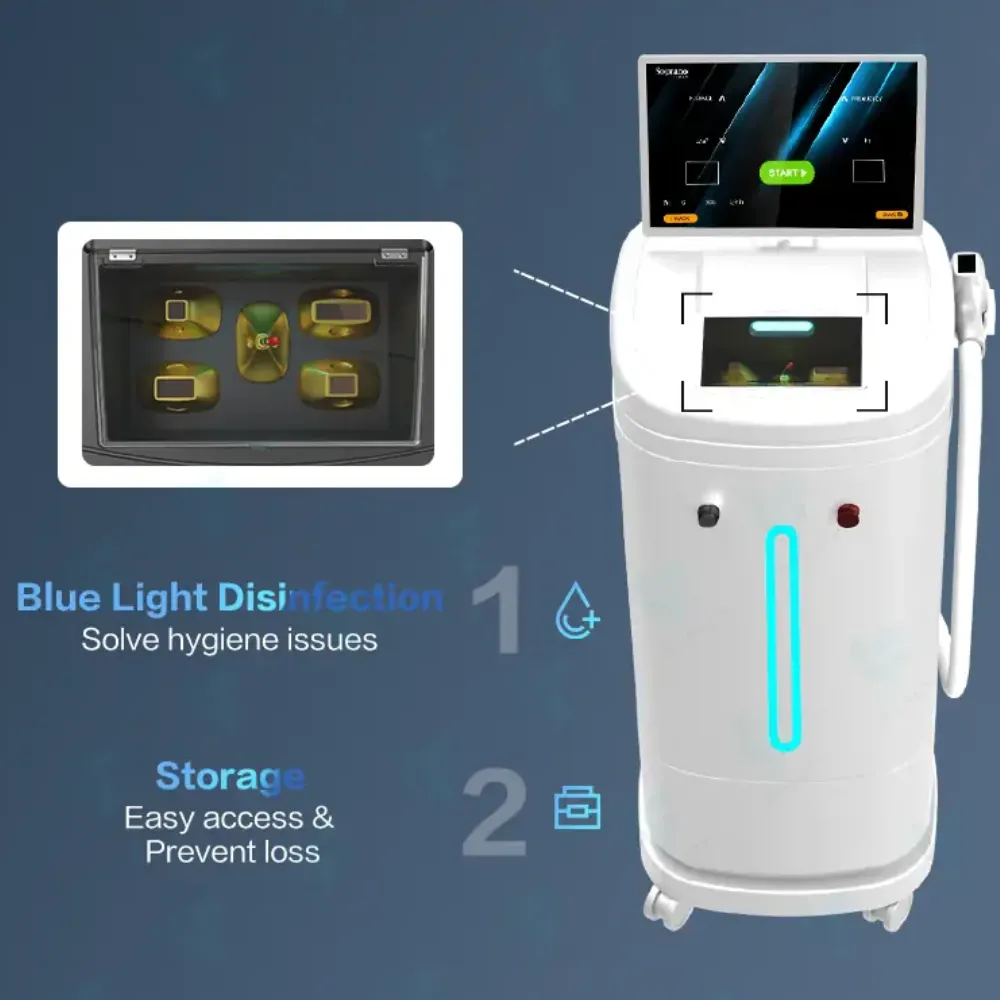
Before you compare course dates, find out who regulates this work in your area. Ask who may treat clients, which tasks they may do, and what supervision they need. Check any separate rules for the clinic itself. Then ask whether the course fits that route.
The phrase “diode laser hair removal certification” can refer to different documents. Ask what each document proves.
| Area | What to confirm | What it doesn’t prove on its own |
|---|---|---|
| Legal permission to work | The regulator, allowed duties, and rules for supervision | Knowledge of every machine |
| Course completion or assessment | Course outline, issuer, how skills are checked, and any verified recognition | Permission to practise in every location |
| Maker’s device guidance | Exact model, manual, controls, attachments, and care instructions | A professional licence or full clinical education |
If you’re comparing professional hair-removal equipment, ask for the training documents and course details with the machine specs. Review both before committing.
A course provider’s entry rules differ from the law on who may work. Getting a place on a course doesn’t settle your scope of practice: the tasks you are legally allowed to do. An insurer’s acceptance also doesn’t replace the regulator’s rules.
For a US example of a local route, see the Texas TDLR individual certification information. Follow the current regulator’s rules for the role and place in question. Don’t apply another state’s rules.
Hypothetical scenario, not a customer case: Alex manages a clinic that plans to buy a machine in January. Two staff members want the same weekend course, but they hold different qualifications. Alex asks the regulator and course provider to confirm each person’s route before paying.
Alex writes two learning plans instead of guessing that the same rules fit both staff members.
Keep those answers in your purchase file. Diode laser hair removal training requirements should be clear for each learner, role, and location before you pay a deposit.
Online lessons, classroom courses, and device guidance serve different needs. Compare learner tasks, feedback, and records.
Online diode laser hair removal training can help learners study theory and replay explanations. Ask about tutor access, knowledge checks, updates, and help with questions. Check the device shown in demonstrations.
Watching a task and doing it under supervision are different ways to learn. A video completion record may show viewing or course progress. On its own, it doesn’t show that a trainer watched the learner carry out practical tasks to the required standard.
For diode laser hair removal training taught from a distance, ask how learners will practise and be assessed. Live calls, recorded lessons, and in-person sessions may offer different feedback.
An in-person course needs a close look too. How much time do learners spend watching, discussing, and practising? Ask how the trainer manages the group and gives each person feedback. A full room tells you little about each person’s supervised practice.
The device maker’s teaching focuses on the machine supplied. It should match the model, manual, software, and accessories your team will use. Plan separately for broader clinical learning and any required qualifications.
Compare diode laser hair removal training offers under the same headings: theory, demonstration, learner practice, assessment, and follow-up. Keep teaching hours separate from course credits and online access periods. Ninety days of access, for example, may just mean the time you can view lessons. Confirm this.
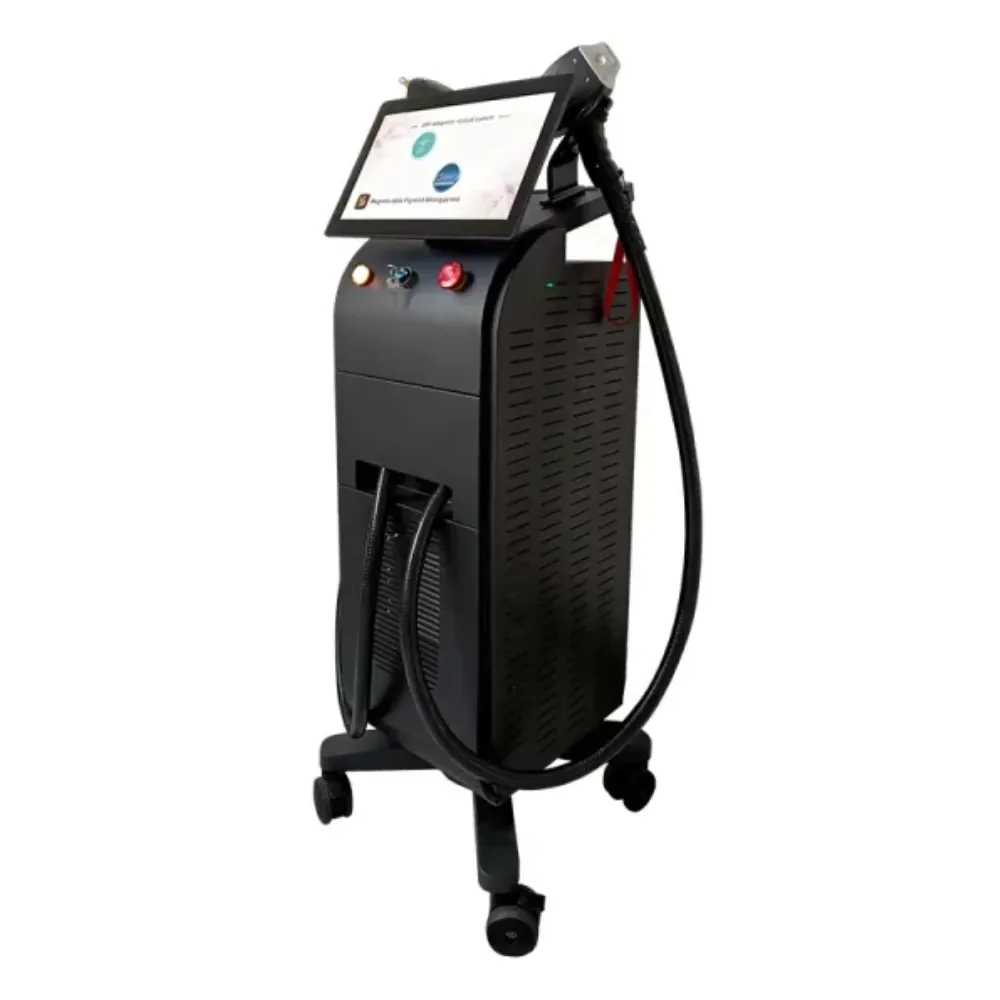
Ask for a course outline before paying. It should link theory to choices within the learner’s allowed role, with clear learning goals and skills checks.
Diode laser hair removal training should explain how light acts on hair. Wavelength labels alone can’t promise that a device suits every client. Ask how the course covers skin and hair differences, health history, and the device’s intended use.
Look for client consultation, consent, records, and when to seek help. Learners should know when they need more facts or input from a suitably qualified professional. A checklist helps only if staff know what to do with an unclear answer.
The American Academy of Dermatology’s laser hair removal FAQs list risks such as burns, skin-color changes, and scars. Ask how the course teaches staff to spot risks and refer clients. It doesn’t prove that a supplier’s machine is safe or works well.
Avoid courses that suggest every client is suitable or promise the same results for all skin and hair types. Ask how the course teaches limits and checks that learners understand them, including when to put off a decision.
Ask how diode laser hair removal training covers room safety, eye protection, access controls, machine checks, and incident reports. Include people nearby as well as the operator.
OSHA’s healthcare laser-hazards resource discusses laser safety training and eyewear suited to the system’s wavelengths. It is a healthcare safety source. It doesn’t endorse a commercial course or set a licensing rule for every location.
Request an outline that covers these areas:
For diode laser hair removal training, ask whether learners can explain and show the tasks assigned to them. This guide gives no treatment settings. Energy, pulse duration, repetition rate, and other choices need the exact device instructions and sound professional judgment.
For “hands-on included,” ask how practice is planned, who watches it, and how learners get extra help.
Practical diode laser hair removal training needs a clear purpose. Ask which tasks the provider checks, how they record feedback, and who decides whether the learner meets the course standard. Check the assessor’s relevant qualifications. A job title alone doesn’t prove their skills.
Ask each provider:
These questions help you compare diode laser hair removal training without assuming a fixed minimum number of practice hours for all learners. The right route depends on local rules, prior learning, course scope, and the duties staff will hold.
Hypothetical scenario, not a customer case: Morgan compares two courses for three current staff members. Both offer practical sessions. One quote doesn’t explain how each learner gets feedback. The other sets out tasks that a trainer will watch and a process for another assessment if needed.
Morgan asks for details before choosing, comparing the learning offered beyond the words “hands-on.”
Ask what support learners get after the course and how long it lasts. A technical helpline may help with a machine fault. A clinical question may need a different professional. Set these routes before urgent questions arise.
Keep learning records where those in charge of staff and supervision can find them. An attendance list alone may not show which tasks were assessed or where a learner needs more help.
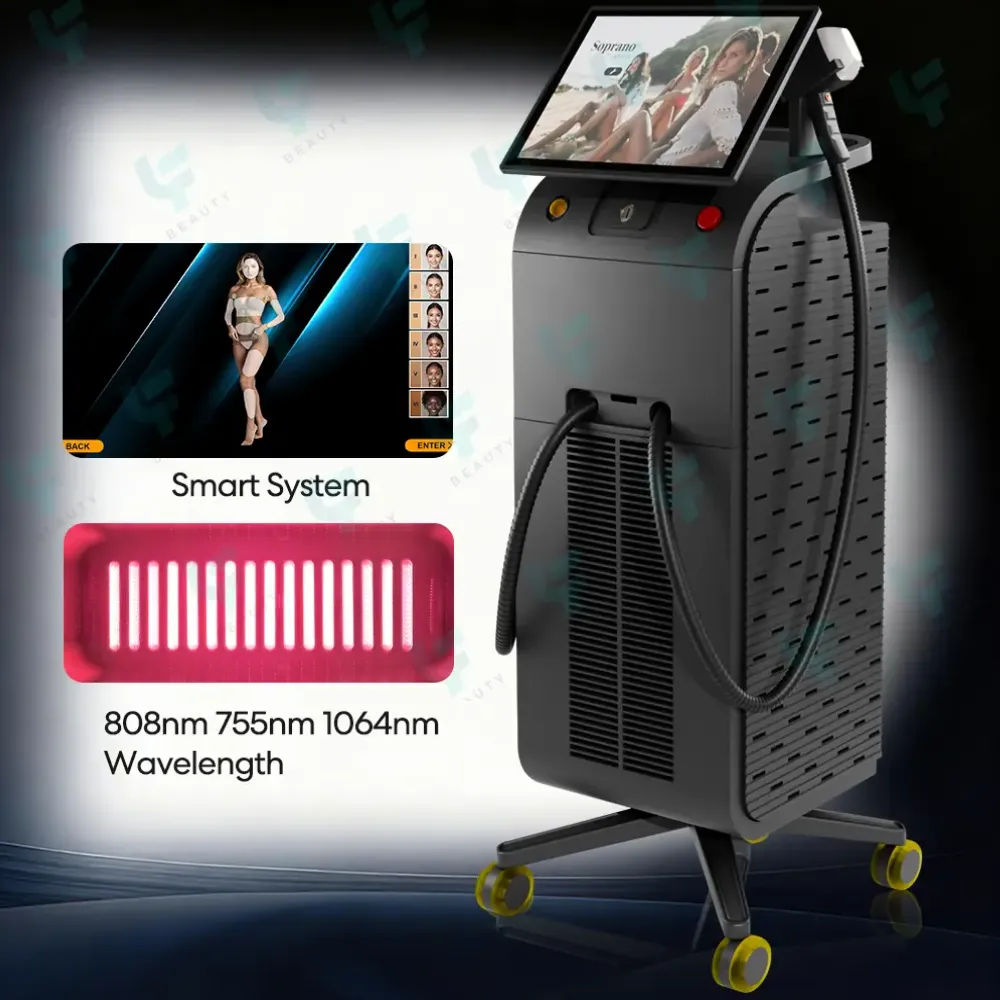
Compare diode laser hair removal training costs by scope. A theory course, a practical workshop, and a broader qualification route cover different work.
Ask for separate costs for teaching, assessment, further assessment if needed, and practical sessions. Include travel, a place to stay, paid staff time, and cover while staff are away. Check taxes, terms for cancelling, and how long online access lasts.
Ask what training “included” in a machine quote covers: materials, a booked call, or another service. Confirm how many people can join, which languages are offered, and when it takes place. Ask about extra fees for repeat sessions too.
Compare diode laser hair removal training time in separate groups. List teaching hours, learner practice, assessment, home study, and the online access period. A day that includes lunch isn’t a full day of teaching.
Don’t base your opening date on course length alone. Allow time to meet any remaining legal, skills, staffing, and device handover needs. Ask who will handle each open task and what proof will show it is complete.
Put each provider’s written answers in a simple worksheet. Ask about blanks. Missing details don’t prove a service is included or ruled out.
Use your diode laser hair removal training budget to fill the gaps your team has. Paying twice for known theory while leaving device guidance unclear won’t give you a complete plan. A machine demonstration also won’t replace a qualification route that the law requires.
Discuss diode laser machine training before signing. Compare specs and the handover plan, including what your team must arrange elsewhere.
When you review diode laser hair-removal machines, ask for the exact model name and current manual. Check that teaching materials match its screen, modes, handpieces, and accessories.
Diode laser hair removal training on another machine can give useful background. It doesn’t prove that staff know a new system. Controls that look alike may have different uses or limits. Ask how the supplier tells you about changes to software, attachments, or instructions.
Ask to agree a handover record: model, manual version, people present, topics, open questions, and support contacts. This is a buying tool to request, not a claim that every supplier provides one.
Hypothetical scenario, not a customer case: Jamie plans an upgrade for a two-room clinic. The team has prior laser training, but the machine on their shortlist has a different screen layout. Jamie asks for the matching manual and a guided review before setting the handover date.
The team records open questions instead of assuming that familiar buttons mean the same operation.
LufenBeauty’s training and device guidance information lists manuals, video teaching, and one-to-one online guidance. These are the company’s published support statements. Confirm model coverage, language, schedule, and cost.
Shortlisting equipment? Ask about training for your selected model and request its manual before you agree to the purchase terms.
Don’t call maker’s guidance accredited diode laser hair removal training unless the course and its recognition have been verified. Support can help staff learn about a machine. Legal permission to work and assessed clinical learning still need separate checks.
Check the rules for your location and role. They may cover qualifications, supervision, clinic premises, or a specific certification route. Ask the regulator before you choose a course. The provider’s entry rules don’t settle whether you have legal permission to practise.
A certificate alone doesn’t prove that you meet all the rules that apply. Check who issued it, what was assessed, and who accepts it for your role. Online diode laser hair removal training may be one part of your plan. Practical assessment or other needs may require separate steps.
Course length varies by learner. Compare theory, supervised practice, assessment, and guidance for the exact model as separate parts. Check any route set by local rules first. Then ask how the course fits your existing skills and planned duties.
Ask for supervised learner practice, clear assessment standards, feedback for each person, and a way to fill gaps. Check which tasks learners do and which they only watch. Group size and time with the machine can help you judge what the practical session offers.
Prior learning can give you a base, but check the guidance for each model you use. Review its current manual, controls, accessories, warnings, and care instructions. Don’t transfer settings or assume the same operation just because two machines share a technology label.
Ask for the model manual, teaching materials, guidance format, languages, and support terms. Get the scope in writing and ask where clinical or qualification questions should go. Diode laser hair removal training and technical support should each have a clear scope.
Choose diode laser hair removal training to match your team’s duties, skills, and local rules. Check legal permission first. Then compare the course outline, supervised practice, assessment, and follow-up. Add guidance for the exact machine before you count the equipment handover as complete.
For each staff member, record what they already hold, what still needs learning or assessment, who will provide it, and their allowed duties. Use this plan to address gaps before they cause delays.
Share the plan with the person who oversees staff and the person who buys the machine. Set a date to check open questions together. If an answer is unclear, resolve it before relying on that part of the offer.
When buying equipment, ask for the model manual and training scope with the price and warranty terms. Clear answers help you compare offers and plan the handover.
To discuss a LufenBeauty machine on your shortlist, request model specifications and training details. Confirm the materials, guidance, and answers your team needs. Use the answers to choose diode laser hair removal training and plan your machine purchase.