Skin Analysis Consultation: What to Expect and Ask
A skin analysis consultation reviews your skin concerns, history, and current routine, then discusses suitable next steps. It may include photos or a scanner, but...

A skin analyzer for dark skin should earn your trust through testing on darker complexions and steady results on repeat scans. It can support cosmetic consultations, but a detailed report alone does not establish accuracy or replace a clinical exam.
Consider this fictional buying scenario. Jordan manages a med spa and compares three scanners, each advertised for all skin types. The first demo shows clear photos and colorful scores, but no explanation of who was tested.
Jordan asks for results from people with darker skin tones and a second scan after moving the head out and back. The purchase stays on hold until the supplier can explain both.
That is a reasonable expectation when your clients have varied complexions and concerns. You need a system whose limits your staff can explain, alongside images they can reproduce between visits.
This guide explains how to assess a skin analyzer for dark skin, separate image features from physical readings, and plan a useful demo. It draws on clinical background sources and equipment research, with a practical focus on buying decisions rather than treatment advice.
Key Takeaways
- Fitzpatrick has six phototypes based on sun response; a phototype label alone does not validate an imaging algorithm.
- Ask for darker-skin results for each claimed output, including pigment and redness, rather than one overall accuracy figure.
- Repeat images after moving the head out and back before interpreting a score change as a change in skin.
- Confirm the exact hardware, software version, data terms, and written support conditions before purchasing.

Start with the job you need the system to do. A skin analysis machine can record how skin looks and use software to score spots, pores, or texture. Whether those scores mean anything depends on how each output was tested.
A skin analyzer for dark skin might help with client discussions, take photos, or measure a skin property. Those roles overlap, but they need different proof. Ask the supplier to explain the role of every output you plan to discuss with clients.
A photo-derived moisture score, for example, needs data linking that score to a sound comparison test. A separate contact probe uses a different method and still needs its own calibration and testing. A label such as “hydration” does not explain how either result was obtained.
When shortlisting a skin analyzer for dark skin, write down your priority task before comparing features. Documenting the appearance of dark marks is different from identifying their cause. Neither a dark-spot score nor an image overlay establishes a diagnosis or determines safe treatment settings.
For an initial shortlist, browse LufenBeauty’s skin-analysis range, then assess each candidate against the same questions about test results.
AI skin analysis means software reads an image; it doesn’t tell you how well that software works. Before adding it to your clinic, ask what a score means, what can distort it, and what the user should do when it conflicts with what they see.
Melanin helps give skin its color, so a scanner must separate the feature of interest from the skin around it. That makes testing on darker skin tones a practical buying requirement. One photo of a person with deep skin isn’t enough.
DermNet’s overview of skin conditions in different skin colors explains that redness from eczema can be hard to see in more pigmented skin. Darker patches may be more apparent instead. A low software-based redness score therefore should not reassure staff that inflammation is absent.
Dark marks also need context. DermNet describes postinflammatory hyperpigmentation as dark marks after inflammation or injury. It can occur in any skin tone and tends to be more pronounced and persistent in darker skin.
A skin analyzer for dark skin can help document a mark’s appearance if that function is supported. It cannot establish the cause from the color alone. Client history and a clinical exam remain part of understanding what the image shows.
The Fitzpatrick skin phototype scale describes how skin responds to sunlight, mainly burning and tanning. The six Fitzpatrick skin types don’t tell you a person’s ethnicity or fully describe how dark their skin looks.
When a supplier says a skin analyzer for dark skin covers Fitzpatrick I–VI, ask how those groups were assigned. Were people assessed through sun-response history, a color scale, or an instrument? Ask for the actual distribution of darker skin tones, including the deepest tones tested.
A skin tone analyzer that estimates color from a photo is doing a narrower task than predicting sun response. Keep those outputs separate in your consultation language and purchasing requirements.
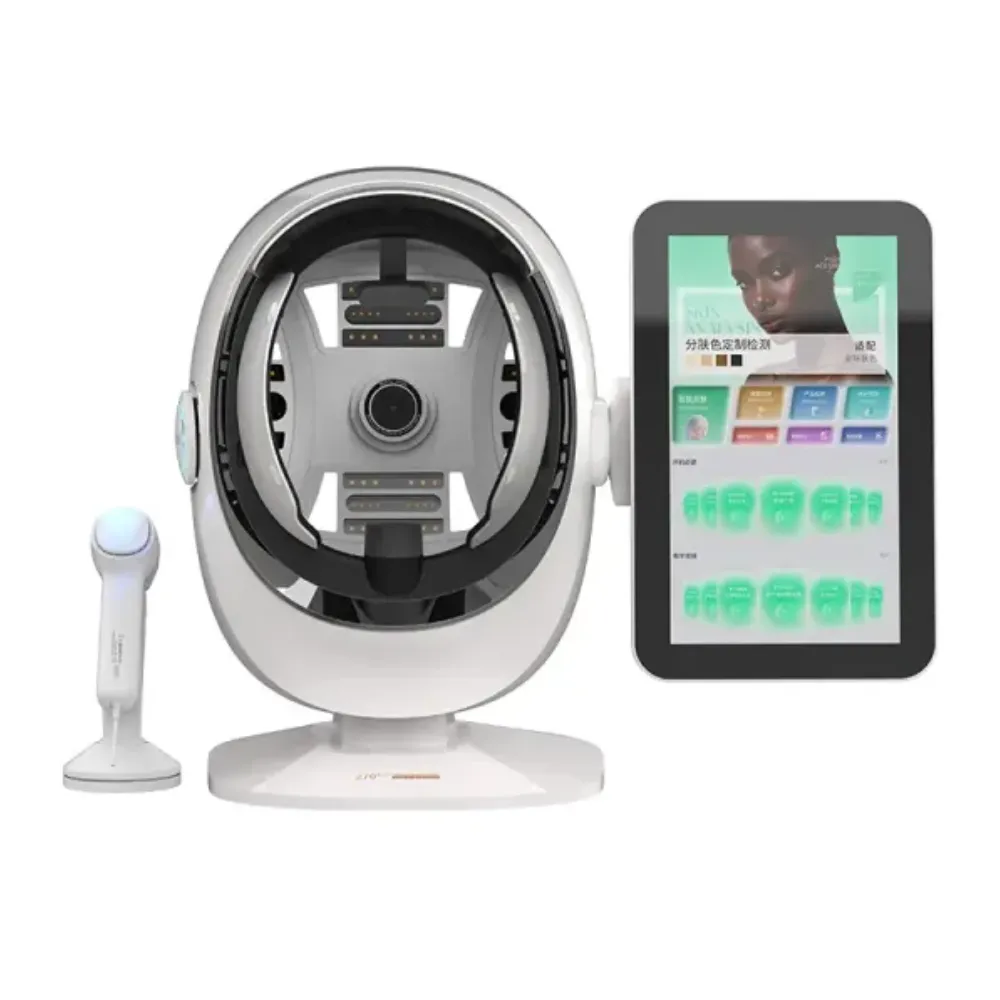
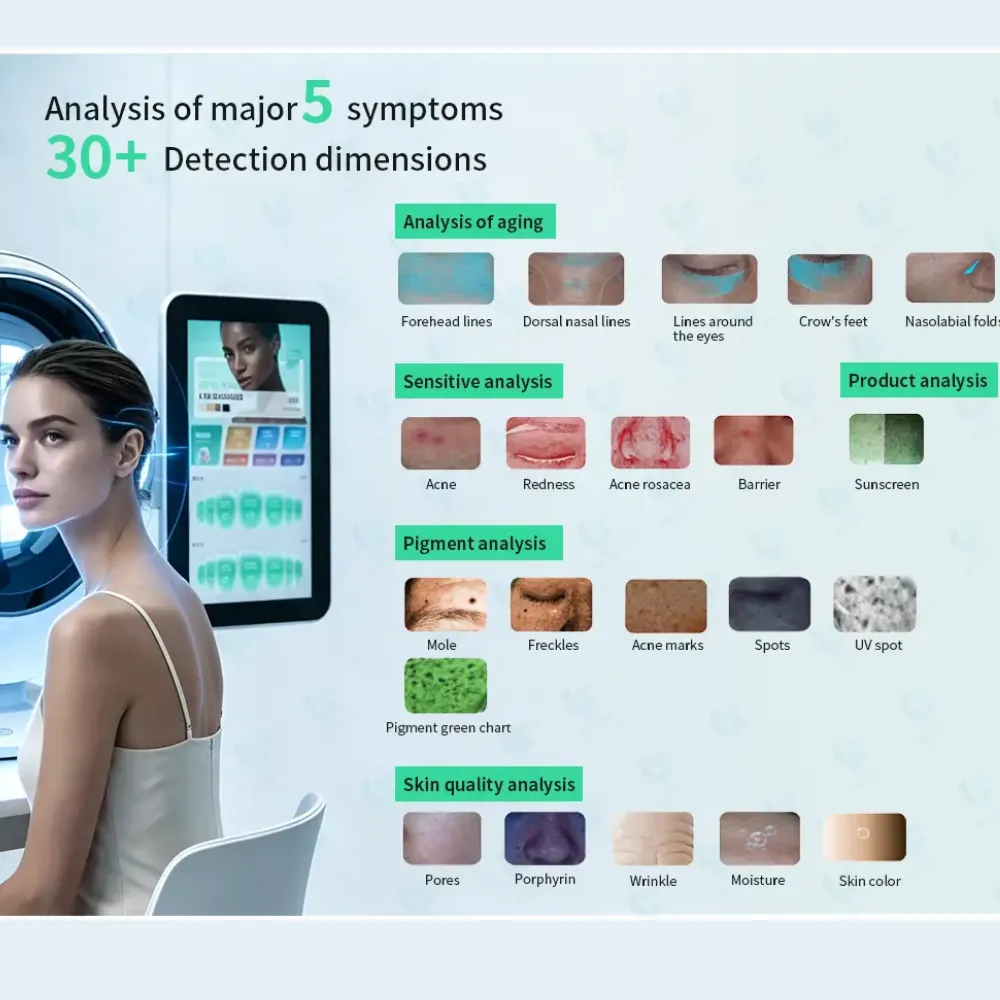
More image modes give you more views to inspect. They do not, by themselves, prove more accurate analysis. For a skin analyzer for dark skin, the useful question is what each mode measures and how that output compares with a suitable reference.
| Output or Mode | What to Establish | Test Results to Request |
|---|---|---|
| Standard color photos | Steady capture of visible appearance | Exposure, color control, positioning, and repeat-capture method |
| Cross-polarized images | Purpose of reducing surface reflections | Testing of the claimed feature on darker complexions |
| Ultraviolet images | Intended meaning of fluorescence or contrast | Relevant testing and instructions for the exact imaging system |
| Red or brown overlays | Whether software separates color signals meaningfully | Reference comparison and errors for each claimed output |
| Contact-probe measurements | Which skin property is measured | Calibration, repeatability, and appropriate reference method |
For each skin analyzer for dark skin on your shortlist, request the hardware model and software version used in testing. Proof from a different camera, algorithm, or earlier software release may not apply to the setup being quoted.
Ask how many darker-skinned people were in the test set, separately from the training set. Repeated images of one person do not provide the same diversity as images from different people. A large database total tells you little without that breakdown.
Then ask what counted as a correct result. Agreement with a clinician’s visual ranking, agreement with an instrument, and identification of a skin condition are different test goals. Proof for one does not by itself support the others.
A supplier evaluating a skin analyzer for dark skin should be able to explain the reference method for each output. Look for errors or uncertainty by skin tone, rather than an overall percentage alone. Also ask when the software rejects a poor image instead of producing a score.
Percentiles need explanation too. A score compared with a reference group depends on who is in that group and how the comparison works. Before recommending a skin analyzer for dark skin to your team, check whether staff can explain what “better than average” means to a client.
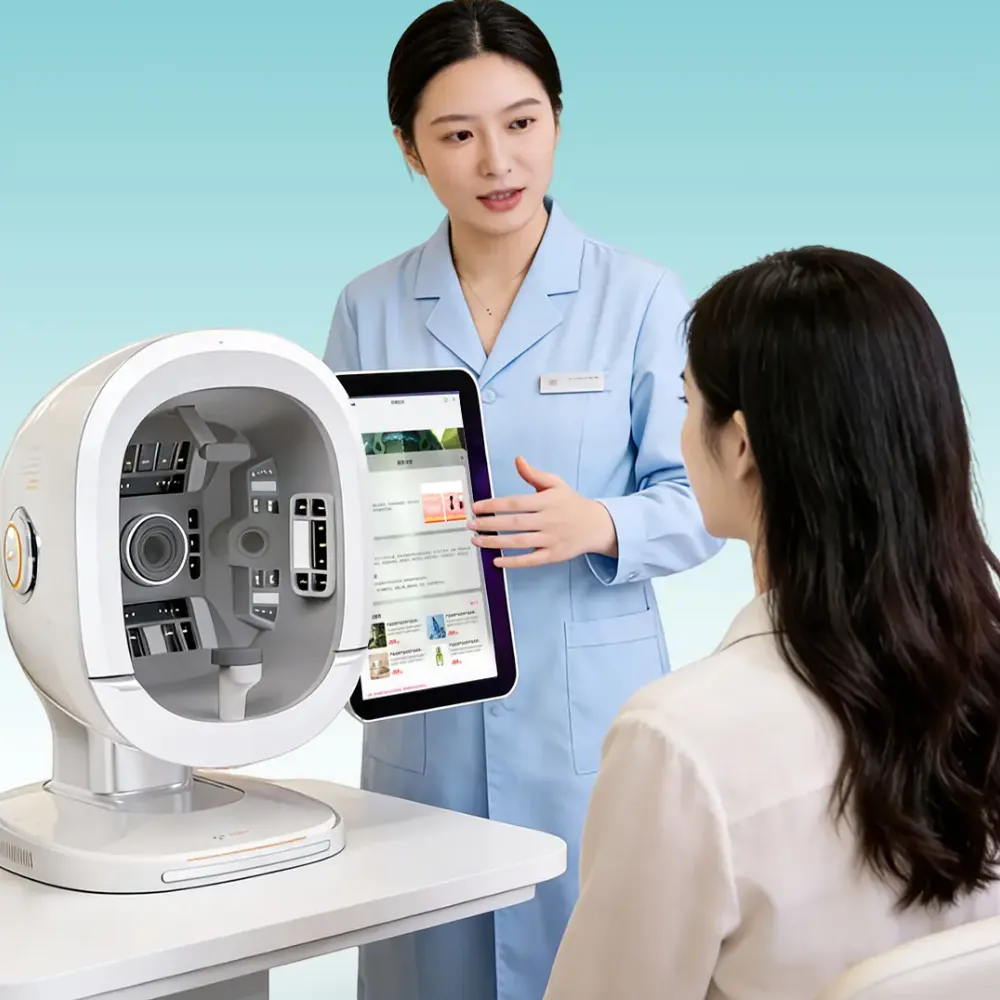
A demo checks whether the equipment fits your work. It does not replace a validation study. Ask to assess a skin analyzer for dark skin with consenting volunteers whose complexions reflect the clients you serve.
Agree on a simple process with the supplier and follow the manufacturer’s instructions:
Do not create your own universal pass percentage from this small exercise. Use it to identify questions, workflow problems, or outputs that need stronger proof. A skin analyzer for dark skin should have a clear process for handling an unusable image or an uncertain result.
Fictional demo scenario: Casey, a clinic coordinator, schedules a test with two consenting volunteers. After one volunteer moves their head out and back, the second report shows a different spot score, although no treatment occurred between captures. Casey saves both reports and checks alignment and exposure with the supplier. The outcome is a request for repeatability data, rather than a claim that the person’s skin changed during the demo.
Ask an operator to explain one pigment result in plain language. Then ask them to describe its limits without relying on the supplier’s sales script. If a skin analyzer for dark skin produces an impressive report that staff cannot read, it needs further evaluation before client use.
Canfield Scientific’s video below illustrates a commercial facial-imaging workflow. It is a third-party product demo, not proof of accuracy on darker skin or testing of LufenBeauty equipment.
Before your next demo, create a record with the capture conditions, paired reports, unresolved questions, and supplier answers. Keep that record alongside the quote so the buying decision reflects what you checked.
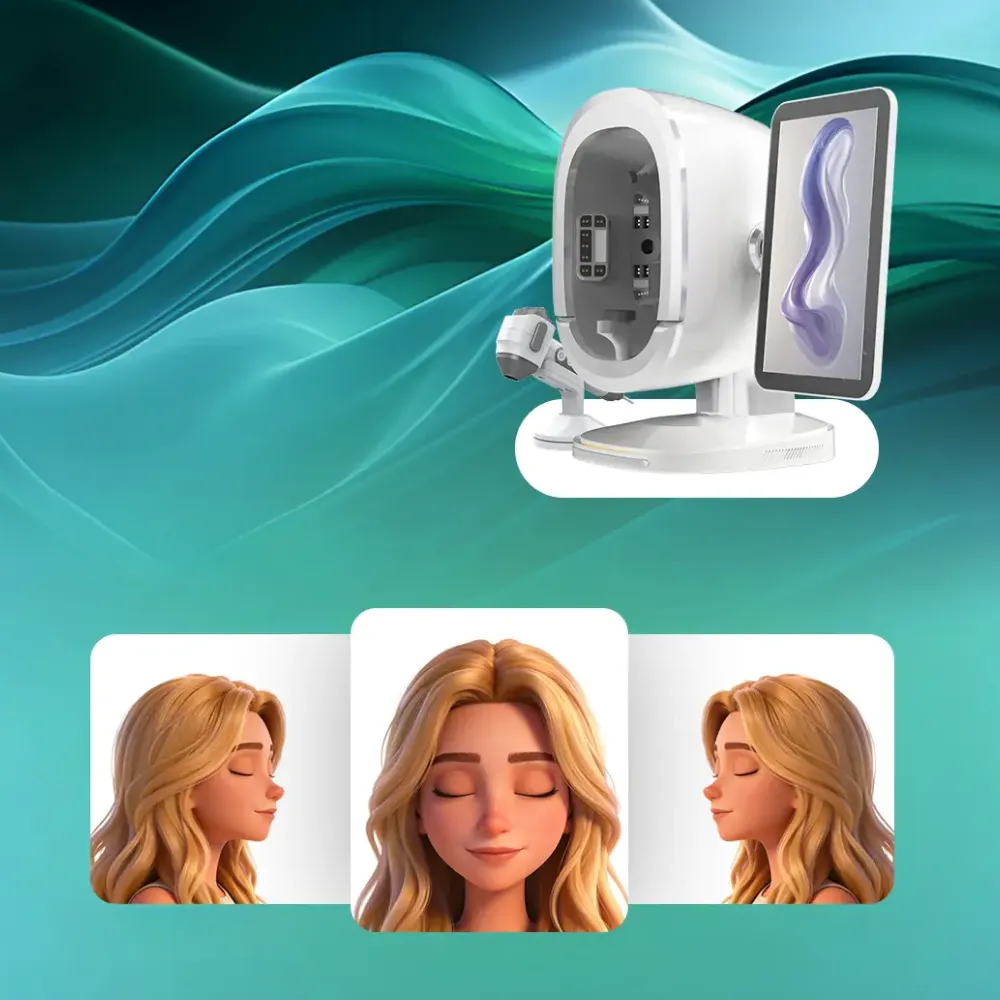
Once a skin analyzer for dark skin meets your testing needs, compare the full cost of using it. A skin analysis machine quote should show what you need to pay now and later. Ask for a breakdown that covers:
Don’t assume AI skin analysis is included for the life of the machine. Ask which features need a paid plan and whether your team can still open earlier reports without it.
Updates need attention. Find out whether a software change alters scores or the reference database, and whether earlier reports can still be compared. A change in the reporting system can complicate tracking even when the camera stays the same.
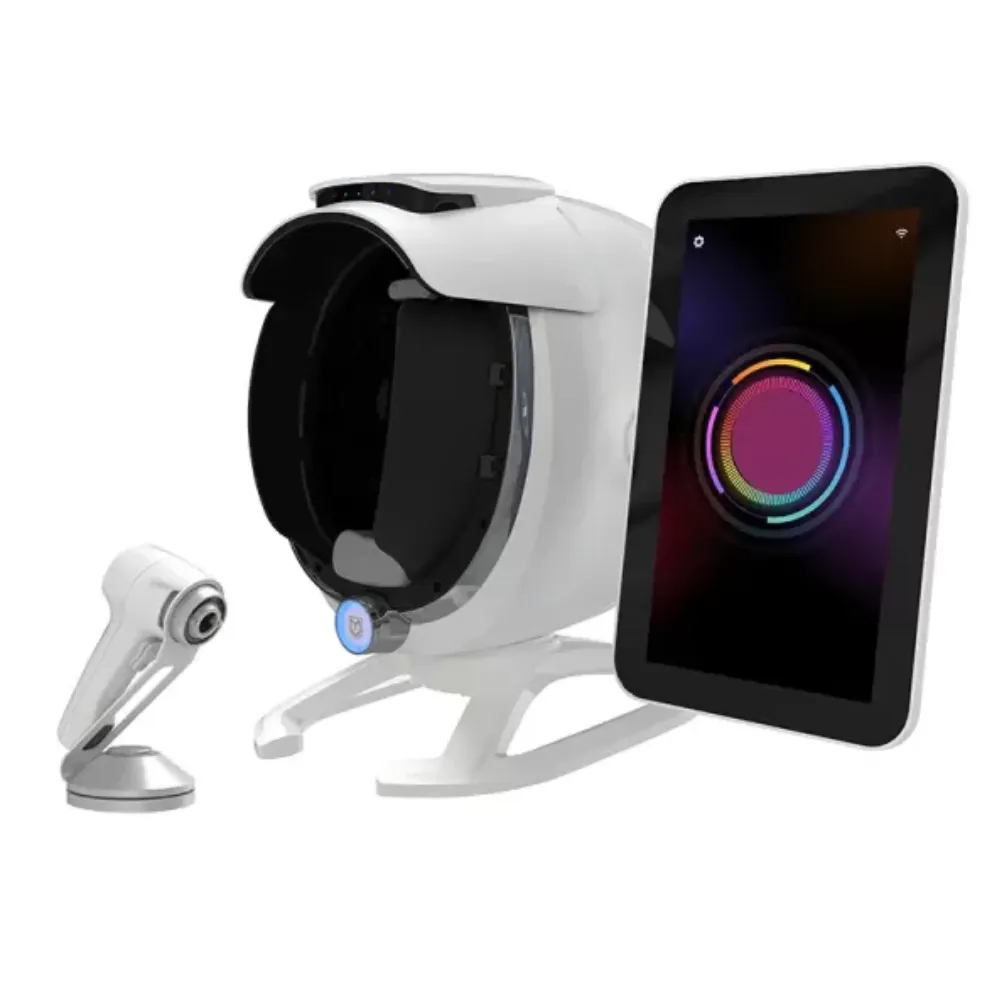
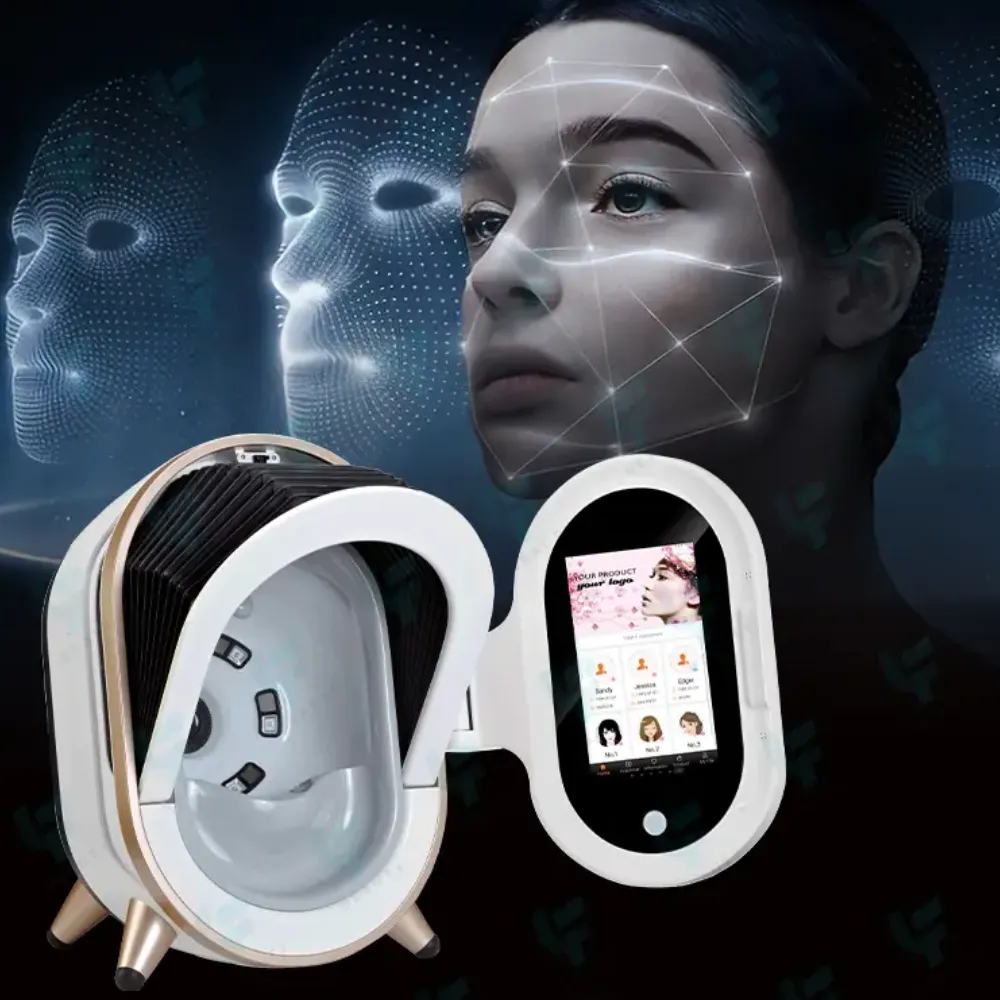
LufenBeauty lists models including M9 Magic Mirror Max in its skin-analysis category. The public pages reviewed for this guide do not establish model-specific accuracy on darker skin. Request the relevant documentation before treating any listed model as a validated skin analyzer for dark skin.
You can review LufenBeauty’s training and support information when preparing those questions. Confirm the applicable training, warranty, exclusions, repair process, and costs in the written quote for your chosen model.
Facial photos deserve a clear handling process. Ask where images are processed, who can access them, and whether the clinic can export and delete records. Confirm what happens to stored reports if the supplier relationship ends.
A skin analyzer for dark skin should fit your consent and recordkeeping procedures as well as your consultation room. Separate permission to perform an analysis from permission to use photos for marketing or model training. Check local requirements with the people responsible for your clinic’s data practices.
Fictional buying scenario: Alex compares two offers over a three-year budget. One quote lists only the machine; the other separates licenses, training, and storage. Alex asks both suppliers for the same breakdown and a sample report export. The decision moves from comparing sticker prices to comparing documented costs and access to client records.
It depends on the exact system, claimed output, and relevant testing. Black clients have a range of skin colors and concerns. Ask for proof reflecting that range, rather than treating a broad identity label as a technical specification or accepting one demo as proof.
Coverage is a starting point, not a complete testing result. Ask for subgroup counts, how phototype was assigned, which outputs were evaluated, and their errors. A skin analyzer for dark skin may perform differently across tasks, so pigment results cannot stand in for redness or texture results.
A cosmetic scanner should not be assumed to diagnose postinflammatory hyperpigmentation. It may document visible pigment features within its supported use, but a software-based label does not establish why a mark developed. Staff should refer diagnostic questions to a qualified clinician.
No. A cosmetic redness score cannot rule out inflammation, especially where redness is hard to see. Symptoms, history, and clinical findings still matter. A skin analyzer for dark skin should support a consultation without overriding those observations or delaying a clinical exam.
Do not assume the two methods measure the same thing. A photo-based estimate needs testing against an appropriate reference; a probe needs its own proof and calibration. For either method, ask what the number means and what change exceeds normal measurement variation.
Choose a skin analyzer for dark skin by starting with the decisions it will support. Define the outputs you need, ask for darker-skin proof for those outputs, and check that repeat captures follow a steady process. Keep image appearance, measured properties, and diagnosis distinct.
Your demo should leave a usable record: the exact setup, capture conditions, paired reports, and answers to unresolved questions. Your quote should explain ongoing costs, data access, training, and support. Together, these give you a clearer basis for purchase than a long feature list or an unexplained accuracy claim.
If proof is missing, narrow the proposed use or defer the decision until you receive it. That also gives staff an honest way to explain what a report can and cannot tell a client.
To discuss a skin analyzer for dark skin for your clinic, request model documentation and pricing from LufenBeauty. Share your intended use and the questions about test results you need answered before choosing a system.