How Does a Skin Analysis Machine Work?
A skin analysis machine takes photos of the face under controlled light, then uses software to map pores, wrinkles, and pigment patterns. To answer “how...

A skin analysis consultation reviews your skin concerns, history, and current routine, then discusses suitable next steps. It may include photos or a scanner, but what would the provider recommend if the screen were switched off?
That question helps you judge the explanation behind the service. A colorful report can look convincing while leaving you unsure which findings matter, what to change, or whether you need medical advice. You deserve time to understand the proposed plan before paying for products or treatment.
This guide explains how to prepare for a skin analysis consultation, what a useful visit should cover, and which questions to take home. It also gives clinic owners a practical way to organize the same conversation and assess equipment for their team.
This guide uses American Academy of Dermatology advice, current consultation offers, and manufacturer documentation. Each source has a different role: expert guidance informs the questions, while a clinic’s menu describes only that clinic’s offer. LufenBeauty supplies aesthetic equipment; the equipment enquiries below are for clinic buyers.
Key Takeaways
- A useful consultation connects your skin history and goals with an explained, written next step.
- Digital skin analysis can add images, but the device’s output needs explanation within the provider’s role.
- Ask what the fee includes, whether purchases are optional, and how you can obtain your report.
- A changing, itching, or bleeding mole needs dermatologist assessment; a cosmetic scan should not delay that visit.
A skin analysis consultation combines a discussion of your concerns with a skin assessment and advice. The provider may examine your skin directly, review your products, and use imaging. Before booking, confirm who conducts the visit, which tools are used, and whether you receive written advice afterward.
The title alone doesn’t tell you how much you’ll receive. One skin consultation may focus on selecting a facial. Another may include a detailed product review or digital skin analysis. Ask for the skin consultation service description so you can compare like with like.
For clinic owners exploring this part of the workflow, explore LufenBeauty skin-analysis equipment. Start with the information your staff need to explain, then ask which model can document it.
A cosmetic skin assessment can help structure a discussion about visible texture, uneven tone, and routine preferences. Diagnosing a possible skin disease requires a medical professional trained to assess that concern. A device score cannot show that a concern is harmless. It cannot clear someone for treatment.
The American Academy of Dermatology’s dermatologist appointment guidance highlights changing, itching, or bleeding moles when arranging care. Mention these concerns when booking medical assessment. Don’t wait for a routine cosmetic appointment to interpret them.
A skin analysis consultation is a visit to assess and discuss care. A facial is a treatment service. Cleansing, exfoliation, extractions, and other treatments may be separate services. Confirm any extra charge and consent before they begin, even when the consultation fee can be credited toward treatment.
Prepare for a skin analysis consultation by collecting the details that a photo can’t supply. Bring your current routine, health history, and one main question. A short timeline is more useful than trying to remember every product change while someone studies the screen.
Use this checklist before your skin consultation:
For digital skin analysis, ask how the clinic wants you to prepare your face. Makeup and surface products can affect what is visible. Ask about cleansing on arrival and sunscreen instructions; don’t skip needed sun protection during travel simply to arrive with bare skin.
Keep prescription decisions with the clinician who manages them. A skin analysis consultation is an opportunity to disclose medication use, rather than a reason to stop treatment yourself. Bring past medical reports if you already have them.
Illustrative Scenario (Fictional): Alex books a skin consultation after changing three products over six weeks. They bring phone photos of the labels and a dated note showing when stinging began. During the skin assessment, the provider can distinguish the sequence of changes from what is visible that day.
The outcome is a clearer record and a focused discussion about whether medical advice is needed. This example shows how to prepare; it does not describe a diagnosis or a promised improvement.
Before leaving home, confirm that your skin analysis consultation includes enough time for questions about the skin assessment. If you need an interpreter or an accessible copy of the plan, ask ahead so the clinic can explain its arrangements.

A useful skin analysis consultation moves from your goals to observations, then to an explained choice. Digital skin analysis can support that sequence when the images answer a relevant question. Here is a practical structure to look for, rather than a universal protocol that every clinic follows.
The skin analysis consultation should begin with what bothers you most and what you hope to change. A skin consultation also needs room for past reactions, current care, recent treatments, and concerns that may require referral. Make your priorities clear before discussing a treatment package.
Ask who is responsible for each part of the skin assessment. The person taking images may have a different role from the person explaining them. Ask who will discuss any medical treatment. Titles, training, and local permissions to practice matter.
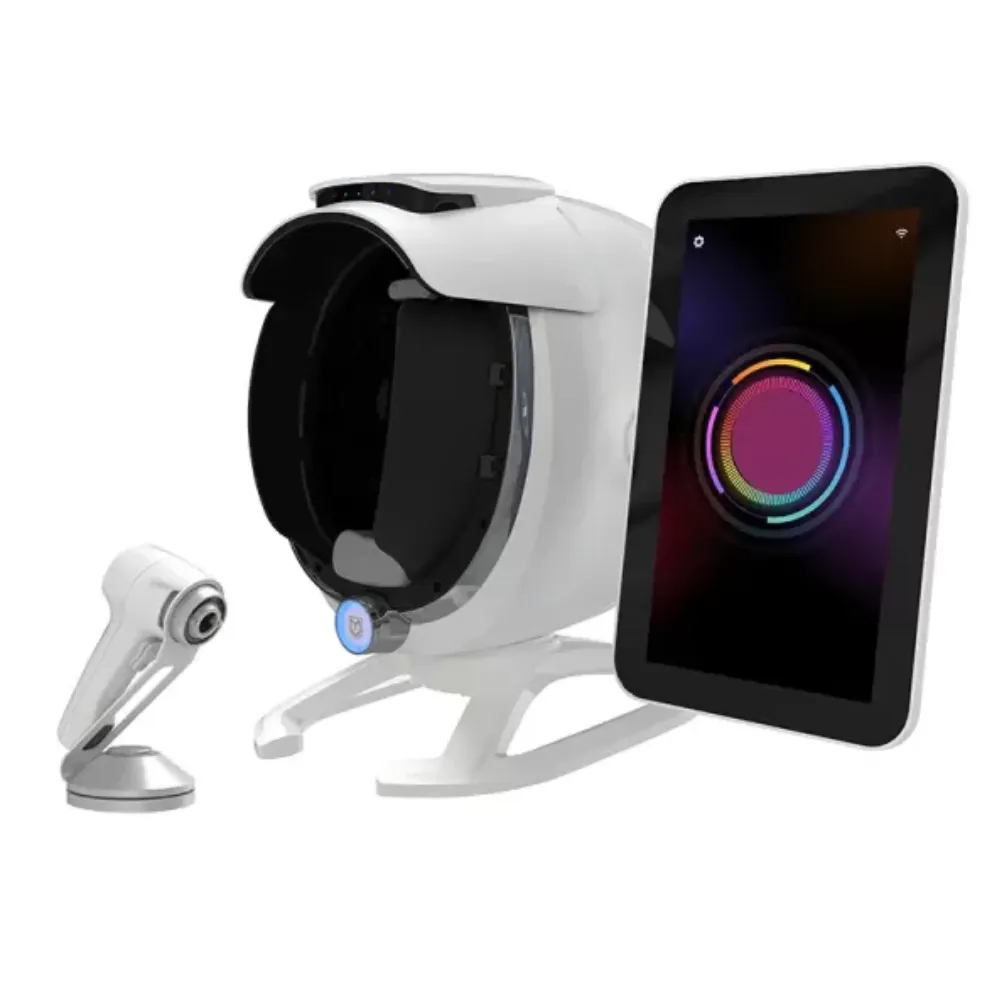
The provider may examine your skin directly and offer digital skin analysis. Ask which device is being used and what its report measures. Follow its preparation and head position instructions, and tell the operator if the setup feels uncomfortable.
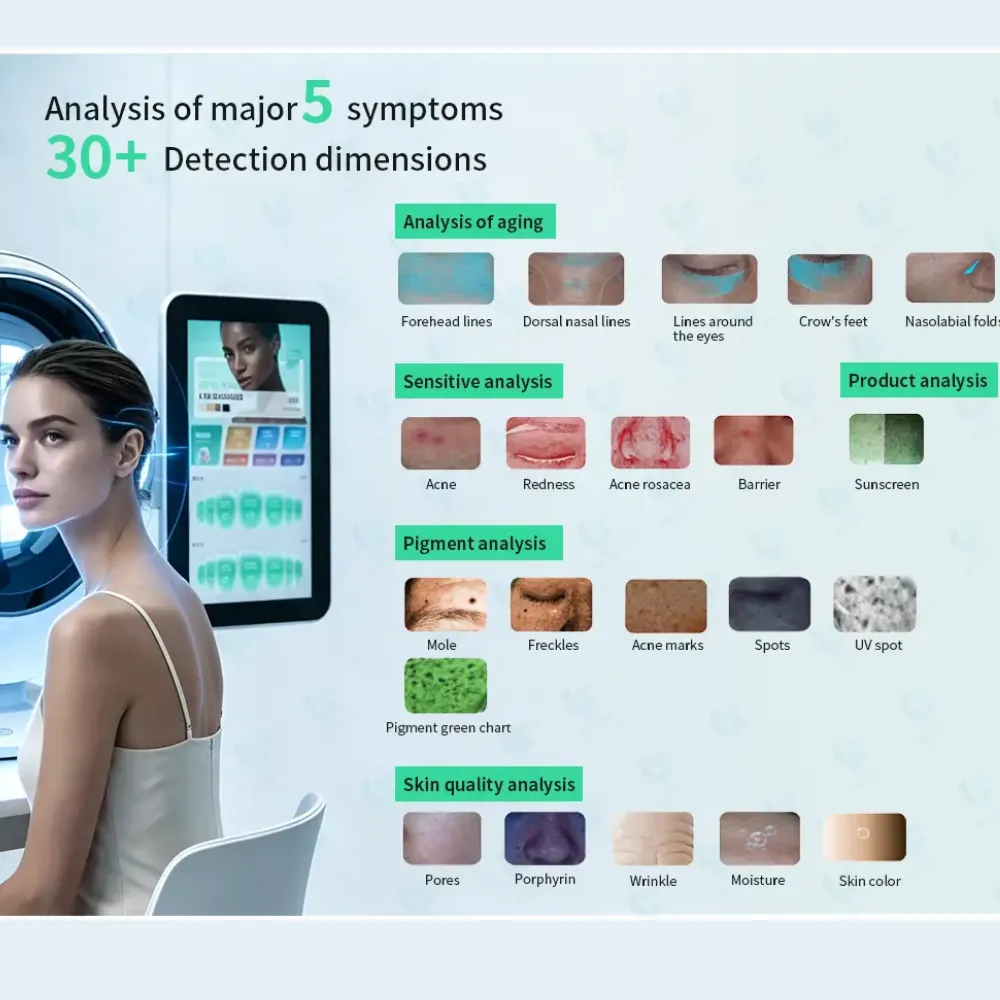
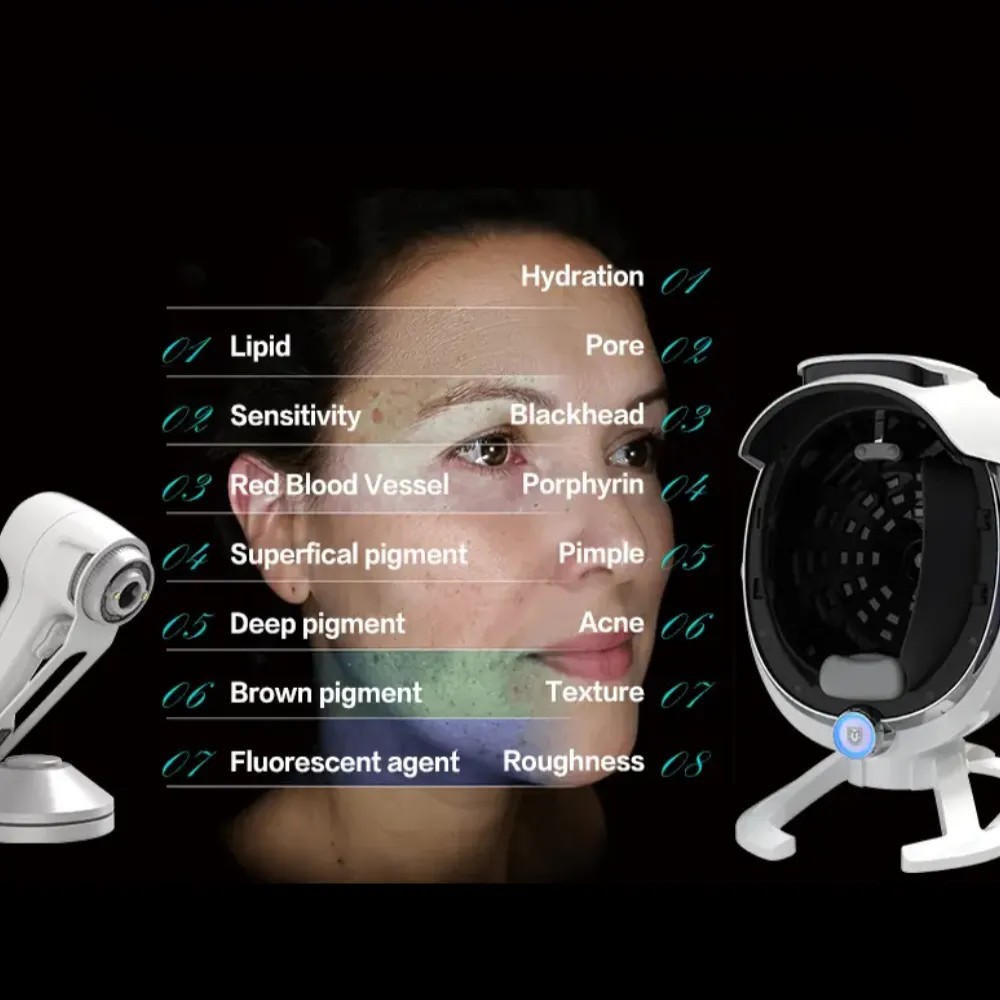
For example, Canfield’s VISIA documentation lists spots, wrinkles, texture, pores, ultraviolet-associated spots, brown spots, red areas, and porphyrins. Those are named categories for that manufacturer’s system. They don’t show the features or performance of a different scanner.
During a skin analysis consultation, ask whether a result comes from an image, a separate sensor, or a software estimate. A skin assessment should not treat every displayed number as a direct measurement of hydration, bacteria, or disease.
Ask the provider to explain each finding in three parts:
| Part of the Skin Assessment | What to Ask |
|---|---|
| Observation | Which area or feature can you show me? |
| Meaning | What might explain it, and what remains unknown? |
| Proposed action | Why does this option fit my goal and history? |
If digital skin analysis highlights an area, ask to see the same area in the original photo.
A skin analysis consultation should make uncertainty clear. Ask how a score is calculated, which direction indicates improvement, and whether comparisons use a reference group. If the provider cannot explain a score, request the device documentation before letting that number drive a purchase.
End the skin consultation with a choice you can explain in your own words. That might be a written routine, a separate medical appointment, time to consider options, or a treatment discussion. Digital skin analysis should add to the decision without becoming the sole reason for it.
Bring questions to your skin analysis consultation that connect findings with a decision. Start with the provider’s role and the reason for the proposed plan. Then ask what the alternative would be, including waiting or arranging a medical assessment first.
The AAD’s questions before cosmetic treatment cover qualifications, experience, risks, realistic results, recovery, and costs. Use that framework when a skin consultation leads toward a procedure. Ask about experience with your skin tone and the treatment being discussed specifically.
Useful questions include:
A skin analysis consultation has no single standard fee or visit length. These published offers were checked on November 24, 2026:
| Provider | Listed Fee (USD) | Listed Visit Length |
|---|---|---|
| Primora Spa | $40 | 30 minutes |
| Onyeka Tefari Wellness and Spa | $95 | 30–45 minutes, in person |
These are two US provider examples in USD, not a market average or LufenBeauty treatment prices. Check current fees directly. Compare whether the skin consultation includes digital skin analysis, product review, a written report, and follow-up before judging its value by price alone.
Ask how any treatment credit works. A credit may depend on the service selected or when it is booked. Keep the skin analysis consultation fee separate from the cost of treatments you haven’t yet chosen.
Ask for a skin assessment record with six fields:
Where digital skin analysis was used, add the device name and scan date. Keep the explanation with the images so you can use the report later.
Before photos are taken, ask where they are stored, who can access them, and how to request a copy or deletion. Ask separately about use in marketing or software development. These questions support informed choice; the answers need checking against the clinic’s actual policy and applicable rules.
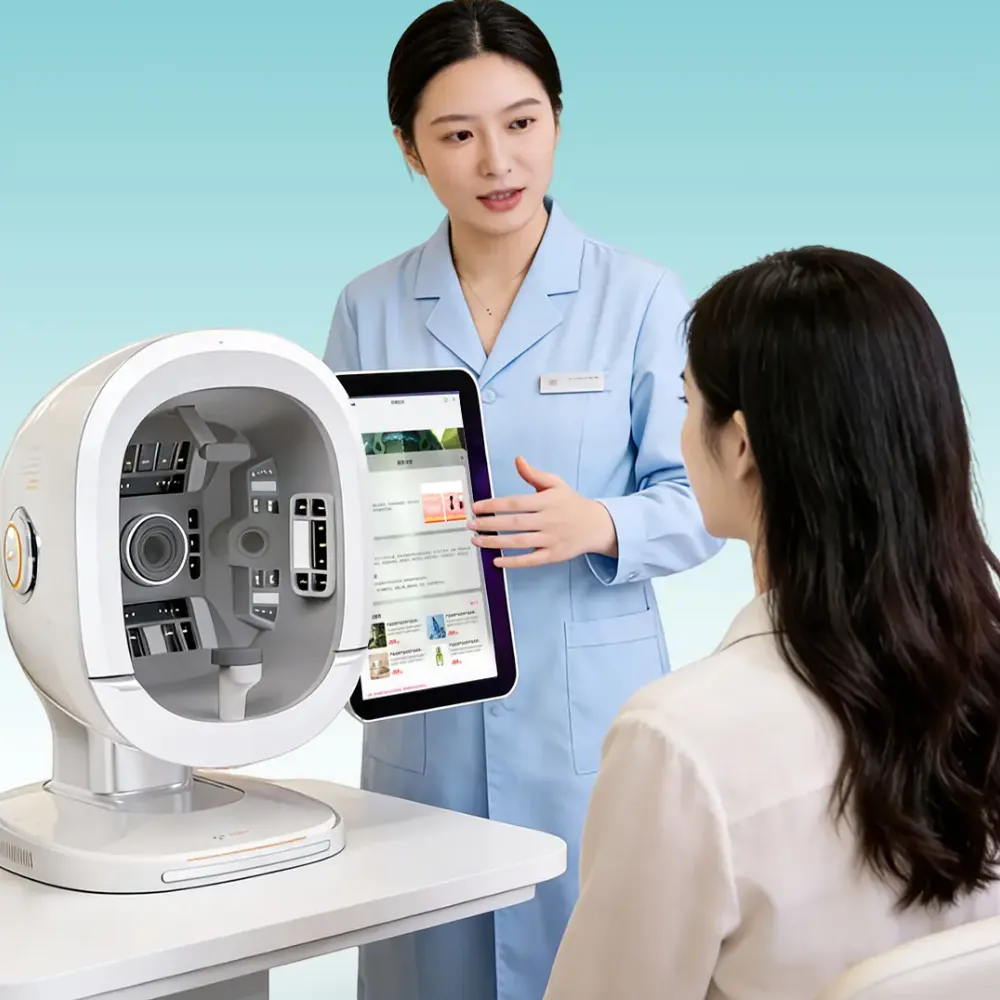
For a clinic, a repeatable skin analysis consultation starts with a record that staff can use in the same way. Build the form around the client’s main concern, history, observations, and next step. Make roles clear when more than one person adds to the skin assessment.
Give staff a way to record uncertainty and refer concerns beyond their role. A useful skin consultation can end with a referral or a decision to wait. Record that choice in the skin assessment notes. Avoid making an equipment score the automatic trigger for a treatment plan.
When comparing digital skin analysis systems, request a demo using a sample record cleared for that purpose. Check five tasks:
For repeat visits, follow the manufacturer’s instructions and record any change in setup or preparation. Check:
A change between images can prompt discussion. It does not by itself prove that a treatment caused the change.
Illustrative Scenario (Fictional): Jordan manages a clinic planning a skin analysis consultation service. They ask two suppliers to demonstrate an anonymous sample report and repeat-image comparison. One demo leaves the score labels unexplained; the other provides documentation for the displayed categories. Jordan adds readable score definitions and report access to the shortlist checklist.
The outcome is a clearer buying decision. This example makes no claim about sales, scan accuracy, or either supplier’s treatment results.
Review LufenBeauty’s published training and support information when planning staff onboarding. The site describes manuals, video tutorials, and online guidance. Ask for the training scope, software support, and written warranty terms for your proposed model.
Before launching the skin analysis consultation, have staff rehearse explaining a report without promising a diagnosis or a result. Ask a colleague to repeat the proposed next step back to them. That checks whether the language is clear enough for the client conversation.
It can include a history discussion, direct skin assessment, optional imaging, and advice. Ask the provider for the exact inclusions because service names vary. A skin analysis consultation should leave you understanding the findings and next step; the report’s page count alone doesn’t show how useful the discussion will be.
Choose medical assessment when your concern needs diagnosis or treatment of a possible skin disease. A cosmetic skin consultation can discuss appearance goals within the provider’s permitted scope. For a changing, itching, or bleeding mole, arrange dermatologist assessment rather than relying on digital skin analysis to decide whether it matters.
Judge a paid skin analysis consultation by the time, explanation, and usable advice included. Ask who performs the skin assessment, whether you receive a plan, and whether buying products is optional. A free appointment can still be thoughtful, while a paid visit needs a clear description of what the fee covers.
Digital skin analysis alone cannot show the right product for every person. Recommendations also need your history, current routine, past reactions, preferences, and the provider’s judgment. Ask why each proposed product belongs in the plan.
Ask for a plain answer during the skin consultation. You can then decide whether to buy the product.
A useful skin analysis consultation ends with a proposed plan you understand and a record you can revisit. Prepare your history, choose a main goal, and ask how the provider connects the findings to the proposed action. Keep a list of what is still unclear. Ask about it before you decide.
For clients, the practical test is whether you can explain what happens next, what it costs, and what remains optional. Use the skin consultation to ask questions, then take time to compare choices. If a concern needs medical assessment, make that appointment part of the plan rather than waiting for another cosmetic scan.
For clinic owners, test the same standard before selecting equipment: can staff collect a consistent record, explain the output, and find it for follow-up? To discuss equipment for your skin analysis consultation workflow, request model specifications and pricing from LufenBeauty. Ask for sample reports, a demo, and written support terms so you can assess the proposed system against your clinic’s needs.