Why Multi-Spectral Imaging Is Essential for Accurate Skin Analysis?
Why Accurate Skin Analysis Matters for Modern Beauty and Aesthetic Businesses
As consumers increasingly seek personalized skincare and aesthetic treatments, beauty clinics and medical aesthetic centers need more reliable ways to evaluate skin conditions before recommending solutions. Traditional visual assessment methods rely heavily on professional experience, but they may not provide consistent or measurable data for tracking skin changes over time.
A professional detection system allows practitioners to analyze skin conditions more objectively by combining advanced imaging technology with AI-based analysis. Unlike simple visual inspections, a modern skin analysis machine can capture detailed facial images, identify different skin concerns, and provide data-supported reports that improve communication between professionals and clients.
For clinics and beauty businesses, accurate assessment is not only about identifying current skin concerns. It also helps create personalized treatment plans, demonstrate progress during follow-up visits, and build long-term customer trust.
However, many traditional skin diagnostic machine solutions still face limitations. Systems based on single imaging modes may only capture surface-level information, making it difficult to evaluate deeper skin conditions or hidden concerns that are not visible under normal lighting.
The Limitations of Traditional Skin Analysis Methods
Single-Light Imaging Cannot Provide Complete Skin Evaluation
Many conventional skin analysis devices rely mainly on visible light imaging or basic UV detection. While these methods can identify obvious concerns such as visible spots or uneven texture, they may not provide sufficient information about complex skin conditions.
Skin appearance is influenced by multiple factors, including pigmentation, oil distribution, moisture balance, texture changes, and sensitivity-related concerns. Since different wavelengths reveal different skin characteristics, a single imaging mode cannot capture the complete picture.
Traditional Assessment Lacks Standardized Data Tracking
Manual skin evaluation often depends on professional experience, which may lead to differences in assessment results between practitioners. In addition, limited data records make it difficult to track long-term skin changes or clearly demonstrate improvement during follow-up consultations.
For modern skincare businesses, customers increasingly expect more transparent and measurable results. This creates a growing need for digital imaging systems that provide objective analysis and visual comparisons.
How Multi-Spectral Imaging Improves Skin Diagnostic Accuracy
Multi-spectral imaging solves many limitations of traditional methods by combining different light sources to capture information from multiple aspects of skin condition.
A professional multi-spectral system typically integrates visible light imaging, polarized light imaging, and ultraviolet imaging. Each spectrum provides different information, allowing practitioners to evaluate both surface characteristics and deeper skin-related indicators.
RGB Imaging for Surface Skin Analysis
RGB imaging uses visible light similar to natural viewing conditions, making it suitable for evaluating surface skin characteristics.
In a professional skin analysis machine, RGB imaging can help analyze visible concerns such as:
Pores
Spots
Wrinkles
Skin texture
By capturing facial details under controlled lighting conditions, RGB imaging provides a clear representation of the skin surface. This allows professionals to observe visible changes and establish a baseline before recommending skincare or aesthetic treatments.
Polarized Light (PL) Imaging for Dermal Skin Assessment
Polarized light (PL) imaging is designed to reduce surface reflection and reveal additional skin information that may not be visible under ordinary lighting.
By minimizing glare caused by the skin surface, polarized imaging helps analyze concerns related to:
Redness
Sensitive areas
Vascular-related conditions
For aesthetic professionals, this technology provides additional information when evaluating skin sensitivity and uneven coloration.
UV Imaging for Detecting Hidden Skin Concerns
UV imaging uses ultraviolet light to reveal specific skin characteristics that cannot always be observed through visible light.
A UV skin analysis machine can use UV illumination to identify concerns associated with:
UV damage
Pigmentation changes
Porphyrin levels and sebum-related conditions
By combining UV imaging with other spectral technologies, professionals can gain a more comprehensive understanding of potential skin issues and create more targeted skincare recommendations.
Why Multi-Spectral Imaging Outperforms Traditional Skin Analysis Methods
Multi-spectral imaging addresses the limitations of single-spectrum approaches by combining multiple light sources to capture different types of skin information. By integrating RGB, polarized light (PL), and UV imaging technologies, advanced systems can provide a more comprehensive evaluation of skin conditions from different perspectives.
Compared with traditional methods, multi-spectral imaging improves the depth, accuracy, and consistency of skin analysis.
Comparison Factor
Traditional Skin Analysis Methods
Multi-Spectral Imaging Skin Analysis
Imaging Technology
Mainly uses visible light imaging or basic UV detection
Combines RGB, PL, and UV spectral technologies
Detection Capability
Focuses mainly on visible surface concerns
Provides information related to both surface characteristics and deeper skin conditions
Analysis Range
Limited evaluation of individual skin concerns
Supports analysis of multiple indicators, including pores, spots, wrinkles, texture, pigmentation, moisture, and UV-related concerns
Image Consistency
May be influenced by environmental lighting and surface reflections
Uses multiple imaging modes to improve analysis consistency
Evaluation Method
Relies more on manual observation and professional experience
Uses AI algorithms for image processing, feature recognition, and quantitative evaluation
Data Tracking
Limited ability to compare long-term skin changes
Supports digital records, comparison analysis, and trend evaluation
More Comprehensive Detection from Epidermis to Dermis
Multi-spectral imaging provides a more complete view of skin conditions by combining RGB, polarized light (PL), and UV imaging technologies. Unlike single-spectrum methods, it captures different types of skin information from surface characteristics to deeper skin-related concerns.
By analyzing factors such as texture, pigmentation, moisture levels, sensitivity, UV damage, and skin aging indicators, multi-spectral systems help professionals gain a more comprehensive understanding of skin conditions.
For businesses using a skin diagnostic machine, this technology supports more objective evaluations and personalized skincare recommendations.
Higher Accuracy with AI-Powered Image Analysis
AI technology further improves modern skin analysis by processing facial images, identifying key features, comparing data, and supporting quantitative evaluation.
By reducing reliance on subjective observation, AI-powered systems provide more consistent analysis results. Combined with large clinical image databases, AI algorithms can help professionals better understand skin conditions and make more informed recommendations.
How to Choose a Professional Skin Analysis Machine for Your Business
Consider Imaging Technology and Detection Accuracy
A high-quality professional skin analysis machine should provide reliable imaging performance through:
Multi-spectral imaging capability
Stable optical design
Controlled lighting conditions
Consistent image capture
RGB, UV, and PL technologies work together to provide a more complete assessment compared with single-spectrum solutions.
Evaluate AI Analysis Capability and Database Support
AI capability is another important factor when selecting a skin analysis system.
Businesses should consider:
AI image processing performance
Facial recognition accuracy
Data comparison functions
Clinical image database support
A strong data foundation helps systems provide more meaningful analysis and improves the consistency of customer reports.
Choose a System That Supports Business Growth
For commercial applications, usability and management features are also important.
A suitable system should support:
Efficient client data management
Report generation
Cloud synchronization
Long-term customer tracking
These functions help transform skin analysis from a simple detection process into a valuable tool for consultation, customer education, and service improvement.
Key Applications of Multi-Spectral Skin Analysis Technology
Dermatology Clinics and Medical Aesthetic Centers
Medical aesthetic professionals need reliable tools to evaluate skin conditions before and after treatments.
By providing visual evidence and structured reports, skin analysis systems can help practitioners explain treatment recommendations more clearly.
Beauty Salons and Skin Management Centers
For beauty businesses, customer consultation quality directly affects service experience and business performance.
A skin analysis machine can help beauty professionals:
Understand individual skin conditions
Recommend personalized skincare programs
Explain product or treatment options more effectively
The ability to visualize skin conditions can improve customer engagement and help establish greater trust during consultations.
Skincare Brands and Beauty Retail Chains
Retail environments increasingly focus on personalized customer experiences.
Multi-spectral skin analysis technology can support skincare brands and beauty chains by providing:
Data-based product recommendations
Personalized skincare guidance
Customer experience enhancement
By connecting analysis results with skincare solutions, businesses can create more customized service processes.
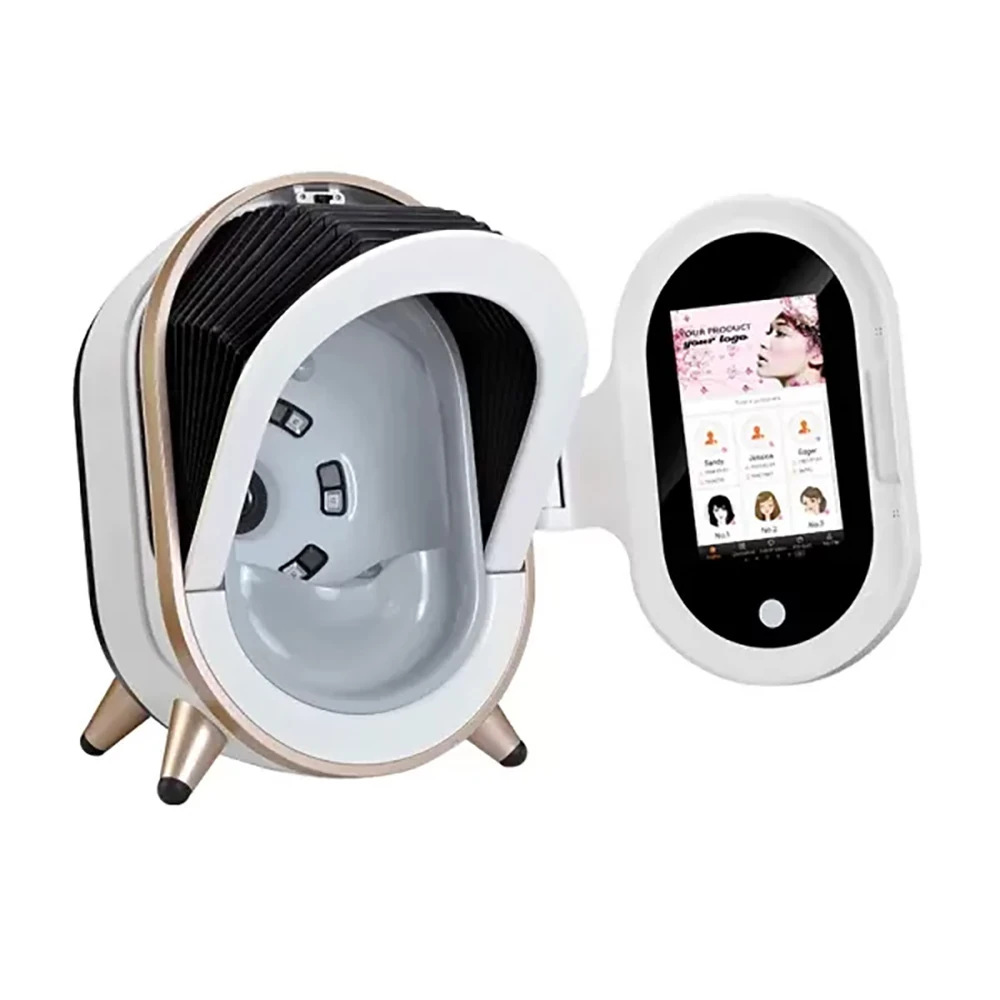
Magic Mirror Max Skin Analyzer: An Advanced Multi-Spectral Skin Analysis Solution
After understanding the key technologies behind accurate skin evaluation, businesses can better identify the features that matter when selecting a professional device. The magic mirror max skin analyzer integrates multi-spectral imaging, AI analysis, and an integrated hardware design to provide a comprehensive solution for beauty clinics, medical aesthetic centers, and professional skincare businesses.
Designed as an AI-powered skin analysis system, the Magic Mirror Max combines RGB, polarized light (PL), and UV imaging technologies to capture different aspects of facial skin conditions. Supported by AI algorithms and a clinical image database containing more than 30 million skin image samples, the system helps professionals analyze multiple skin indicators and develop more personalized skincare recommendations.
Unlike basic imaging devices that only provide static visual results, the Magic Mirror Max combines image capture, analysis, and display functions in one integrated platform. This design helps improve workflow efficiency while providing customers with clearer and more structured skin assessment reports.
Advanced Multi-Spectral Imaging for Professional Skin Assessment
The Magic Mirror Max uses RGB, polarized light (PL), and UV imaging technologies to provide a more comprehensive evaluation of skin conditions. By combining three imaging modes in one system, it captures different aspects of facial skin information and helps professionals assess visible concerns as well as deeper skin-related conditions. Compared with traditional single-spectrum approaches, this multi-spectral design provides more complete analysis support for professional skincare consultations.
AI-Powered Skin Analysis with Clinical Image Database Support
The Magic Mirror Max uses AI-based image analysis technology to recognize facial features, segment skin areas, and evaluate multiple skin indicators. Supported by a clinical database containing more than 30 million skin image samples, the system helps generate structured analysis results. It can evaluate conditions related to pores, spots, wrinkles, texture, pigmentation, moisture levels, UV damage, and sensitive areas.
20-Second Full-Face Scan with Integrated Hardware Design
For professional skincare businesses, analysis efficiency is important when serving multiple clients in daily operations. The Magic Mirror Max completes full-face image capture and analysis within approximately 20 seconds, helping professionals provide faster consultations while maintaining detailed evaluation.
Its integrated design combines imaging, analysis, and display functions in one system, featuring a 15.6-inch high-definition industrial touchscreen, Android operating system, 64GB built-in storage with SD card expansion support, Wi-Fi cloud synchronization, and an 18-megapixel high-definition camera for professional image capture and data management.
Skin Aging Prediction and Treatment Comparison
Beyond current skin evaluation, long-term tracking is also valuable for professional skincare services. The Magic Mirror Max supports multiple comparison functions, allowing professionals to review changes over time through visual comparison methods. With 3–5 year skin trend prediction capabilities, the system helps explain possible aging patterns and improvement directions. By combining visual analysis with structured data, it supports clearer customer communication and more personalized skincare recommendations.
Frequently Asked Questions About Multi-Spectral Skin Analysis
Q1: Why does skin analysis require RGB, UV, and PL spectra?
A: Each spectrum reveals different information about skin conditions. RGB imaging captures visible surface concerns such as pores and wrinkles, while PL polarized light reduces surface reflection to help analyze redness and sensitive areas. UV imaging reveals concerns related to porphyrin fluorescence, pigmentation changes, and UV-related skin damage.
Q2: Can clinics and beauty salons add their own skincare products and treatment programs to the system?
A: Yes. The system supports customized product and treatment recommendations through local settings or cloud management functions. Businesses can add their own skincare products and treatment programs, allowing the system to provide more personalized recommendations based on skin analysis results.
Q3: How does the system compare treatment results before and after skincare programs?
A: The system stores customer analysis records from different testing periods and supports multiple comparison methods, including side-by-side comparison, split-screen comparison, and full-face overlay comparison. These functions help professionals and customers visualize skin changes and track improvement trends over time.
Conclusion: Multi-Spectral Imaging Is the Future of Professional Skin Diagnosis
As the demand for personalized skincare continues to grow, professional skin assessment is becoming an essential part of modern aesthetic services. Businesses need reliable solutions that not only identify current skin conditions but also support clearer consultations and long-term customer management.
Multi-spectral imaging provides a more objective approach to skin evaluation by combining advanced imaging technologies with intelligent analysis. For clinics, beauty centers, and skincare brands, choosing a professional skin analysis machine with reliable imaging, AI capabilities, and efficient data management can help improve service quality and customer experience.
With its integrated imaging, analysis, and reporting functions, the Magic Mirror Max Skin Analyzer offers a practical solution for businesses seeking to enhance their skin assessment process and provide more personalized skincare services.
Opening a new medical spa, upgrading an existing practice, or expanding your treatment menu is one of the most exciting milestones for any aesthetic professional....
Introduction Multifunctional aesthetic devices integrate various treatment technologies into a single unit. As system integration increases, routine maintenance becomes essential. Dust, residue, contaminated cooling water,...
Introduction Professional beauty clinics often need equipment that can handle different treatment needs without taking up too much space. This is especially important for clinics...
The medical aesthetics equipment market is growing rapidly worldwide. Laser hair removal technology has become one of the fastest-growing treatment options among cosmetic clinics, medical...
Choosing an RF microneedling machine involves more than comparing power ratings and needle counts.. Two machines may look similar on paper but offer very different treatment...
The global non-invasive body contouring market is growing rapidly. Today’s clients are no longer satisfied with simple fat reduction; they demand dual-action treatments that sculpt,...