The aesthetic laser industry is moving beyond single-purpose devices. Clinicians are no longer asking which single wavelength is best for a specific indication. Instead, they are asking a more broader question: How many conditions can I treat in a single session with one device?
The answer lies in multi-modality systems.
According to Data Bridge Market Research, a rapidly growing trend in the aesthetic laser market is the increasing adoption of combination laser therapies by clinics, which combine multiple wavelengths or technologies—such as fractional lasers, Nd:YAG lasers and intense pulsed light (IPL)—to treat multiple skin concerns simultaneously. These multi-modal systems enable practitioners to tailor treatment plans for pigmentation, vascular lesions and skin tightening in a single session, thereby enhancing patient satisfaction and treatment outcomes. This trend stems from consumer demand for faster, more effective and minimally invasive aesthetic procedures. (Source:https://www.databridgemarketresearch.com/reports/global-aestheticcosmetic-lasers-market/market-trends)
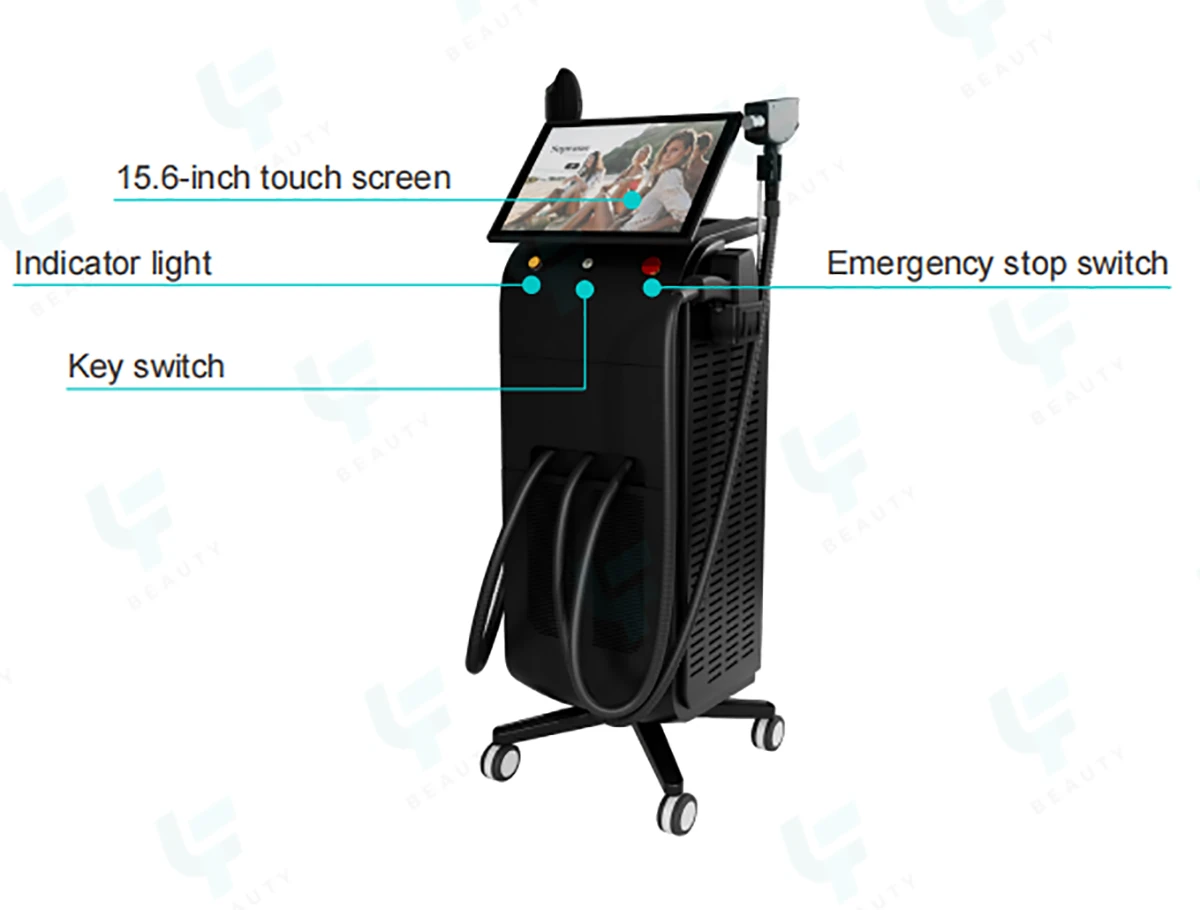
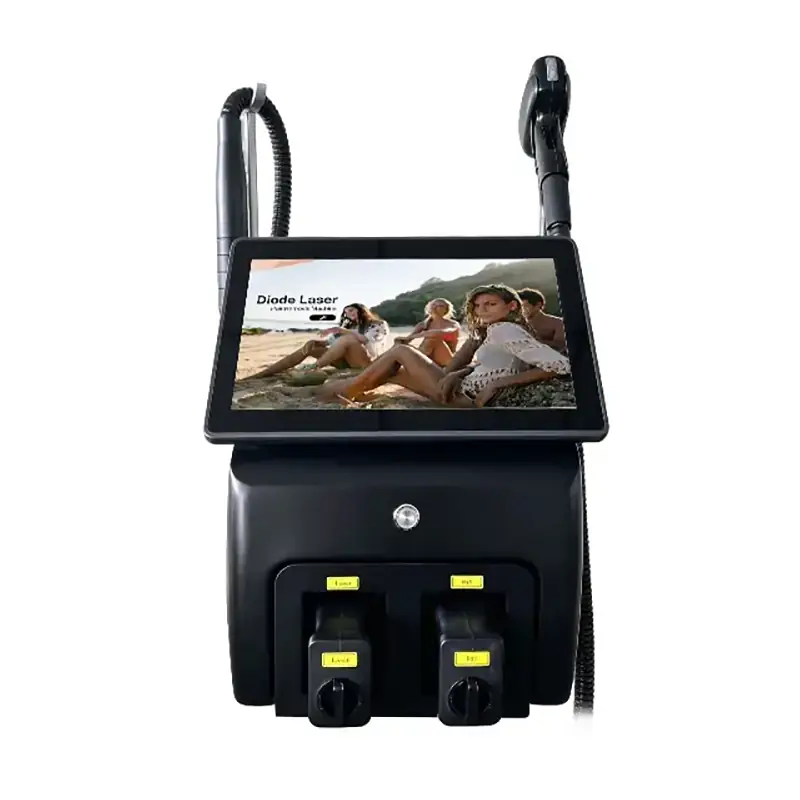
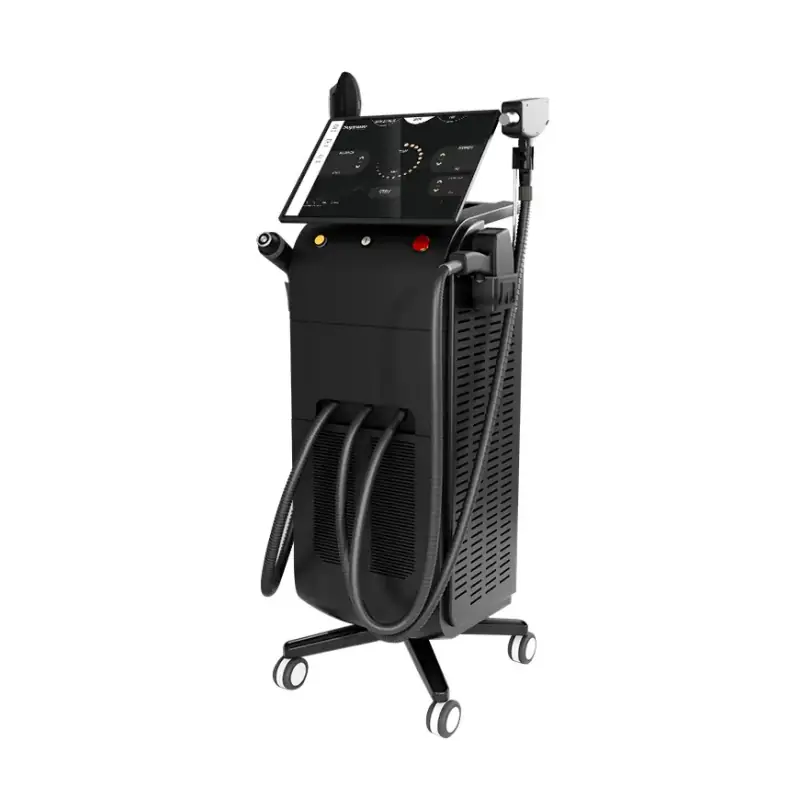
This article explores how a single platform—specifically a “3-in-1” device that combines Intense Pulsed Light (IPL), picosecond laser and 808 nm Diode Laser Hair Removal Machine—brings this multi-modal treatment approach to life. We provide technical specifications, regulatory approvals, clinical protocols and a return on investment (ROI) analysis, all based on verifiable data.
What’ s driving the shift to combination therapy
1.The Consumer Demand Shift
Today’s aesthetic patients are better informed and more time-constrained than ever. A patient presenting for laser hair removal may also have sun damage (pigmentation), facial redness (vascular lesions), or an old amateur tattoo they want removed. In the traditional single-device clinic model, this patient would need:
Three separate appointments
Three separate rooms or room reconfigurations
Three separate consent forms and pre-care protocols
Three times the travel and time investment
Multi-modality systems eliminate these inefficiencies. As Data Bridge Market Research notes, the ability to treat pigmentation, vascular lesions, and skin tightening in a single session is a major factor of patient satisfaction .
2. Market Size Context
To understand the opportunity, consider the broader market. Grand View Research estimates the global aesthetic lasers market at USD 3.1 billion in 2024, projected to reach USD 7.1 billion by 2033 at a CAGR of 10.0%, with North America holding the largest share at 41.0% .
The multi-modality segment is growing faster than the market average, driven by clinics seeking to maximize device utilization and revenue per patient visit.
Technical Deep Dive — Three Technologies, One Ecosystem
Combining intense pulsed light (IPL), picosecond laser and diode laser systems represents a major engineering challenge. Each technology requires different pulse durations, energy densities and cooling profiles. Here is how the tackles these challenges.
Technology 1: The 808nm Diode Laser — Gold Standard for Hair Removal
The Mechanism: The diode laser hair removal machine generates light via semiconductor diodes. The 808nm wavelength is considered the “gold standard” for permanent hair reduction because it sits precisely in the optical window where melanin absorption is high yet competing chromophores (water, hemoglobin) are minimally absorbing.
Technical Specifications (as configured): The device offers triple-wavelength capability (755nm, 808nm, and 1064nm) in a single handpiece. Spot sizes include 15×15mm, 15×30mm, 15×40mm, 15×50mm, plus dedicated facial tips. Wattage is customizable at 1000W, 1200W, 1600W, or 2000W depending on treatment volume requirements. The pulse rate reaches up to 10 shots per second via the IN-Motion intelligent mode, with fluence ranging from 1-120 J/cm² depending on spot size and skin type.
The “IN-Motion” Advantage: Traditional semiconductor laser devices require an overlapping, stationary-pulse irradiation technique; this not only slows down the treatment process but also carries the risk of creating “hot spots.” In contrast, the “IN-Motion” intelligent mode supports continuous gliding irradiation at a rate of 10 pulses per second, dramatically reducing the treatment time for an entire back from 60 minutes to approximately 25 minutes. This feature directly increases the daily patient throughput.
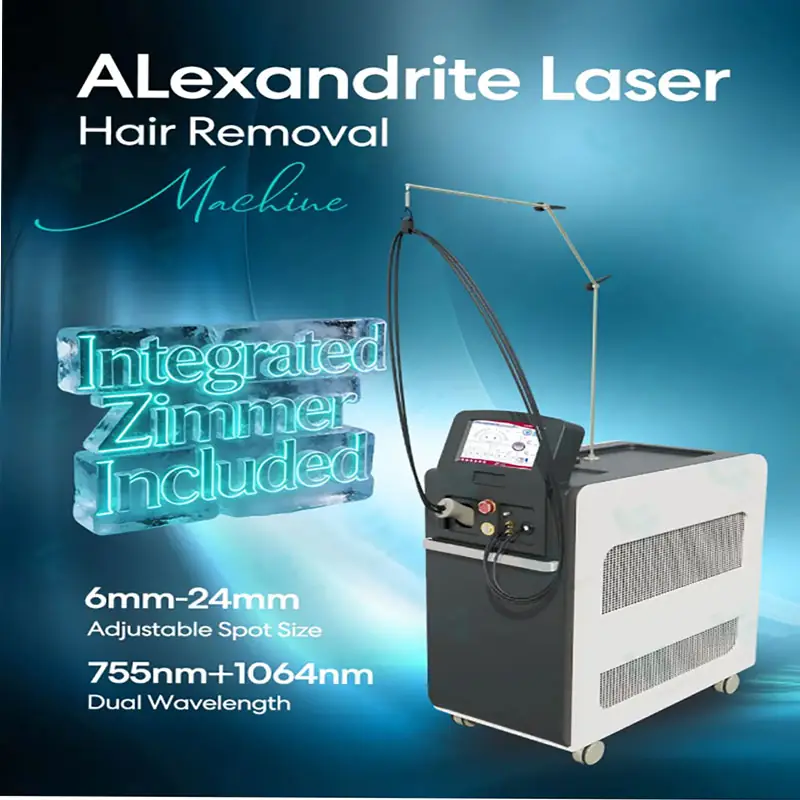
Why 808nm Over 755nm (Alexandrite)? While 755nm Alexandrite lasers are highly effective for Fitzpatrick Skin Types I-III, they may increase the risk of epidermal burning for Types IV-VI (common in Asian, Hispanic, and Middle Eastern populations). The 808nm wavelength penetrates deeper with less melanin competition, offering safety across all Fitzpatrick types while maintaining clinical efficacy. This machine further enhances safety by including a 1064nm mode for the darkest skin types.
Technology 2: The Picosecond Laser — Photoacoustic Precision
The Mechanism Shift: Traditional tattoo removal uses Q-Switched nanosecond lasers (10⁻⁹ seconds). The picosecond laser machine operates at 10⁻¹² s—one thousand times faster—shifting from photothermal to photoacoustic (shockwave) tissue interaction.
Why This Matters for Tattoo Removal: The shockwave shatters ink particles into dust 10× smaller than Q-Switched methods, allowing macrophages to clear the debris more efficiently. Minimal heat diffusion means less collateral damage to surrounding collagen. Clinical studies suggest picosecond technology can reduce total treatment sessions by 30-50% for professional tattoos.
Available Pico Probes: The system includes four dedicated probes—532nm (targets red, orange, yellow inks), 755nm (blue, green, superficial black), 1064nm (black, dark blue, deep tattoos), and 1320nm (water absorption for non-ablative skin resurfacing).
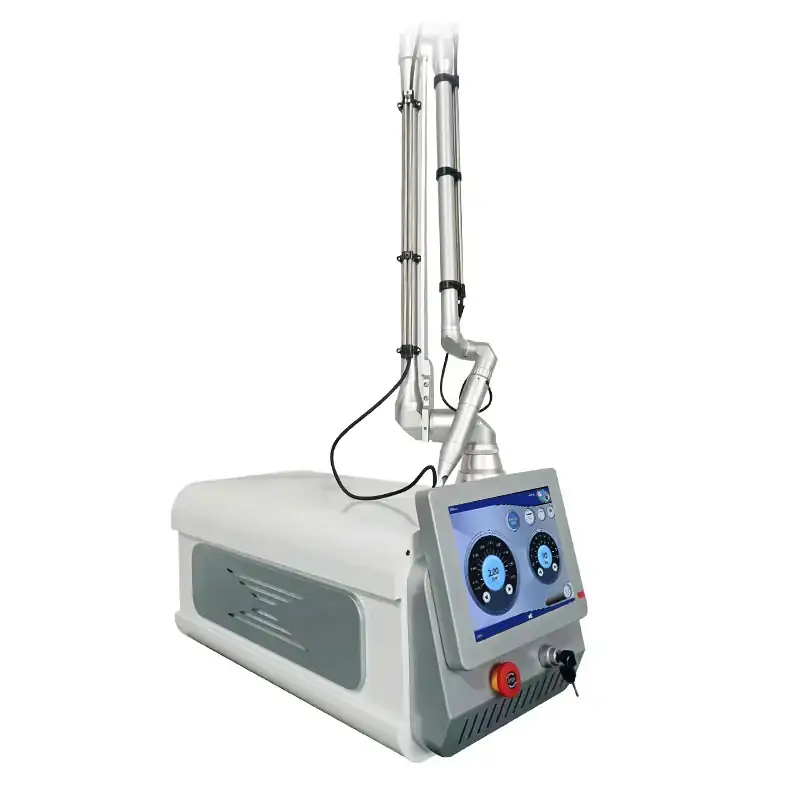
As a dedicated pico laser tattoo removal machine, this system delivers minimal heat diffusion and less collateral collagen damage, enabling higher fluences with lower epidermal risk.
Technology 3: IPL — Broad-Spectrum Versatility
The Mechanism: Unlike lasers which emit a single wavelength, Intense Pulsed Light (IPL) emits a broad spectrum (typically 400-1200nm). By swapping cut-off filters, the clinician selects which portion of the spectrum reaches the skin.
IPL Filter Configurations: The 480nm filter (blue light) targets P. acnes bacteria for acne vulgaris treatment. The 530nm filter targets hemoglobin for rosacea, telangiectasias, and spider veins. The 640nm filter targets superficial melanin for pigmented lesions and also provides skin rejuvenation benefits.
The Synergistic Effect: IPL cannot achieve permanent hair removal (it only reduces hair density temporarily), nor can it remove professional tattoos. However, it excels at superficial pigmentation (freckles, sunspots), vascular lesions, and overall skin texture improvement—complementing the deep-tissue effects of the diode and pico systems.
The Cooling System
Thermal management is the cause of laser device failure and the determinant of patient comfort. This machine implements a five-layer cooling architecture combining air cooling, water circulation (closed-loop distilled water system), TEC (thermoelectric cooling) for water tank regulation, semiconductor cooling for the laser diode heat sink, and sapphire contact cooling at the handpiece tip.
Why Sapphire? Sapphire has exceptional thermal conductivity (approximately 35 W/m·K) and is optically transparent to all relevant wavelengths (400-1200nm). The TEC system keeps the sapphire tip at a steady 0°C to -5°C throughout operation.
Built-To-Last Engineering: Unlike entry-level devices that experience thermal shutdown after 30-60 minutes of continuous use, this integrated cooling system supports full-day operation (8+ hours) without performance degradation.
Durable Engineering Design: Unlike entry-level devices—which automatically shut down due to overheating after just 30 to 60 minutes of continuous use—this product features an integrated cooling system capable of supporting continuous, all-day operation (exceeding 8 hours) without any degradation in performance. Equipped with a 2000W power supply and laser bars originally imported from the USA (featuring a 10-layer structure with an output power of up to 1200W), the unit maintains its performance without any significant decline for millions of pulses.
Competitive Differentiation: Three Core Advantages Over Standalone Devices
When comparing this 3-in-1 platform against standalone diode laser hair removal machines, independent pico laser tattoo removal machines, or basic IPL systems, the differences are defined by three distinct competitive advantages.
Core Advantages: This system can treat approximately 95% of common skin indications and supports Fitzpatrick Skin Types I-VI, with particular suitability for Asian and darker skin types.
Limitation of Standalone Devices: A standalone device (such as an IPL-only or picosecond-only system) typically covers only 20-30% of customer needs. In contrast, the 3-in-1 system enables a “one-stop” service model where patients do not need to be referred elsewhere, and clinics do not need to purchase multiple separate devices
Shared Cooling System: All three technology modules share a single cooling infrastructure consisting of sapphire contact cooling combined with professional cooling technology (TEC + water cooling + air cooling). This shared system maintains the epidermis in a cool and comfortable state throughout all treatment modalities.
Tattoo removal, deep pigmentation, low thermal injury risk
Diode Laser
Photothermal effect (targeted heating of hair follicles)
Permanent hair removal, precise destruction
IPL
Broad-spectrum photothermal action
Superficial vascular lesions, overall skin tone uniformity
Advantage Three: Maximized Return on Investment (ROI)
Lower Initial Investment: Purchasing three separate devices requires a substantial capital outlay. In contrast, a single 3-in-1 device offers the same comprehensive treatment capabilities at less than half the cost, thereby significantly lowering the financial barrier to market entry.
Simplified Maintenance: Standalone units each possess their own independent cooling systems and consumables, resulting in dispersed maintenance points and higher costs. In contrast, 3-in-1 integrated systems share a single set of infrastructure, thereby reducing the number of maintenance points, lowering the failure rate, and ensuring more stable operation.
More Diverse Revenue Streams: One device can simultaneously offer three popular service categories: hair removal (typically requiring a dedicated diode laser hair removal machine), tattoo removal, and skin rejuvenation/pigmentation treatment. Revenue sources are diversified, and clinics can adjust their service mix based on market demand to avoid slow-season gaps.
Higher Space Efficiency: Three separate devices occupy significant floor space. One 3-in-1 device requires only a single treatment station, substantially saving space — particularly valuable for urban clinics in high-rent areas and for smaller beauty salons.
Faster Payback Period: With substantially lower comprehensive costs and multiplied revenue potential, clinics can achieve profitability more quickly and reinvest capital into business expansion, creating a virtuous cycle of growth.
Regulatory Certifications
This equipment is manufactured for global distribution under strict international medical device standards. Upon receipt, users should verify the following markings to ensure legal operation in their region:
Certification
Standard / Version
Identifier Number
CE
2014/35/EU (Low Voltage Directive)
ENC2402202GZ43-1
FDA
21 CFR 1040.10 (Class II Medical Device)
3031233199GEX
RoHS
2015/863/EU (Restriction of Hazardous Substances)
ENC2402202GZ44
ISO
ISO 13485 (Medical Devices Quality Management)
C00069-1
These certifications confirm that the products comply with EU safety standards, the US Food and Drug Administration (FDA)’s regulatory requirements for laser products, restrictions on hazardous substances, and international quality management systems for medical devices.
Frequently Asked Questions (FAQ)
Q1: What is the difference between an 808 nm diode laser and a 755 nm Alexandrite in terms of hair removal?
A: While 755nm is highly effective for light-skinned (Fitzpatrick I-III) patients, it carries a high risk of burning darker skin they contain more melanin, which absorbs more laser energy. The 808nm diode laser is a longer wavelength that offers a higher safety profile for all skin types, particularly Asian, Hispanic, and Middle Eastern populations (Fitzpatrick III-V). This machine further includes a 1064nm mode for the darkest skin types (Fitzpatrick V-VI), making it one of the safest broad-spectrum hair removal devices available.
Q2: How many sessions are required for picosecond laser tattoo removal?
A: Treatment numbers vary by ink type and depth. Black or dark blue amateur tattoos often clear in 3-5 sessions. Professional multicolor tattoos—particularly greens, blues, and yellows—typically require 5-8 sessions. The picosecond laser’s photoacoustic mechanism creates smaller ink particles than Q-Switched lasers, which often reduces total treatment count by 30-50% compared to nanosecond technologies.
Q3: Is the cooling system sufficient for a high-volume clinic day?
A: Yes. This device integrates five cooling methods (air, water, thermoelectric, semiconductor and sapphire) into a single integrated system. Its 2000W power supply and laser bars, imported from the United States, are specifically designed for continuous operation throughout the day. Unlike entry-level devices, which require a cooling break after 30 to 60 minutes of operation, this system maintains stable performance during continuous use exceeding eight hours.
Q4: Can the IPL function treat active acne?
A: Yes. Using the 480nm cut-off filter, the device emits blue light in the 400-480nm range. This wavelength is absorbed by porphyrins produced by Propionibacterium acnes (P. acnes) bacteria. The resulting photothermal reaction destroys the bacteria without damaging surrounding skin. This is a highly requested add-on service, particularly among teenage and young adult patients.
Q5: What maintenance is required for this 3-in-1 system?
A: Unlike traditional IPL systems that require expensive flash lamp replacement every 10,000-50,000 shots, the diode and pico handpieces use solid-state technology with no consumable lamps. Primary maintenance consists of: cleaning the sapphire window after each patient with isopropyl alcohol; checking distilled water levels every 6 months (topping up as needed); and annual calibration verification. There are no user-replaceable parts that require frequent purchasing.
Q6: Is the 3-in-1 system safe for all Fitzpatrick skin types?
A: Yes. The device is specifically engineered for Fitzpatrick I-VI coverage. The triple-wavelength diode handpiece (755nm/808nm/1064nm) allows the clinician to select longer wavelengths (1064nm) for darker skin types to bypass epidermal melanin. The TEC-cooled sapphire tip provides active epidermal protection during every pulse. For picosecond treatments, the 1064nm and 1320nm wavelengths are the safest options for darker phototypes.
Conclusion: The Future is Integrated
Clinics no longer need to decide between investing in a diode laser hair removal machine, a pico laser machine, or an IPL system. The engineering challenges that once required separate platforms—different wavelengths, pulse durations, and cooling requirements—have been solved through integrated design.
The 3-in-1 IPL + Picosecond + 808nm Diode Laser system offers a single platform that covers 95% of common aesthetic indications, supports all Fitzpatrick skin types, and delivers a return on investment that standalone devices cannot match. For clinic owners evaluating their next capital equipment purchase, the question is no longer “Which technology do I need?” but rather “How many revenue streams can one device generate?”
Opening a new medical spa, upgrading an existing practice, or expanding your treatment menu is one of the most exciting milestones for any aesthetic professional....
Introduction Multifunctional aesthetic devices integrate various treatment technologies into a single unit. As system integration increases, routine maintenance becomes essential. Dust, residue, contaminated cooling water,...
Introduction Professional beauty clinics often need equipment that can handle different treatment needs without taking up too much space. This is especially important for clinics...
The medical aesthetics equipment market is growing rapidly worldwide. Laser hair removal technology has become one of the fastest-growing treatment options among cosmetic clinics, medical...
Choosing an RF microneedling machine involves more than comparing power ratings and needle counts.. Two machines may look similar on paper but offer very different treatment...
The global non-invasive body contouring market is growing rapidly. Today’s clients are no longer satisfied with simple fat reduction; they demand dual-action treatments that sculpt,...