How Does a Portable Picosecond Laser Tattoo Removal Machine Improve Clinic Efficiency?
Introduction
Professional beauty clinics often need equipment that can handle different treatment needs without taking up too much space. This is especially important for clinics with multiple treatment rooms or limited space.
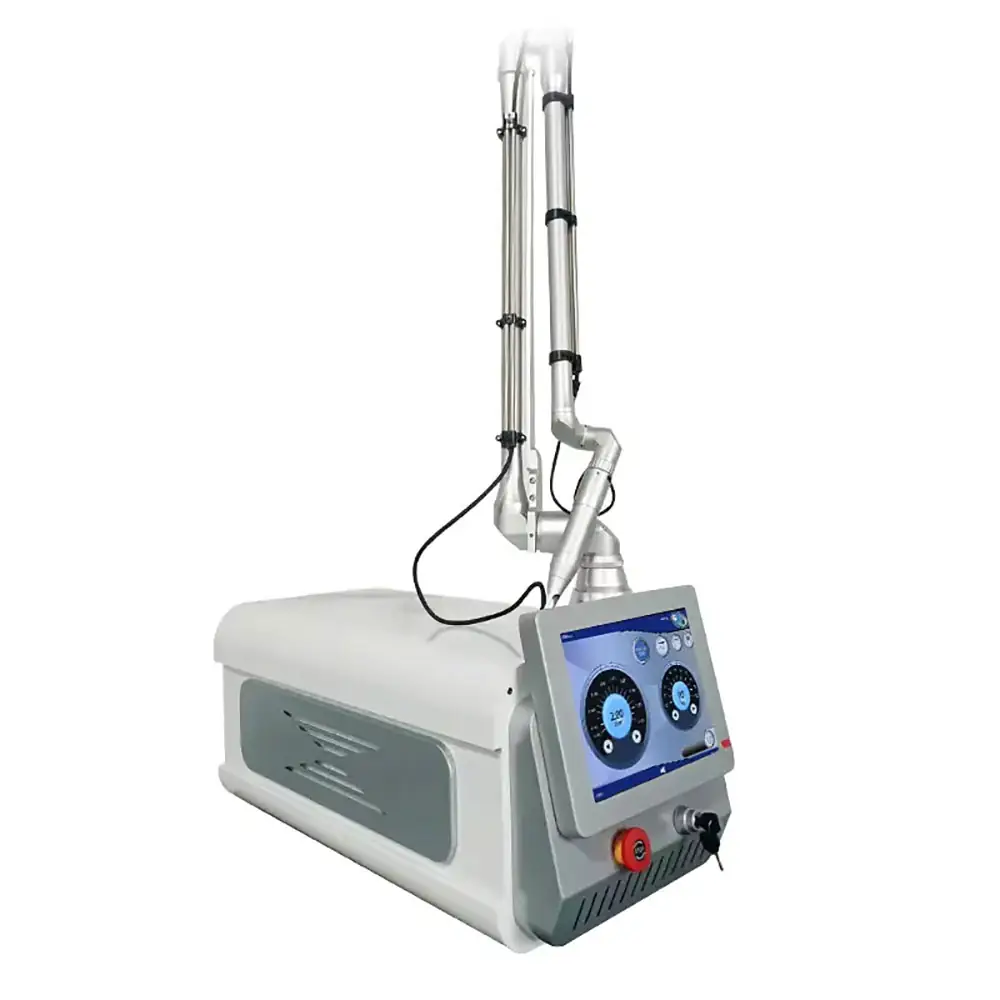
Theportable picosecond laser tattoo removal device combines a compact design with the core functions of a professional laser platform. Compared with larger floor-standing units, its desktop format makes the device easier to position and move based on treatment schedules and clinic needs.
The portable design can reduce the space required for the equipment and give clinics more flexibility when planning daily operations. For clinics with multiple treatment rooms or a range of cosmetic services, staff can move the device according to appointment schedules and treatment needs. This helps coordinate equipment, rooms, and operators more smoothly.
How Does a Portable Design Improve Daily Workflows?
A portable picosecond laser can help clinics make better use of both space and equipment. When several treatment rooms share one device, staff can move it between rooms according to appointment schedules and treatment needs.
1. Optimize Equipment Allocation and Clinic Scheduling
The portable design allows staff to position the device based on the day’s appointment volume and treatment needs. Clinics do not need to keep separate equipment in every treatment room. Instead, one device can be shared across different areas as needed.
For example, when more tattoo removal or pigmentation treatments are scheduled in one room, staff can move the device there in advance. They can then plan the next treatment around the appointment schedule. This helps reduce conflicts between equipment availability and room scheduling. It also limits idle time caused by fixed equipment placement.
This approach is particularly useful for beauty clinics with multiple treatment rooms. Staff can share the device according to actual booking needs, making better use of treatment space without adding unnecessary equipment.
2. Simplify the Operator’s Daily Operations
Portability also affects the operator’s daily experience. A lightweight, ergonomic handle can make repeated treatments more comfortable. For clinics that perform several treatments in succession, a practical equipment layout can also reduce unnecessary movement.
The ergonomic handle works with the optical guidance system to help operators position the device and target the treatment spot more conveniently. This can make the transition from setup to treatment smoother while reducing hand strain during longer sessions.
3. Improve the Utilization Rate of Individual Equipment
When the device can be moved according to appointments, treatment rooms, and clinical needs, one unit can serve more treatment sessions and locations. It does not have to remain in one room throughout the day. Instead, staff can move it as the schedule changes.
For beauty clinics, this approach can reduce idle time and increase the actual use of each device. This is especially useful for clinics that offer several beauty services, as higher utilization can help maximize the long-term value of the equipment.
What Enables the Picosecond Nd:YAG Laser System to Offer High Therapeutic Flexibility?
The treatment flexibility of a picosecond laser depends on more than the number of available wavelengths. Wavelength affects how pigments absorb laser energy, while energy level, repetition rate, and spot size influence the treatment area and energy delivery. By adjusting these factors, operators can tailor treatment to the pigment type and treatment area.
1. Different Wavelengths Correspond to Different Pigment Applications
Different wavelengths interact with pigments in different ways, so they suit different treatment needs. A 1064 nm wavelength is commonly used for darker pigments, such as black or blue, and for some dermal pigmentation concerns. A 532 nm wavelength is more commonly used for lighter pigments, such as red or brown, and for certain superficial pigmentation concerns.
Some picosecond lasers also offer additional wavelengths to support a wider range of cosmetic applications. For example, 755 nm can be used for pigmentation correction and skin texture improvement. It can also be combined with focused optical techniques for selected skin rejuvenation treatments. The 1320 nm wavelength is commonly used for procedures such as carbon laser peeling. It may be used for skin cleansing, oil control, and pore care.
The value of a multi-wavelength design is therefore not simply the number of wavelengths available. It allows operators to choose a more suitable wavelength based on the characteristics of the pigment being treated.
2. Energy, Frequency, and Spot Size Collectively Influence the Treatment Approach
Wavelength is only one part of parameter selection. Single-pulse energy determines how much energy is delivered in each pulse, while repetition rate determines how many pulses are delivered per unit of time. Operators can adjust both settings to control energy output and treatment speed according to the treatment area and procedure.
Spot size also affects the treatment area and energy distribution. Smaller spots are better suited to small areas or sites that require precise control. Larger spots can cover more area and may improve efficiency when treating larger regions.
In practice, operators need to consider wavelength, energy, repetition rate, and spot size together. No single parameter determines the treatment approach.
3. How Do Picosecond Pulses Affect Pigment Treatment?
Picosecond lasers use extremely short pulses to deliver energy to the target area in a very short time. One key mechanism is the photomechanical effect. Rapid energy release creates mechanical stress that can break pigment particles into smaller fragments.
Unlike laser approaches that rely mainly on heat, picosecond technology makes greater use of the mechanical effect produced by short pulses. However, a shorter pulse does not automatically mean better results. Treatment outcomes also depend on wavelength, energy, pulse duration, spot size, delivery technique, and the specific clinical situation.
The main advantage of picosecond technology therefore does not come from one parameter alone. It comes from matching pulse characteristics, wavelength, and treatment settings to the application.
For B2B buyers, choosing picosecond laser equipment involves more than comparing a single specification. The device should meet practical needs such as space use, treatment flexibility, operating stability, and long-term use. As a professional beauty equipment supplier, Lufen has incorporated these needs into its Portable Picosecond Laser Tattoo Removal Machine. The device combines multiple wavelength options, adjustable treatment parameters, cooling, and safety monitoring in a compact desktop design.
The main technical specifications are as follows:
Technical Parameter
Specifications
Laser Type
Picosecond Nd:YAG Laser
Pulse Width
Approx. 600–2000 ps
Standard Wavelength
532 nm / 1064 nm/1320nm
Optional Wavelengths
755 nm
Single-Pulse Energy
100–2000 mJ (adjustable)
Repetition Rate
1–10 Hz (adjustable)
Spot Size
2–10 mm (adjustable)
Effective Treatment Distance
2–10 mm
Focal Spot Diameter
Approx. 1 mm upon skin contact
Cooling Method
Purified Water/Deionized Water – Closed-Loop Water Cooling + Air Cooling
Pulse Mode
Single-Pulse / Dual-Pulse
Safety Monitoring
Water Temperature and Water Flow Rate Monitoring
Voltage
110V / 220V – Customizable
1. Compact Design For More Flexible Utilization of Consultation Room Space
For clinics with limited treatment space, a compact design gives staff more flexibility when positioning the equipment. It also makes it easier to move the device between treatment rooms as appointments change. This can help clinics use available space more efficiently and simplify daily equipment management.
2. Multi-wavelength Configuration to Meet Diverse Therapeutic Requirements
Lufen’s picosecond platformoffers standard wavelengths of 532 nm,1064 nm and 1320nm, with optional wavelengths of 755 nm. These options support different pigment and treatment needs, allowing clinics to select a configuration that fits their services.
The 1064 nm wavelength is used for black and blue tattoos as well as deeper pigmentation concerns. The 532 nm wavelength is commonly used for red and brown tattoos or superficial pigmentation concerns. The optional 755 nm wavelength can be paired with a honeycomb-focused lens for skin rejuvenation, pore care, and superficial pigmentation correction. The 1320 nm wavelength is mainly used with nano-carbon powder for cosmetic procedures such as carbon laser peeling.
For clinics that offer several beauty services, these wavelength options allow one device to support a broader range of applications. This can increase how often the equipment is used.
3. Adjustable Parameters Provide Greater Flexibility for Treatment.
Different procedures and treatment areas require different laser settings. Flexible parameter control is therefore important. The Lufen Portable Picosecond Laser Tattoo Removal Machine supports single-pulse energy from 100–2000 mJ, a repetition rate of 1–10 Hz, and a spot size of 2–10 mm. Operators can adjust these settings to suit the treatment. Smaller spots are useful for localized areas that need precise control, while larger spots can improve coverage over larger areas. The device also supports single-pulse and dual-pulse modes, providing additional flexibility.
The pulse width ranges from approximately 600–2000 ps. Short pulse durations deliver energy quickly and can create photomechanical stress that helps break pigment particles into smaller fragments. However, treatment outcomes also depend on factors such as wavelength, energy, spot size, operating technique, and individual patient characteristics. Operators should therefore consider the full set of treatment parameters.
4. Dual Cooling and Water Circuit Monitoring – Ensures Stable Operation
The device uses a closed-loop water cooling system with purified or deionized water, combined with air cooling. It also monitors water temperature and flow rate in real time.
These features allow operators to monitor the cooling status during use. If the water circuit is not filled correctly or circulation becomes abnormal, the device can activate the relevant protection functions. For clinics with high treatment volumes, reliable cooling management supports stable daily operation.
The cooling system should be operated with purified or deionized water as specified by the manufacturer. Regular maintenance is also required to keep the system working properly.
5. Lightweight Handle for Enhanced Operating Comfort
The Lufen Portable Picosecond Laser Tattoo Removal Machine uses a lightweight, ergonomic handle with an optical guidance system. This helps operators maintain a comfortable working posture during longer treatment sessions. The lightweight design can reduce hand fatigue, while optical guidance can support more accurate spot targeting.
To keep the handle and optical components in good condition, protect them from dust and contamination during daily use. If the handle or 1320 nm treatment head is cleaned with alcohol, allow the alcohol to evaporate completely before activating the laser. The surface should be fully dry. This helps protect the optical components and supports stable long-term operation.
Frequently Asked Questions
Q1: Why Is Picosecond Laser Tattoo Removal Faster and More Thorough than Traditional Q-switched laser Removal?
The pulse duration of picosecond lasers is significantly shorter than that of traditional nanosecond Q-switched lasers. This device delivers pulses with a width of approximately 600–2000 ps; it primarily utilizes the optical-mechanical stress effect rather than relying solely on continuous thermal effects, thereby facilitating the fragmentation of pigment particles into finer fragments. However, the actual treatment speed, degree of pigment removal, and number of required treatment sessions still depend on factors such as the type of tattoo, pigment depth, skin condition, treatment parameters, and clinical technique employed.
Q2: How to Select the Appropriate Wavelength Based on Different Treatment Modalities?
The 1064 nm wavelength is suitable for black and blue tattoos as well as deeper pigmentation issues; the 532 nm wavelength is suitable for red and brown tattoos as well as shallower pigmentation issues. The optional 755 nm cellular focusing lens can be used for skin rejuvenation, pore care, and superficial pigmentation treatment. The specific wavelength should be selected based on the actual treatment procedure and professional operating protocols.
Q3: For What Types of Projects is the Device’s 1320 nm Wavelength Primarily Used?
1320 nm – primarily used in combination with nano-carbon powder for skin rejuvenation through carbon laser treatment; this application is also commonly referred to as “carbon laser” or “black mask” treatments. According to the product documentation, this method is mainly employed for deep cleansing, oil control, pore care, and skin brightening.
Conclusion
The portable picosecond laser tattoo removal device can help cosmetic clinics improve daily efficiency by combining flexible equipment deployment, multiple treatment options, and adjustable parameters. Its value comes not only from its compact size but also from how easily it can fit into a clinic’s daily workflow.
The Lufen Portable Picosecond Laser Tattoo Removal Machine offers standard wavelengths of 532 nm and 1064 nm and 1320nm, with optional wavelengths of 755 nm, . It supports adjustable single-pulse energy from 100–2000 mJ, a repetition rate of 1–10 Hz, and a spot size of 2–10 mm. The device also uses closed-loop water cooling with air cooling, monitors water temperature and flow rate, and includes optical protection features.
For professional beauty clinics, this configuration can make treatment scheduling and treatment-room use more flexible. B2B buyers should consider the range of treatments, equipment footprint, handling convenience, cooling and safety requirements, maintenance needs, and long-term value when selecting equipment.
If you are planning to purchase a portable picosecond laser tattoo removal device, contact Lufen for a detailed Technical Specification Sheet (MTC) or submit an RFQ. We can provide equipment recommendations based on your treatment requirements.
Opening a new medical spa, upgrading an existing practice, or expanding your treatment menu is one of the most exciting milestones for any aesthetic professional....
Introduction Multifunctional aesthetic devices integrate various treatment technologies into a single unit. As system integration increases, routine maintenance becomes essential. Dust, residue, contaminated cooling water,...
The medical aesthetics equipment market is growing rapidly worldwide. Laser hair removal technology has become one of the fastest-growing treatment options among cosmetic clinics, medical...
Choosing an RF microneedling machine involves more than comparing power ratings and needle counts.. Two machines may look similar on paper but offer very different treatment...
The global non-invasive body contouring market is growing rapidly. Today’s clients are no longer satisfied with simple fat reduction; they demand dual-action treatments that sculpt,...
Introduction The beauty and aesthetic industry is becoming increasingly focused on data-driven skincare solutions. Customers today expect more than general recommendations based on visual observation. They...