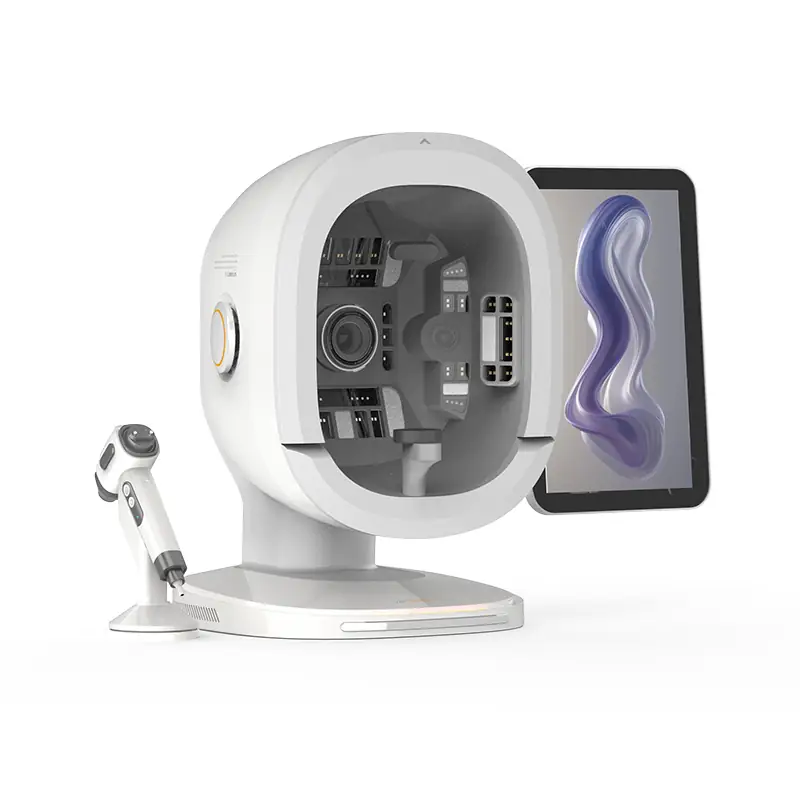
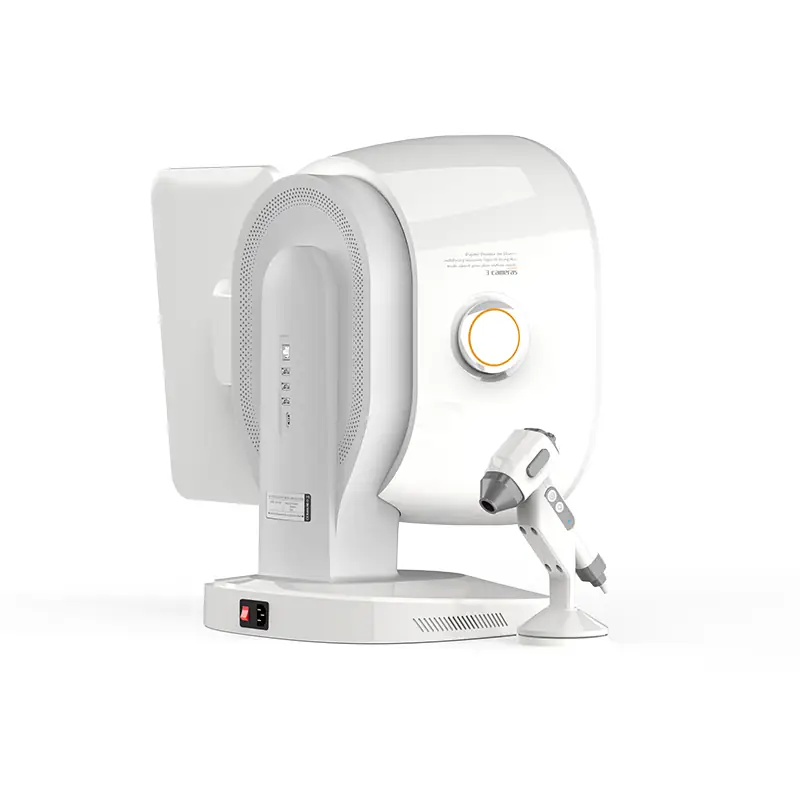
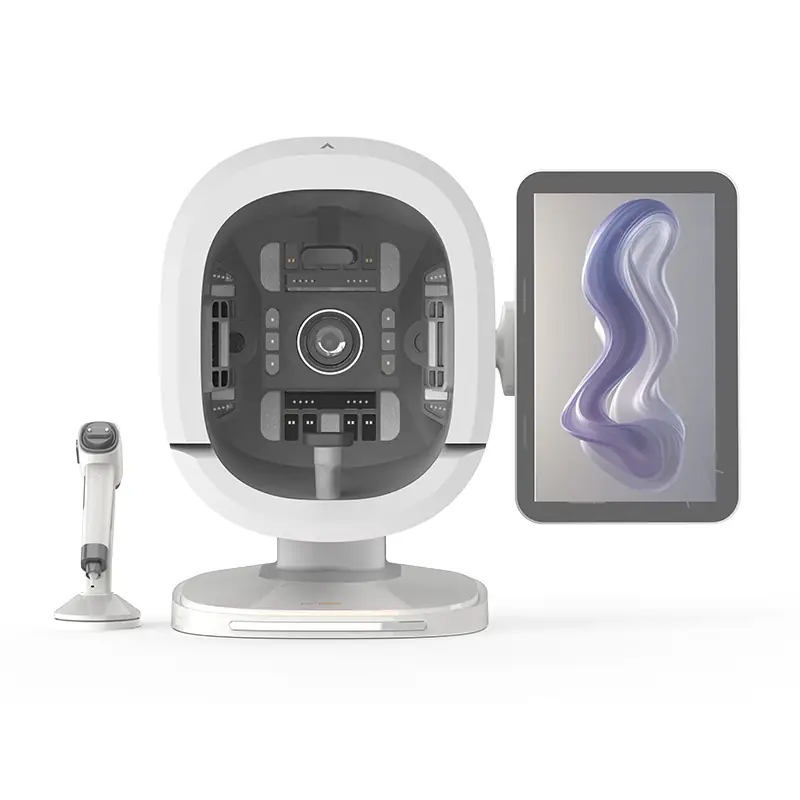
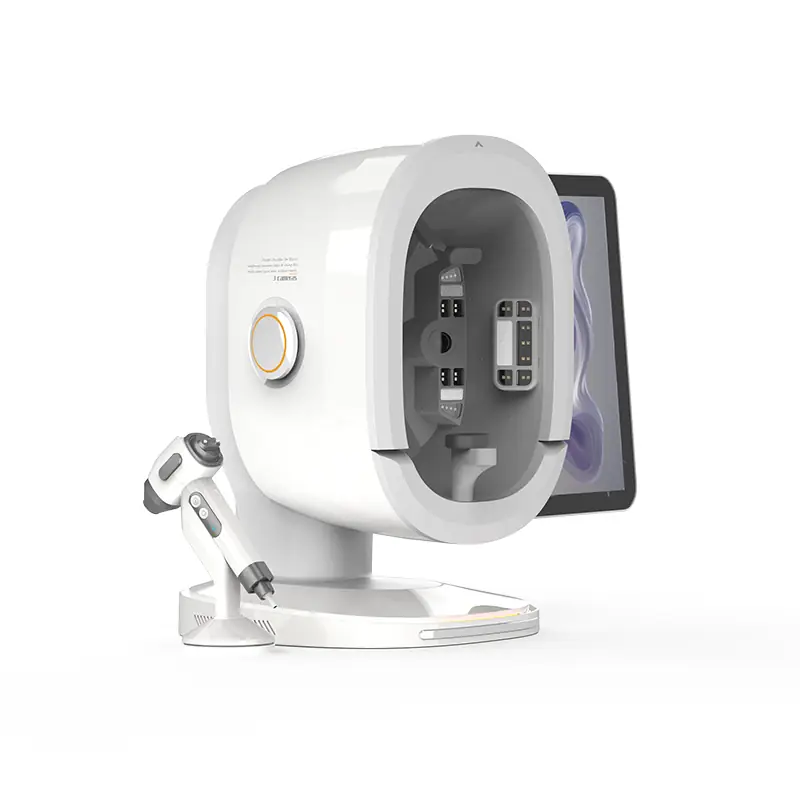
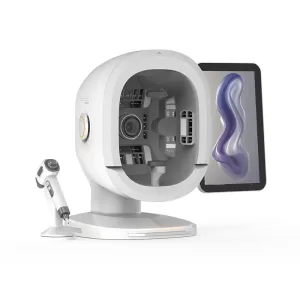
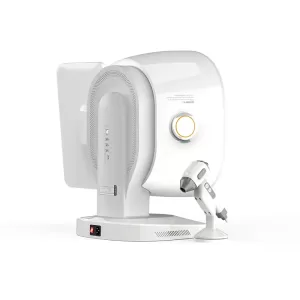
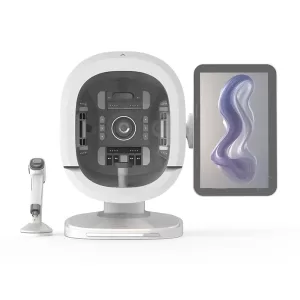
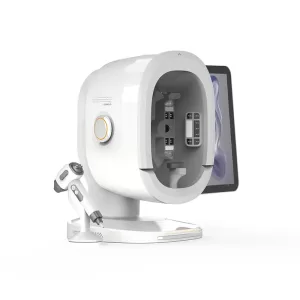
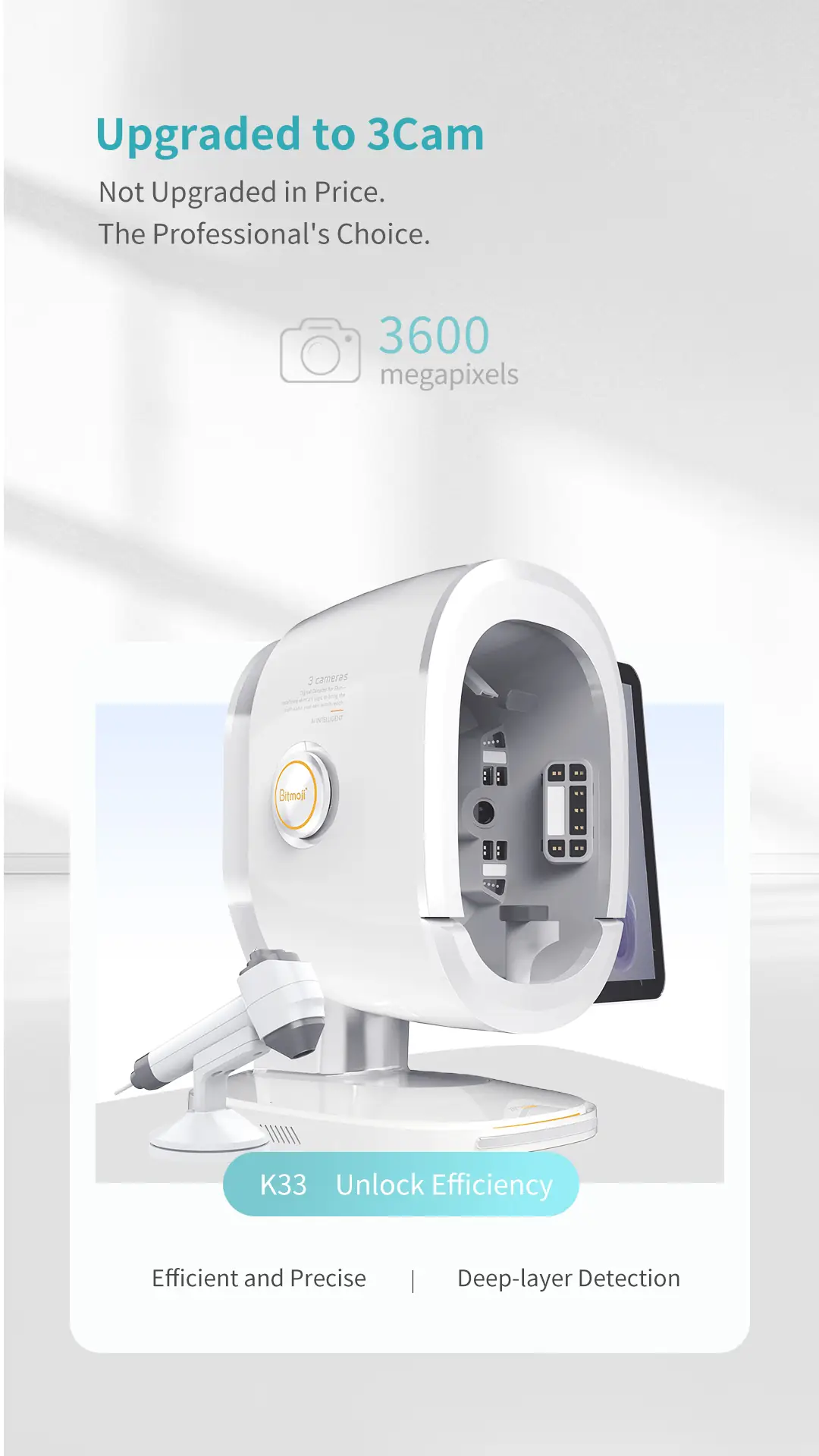
What is the K33 AI Skin Analyzer?
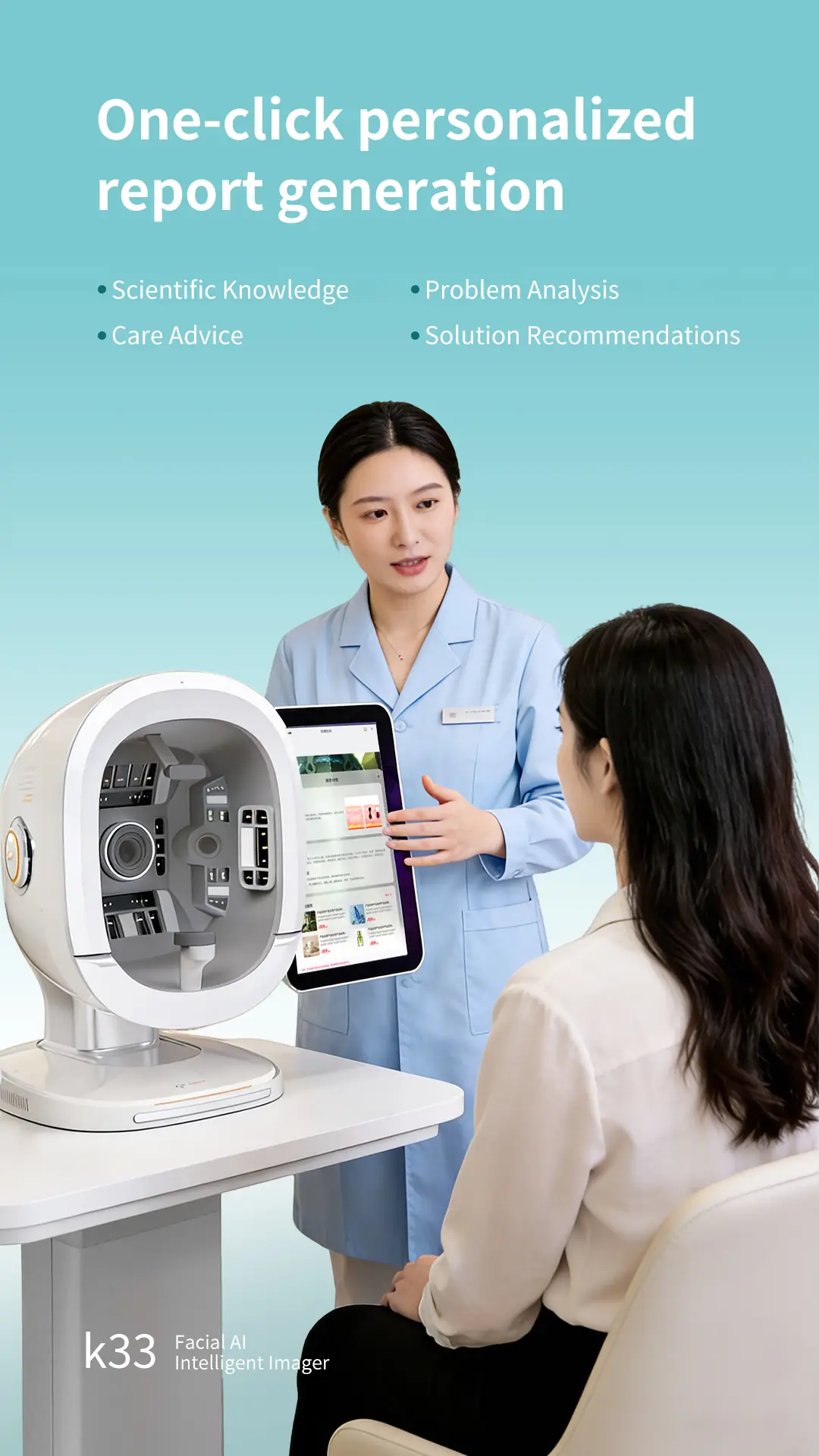
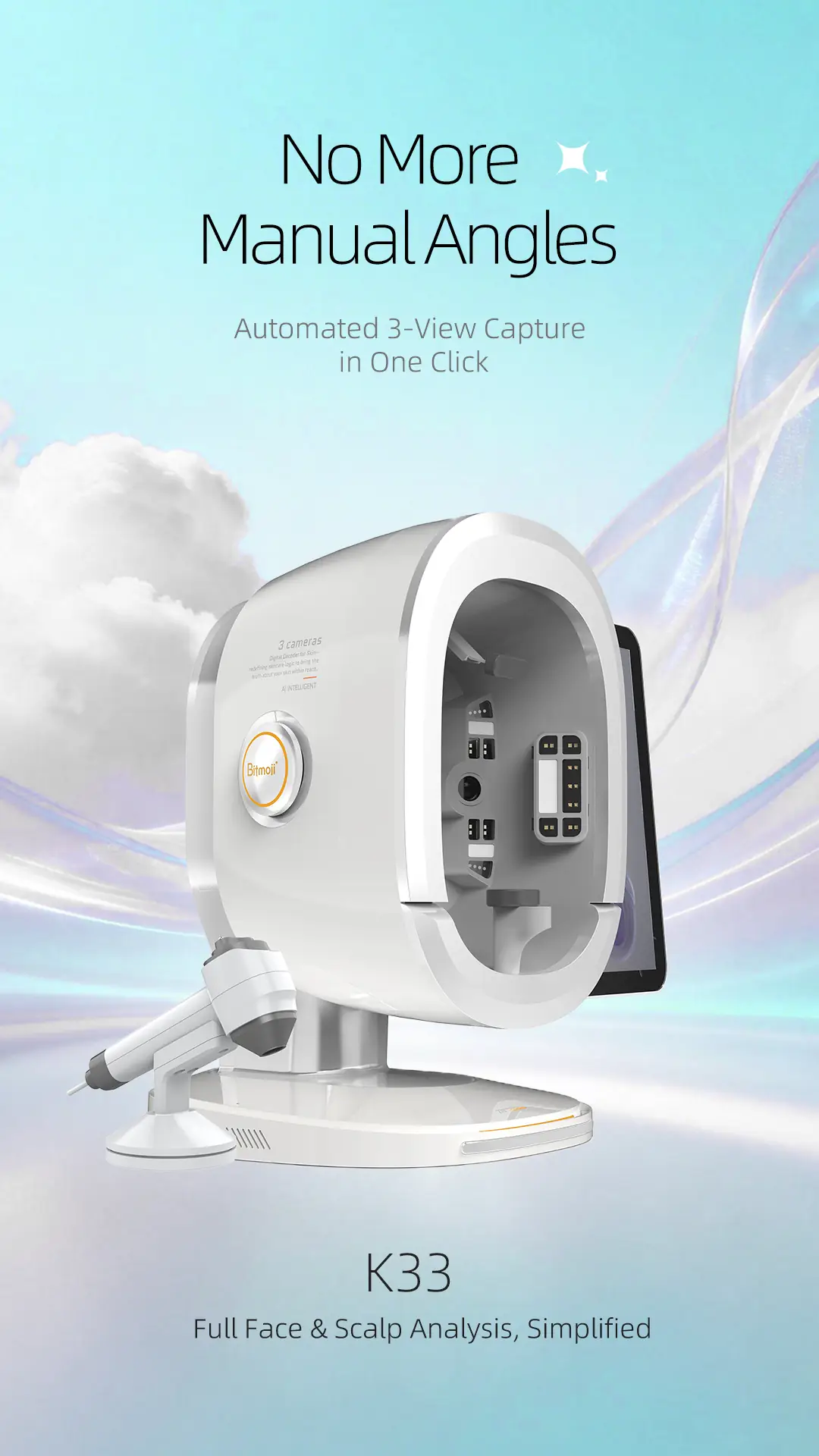
With the core mission of addressing skin concerns, the K33 AI Skin Analyzer integrates eight-spectrum imaging technology to simultaneously capture images from three fixed angles—frontal, left profile, and right profile—thereby achieving 180-degree coverage with zero blind spots. It provides a professional and objective analysis of 17 distinct facial skin metrics. Designed for flexible and convenient operation, the device generates an instant diagnostic report with just a single click, making the skin diagnosis process significantly more efficient and streamlined.
Handheld Skin Microscope
Equipped with multi-source microscopic imaging capabilities, this device enables in-depth analysis of eight distinct skin characteristics and scalp health conditions. It integrates laboratory-grade precision diagnostics into a portable device, meeting a diverse range of clinical examination needs.
Comprehensive AI Algorithm Upgrade: A New Breakthrough in Precision
The K33 is powered by a new generation of deep learning algorithms. Optimized through training on massive datasets of skin, scalp, and hair imagery, it offers finer analytical dimensions and more intelligent diagnostic logic. Whether measuring the sensitivity of pigment recognition, the granularity of texture analysis, the accuracy of hair follicle detection, or the precision of problem localization—every aspect has seen significant improvement, ensuring that every diagnostic scan brings you closer to the true underlying condition.
Triple-Camera Simultaneous Capture: Boosting Both Efficiency and Clarity
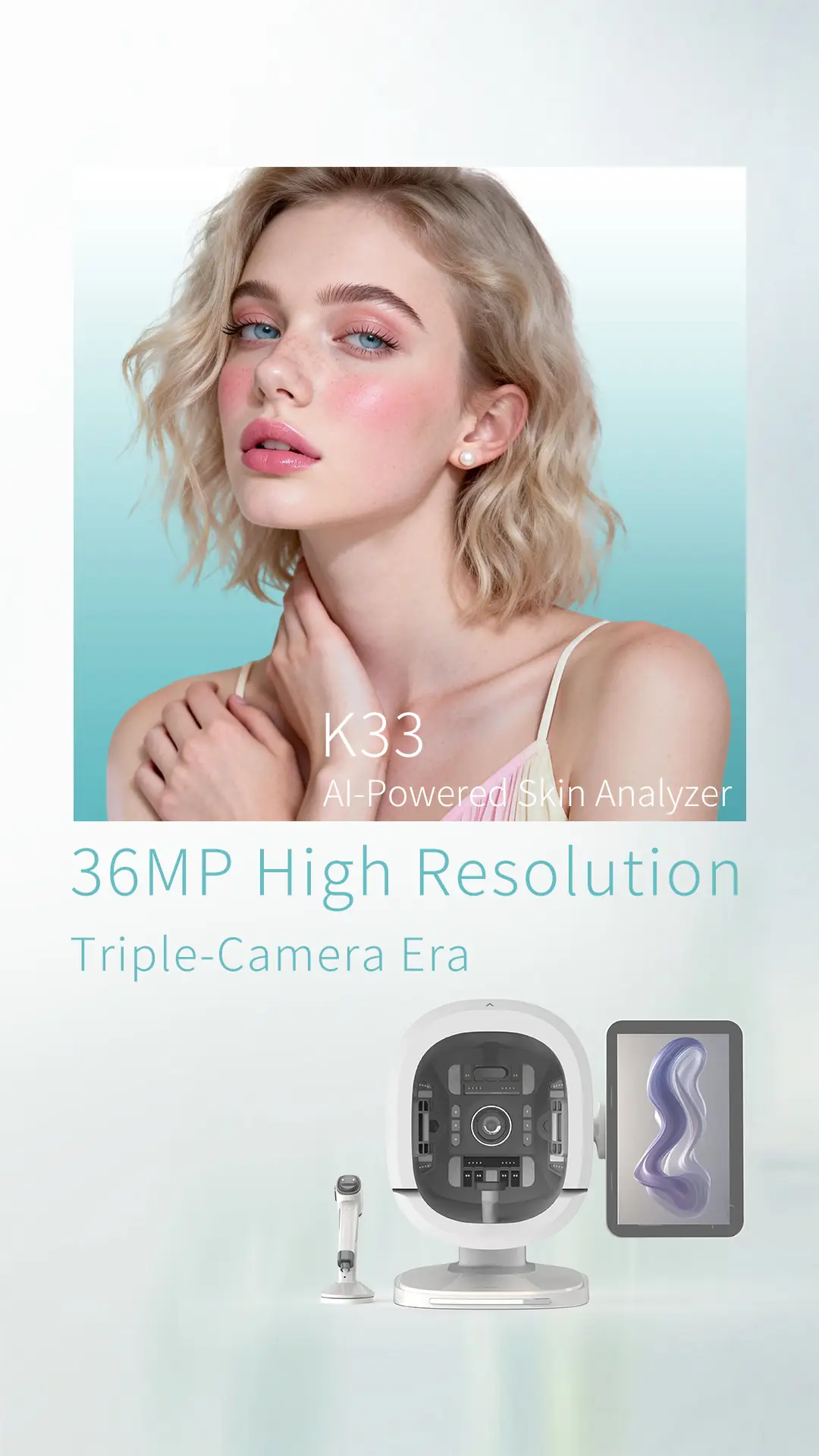
Featuring an innovative triple-camera array design, the device employs three cameras—positioned at the front, left, and right—to operate simultaneously, completing a full-face data capture in a single pass. Users require no head movement or posture adjustments; a comprehensive 180-degree facial scan can be completed while remaining perfectly still. This not only drastically shortens the diagnostic process and boosts service efficiency but also eliminates image blur caused by facial movement, ensuring consistent clarity across all three perspectives and precise image stitching—thereby providing a high-quality data foundation for subsequent AI analysis.
Intelligent Guidance: Quick, Intuitive Operation with Zero Learning Curve
The device interface comes pre-loaded with detailed instructions and video tutorials. From powering on the unit to generating a final report, every step is accompanied by clear, intuitive guidance. No professional training or manual-flipping is required; even new staff members can quickly master the operational essentials. This significantly reduces training costs for institutions while ensuring consistent service standards across the board.
Dual-Mode Functionality: Skin & Scalp Analysis in a Single Device
Breaking through the limitations of traditional single-function skin analyzers, the K33 goes beyond comprehensive facial skin analysis to support in-depth examination of the scalp and hair. Covering everything from facial skin health to scalp vitality, this single device meets the full spectrum of a user’s care needs. It provides institutions with a powerful tool to expand their service offerings, diversify their treatment portfolio, and effectively increase their average transaction value per client.
17 Specialized Diagnostic Indicators
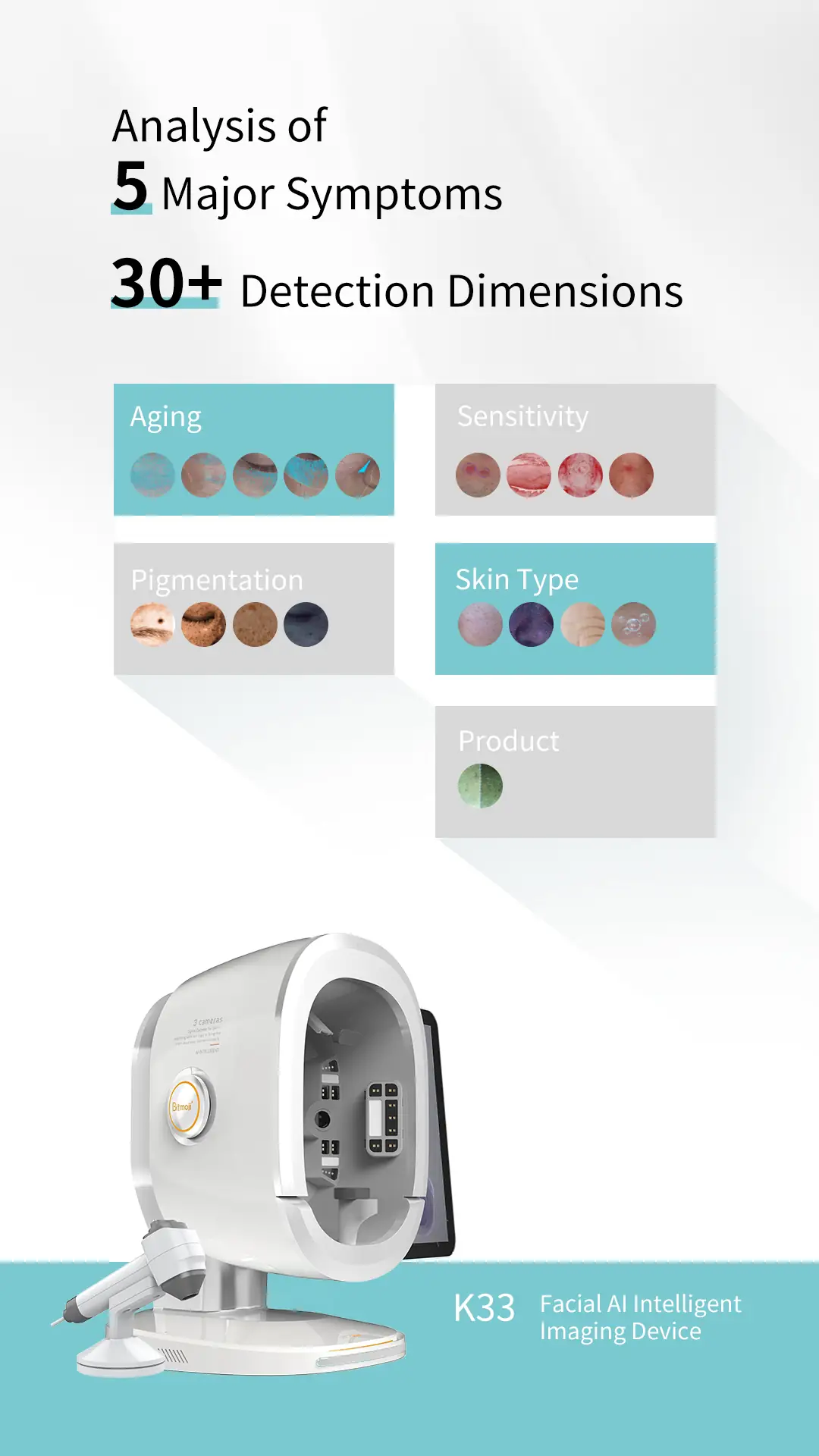
The K33 system provides a comprehensive skin health assessment, covering seventeen key dimensions—including moisture content, pore status, blackhead distribution, sebum secretion, skin barrier function, acne severity, wrinkle depth, mixed pigmentation, superficial pigmentation, sun damage, porphyrin metabolism, collagen content, skin roughness, deep-layer pigmentation, brown pigmentation, and sensitivity analysis via heatmaps and redness maps—to construct a complete skin health profile.
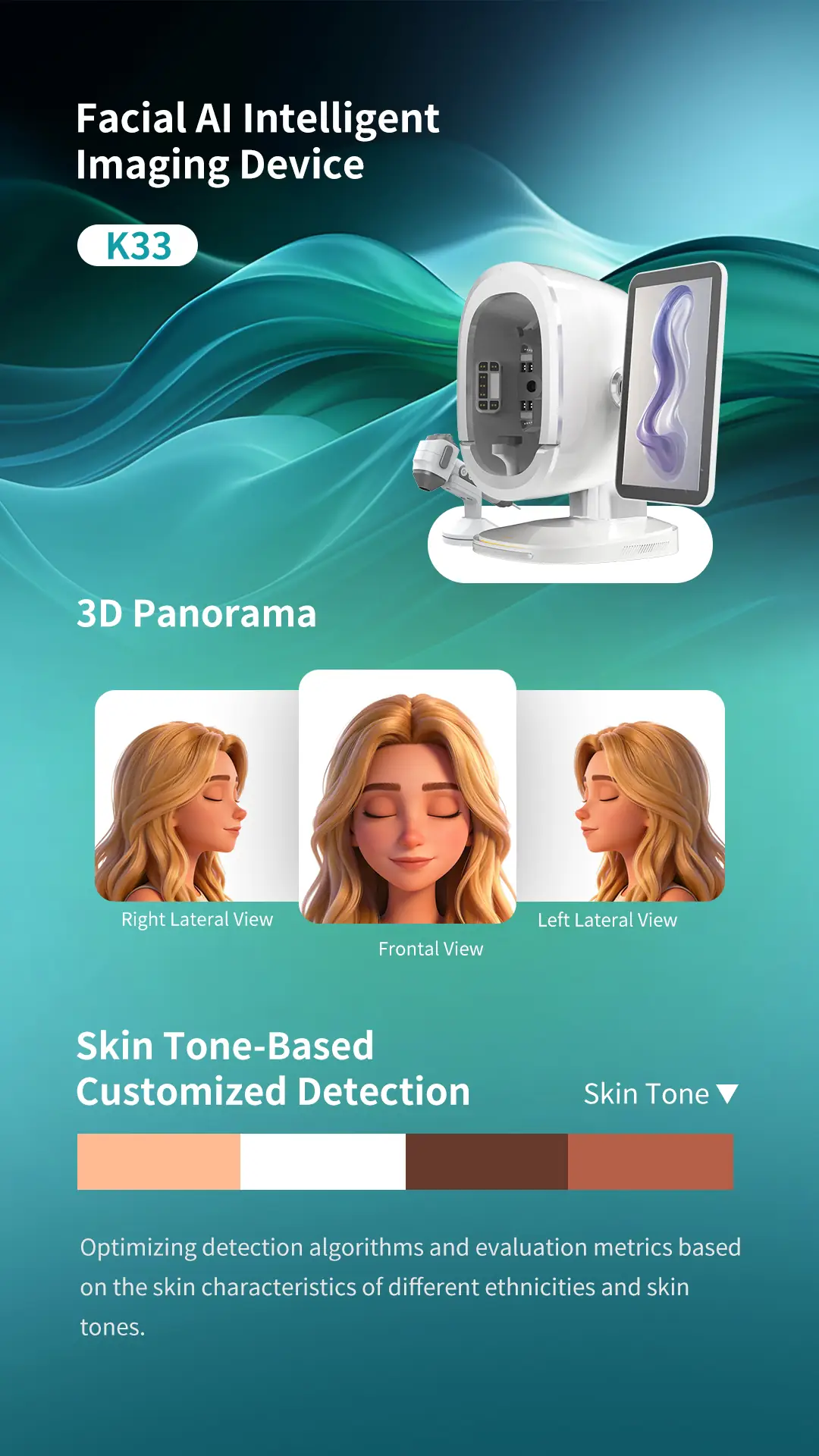
Industry First—Customized Skin Tone Analysis
The K33 AI Intelligent Skin Analyzer pioneers a customized skin tone analysis mode—the first intelligent system in the industry to optimize detection algorithms and assessment metrics specifically for the unique skin characteristics of diverse ethnicities and skin tones. Its multi-dimensional visualization model dynamically adjusts display parameters based on the selected skin tone, ensuring that individuals of all complexions receive precise and objective skin analysis results—thereby truly realizing professional, fully inclusive skin diagnostics.
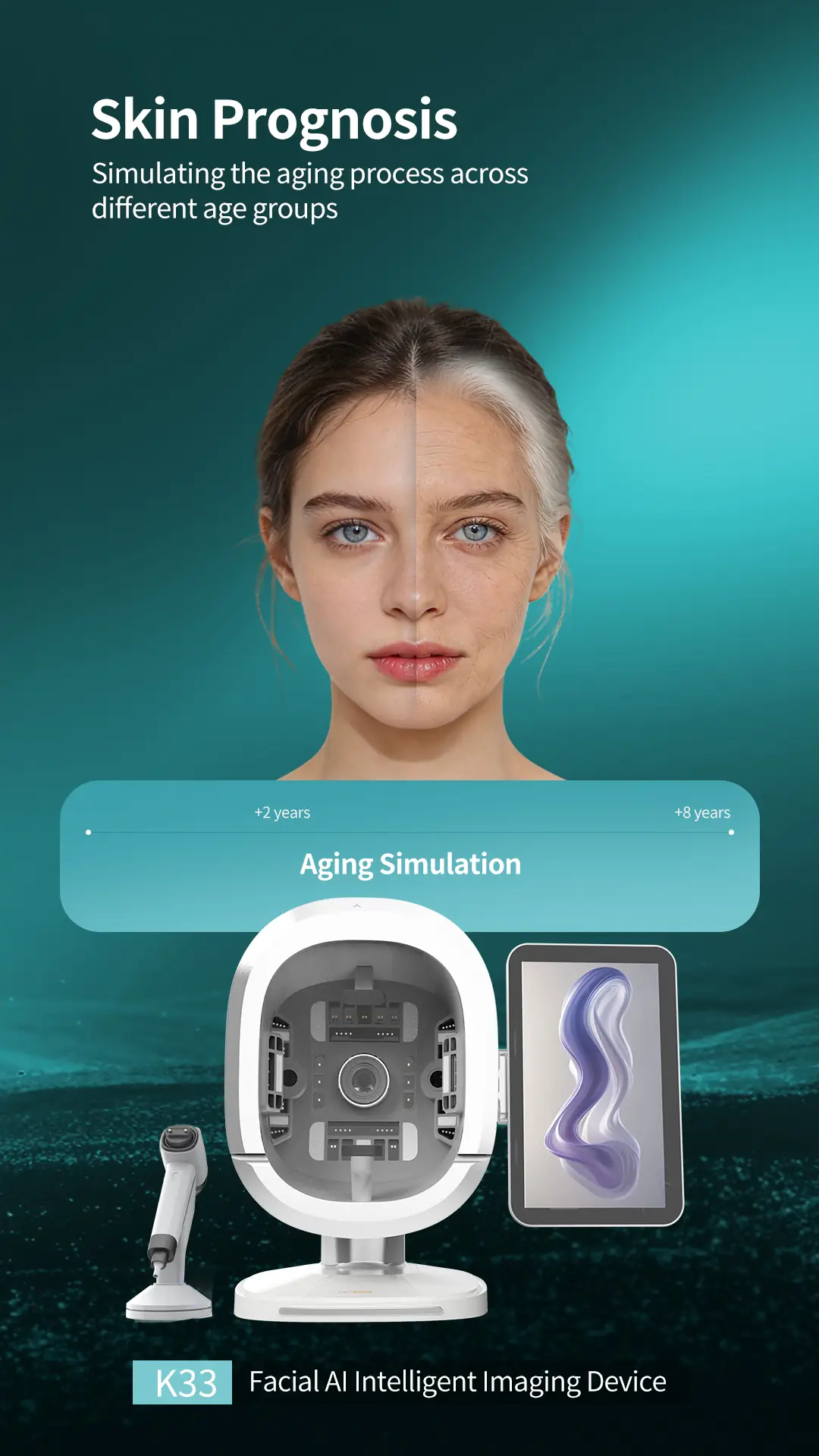
Aging Simulation Feature
Deeply predicts the future state of the skin, awakening the customer’s desire for a youthful complexion. Based on the client’s current skin condition data and powered by deep learning training via large-scale AI models, the system intelligently simulates the projected improvements in skin quality following treatment, as well as the natural aging process across different age groups, thereby providing a scientific foundation for formulating long-term skincare strategies.
3D Cross-Sectional Imaging
Utilizing core layered-scanning technology to generate tomographic images, this feature performs quantitative analysis on data from various skin strata—including the epidermis and superficial dermis. It intuitively visualizes the health status and distribution of issues within the skin’s deeper structures, ensuring that even hidden skin concerns are brought clearly into view.
Intelligent Skin Age Assessment
Serving as a quantitative metric for gauging actual skin aging, the K33 system employs AI annotation on a comprehensive database of skin samples from individuals aged 18 and above. Through deep learning and feature extraction via advanced AI models, it precisely calculates the skin’s biological age. The system identifies the root causes of “aging” by comprehensively assessing key anti-aging parameters—such as collagen levels, wrinkle depth, and pigment distribution—thereby providing essential data support for anti-aging treatments.
pH Balance Analysis
Healthy skin typically maintains a slightly acidic state, with a pH level ranging between 4.5 and 6.5; this acidic environment is crucial for maintaining the skin barrier function, retaining moisture, and inhibiting bacterial growth. The K33’s pH detection module helps determine whether the skin is excessively acidic or alkaline, whether the skin barrier is compromised, and if there are potential risks such as sensitivity, dryness, oiliness, or redness—providing foundational data for scientifically informed skincare practices.
Intelligent Skin Type Recognition
The system automatically identifies the user’s specific skin type, providing a professional and scientific basis for formulating daily skincare regimens and selecting appropriate products. This marks a departure from the era of “intuitive” skincare—where choices were based merely on guesswork or feeling—ensuring that every skincare decision is now grounded in objective data.
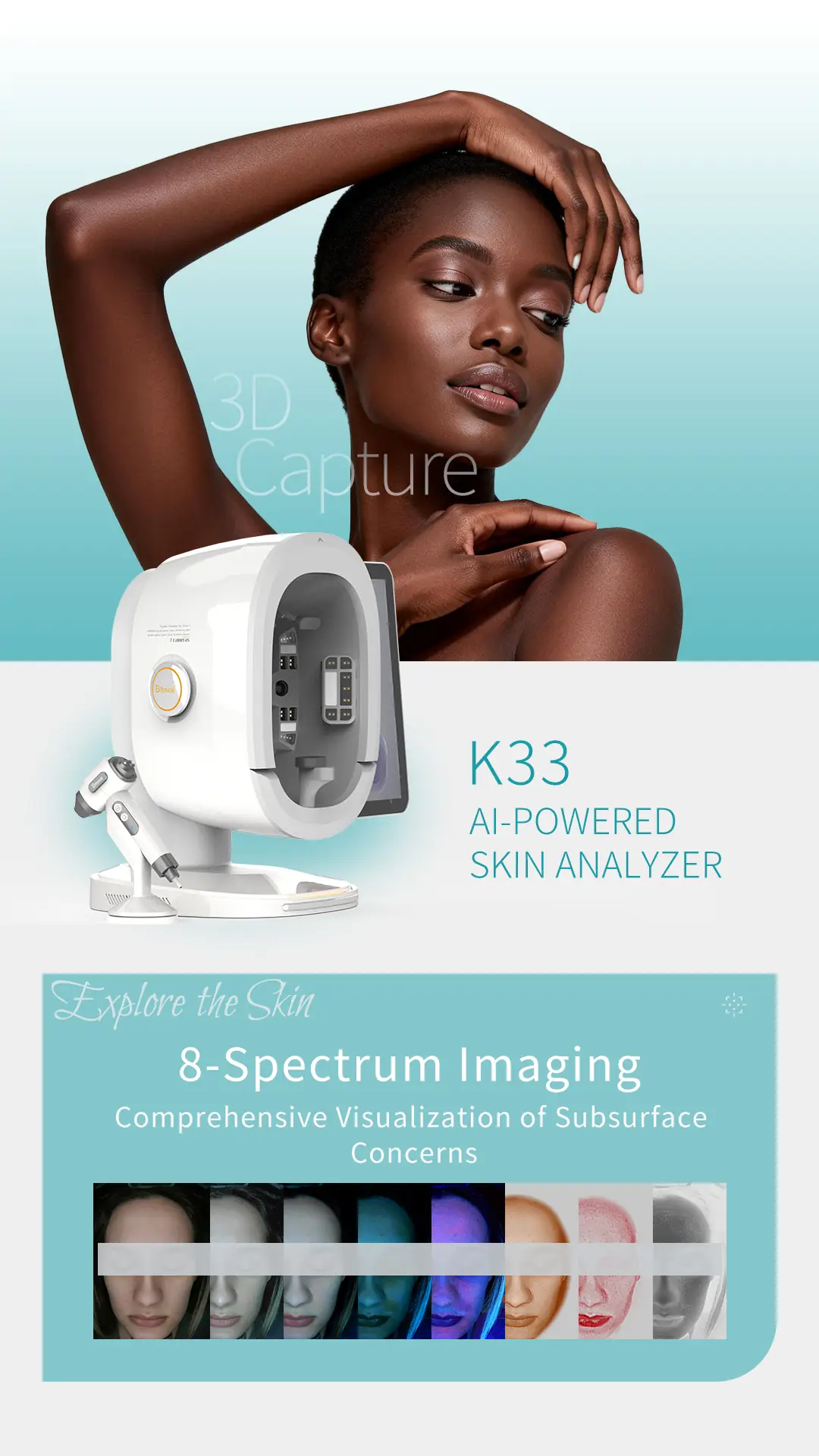
8-Spectrum Imaging Technology
White Light Imaging
Clearly reveals visible surface imperfections under natural lighting—including acne, pigmentation spots, wrinkles, and enlarged pores—serving as the foundational reference for comparative analysis against other spectral images.
Negative Polarized Light
Utilizes negative polarization technology to filter out surface-reflected light, enabling a clear examination of light brown, tan, dark brown, pale yellow, or dark red skin lesions. It precisely identifies deep-seated skin issues such as capillary conditions, facial acne, and skin tone uniformity.
Positive Polarized Light
Significantly enhances the clarity of epidermal texture and magnifies localized details, facilitating a meticulous examination of skin smoothness, fine lines, wrinkles, and surface irregularities—including wrinkle morphology, pore structure, acne scarring, and acne distribution patterns.
Wood’s Light
Conducts an in-depth examination of dermal pigmentation deposits. By leveraging the principle that melanin does not fluoresce under ultraviolet (UV) illumination, this mode renders melanin deposits clearly visible with heightened contrast.
UV Light
Under UV illumination, this mode clearly displays the content and distribution of purple-hued pigments (such as bilirubin derivatives) via fluorescence reactions. It aids in the diagnosis of pigmentary skin disorders, pore-related issues, skin infections, and porphyria, and can also be utilized to monitor treatment efficacy.
Red Light
Employs RBX light source technology to analyze subcutaneous facial hemoglobin and inflammatory pigmentation. It precisely identifies inflammatory skin conditions such as skin sensitivity, vascular lesions, active acne inflammation, and visible capillaries.
Brown Light
Utilizes RBX light source technology to analyze the location, surface area, morphology, and severity of subcutaneous UV-induced pigmentation spots. It provides a visual representation of skin damage caused by UV radiation as well as the accumulation of subcutaneous melanin.
Mixed Light
Employs polarization analysis techniques to reveal skin texture roughness and the extent of collagen loss.